
Best Camera Lens For Phones 2026: Which Type Is Right for You
Disclosure: We may earn a commission when you buy through links on this page, at no extra cost to you. As an Amazon Associate I earn from qualifying purchases. Learn more

Compare camera lens types for phones, from wide angle to macro and telephoto. Learn about fit, image quality, and what to check before you buy one.
Choosing the best camera lens for phones starts with a simple question, which kind of photo do you want to take more often. Clip on lenses add wide views, close up detail, or extra reach to a phone camera that already handles everyday shots well. The right choice depends on your phone model, how the lens attaches, and how much extra bulk you accept in a pocket or bag. The comparison table below shows the main types side by side.
Phone lenses do not replace a dedicated camera, but they can widen a landscape, capture a small flower in detail, or bring a distant subject a little closer. Quality varies a lot, because lens glass, alignment, and coatings differ between makers. This guide explains each type in plain terms, so you can match a lens to the photos you actually take. Check the product table below when you want a quick recap of the types.
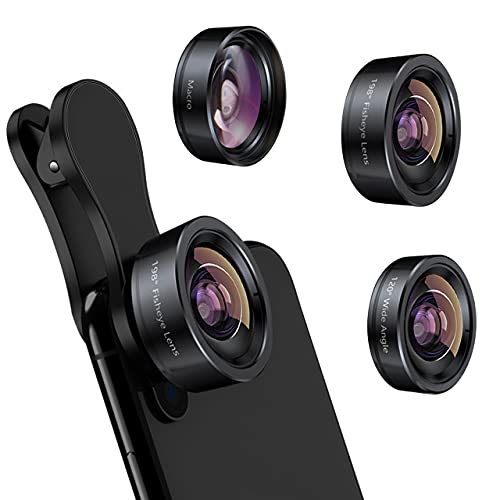
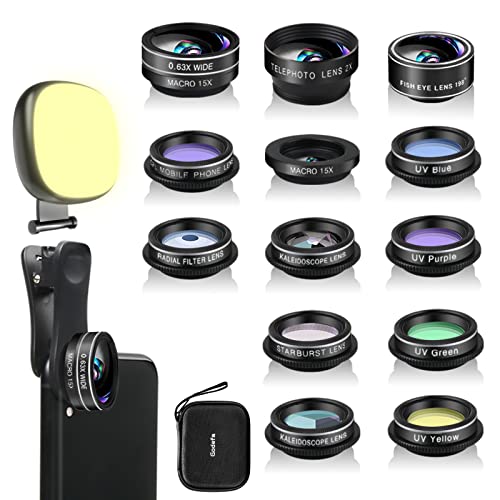
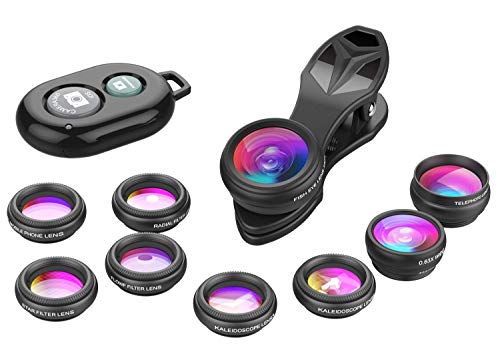
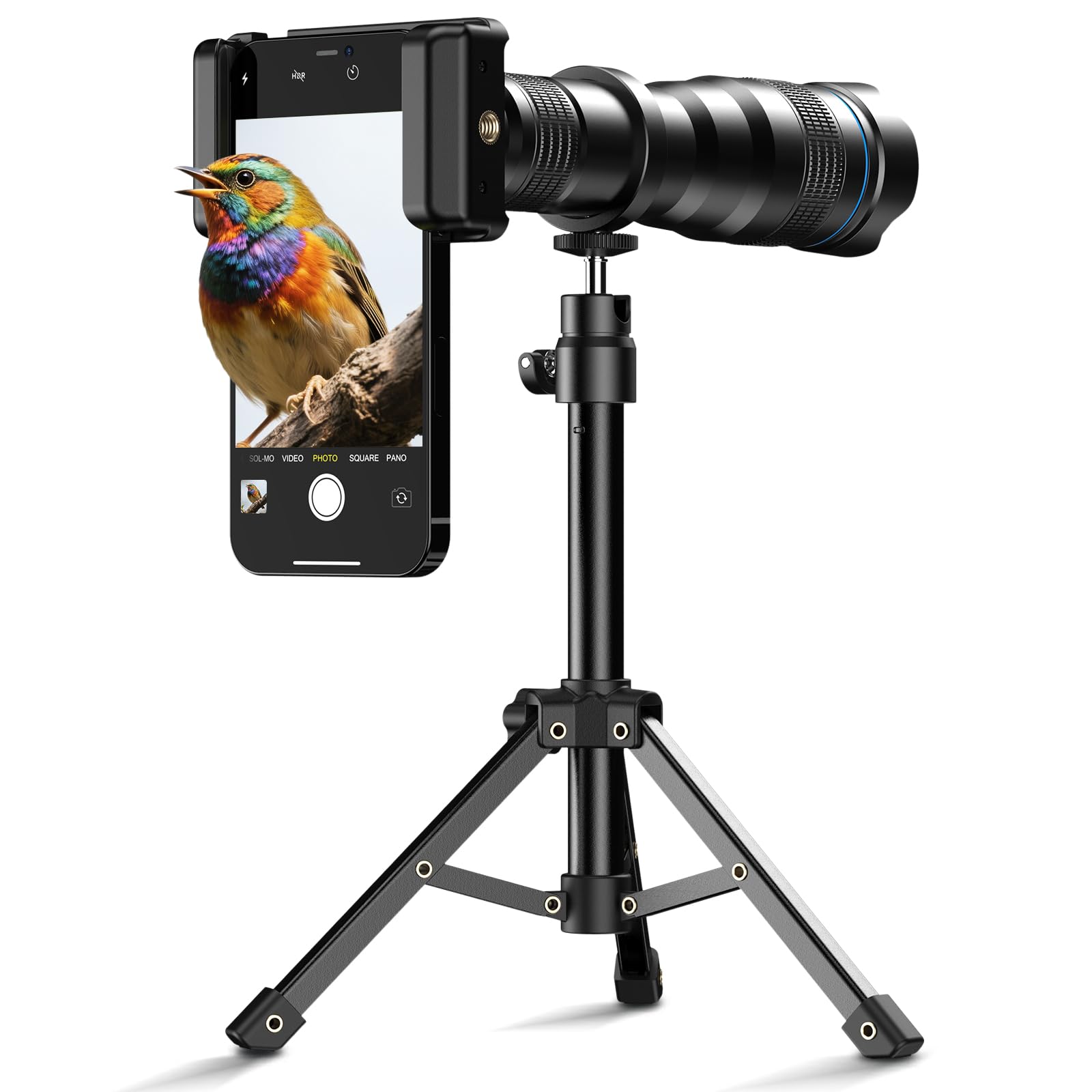
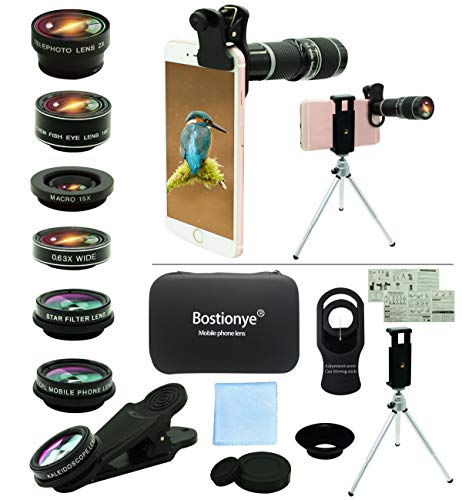
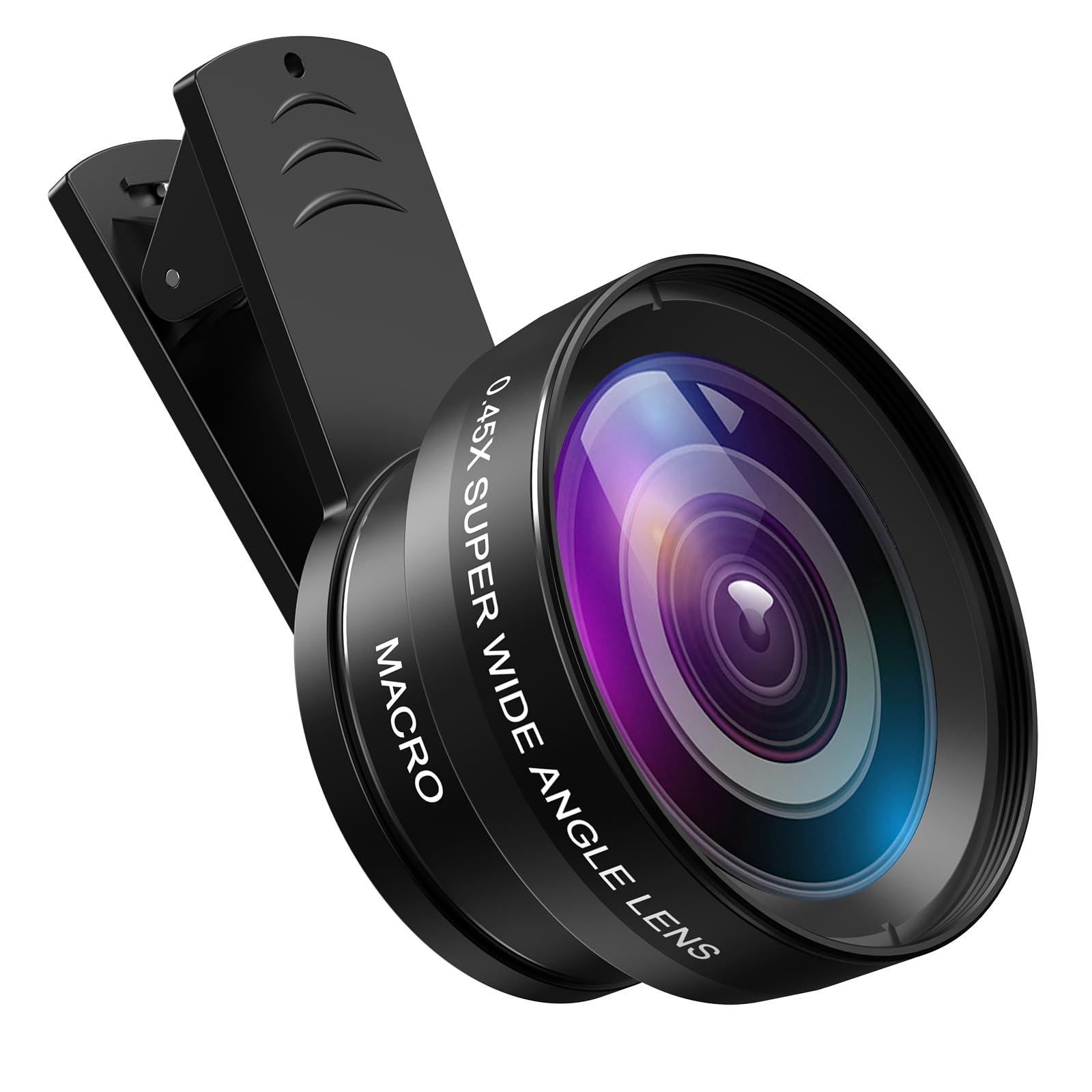


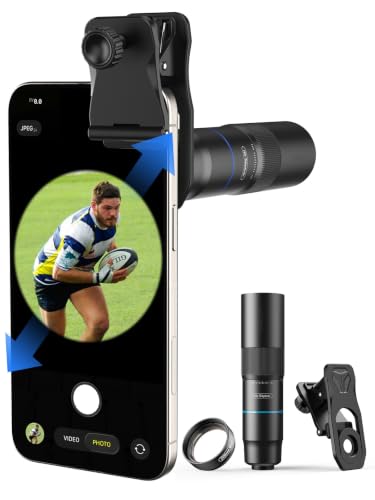
Types of Phone Camera Lens Compared
Wide angle lenses capture more of a scene, which helps in small rooms, group photos, and landscapes where stepping back is not possible. They can bend straight lines near the edges, so look for a lens that keeps distortion modest rather than extreme. A wide lens suits travel and interior photos, but it will not help with distant subjects. Try sample photos at the edges of the frame, not just the center, before judging quality.
Macro lenses focus very close, revealing texture in flowers, coins, food, and small crafts that a bare phone camera cannot reach. They work best in bright light with a steady hand, since the focus zone is very shallow. Telephoto lenses add reach for stage shows, wildlife at a distance, and sports from the stands. Fisheye lenses create a strong curved effect that suits playful photos but rarely suits everyday use.
How Clip On and Case Mounted Lenses Attach
Clip on lenses grip the edge of the phone and sit over the camera lens, which makes them easy to move between phones. They can slip if the clip is loose, and alignment matters because a lens even slightly off center softens one side of the photo. Case mounted lenses screw or clip into a dedicated case, giving steadier alignment at the cost of needing the right case for your model. Check the case list before ordering, since a lens without its matching case may not attach at all.
Some kits include a small tripod or grip, which helps a lot for macro and telephoto shots where tiny shakes show clearly. A lens that is quick to attach gets used more often than one that needs careful setup each time. If you change phones often, a clip on design may suit you better than a case system tied to one model. Keep the lens caps on when the lens is in a pocket, because pocket dust scratches glass quickly.
Image Quality Factors Worth Checking
Glass quality decides sharpness more than the number of elements printed on the box. Multi coated glass reduces flare when you shoot toward light, while uncoated glass can wash out bright scenes. Edge softness is the most common weakness, so inspect corners in sample photos and look for darkening at the edges. Color shift can also appear, with some cheap lenses adding a warm or cool tint that you must correct later.
Resolution claims on packaging mean little on their own, because a phone sensor and its software also shape the final photo. A good test is to photograph a page of small text or a brick wall and check detail across the frame. Low light performance drops with add on lenses, since extra glass reduces light reaching the sensor. Expect the best results in daylight, and treat night results as a bonus rather than a promise.
Compatibility, Size, and Everyday Use
Compatibility starts with your phone model and camera layout, especially on phones with two or three rear lenses. A clip made for a single lens phone may cover the wrong lens on a multi lens phone. Measure the clip opening against your phone thickness, including any case you normally use. Some lenses work only with the main rear camera, so check whether the maker states support for wide or telephoto phone lenses too.
Size and weight decide whether the lens leaves the house with you or stays in a drawer. A single wide lens in a small pouch fits a jacket pocket, while a full kit with four lenses needs a small bag. Think about how you shoot: a traveler may carry one wide lens daily, while a hobbyist may pack a macro lens only for garden walks. A lens you carry often will serve you better than a sharper lens you leave at home.
Care, Limits, and Buying Checklist
Clean phone lenses with a soft microfiber cloth and avoid shirts or rough paper that can scratch coatings. Store lenses in their pouches with caps on, and keep them away from sand and keys in the same pocket. Check clips for wear, since a loose clip can drop a lens at the worst moment. If a lens fogs when moving between cold and warm air, let it warm up slowly before shooting.
Before you buy, confirm fit for your exact phone model, read the return terms, and compare the same scene with and without the lens. Prices range from about $15 to $80 for single lenses, with kits costing more but often including weaker extra lenses. Spend on the one type you will use weekly rather than a large kit of lenses you rarely touch. The product table above can help you compare types one more time before you decide.
A Final Check Before You Order
Before ordering, confirm your exact phone model and camera layout against the maker fit list, especially if your phone has several rear lenses. A clip that covers the wrong lens will soften photos no matter how good the glass is. Check whether your normal case must come off for the clip to grip, since removing a case on every shoot quickly becomes annoying. Keep the receipt until you have tested fit on your own phone.
Test the lens in daylight on a detailed subject, checking sharpness in the center and at the corners of the frame. Photograph a brick wall or a page of text, then zoom in on the edges to spot softness or darkening. Try a shot toward bright light too, watching for flare or washed out color that cheap coatings often cause. A lens that passes these simple tests will serve everyday shooting far better than one judged only by packaging claims.
Think about how the lens will travel with you, since a lens left at home takes no photos. A single lens in a small pouch suits a jacket pocket, while a full kit needs a bag and more setup time. Pack a microfiber cloth for cleaning, keep caps on between uses, and store the lens away from sand and keys. One lens you carry daily beats a kit you rarely unpack.
Frequently Asked Questions
Do phone camera lenses really improve photos?
Phone lenses change what a phone camera can capture, such as wider scenes or closer detail, rather than simply sharpening normal photos. A wide lens helps in tight rooms and landscapes, while a macro lens reveals small subjects clearly. Quality depends on glass and alignment, so a good lens helps more than a cheap kit with many lenses. Expect the best results in daylight, and test edge sharpness before relying on a lens for important shots.
Will a clip on lens fit any phone?
No, clip on lenses suit many phones but fit depends on camera position, phone thickness, and case use. Phones with several rear lenses need careful alignment over the main lens, and thick cases can block the clip. Case mounted lenses need the exact matching case for your model. Check the maker fit list for your phone before ordering, and keep the receipt in case the fit is wrong.
Which phone lens type should a beginner buy first?
A wide angle lens is a useful first choice for most beginners because it helps with landscapes, group photos, and small rooms. Macro lenses suit people who photograph flowers, food, or crafts up close. Telephoto lenses help only if you often shoot distant subjects such as stage shows or sports. Start with one type that matches your most common photos, then add another type later if you miss it often.
Why do my phone lens photos look soft at the edges?
Edge softness usually comes from lens alignment, glass quality, or a lens that is too wide for the phone sensor. A clip that sits slightly off center softens one side more than the other, so reposition it carefully. Cheap wide lenses also bend light more at the edges, which no phone setting fully fixes. Try a narrower wide lens or a better coated lens if edge detail matters for your photos.
How do I care for phone camera lenses?
Keep lenses in their pouches with caps on, and clean them only with a soft microfiber cloth. Avoid sand, keys, and rough cloth that can scratch coatings, and check clips for looseness before each use. Let a cold lens warm up slowly to avoid fogging when you move indoors. Store the kit in a dry place, and replace a lens if the glass is scratched in the center of the view.
Final Thoughts
Match the lens to the photos you take most, confirm fit for your exact phone, and favor one good lens over a large kit of average ones. Wide lenses suit travel and rooms, macro lenses suit close detail, and telephoto lenses suit distance, so your habits should guide the choice. Test edge sharpness in daylight and keep the lens clean and capped between uses.
The product table above sums up the main types, so compare them once more before ordering. With the right fit and realistic daylight expectations, the best camera lens for phones can widen what your phone already does well without turning your pocket into a camera bag.
Related Buying Guides
For a closely related choice, see our guide to best camera lens for android phones. You may also find our guide to best phones with good camera quality. For more on a related option, read our guide to best mobile phone cameras.


