
Best Camera Lens for Android Phones: 2026 Full Guide
Disclosure: We may earn a commission when you buy through links on this page, at no extra cost to you. As an Amazon Associate I earn from qualifying purchases. Learn more

Clip on lenses can widen, zoom, or close focus your Android phone camera. Learn about mounts, image quality, and which lens types are actually worth carrying.
Phone cameras have improved a lot, but an add on lens can still change what you can shoot, and the best camera lens for android phones starts with the shots you want. Clip on lenses widen the view for landscapes, add reach for distant subjects, or let you focus very close for tiny details. The comparison table below compares the main add on lens types for Android phones.
Add on lenses suit travellers, hobbyists, and anyone who wants more creative options without carrying a separate camera. They are cheap, light, and fun, but they also have real limits: they can soften edges, darken corners, and add flare in bright light. This guide explains each lens type, how mounts work across different Android phones, and how to judge image quality before you buy.



Who Should Buy a Phone Lens
Travellers who want wider landscapes or closer details without extra bulk get the most from phone lenses. A wide angle lens captures a whole room or a mountain view that the built in lens crops, while a macro lens reveals texture in flowers, food, and crafts. They pack small and cost far less than a dedicated camera.
Content creators and hobbyists also enjoy phone lenses for variety. A fisheye lens adds a playful curved look for social clips, and a telephoto lens helps at concerts and sports where you cannot move closer. If you shoot mostly in good light and share online, the quality trade offs matter less than the creative range you gain.
Lens Types Explained
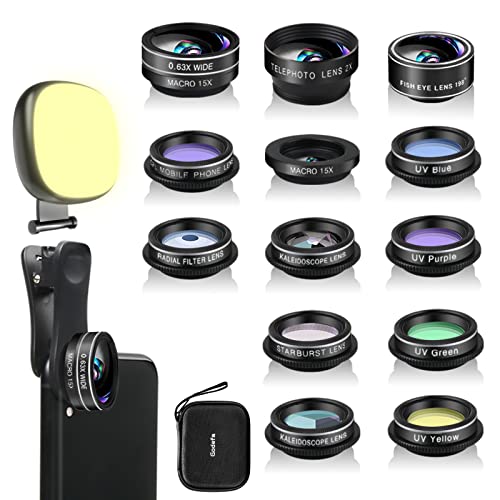
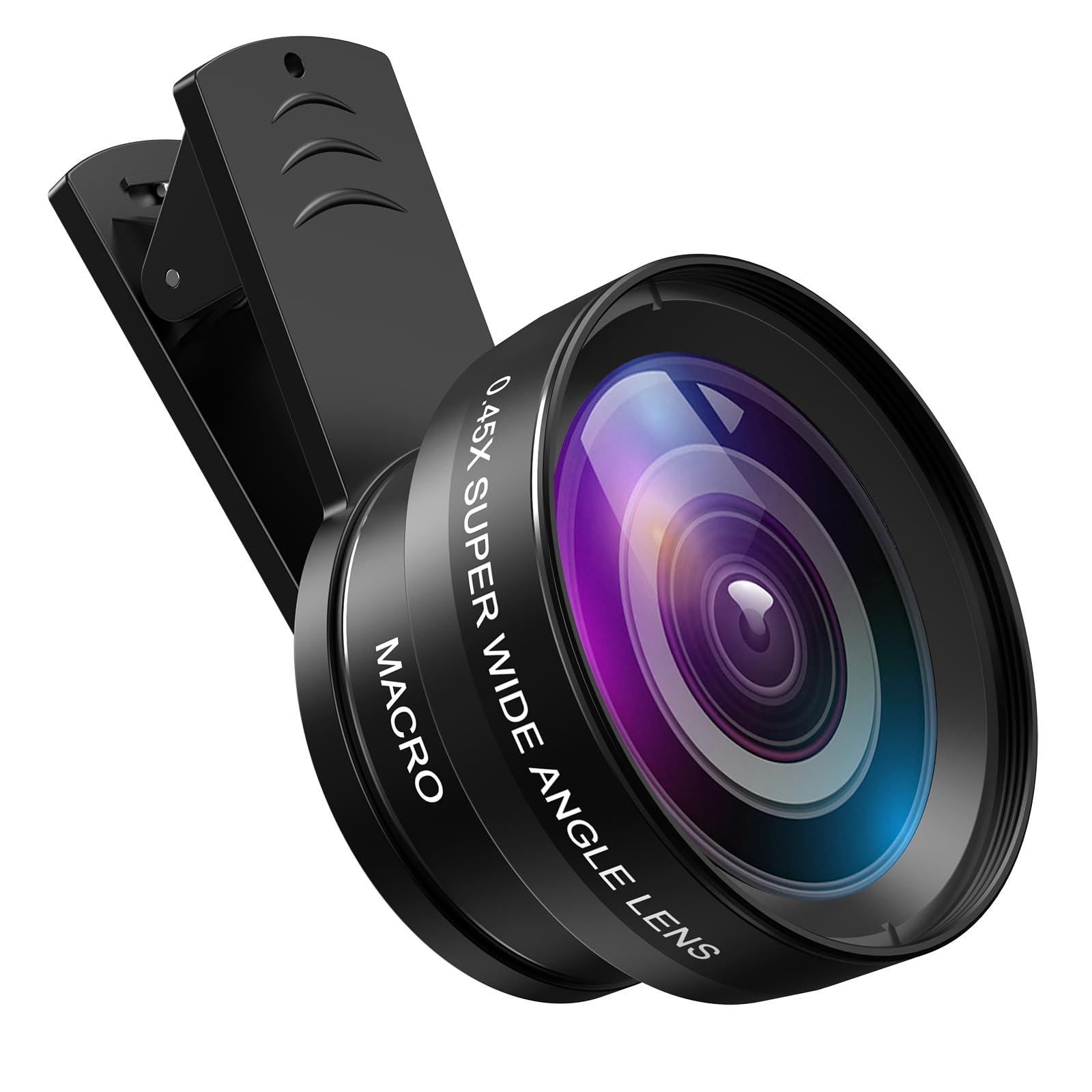
Wide angle lenses widen the field of view, often to around 120 degrees, so you can fit more scene into one frame. They suit landscapes, interiors, and group shots in tight spaces. Watch for stretched edges and dark corners, which show up most in bright, high contrast scenes.
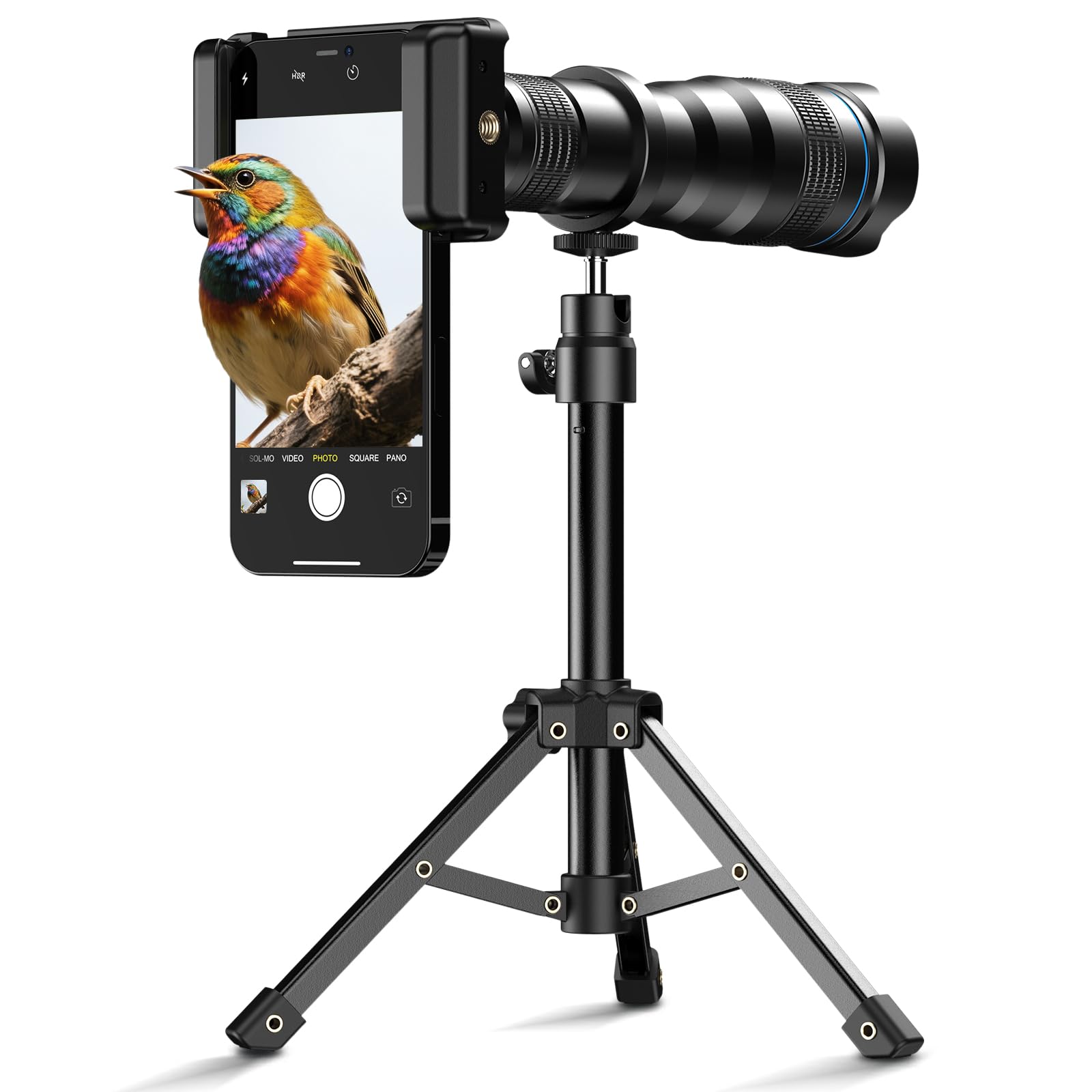
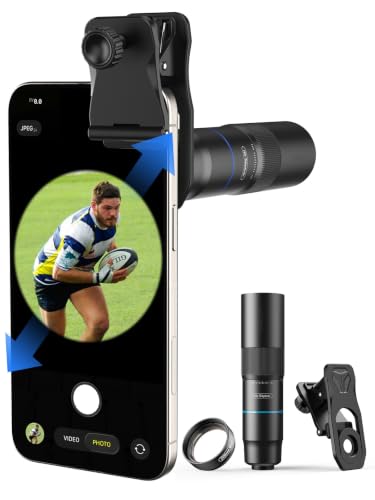
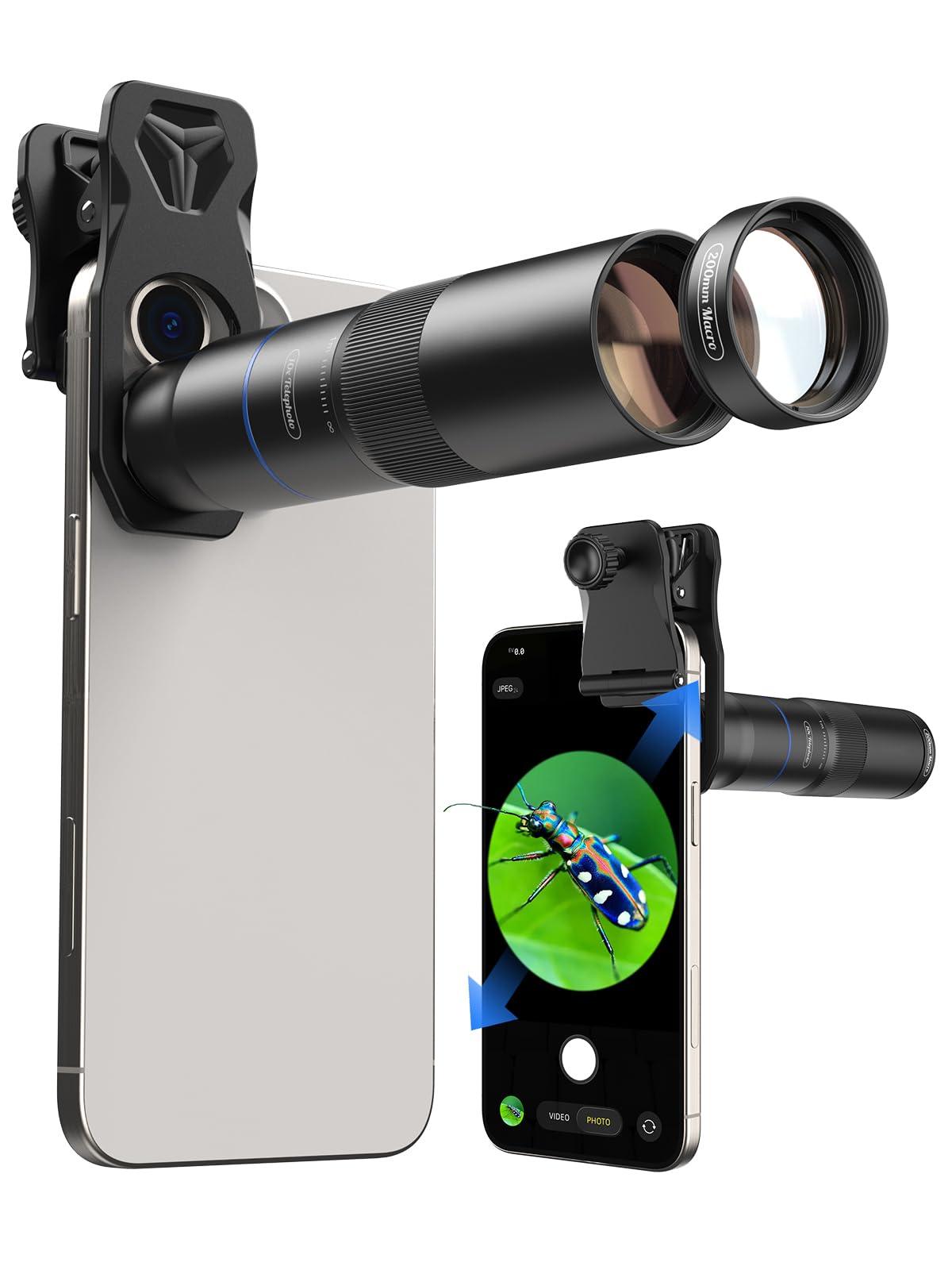
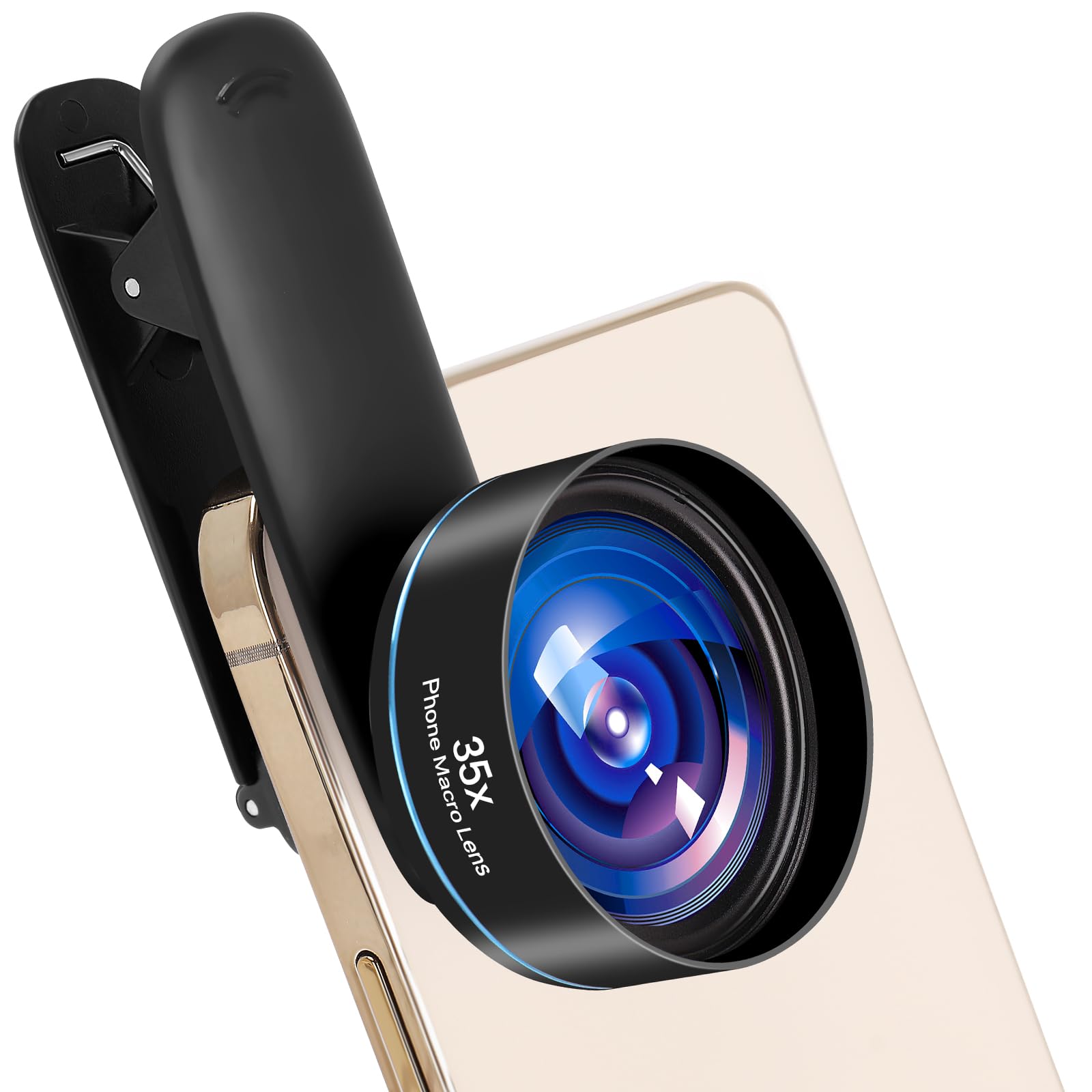
Telephoto lenses add reach, often two times the built in lens, for subjects you cannot approach. They suit stage shows, wildlife at a distance, and sports from the stands. They need steady hands or a small tripod, since shake is magnified along with the subject. Macro lenses focus very close, often within a few centimetres, for flowers, insects, jewellery, and textures.
Fisheye lenses create a strong curved, circular look that suits playful creative shots but not everyday photos. Anamorphic lenses widen the frame for a cinematic look in video. Start with wide angle or macro, since those two cover the most everyday situations, and add a telephoto only if you often shoot distant subjects.
Mounts and Compatibility
Clip mounts grip the phone over the camera lens and suit almost any Android phone, but they can slip and may not align perfectly with every camera position. Phones with several rear cameras need care: the clip must sit over the main camera, and some clips block a second lens. Check your phone camera layout before you order.
Case mounted systems use a dedicated phone case with a bayonet or screw mount. They align perfectly and feel secure, but they only fit the exact phone model the case was made for, and a new phone means a new case. Universal screw mounts with a small adapter ring offer a middle path. Whatever mount you choose, remove the lens when you pocket the phone to avoid scratches and pressure on the camera glass.
Judging Image Quality
Glass quality decides most of the result. Multi coated glass elements reduce flare and keep colours natural, while cheap plastic elements soften detail and add colour fringes. Read sample photos taken with your phone model if you can find them, and look at the corners of the frame, where cheap lenses fail first.
Shoot in good light for the best results, since add on lenses cut some light and phone sensors already struggle in dim rooms. Clean the lens before each use, since a fingerprint on a tiny lens ruins a whole shot. Keep expectations realistic: a clip on lens adds creative range, but it will not match a dedicated camera lens for sharpness.
A Final Check Before You Order
Before you order, identify your phone exact model and camera layout, since clip alignment decides most of the result. Phones with several rear cameras place the main lens in different spots, and a clip that sits slightly off centre will blur one side of every photo. Check maker compatibility lists and buyer photos taken with your phone model, since generic claims of universal fit hide real alignment problems.
Compare glass quality honestly by reading sample photos at full size, looking especially at the corners and edges where cheap lenses fail first. Multi coated glass elements reduce flare and keep colours natural, while uncoated plastic elements soften detail and add colour fringes in bright light. A slightly pricier glass lens usually beats a cheap multi lens kit you will never use.
Finally, check what the kit includes beyond the lens itself: a pouch, a cleaning cloth, lens caps, and a clip that will not scratch your phone. A kit without caps leaves glass exposed in your pocket, and a clip without padding can mark your case or camera surround. Buy from a seller with a return policy, since fit and quality are hard to judge from listings alone.
Getting the Most From Your Choice
Once your lens arrives, practice with it in good light before an important trip, learning how close the macro lens focuses, how much the wide lens distorts edges, and how steady you must hold a telephoto lens. Shoot the same scene with and without the lens to learn exactly what it adds, and keep your favourite test shots for reference when you judge later results.
Build a small carry habit: lens in its pouch, cloth in the same pocket, clip attached only when shooting. Leaving a clip on in your pocket risks scratches and pressure on the camera glass, while a loose lens in a bag collects dust and scratches. A tiny pouch on a lanyard or in a jacket pocket keeps the lens ready without bulk.
Clean the lens before each use with a microfibre cloth, since a fingerprint on a tiny element ruins a whole shot. Avoid harsh cleaners and paper tissues, which can scratch coatings over time. If photos suddenly look hazy, check for condensation after moving between cold and warm air, and let the lens acclimatise before shooting important scenes.
Related Buying Guides
If you want to compare a closely related option, our guide to best camera lens for phones covers the details that matter for that choice, so you can weigh it against the advice in this guide before you decide.
If you want to compare a closely related option, our guide to best android phones with good camera covers the details that matter for that choice, so you can weigh it against the advice in this guide before you decide.
If you want to compare a closely related option, our guide to best camera app for android phones covers the details that matter for that choice, so you can weigh it against the advice in this guide before you decide.
If you want to compare a closely related option, our guide to best lens kit for android phones covers the details that matter for that choice, so you can weigh it against the advice in this guide before you decide.
If you want to compare a closely related option, our guide to best phones with good camera quality covers the details that matter for that choice, so you can weigh it against the advice in this guide before you decide.
Frequently Asked Questions
Do clip on phone lenses really improve photos?
Clip on lenses add creative range rather than pure image quality. A wide angle lens fits more scene into the frame, a macro lens focuses much closer, and a telephoto lens adds reach. They can soften edges and darken corners, especially cheap ones, so the gain is versatility, not sharpness. If you want new kinds of shots without carrying a separate camera, they are worth it, while good light and steady hands matter more if you want sharper photos.
Will a phone lens fit my Android phone?
Clip mounts fit most Android phones, since they grip over the camera area, but phones with several rear cameras need care to align the clip over the main camera. Case mounted systems fit only the exact phone model they were made for. Check your phone camera layout, measure the camera bump if the maker gives a limit, and buy from a seller with a clear return policy so you can test the fit at home.
Which phone lens type should I buy first?
Start with a wide angle or macro lens, since those cover the most everyday situations. Wide angle suits landscapes, interiors, and group shots in tight spaces. Macro suits flowers, food, crafts, and small details. Add a telephoto lens only if you often shoot distant subjects such as stages or wildlife, and leave a fisheye lens until later since it suits creative shots rather than everyday photos.
Why do my phone lens photos look soft at the edges?
Soft edges usually come from cheap lens elements, poor alignment over the phone camera, or a dirty lens. Centre the clip carefully over the main camera, clean the glass before each shot, and shoot in good light. Even good add on lenses soften corners more than a dedicated camera lens, so keep your main subject near the centre of the frame. If softness covers the whole frame, the lens may be misaligned or damaged.
How do I care for phone camera lenses?
Carry lenses in a pouch with separate slots so glass cannot rub together, and keep a microfibre cloth with them for cleaning. Remove the lens before pocketing your phone to avoid scratches and pressure on the camera glass. Avoid heat, such as a hot car dashboard, which can loosen mounts. Check the clip padding regularly, since worn padding can scratch your phone case or camera surround.
Final Thoughts
Choosing the best camera lens for android phones is about matching the lens to the shots you actually take. Wide angle and macro lenses cover most everyday creativity, telephoto helps at a distance, and a good mount matters as much as the glass. The product table above can help you compare lens types side by side. Buy one good lens, learn it well, and add more only when you know what your shooting is missing.


