
Best Calcium Tablets for Knee Pain: 2026 Buying Guide
Disclosure: We may earn a commission when you buy through links on this page, at no extra cost to you. As an Amazon Associate I earn from qualifying purchases. Learn more

Shopping for calcium tablets for knee pain? Learn how to read labels, compare tablet forms, check interactions, and talk with your clinician first.
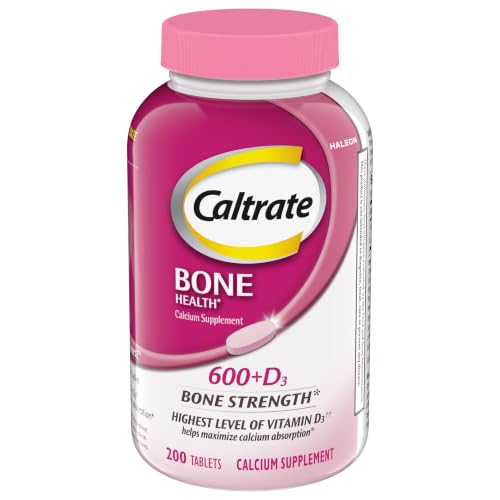
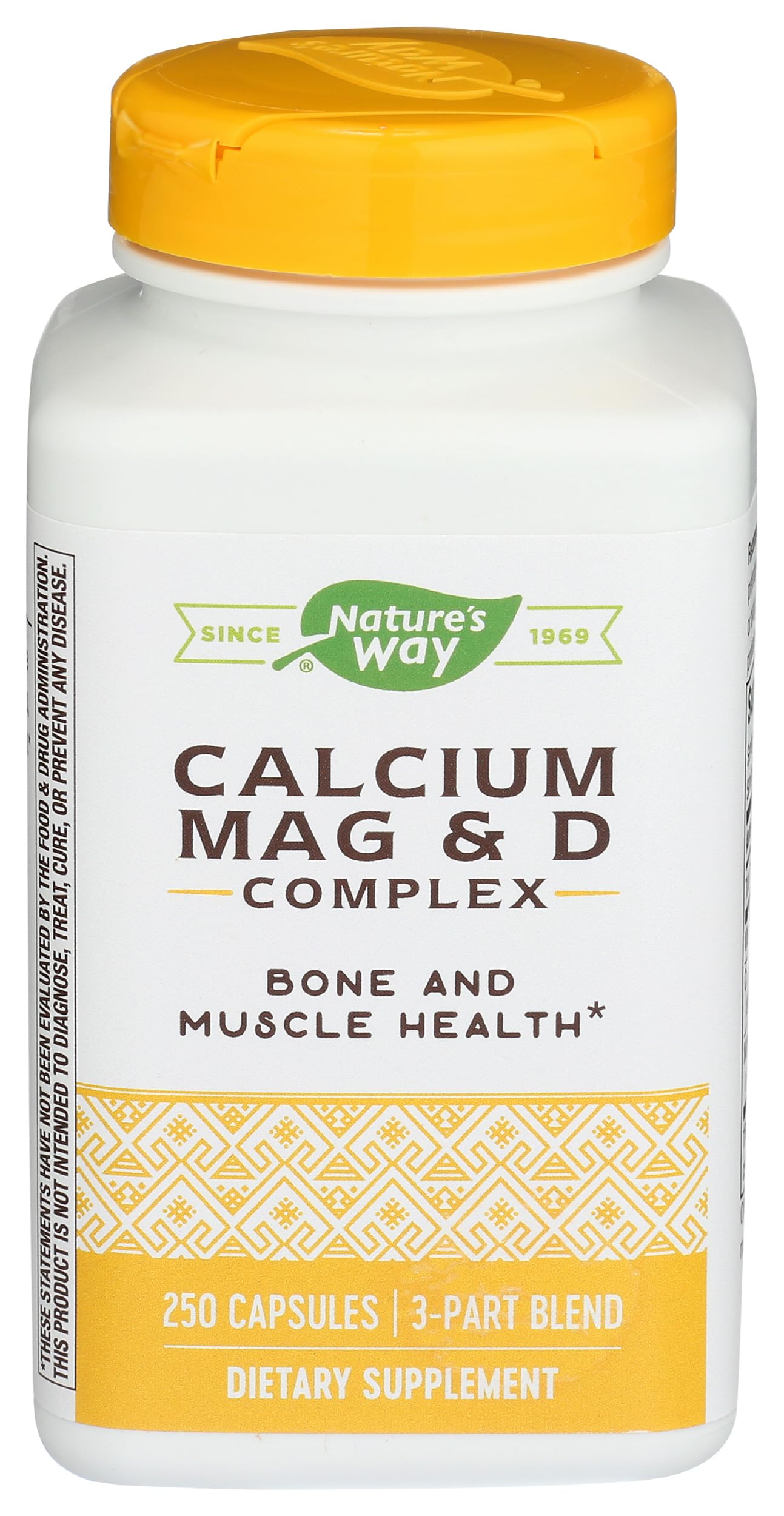
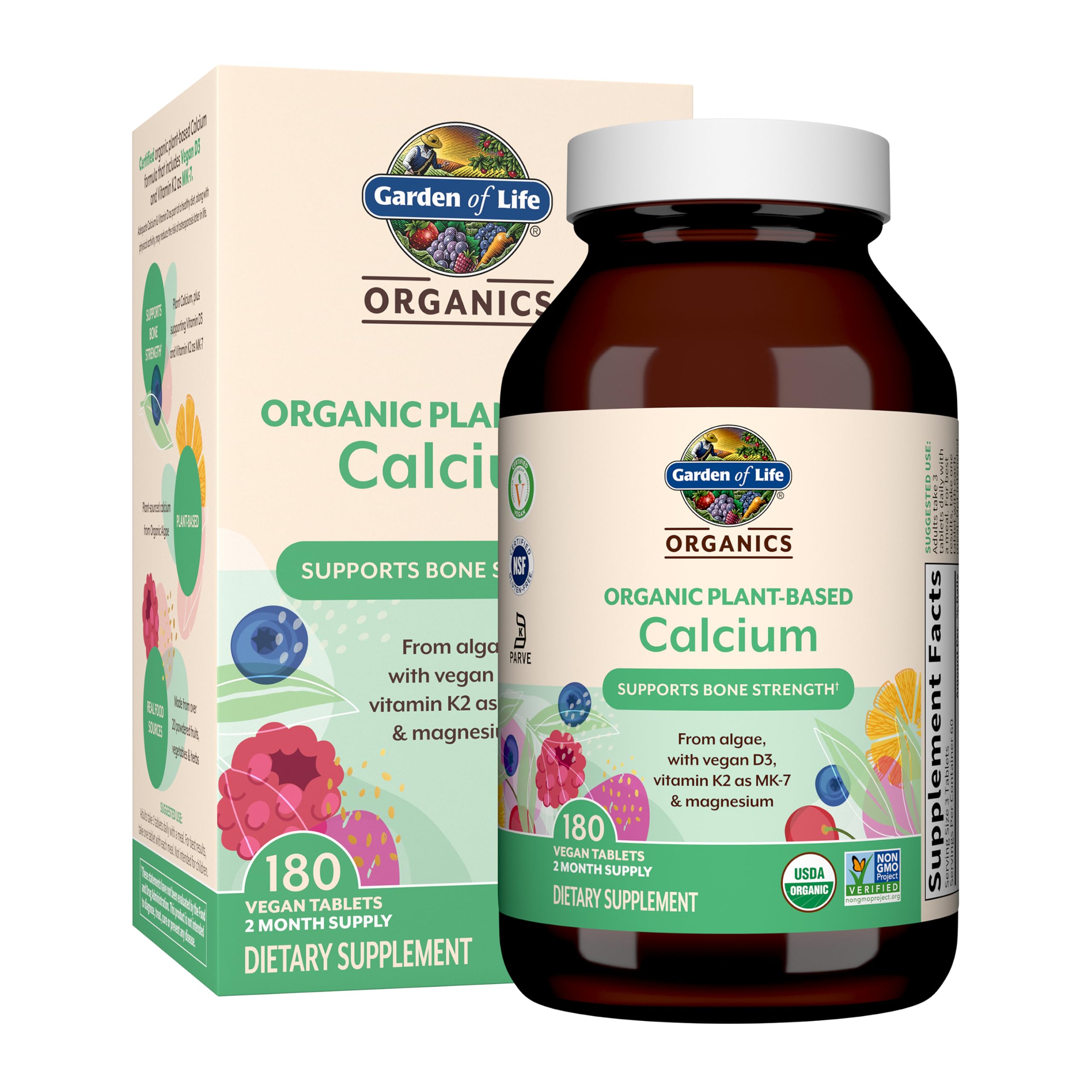
If you are looking at best calcium tablets for knee pain, it helps to start with what calcium can and cannot do. Calcium supports bone strength, and bones form the frame that your knees rely on every day. This guide explains how to compare products on the label, what to ask your clinician, and which details matter most when you shop. The comparison table below brings the main choices together in one place.
Knee discomfort has many possible causes, from overuse and old injuries to joint wear and muscle weakness around the knee. A tablet cannot fix a torn ligament or replace strength training, physical therapy, or medical care. What a careful shopper can do is choose a well made product, check that it fits with other medicines and supplements, and use it only as part of a broader plan agreed with a clinician. Talk with your clinician or pharmacist before you start any new supplement, especially if you take prescription medicines.





Who Should Consider Calcium Tablets
Adults who do not get enough calcium from food are the main group who consider a supplement. Dairy foods, fortified plant drinks, leafy greens, almonds, and canned sardines with soft bones all supply calcium. If your diet rarely includes these foods, a supplement may help fill the gap, but only your clinician can judge whether you need one.
Older adults, people with limited sun exposure, and people who avoid dairy for allergy or personal reasons often ask about calcium first. Postmenopausal women are another group who frequently discuss bone health with their doctors. Age alone is not a reason to take a high dose, and more calcium is not always better. Excess calcium can cause constipation, kidney stones, and interference with other medicines.
Key Features to Compare on the Label
Calcium carbonate and calcium citrate are the two forms you will see most often. Carbonate usually packs more calcium per tablet and costs less, but it is best taken with food. Citrate is absorbed well with or without food and is often suggested for people with low stomach acid or those who take acid reducing medicines. Check the elemental calcium amount, not just the total compound weight, since that is the number that counts toward your daily intake.
Vitamin D is often paired with calcium because it helps the body absorb calcium. Some tablets also add magnesium or vitamin K, but extra ingredients are not automatically better. Look for a product that states the elemental calcium per tablet, the serving size, and clear directions. Third party testing seals from independent labs add confidence that the tablet contains what the label claims.
Tablet size and form matter for daily use. Large tablets can be hard to swallow, so chewable tablets, smaller tablets taken twice a day, or powdered forms may suit you better. If you need a large daily amount, splitting it into two smaller doses with meals usually absorbs better than one very large dose.
Interactions and Safety Checks
Calcium can interact with several common medicines, including thyroid medicines, some antibiotics, and certain blood pressure and bone medicines. The usual advice is to separate calcium from these medicines by several hours, but the exact gap depends on the medicine, so ask your pharmacist for your own schedule. Bring a full list of medicines and supplements to that conversation.
Warning signs that need prompt medical care include severe knee pain after an injury, a knee that locks or gives way, visible deformity, fever with a hot swollen joint, or pain that rapidly worsens. Persistent knee pain that limits walking, stairs, or sleep also deserves a clinician visit rather than a supplement trial. A clinician can check for arthritis, injury, infection, or other causes that need different treatment.
Living With Your Choice
Once you and your clinician agree on a product, build a simple routine around it. Keep the bottle where you take meals if the label says to take it with food, and track doses so you do not double up. Store tablets in a cool dry place and check the expiry date. If you notice constipation, stomach upset, or new symptoms after starting, contact your clinician rather than raising the dose on your own.
Pair the supplement with habits that support knee health: gentle strengthening for the thigh and hip muscles, keeping a healthy weight, wearing supportive shoes, and avoiding long periods of sitting with bent knees. Low impact activity such as walking, cycling, and swimming keeps joints moving without heavy pounding. These habits matter more for daily comfort than any single tablet.
A Final Check Before You Order
Before you order, compare the elemental calcium per tablet across the products you are considering, since two bottles that look similar can differ greatly in real calcium content. A bottle that lists 1250 mg of calcium carbonate contains only about 500 mg of elemental calcium, so the serving size and tablet count matter more than the headline number. Check how many tablets make one serving, and work out the true daily cost from that serving, not from the bottle count alone.
Read the full ingredient list for added sugars, artificial colours, and allergens, especially if you avoid gluten, dairy, or soy. Some chewable tablets add sugar that matters for dental health and blood sugar, while some gummy forms add sugar and deliver less calcium per piece. If you take other supplements, add up calcium from every source, since multivitamins and fortified foods already contribute to your daily total.
Finally, confirm the return policy and expiry date, and buy from a seller that stores supplements properly rather than a bargain listing with no track record. A product that arrives close to expiry or stored in heat may lose quality before you finish the bottle. Keep your clinician note about dose and timing with the bottle, so anyone helping with your medicines can see the plan at a glance.
Getting the Most From Your Choice
A supplement works best inside a routine you can keep for months, so link it to a meal you never skip if the label says to take it with food. Calcium carbonate absorbs better with food, while citrate suits either timing, so match the form to your real meal pattern rather than an ideal one. If you travel often, a small pill organiser keeps doses on track, but keep the original label with it for reference.
Track how you feel in a simple notebook for the first month, noting knee comfort, digestion, and any new symptoms, and share that note with your clinician at your next visit. A supplement that causes constipation or stomach upset may need a different form, a split dose, or a pause, and your clinician can judge that from your notes far better than from memory alone.
Remember that bone health also depends on vitamin D from sunlight and food, on weight bearing activity, and on not smoking, so a tablet alone cannot carry the whole plan. Gentle walks, stair climbing, and light resistance work support bones and the muscles around your knees. If knee pain persists or worsens despite a steady routine, return to your clinician promptly rather than increasing the dose on your own.
Related Buying Guides
For related reading, see the guides to best tablets for knee joint pain, best calcium tablets for joint pain, best calcium tablets for back pain, best calcium tablets, and best calcium tablets for ladies. Each covers a neighboring choice in more detail.
Frequently Asked Questions
Can calcium tablets cure knee pain?
No, calcium tablets cannot cure knee pain on their own. Calcium supports bone strength, which matters for the frame around the knee, but most knee pain comes from cartilage, ligaments, tendons, muscles, or inflammation. A supplement may help only if low calcium intake is part of the picture. Strength, weight, footwear, and medical treatment for the underlying cause usually matter more, so talk with your clinician about the cause of your pain before you rely on a tablet.
How much calcium do adults need each day?
Most adults need about 1000 mg of calcium per day from food and supplements combined, and older adults often need about 1200 mg. Your clinician can confirm the right target for you, since needs vary with age, sex, and health conditions. Food should supply as much as possible, and a supplement should fill only the gap. Taking far more than the recommended amount raises the risk of kidney stones and constipation without adding benefit.
Should I choose calcium carbonate or calcium citrate?
Calcium carbonate usually costs less and packs more elemental calcium per tablet, but it works best when taken with food. Calcium citrate absorbs well with or without food and is often a better fit for people with low stomach acid or those taking acid reducing medicines. Check the elemental calcium per tablet on the label either way. If you struggle to swallow large tablets, a smaller citrate tablet taken twice a day may be easier to keep up with.
Can calcium tablets interact with my medicines?
Yes, calcium can interact with thyroid medicines, some antibiotics, and certain bone and blood pressure medicines. The usual approach is to separate calcium from those medicines by several hours, but the exact gap depends on the medicine you take. Ask your pharmacist to review your full medicine list and set your timing. Never stop a prescription medicine to make room for a supplement, and tell every clinician you see about all supplements you use.
When should I see a doctor about knee pain?
See a doctor promptly for severe pain after an injury, a knee that locks or gives way, visible deformity, fever with a hot swollen joint, or pain that rapidly worsens. Also book a visit if pain limits walking, stairs, or sleep for more than a few weeks, or if swelling keeps returning. A clinician can check for arthritis, injury, or infection and arrange imaging or physical therapy. A supplement is not a substitute for that assessment.
Final Thoughts
Choosing best calcium tablets for knee pain comes down to the label, your diet, your medicines, and your clinician advice. Compare elemental calcium, pick a form you can take consistently, and check interactions before you buy. The product table above can help you compare options side by side. Keep the rest of the plan in view too: strength, movement, weight, and proper medical care for the cause of your pain, and if anything about your knee worries you, talk with your clinician before you start a supplement.


