
Best Calcium Tablets for Joint Pain: Every Type Explained Side by Side for 2026
Disclosure: We may earn a commission when you buy through links on this page, at no extra cost to you. As an Amazon Associate I earn from qualifying purchases. Learn more

Compare the best calcium tablets for joint pain by type, elemental dose, and companion nutrients, with honest limits, safety notes, and a choosing checklist.
Achy knees, stiff fingers, and sore hips send many people shopping for bone and joint supplements, and the shelf offers a confusing mix of forms and formulas. Choosing the best calcium tablets for joint pain starts with understanding what calcium can and cannot do for joints, then comparing each type on dose, tolerance, and price. This guide explains every major type side by side so the choice becomes straightforward.
One honest note shapes everything below. Joint pain usually comes from cartilage wear, inflammation, injury, or conditions such as osteoarthritis and gout, and calcium does not treat any of those directly. Calcium supports the bone that underlies the joint, which still matters. Use the comparison table below to compare types, and treat persistent joint pain as a reason to see a clinician, not just a supplement aisle.
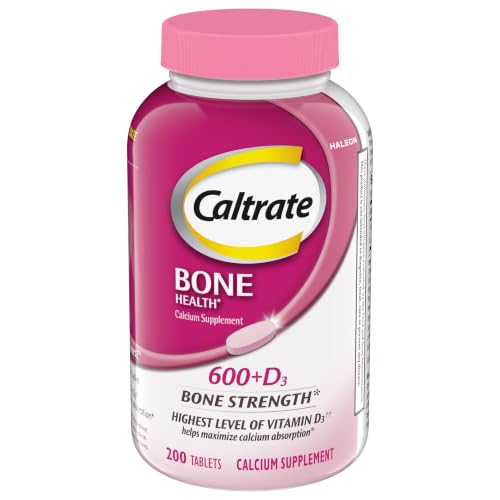


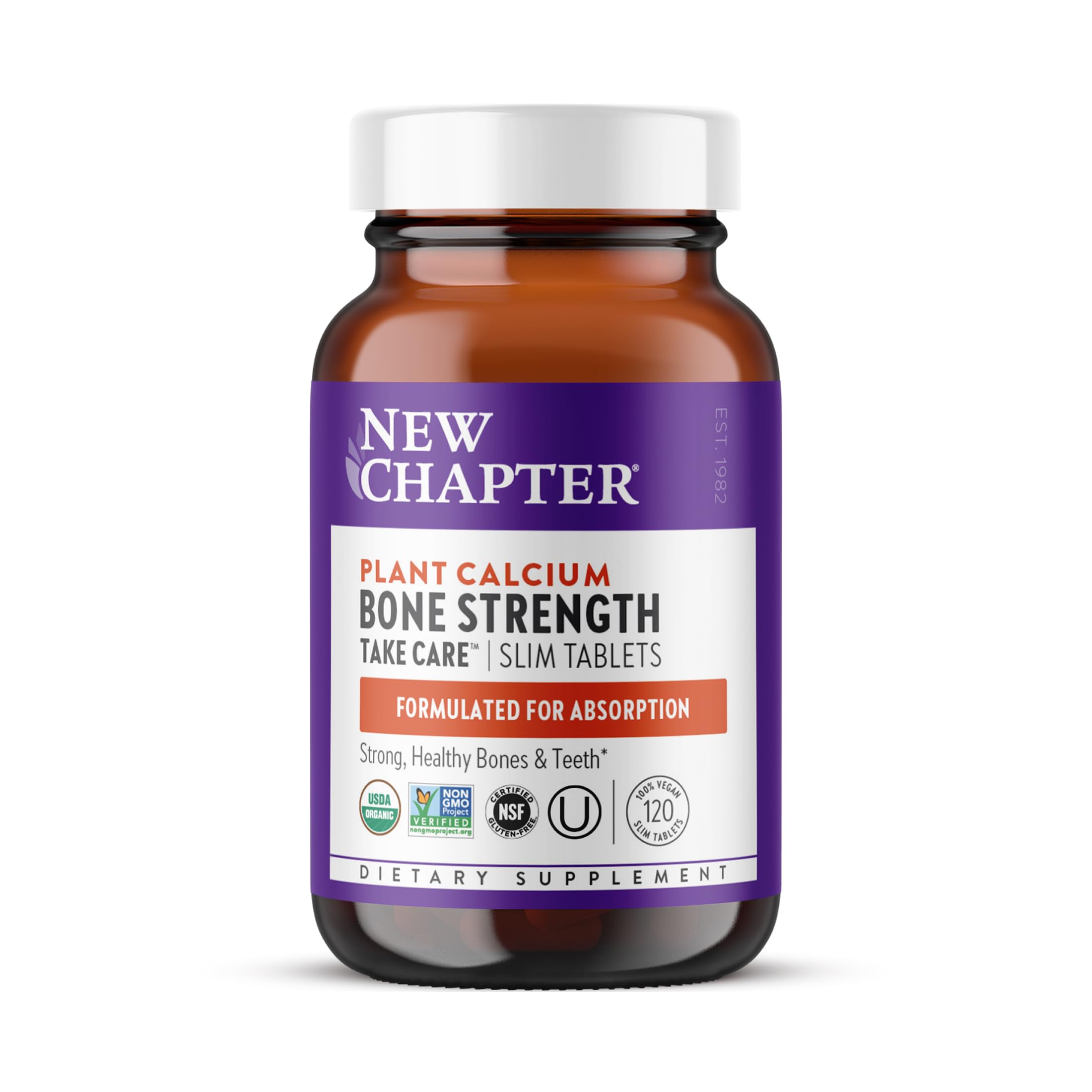
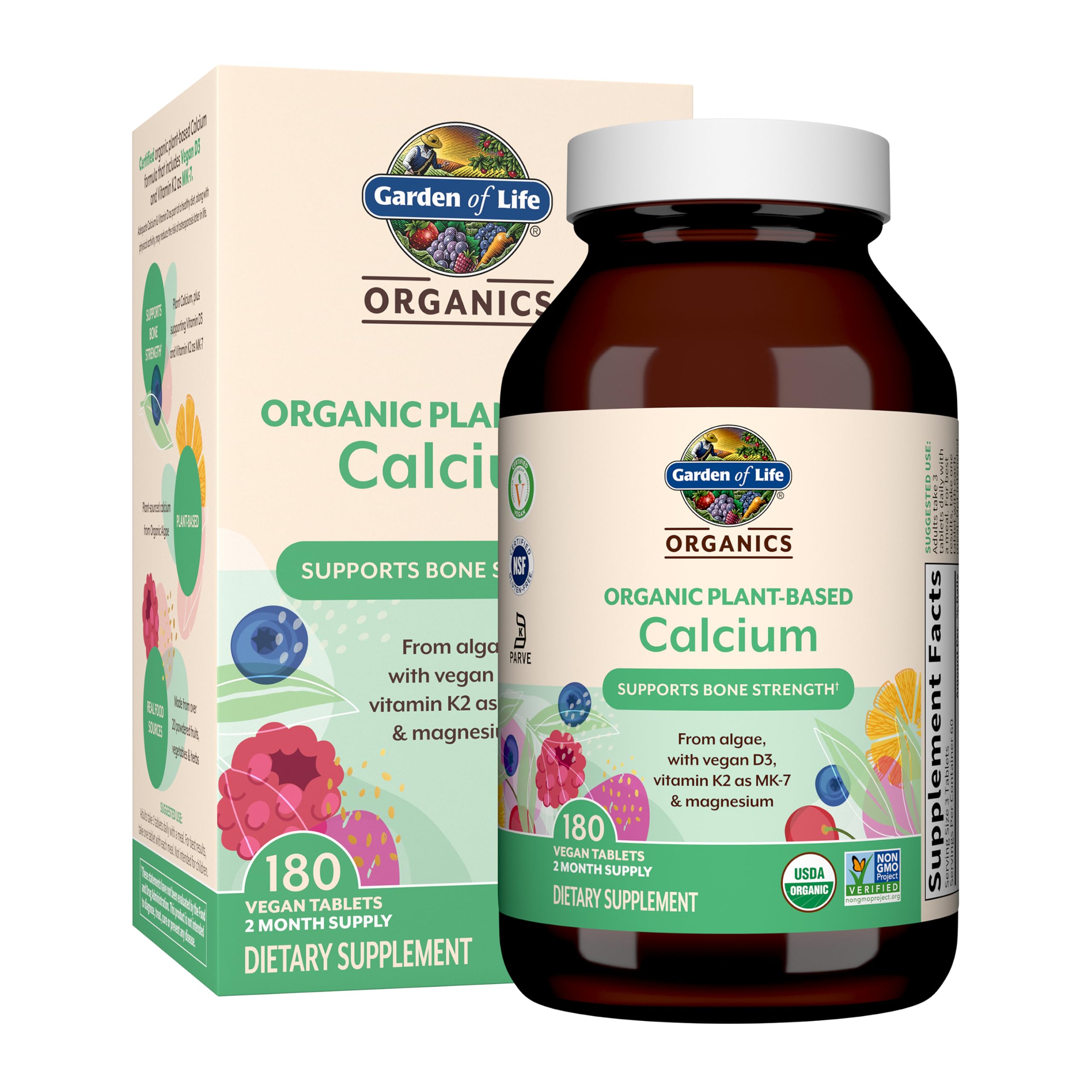


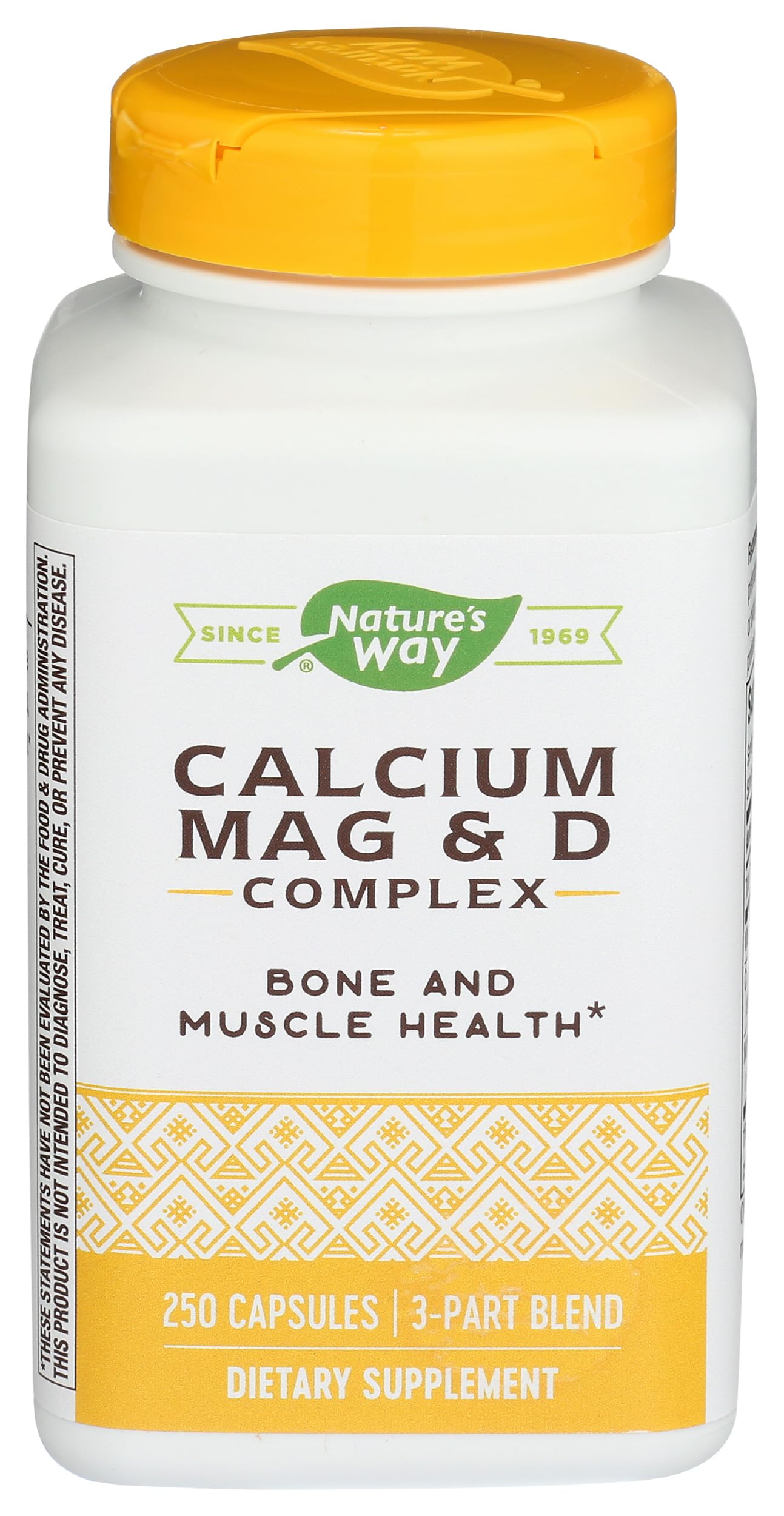
How Calcium Tablets Compare to Other Options
All of the options below deliver calcium, but they differ in elemental content, digestive comfort, and what else they bring for joint adjacent health. Plain tablets cost around $8 to $20, while combination formulas with vitamin D, magnesium, or vitamin K typically run about $20 to $35. The three comparisons that follow cover the decisions most buyers actually face.
Calcium Carbonate vs Calcium Citrate for Daily Joint Routines
Calcium carbonate packs about 40 percent elemental calcium, so the daily routine stays small and cheap. It absorbs best with meals, which suits people who already take medicines at breakfast and dinner. Its main drawback, constipation and bloating, hits harder in less active adults whose joints already limit movement.
Calcium citrate carries about 21 percent elemental calcium and absorbs well at any time, with or without food. It is the gentler choice for older adults, for anyone on acid reducing medicine, and for stomachs that rebel against carbonate. For a routine meant to run for years, that comfort advantage often outweighs the extra tablets.
Calcium Tablets vs Calcium Plus Vitamin D and K Formulas
Plain calcium covers one nutrient. Formulas that add vitamin D address the absorption step itself, which matters because vitamin D deficiency is common in adults who spend little time outdoors, a group that overlaps heavily with people whose joint pain limits walking. Vitamin K and magnesium appear in pricier blends and play supporting roles in bone metabolism.
The risk of combination products is duplication. If you already take a multivitamin, adding a full bone formula can push several nutrients past sensible totals. Compare labels side by side before buying, and prefer the simpler product when your existing routine already covers vitamin D. Joint specific products are a separate category again, and our guide to the best tablets for joint pain explains how they differ from bone support tablets.
Calcium Tablets vs Glucosamine Style Joint Products
These two categories answer different questions, and confusing them wastes money. Glucosamine and similar joint products target cartilage and comfort, though evidence for them is mixed. Calcium targets bone strength beneath the joint. A person with thinning bones and achy knees may reasonably discuss both with a clinician, but neither substitutes for the other.
If your pain is the main problem and your bone density is normal, calcium alone is unlikely to change how your joints feel. If a scan shows low bone density, calcium becomes genuinely relevant even though the pain relief you hoped for may not follow. Knowing which problem you are treating is the most valuable step in this whole guide. For knee focused symptoms, our guide to the best tablets for knee joint pain goes deeper on that specific joint.
Who Should Choose Calcium Tablets?
Calcium tablets suit adults with joint aches alongside confirmed low bone density, low dietary calcium, or osteoporosis risk factors such as early menopause, long term steroid use, or a parent who fractured a hip. In that group, protecting the bone around the joint is a legitimate long term goal, and a daily tablet is a reasonable tool for it.
They are a weak choice when pain is the only issue and bone health is fine, or when pain is sudden, hot, swollen, or follows an injury. A joint that is red, swollen, and feverish, pain after a fall, or a joint that locks or gives way needs medical assessment promptly. Muscle aches that travel with joint pain suggest a different category again, covered in our guide to the best tablets for muscle and joint pain.
How to Choose the Right Calcium Tablet
Read the Elemental Calcium Line First
Only elemental calcium counts toward your daily total, and it is often much lower than the big number on the front of the bottle. Most adults need about 1,000 to 1,200 mg per day from food and supplements together. Add up a typical day of food first, then size the tablet to the gap. This single habit prevents the most common buying mistake in the category, paying for an impressive sounding tablet that delivers very little.
Features That Matter for Joint Pain
For buyers with joint pain, the practical features are vitamin D pairing, easy grip and easy open packaging, and a dose you can split across the day. Stiff or arthritic hands struggle with child resistant caps and tiny tablets, so packaging is not a trivial detail. Servings near 500 mg of elemental calcium absorb best and reduce constipation, which matters when pain already limits the movement that keeps digestion regular.
Form, Timing, and Stomach Comfort
Carbonate belongs with meals, while citrate can ride along with your existing medicine times whenever they fall. If you take a morning pain reliever on an empty stomach, citrate fits that routine without planning breakfast first. Chewables help anyone who finds large tablets hard to swallow. Whichever form you choose, give it two to three weeks before judging comfort, because mild digestive effects often settle as the routine stabilizes.
Dose Splitting and Daily Routine Design
Absorption falls once a serving passes about 500 mg of elemental calcium, so two smaller doses beat one large one. Build the routine around anchors you never miss, such as morning coffee and the evening news, rather than clock times you have to remember. A weekly pill organizer helps here, and it doubles as a visual check on whether doses are actually being taken during busy or painful weeks.
Interactions and Label Checks
Calcium can reduce absorption of iron, some antibiotics, thyroid medicine, and bisphosphonates, so separate it from those by two to four hours unless your pharmacist advises otherwise. Look for independent testing marks and short ingredient lists, and be wary of joint formulas that hide doses inside proprietary blends. If back pain is part of your picture too, our guide to the best calcium tablets for back pain covers the spine specific reasoning.
Care and Maintenance Tips
Store tablets in a cool, dry place in their original container, and write the date you opened the bottle on the label. Check expiry dates on large bottles before buying, since a joint routine may pause during flare ups or travel. Keep a simple note of dose, form, and any stomach effects for your next clinician visit. That small record makes it far easier to adjust the plan intelligently instead of starting over each time.
FAQs
What features matter most in calcium tablets for joint pain?
Elemental dose per serving, vitamin D content, and packaging you can open with stiff hands matter most. Calcium supports the bone under the joint rather than the cartilage itself, so set expectations accordingly. If a bone density scan shows healthy bones, ask your clinician what actually targets your pain before spending on calcium at all.
Can calcium tablets reduce joint pain directly?
No, calcium does not directly reduce joint pain. Pain from osteoarthritis, gout, or inflammation responds to other treatments, from exercise and weight management to specific medicines your clinician may suggest. Calcium earns its place when bone density is low. Expecting pain relief from it alone usually leads to disappointment and delayed proper care.
How long should I take calcium before judging the routine?
Judge comfort and consistency after a few weeks, but judge bone value over a year or more, since density changes slowly and scans are usually repeated at long intervals. Keep the routine only if your diet still falls short and your clinician agrees it fits your risk profile. An annual review at a regular checkup keeps the habit honest.
Is calcium citrate or carbonate better for older adults with joint pain?
Citrate is usually better for older adults because stomach acid tends to fall with age and many take acid reducing medicine, both of which hinder carbonate absorption. Citrate also tends to cause less constipation, a real quality of life issue when sore joints limit walking. Carbonate remains fine if digestion is robust and meals are regular.
When should joint pain be checked by a doctor instead?
See a doctor when a joint is swollen, red, hot, or feverish, when pain follows an injury, when a joint locks, gives way, or will not bear weight, or when stiffness lasts well beyond half an hour each morning. Those signs can point to infection, fracture, gout, or inflammatory arthritis, all of which need treatment a supplement cannot provide.
Wrapping Up
Choose by elemental dose, form, and vitamin D pairing, and keep your expectations honest: calcium protects bone, while joint pain itself needs its own diagnosis and plan. Citrate suits most older adults and sensitive stomachs, while carbonate with meals suits healthy digestion and tight budgets. Selected that way, the best calcium tablets for joint pain play a useful supporting role. Compare options in the product table above, and talk with your clinician about your personal joint and bone health needs.


