
Best Calcium Tablets for Back Pain: Every Type Explained Side by Side for 2026
Disclosure: We may earn a commission when you buy through links on this page, at no extra cost to you. As an Amazon Associate I earn from qualifying purchases. Learn more

Compare the best calcium tablets for back pain by form, elemental dose, and vitamin D pairing, with a clear checklist for choosing safely and sensibly.
Back pain has many causes, and calcium only helps when weak bones are part of the picture. If your diet falls short and your clinician suspects low bone density, choosing the best calcium tablets for back pain means comparing forms, doses, and companion nutrients rather than grabbing the biggest bottle. This guide lines up each type side by side so you can see who it suits and where it falls short.
One caution comes first. Calcium supports bone strength over time, but it does not treat a strained muscle, a slipped disc, or nerve pain. Use the comparison table below to shortlist a type, then confirm with your clinician that a supplement fits your situation before you buy.

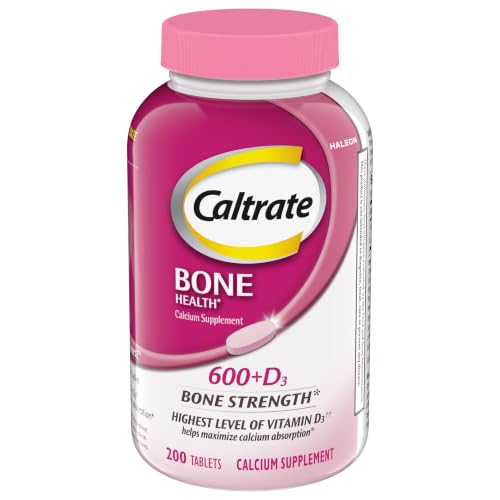


How Calcium Tablets Compare to Other Options
All calcium tablets share one job, delivering elemental calcium your body can absorb. They differ in how much elemental calcium each tablet carries, whether they need food or stomach acid to work well, and which extra nutrients ride along. Price also varies, from around $8 for plain store brand carbonate to about $30 for formulas that add several companion nutrients. The three comparisons below cover the choices you will meet most often.
Calcium Carbonate vs Calcium Citrate
Calcium carbonate carries the most elemental calcium per tablet, about 40 percent, so you usually take fewer tablets each day. It costs the least and absorbs best with food, because stomach acid helps break it down. That makes it a sensible default if you eat regular meals and have normal digestion.
Calcium citrate carries about 21 percent elemental calcium, so tablets are larger or more frequent. In return, it absorbs well with or without food and is gentler for people with low stomach acid, reflux treatment, or a sensitive stomach. If you take acid reducing medicine, citrate is usually the easier fit.
Calcium Tablets vs Calcium From Food
Food remains the preferred source because dairy, fortified plant drinks, leafy greens, and canned fish with soft bones bring protein, phosphorus, and other nutrients along with calcium. A cup of milk or fortified alternative gives roughly 300 mg, and spreading intake across meals improves absorption. Food also carries no risk of a large single dose overwhelming the gut.
Tablets earn their place when appetite is small, dairy does not suit you, or a clinician has measured a clear gap between intake and need. Think of them as topping up a food first plan, not replacing it. If your meals already reach the daily target, extra tablets add cost and side effects without extra benefit.
Calcium Tablets vs Combination Formulas With Vitamin D and Magnesium
Plain calcium does one narrow job. Combination formulas add vitamin D, which your body needs to absorb calcium at all, and often magnesium and vitamin K. If your vitamin D level is low, a plain tablet can disappoint simply because absorption is poor, and a combination formula fixes that gap in one step.
The trade off is control. Fixed combinations may give you nutrients you already get from a multivitamin, which can push totals higher than intended. Read the full label, add up what your other supplements provide, and choose the simpler product when your vitamin D is already covered. More ingredients are not automatically better.
Who Should Choose Calcium Tablets?
Calcium tablets suit adults whose back pain sits alongside confirmed low bone density, a diet low in calcium rich foods, or risk factors such as long term steroid use, early menopause, or a family history of osteoporosis. In those cases, steady calcium intake is one part of protecting the spine over the long term, alongside exercise and medical follow up.
They are a poor fit when back pain is new, severe, or clearly mechanical, such as pain after lifting or an injury. Sudden pain, pain after a fall, numbness in the legs, fever, unexplained weight loss, or changes in bladder or bowel control are warning signs that need prompt medical care, not a supplement. If that sounds like you, see a doctor first. Our guide to the best tablets for back pain explains how pain focused options differ from bone support supplements.
How to Choose the Right Calcium Tablet
Start With Elemental Calcium, Not Tablet Size
Labels list both the compound weight and the elemental calcium, and only the elemental figure counts toward your daily total. A large 1,250 mg carbonate tablet may deliver 500 mg of elemental calcium, while a similar sized citrate tablet delivers about half that. Most adults need about 1,000 to 1,200 mg per day from food and supplements combined, so calculate the gap your diet leaves before choosing a strength. Buying by elemental content stops you paying for filler weight.
Split Doses for Better Absorption
Your body absorbs calcium best in amounts of about 500 mg of elemental calcium or less at one time. A single giant tablet wastes part of the dose and often causes bloating or constipation. Choose a product that lets you split intake across breakfast and dinner, and take carbonate with those meals. A simple habit helps here: keep the bottle beside something you use at mealtimes, because a supplement only works on the days you actually take it.
Dose Form and Ease of Swallowing
Tablets are not the only format, and comfort decides whether a routine lasts. Standard tablets are cheapest and most concentrated. Chewables help if you dislike swallowing pills, though many add sugar. Smaller divided dose tablets suit people who gag on large pills. If swallowing is a real barrier, mention it to your clinician, because liquid and powder forms exist outside the tablet category and may serve you better than a bottle you avoid.
Features That Matter for Back Pain
For back pain linked to bone health, the features that matter are vitamin D pairing, a moderate elemental dose, and a formula you tolerate daily for months. Look for vitamin D3 on the label if your level runs low, and avoid megadose products that promise fast results, because bone changes slowly and excess calcium raises the risk of kidney stones and constipation. If your concern is broader aches, our guide to the best calcium tablets for joint pain covers how joint focused needs differ.
Label Checks and Medicine Interactions
Choose products with independent testing marks where available, and scan for added ingredients you do not need. Calcium can block absorption of iron, some antibiotics, thyroid medicine, and osteoporosis drugs, so spacing matters: a common approach is separating calcium from those medicines by two to four hours, but confirm timing with your pharmacist. If knee discomfort is also part of your picture, see our guide to the best calcium tablets for knee pain for the joint specific details.
How to Make Your Calcium Tablet Last Longer
Store tablets in a cool, dry cupboard rather than a steamy bathroom, and keep the lid closed so moisture does not soften them. Check the expiry date before buying large bottles, because a bargain size you cannot finish in time is not a bargain. Buy the quantity your daily dose will use within a few months, keep tablets in their original labeled container, and note your start date on the bottle so you can judge whether the routine is actually being followed.
FAQs
What features matter most in calcium tablets for back pain?
Elemental calcium per dose, vitamin D pairing, and tolerability matter most. Aim for about 500 mg of elemental calcium per serving so absorption stays efficient, and pick citrate if stomach acid is low. Bone support only helps back pain when low bone density contributes, so a bone density scan result should guide whether you supplement at all.
Can calcium tablets relieve back pain quickly?
No, calcium tablets do not relieve pain quickly. They support bone mineral over months, and any benefit builds slowly as intake stays consistent. Pain that needs relief today calls for a different conversation with your clinician, and our guide to the best pain relief tablets for back pain explains those options and their cautions.
How much calcium do I need each day?
Most adults need about 1,000 mg daily, rising to about 1,200 mg for women over 50 and men over 70. Count food first, then supplement only the gap. Going far above the target does not strengthen bones faster and can cause constipation or kidney stones, so more is not better here.
Should I take calcium with vitamin D?
Yes, in most cases, because vitamin D is required for calcium absorption. Many adults get limited sun exposure and little vitamin D from food, so a combined tablet is convenient. A blood test gives the clearest answer, and your clinician can tell you whether a separate higher dose vitamin D supplement is needed instead.
How long should I take a calcium tablet before judging it?
Judge the routine after about three months of consistent use, and judge bone results over a year or more. Bone density changes slowly, and repeat scans are usually spaced at least a year apart. If constipation or stomach upset persists after switching forms and splitting doses, stop and discuss alternatives with your clinician.
When is back pain a sign to skip supplements and see a doctor?
See a doctor promptly when pain follows a fall or injury, travels down the leg with numbness or weakness, comes with fever or unexplained weight loss, or affects bladder or bowel control. Those signs can point to fracture, infection, or nerve compression. Supplements have no role until a clinician has found the cause.
Our Verdict
Choose by elemental dose, form, and vitamin D pairing, and keep total intake near the daily target rather than above it. Carbonate with meals suits most budgets, while citrate suits sensitive stomachs and low stomach acid. Used that way, the best calcium tablets for back pain support the spine as part of a wider bone health plan. Compare your shortlist in the product table above, and talk with your clinician about your personal bone health needs before starting.


