
Best Calcium Tablets for Height Growth by Budget: Smart Picks for 2026
Disclosure: We may earn a commission when you buy through links on this page, at no extra cost to you. As an Amazon Associate I earn from qualifying purchases. Learn more

A price tier guide to the best calcium tablets for height growth, explaining what growing teens actually need, what each tier delivers, and what to skip.
Calcium tablets marketed around growing taller span a wide price range, from plain pharmacy bottles to premium blends with long ingredient lists. Sorting the best calcium tablets for height growth starts with one honest fact: no tablet adds inches beyond what genetics and overall nutrition allow. What adequate calcium does is remove a shortage that can hold growth back during the years when bones are still lengthening.
That distinction decides where money is well spent. This guide breaks the market into budget, midrange, and premium tiers, explains what each one realistically delivers for children, teens, and young adults, and flags the upgrades that add cost without adding value. Use the comparison table below to orient yourself, then check any plan with your pediatrician or clinician.

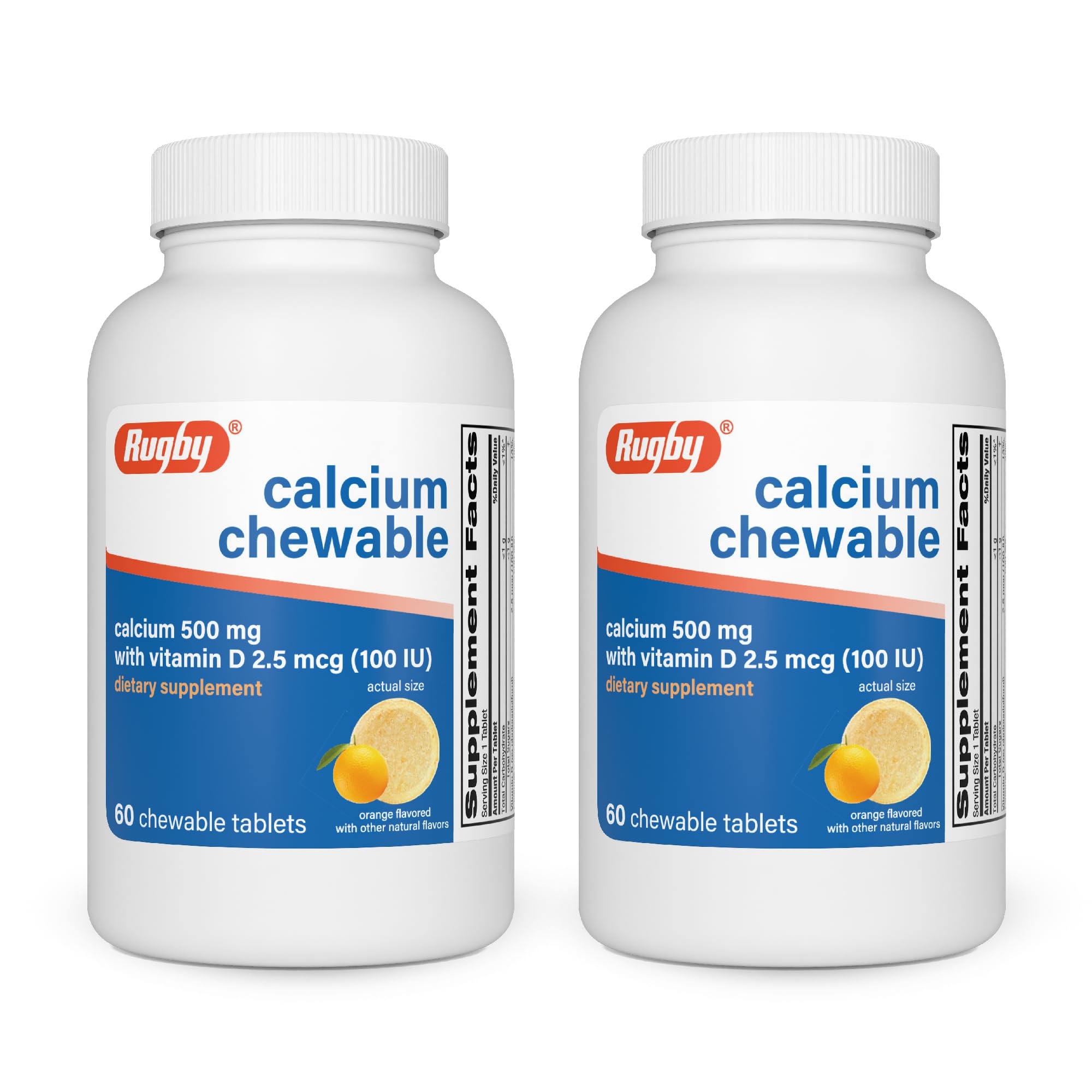
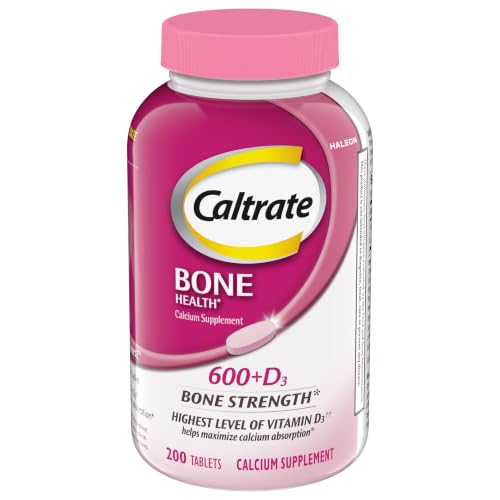


Calcium Tablet Styles by Budget
Rather than naming individual products, this section describes the style of formula each budget typically buys. Prices shift, but the pattern of what each tier includes stays fairly stable, and it is the pattern that should drive your decision.
Budget Style: Plain Single Mineral Tablets
At around $8 to $12, a budget bottle gives you calcium, usually as carbonate, and little else. For a teen who eats reasonably well and simply misses the daily target on dairy free days, that plain coverage can be enough. Expect large tablets, two per serving, and no vitamin D. The weak points are swallowing comfort for younger users and the need to handle vitamin D separately, either through food, sunlight, or a second supplement your clinician approves.
Midrange Style: Calcium With Vitamin D
At about $13 to $22, midrange formulas pair calcium with vitamin D3 and often use citrate or a blend of forms. This is the tier where labels get clearer about elemental calcium per serving and where chewable and smaller tablet formats appear, which matters for younger teens. The pairing is the real upgrade here, because vitamin D drives absorption. You pay more per bottle, but you remove the most common reason a calcium routine underdelivers.
Premium Style: Growth Marketed Blends
At about $23 to $40, premium products aimed at growth add magnesium, zinc, vitamin K, and sometimes herbal ingredients, wrapped in taller promises. The extra minerals have genuine roles in bone health at normal dietary levels, but a teen eating varied meals may already cover them. Treat the marketing with skepticism: no blend overrides genetics, sleep, or total calorie and protein intake. Buy this tier only for a specific gap a clinician has identified, not for the promise on the front of the bottle.
What Your Money Gets You at Each Price Tier
Budget Tier: What to Expect
Budget tablets cover the mineral gap cheaply and predictably. What you give up is convenience: bigger pills, dosing tied to meals for carbonate, and no bundled vitamin D. For an older teen comfortable swallowing tablets and already taking a multivitamin, those compromises are minor. Check that the label states elemental calcium clearly, because vague labels at this tier can hide a surprisingly small dose per tablet.
Midrange Tier: The Sweet Spot for Most Buyers
Most families land best in the midrange. You get the calcium and vitamin D pairing in one routine, gentler forms for sensitive stomachs, and formats younger users tolerate. Cost per month stays moderate, which matters because a growth focused routine runs for years, not weeks. Our general guide to the best calcium tablets shows how these same tiers look for adult bone support, useful when parents take calcium alongside their teen.
Premium Tier: When Spending More Pays Off
Spending more pays off narrowly: when a clinician wants several nutrients covered in one product, or when a very picky eater genuinely needs a chewable formula they will accept daily. It does not pay off as a height strategy. If growth itself is the worry, money spent on a pediatric growth assessment answers the real question better than any upgraded bottle. Our guide to the best calcium tablets for osteoporosis is not aimed at teens, but it explains why clinicians treat confirmed deficiency rather than marketing claims.
Features Worth Paying For (and Ones to Skip)
Age Appropriate Dosing
Dose by age, not by ambition. Children aged 9 to 18 need about 1,300 mg of calcium daily from all sources, the highest target of any age group, because bones are growing fast. Younger children need less, around 700 to 1,000 mg depending on age. Adult strength tablets can overshoot a small child, so match the product to the age on the label and confirm with your pediatrician before using an adult formula for a child.
Features That Matter for Height Growth
The features that matter are elemental dose near 500 mg per serving, vitamin D included, and a format your child or teen will take without a daily battle. Beyond the tablet, the growth basics dwarf any formula detail: enough total food, adequate protein, and consistent sleep, because growth hormone does much of its work overnight. A supplement fixes a calcium gap only. It cannot compensate for chronic under eating or very short sleep.
Format and Swallowing Comfort
Format decides adherence for younger users. Chewables and small tablets raise the chance the routine survives the school term, while giant tablets often end up abandoned in the cupboard. Watch sugar content in chewables and gummies, and count how many pieces make a full serving, since gummy servings can be surprisingly weak. The best format is the one still being taken in month six.
Claims to Skip Paying For
Skip products built around proprietary growth blends, secret formulas, or before and after promises. Those phrases signal marketing, not nutrition. Also skip very high dose tablets that exceed the daily target in a single pill, because excess calcium causes constipation and, over time, can interfere with iron and zinc absorption, two nutrients growing teens also need. Plain, clearly labeled formulas beat exciting ones at every tier.
Long Term Costs to Factor In
A growth routine can run from early adolescence until growth plates close, often several years, so multiply before you commit. A midrange bottle at about $18 a month costs roughly $216 a year, while a premium blend at about $35 reaches roughly $420 a year. Add dental and medical checkups you would have anyway, and remember that food spending counts too: calcium rich foods often close much of the gap at grocery prices. Reassess the routine at each annual checkup rather than renewing it on autopilot. Readers comparing related purchases may also browse our guide to the best hair growth tablets, keeping in mind that growth claims deserve the same skepticism there.
Frequently Asked Questions
What features matter most in calcium tablets for height growth?
An age matched elemental dose, vitamin D pairing, and a format the user will take daily matter most. For teens, the combined target is about 1,300 mg of calcium per day from food plus supplements. No feature list changes the ceiling set by genetics, so judge products on how reliably they close a real dietary gap.
Can calcium tablets make a teenager grow taller?
They can only support growth that adequate nutrition already allows. If a teen was calcium deficient, correcting the shortage helps bones mineralize properly during growth years. If intake was already sufficient, extra calcium adds nothing to height. Short stature that falls well below family patterns deserves a pediatric evaluation, not a stronger supplement.
At what age do calcium tablets stop affecting height?
They stop affecting height once growth plates close, which typically happens in the late teens, earlier for girls than for boys. After that point, calcium still matters for maintaining bone density, but lengthening is finished. Adults buying for height alone are spending on the wrong goal and should focus on bone strength instead, as our guide to the best calcium tablets for bones explains.
How much calcium should come from food versus tablets?
As much as practical should come from food, with tablets covering only the measured gap. Three servings of dairy or fortified alternatives across the day supply roughly 900 mg, leaving a modest shortfall for many teens. A food diary over three typical days shows your real gap and prevents both under dosing and wasteful overbuying.
Are chewables and gummies as good as tablets for teens?
They can be, provided the elemental calcium per serving is comparable and the routine stays consistent. Gummies often deliver less calcium per piece and add sugar, so check serving math carefully. For a teen who refuses standard tablets entirely, a chewable taken daily delivers far more calcium than a stronger tablet taken never.
When should slow growth be checked by a doctor?
Book a check when a child drops across growth chart percentiles, grows far less than peers over a year, shows delayed or very early puberty signs, or has chronic illness, poor appetite, or digestive problems. Those patterns can signal hormone, thyroid, or absorption issues that no supplement fixes. Bring a list of current supplements to the appointment.
Final Thoughts
Buy by tier, not by promise: budget carbonate for straightforward gaps, midrange calcium with vitamin D for most growing teens, and premium blends only for a clinician identified need. Keep totals near the age appropriate target and let food do the heavy lifting. Chosen with those limits in mind, the best calcium tablets for height growth support healthy development without overspending. Compare your shortlist in the product table above, and talk with your pediatrician about your child and their personal growth needs.


