
Best Calcium Tablets for Feeding Mother at Every Price: What Your Money Really Gets You in 2026
Disclosure: We may earn a commission when you buy through links on this page, at no extra cost to you. As an Amazon Associate I earn from qualifying purchases. Learn more

A budget based guide to the best calcium tablets for feeding mother, comparing what each price tier delivers for nursing bone health, dose, and safety.
Prices for calcium tablets range from a few dollars to premium monthly formulas, and feeding your baby makes the choice feel heavier than it should. You want enough calcium to protect your own bones while you nurse, without paying for extras you do not need. This guide walks through the best calcium tablets for feeding mother options by budget, so you can see exactly what each price tier delivers.
The reassuring fact first: your milk keeps its calcium level even if your diet runs low, because your body draws on your own bones. That is precisely why your intake matters for you. Use the comparison table below to match a tier to your budget, then confirm the choice with your clinician or midwife.
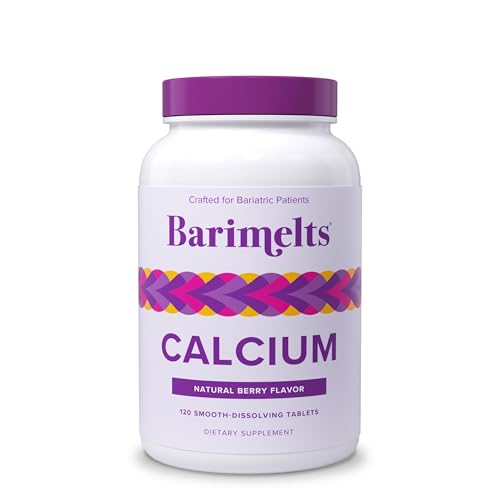


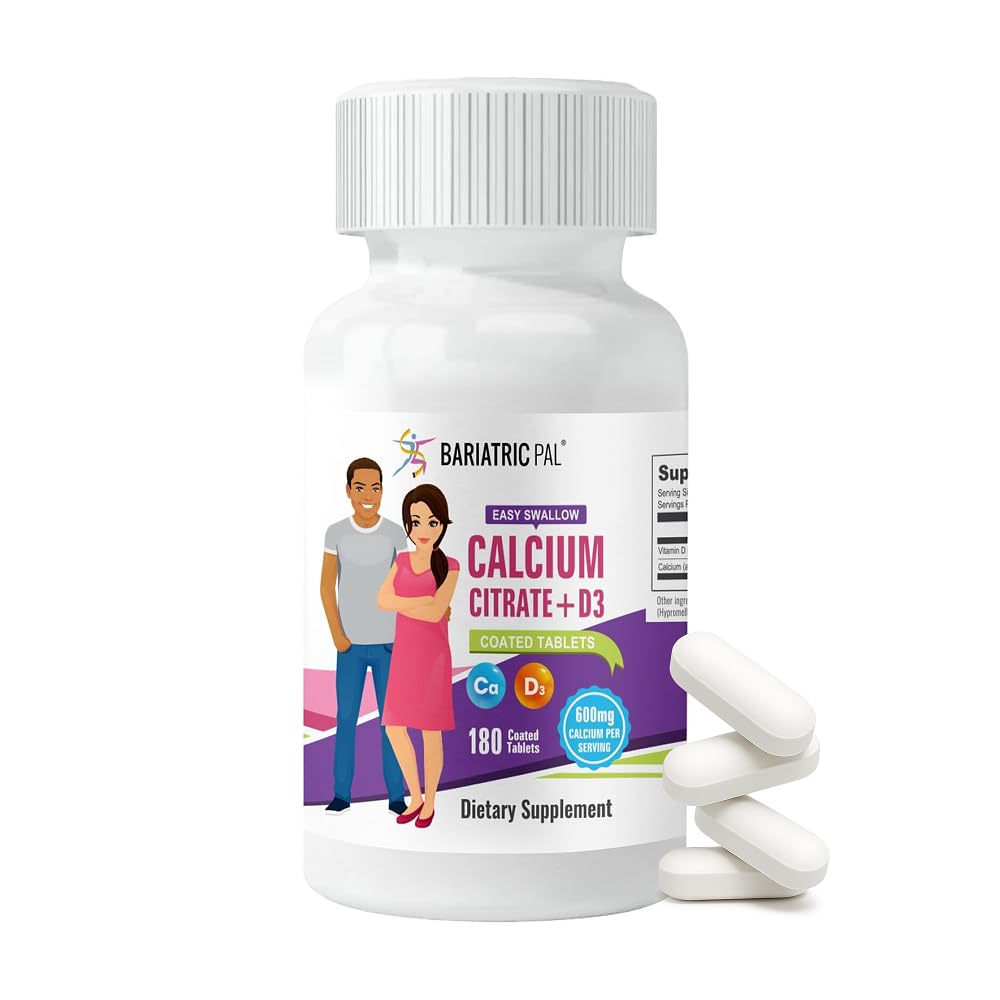

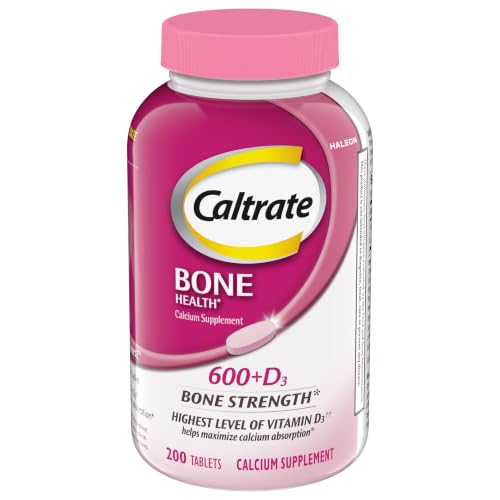
Calcium Tablet Styles by Budget
Instead of naming individual products, this section describes the style of tablet each budget usually buys. That keeps the advice useful even as brands and prices shift, and it shows you the trade offs hiding behind each price tag.
Budget Style: Plain Calcium Carbonate
At around $8 to $12 a bottle, you get plain calcium carbonate with a high elemental calcium content per tablet and little else. It covers the core need well if you eat regular meals, because carbonate absorbs best with food. The limits are real but manageable: no vitamin D included, large tablets, and a higher chance of constipation. For a mother already taking a postnatal vitamin with vitamin D, this simple style often covers the gap at the lowest cost.
Midrange Style: Citrate With Vitamin D
At about $13 to $22, the typical midrange tablet pairs calcium citrate with vitamin D3 in one formula. Citrate absorbs at any time of day, which suits the irregular meal pattern of life with a newborn, and it tends to sit more gently on the stomach. You also get better label transparency at this level more often. The trade off is more tablets per day, since citrate carries less elemental calcium per pill.
Premium Style: Full Bone Support Formulas
At about $23 to $35, premium formulas add magnesium, vitamin K, and sometimes trace minerals alongside calcium and vitamin D. These suit mothers who want one bottle instead of several, and quality testing marks appear more often at this level. The caution is overlap: if you already take a postnatal multivitamin, a crowded formula can duplicate nutrients and push some totals higher than intended. Premium pricing buys convenience and testing, not stronger bones by itself.
What Your Money Gets You at Each Price Tier
Budget Tier: What to Expect
Budget tablets deliver the mineral itself and nothing more, which is genuinely enough for many mothers. Expect carbonate as the form, serving sizes of two tablets, and basic packaging. Quality varies more at this level, so favor bottles that list elemental calcium clearly and carry a recognized testing mark. Pairing a budget tablet with vitamin D from your postnatal vitamin keeps the total cost low while covering absorption properly.
Midrange Tier: The Sweet Spot for Most Buyers
Midrange is where most feeding mothers land happily. You gain flexible timing with citrate, vitamin D built in, and gentler digestion, all of which matter when sleep is broken and meals happen one handed. Cost per month stays reasonable, and formulas at this level usually state elemental calcium per serving in plain language. If you read our general guide to the best calcium tablets, you will see this tier recommended for everyday use again and again.
Premium Tier: When Spending More Pays Off
Spending more pays off in two situations: when you want a single combined formula to simplify a chaotic routine, and when independent testing matters to you enough to pay for it. It does not pay off as a path to extra calcium, because your daily target stays the same at every price. Mothers managing diagnosed low bone density may also prefer this tier under clinician guidance, and our guide to the best calcium tablets for osteoporosis explains that stricter context.
Features Worth Paying For (and Ones to Skip)
Vitamin D Pairing
Vitamin D is worth paying for because calcium absorption depends on it, and nursing mothers who spend most of the day indoors often run low. A formula with a moderate vitamin D3 dose saves a second bottle and a second daily decision. Skip very high dose vitamin D unless a blood test and your clinician point that way, because vitamin D accumulates in the body over time.
Form and Timing Flexibility
Citrate costs more than carbonate, and for a feeding mother the premium can be worth it for one practical reason: you can take it during a night feed, a rushed snack, or a proper meal and absorb it well either way. Carbonate demands food to work properly. When your schedule is unpredictable for months at a time, flexibility protects consistency, and consistency is what actually supports your bones.
Features That Matter for Feeding Mother
The features that matter most while nursing are a moderate elemental dose near 500 mg per serving, a clean label without unnecessary herbal extras, and easy swallowing. Herbal blends marketed to mothers deserve extra caution, because many botanical ingredients lack safety data during breastfeeding. A plain, well labeled mineral formula is the safer purchase. Our guide to the best calcium tablets for ladies covers label reading habits that apply here too.
Tablet Size and Daily Burden
This feature sounds small until you live it. Large chalky tablets taken twice a day become one more chore in an exhausting season, and skipped doses deliver no calcium at all. Smaller tablets, divided doses, or chewables can raise the real world value of a midrange product above a stronger budget one. Count the total tablets per day before buying, and be honest about what you will sustain.
Long Term Costs to Factor In
Multiply the bottle price by the months you expect to nurse, because a supplement habit that runs a year changes the math. A $10 bottle lasting one month costs about $120 over a year, while a $30 premium bottle reaches about $360. Add the cost of a separate vitamin D supplement if your tablet lacks it, and check cost per serving rather than cost per bottle, since serving counts differ widely. Buying a three month supply lowers the per bottle price but risks waste if your clinician later adjusts the dose.
Frequently Asked Questions
What features matter most in calcium tablets for feeding mother?
A moderate elemental dose, vitamin D pairing, and a label free of untested herbal extras matter most. Your target is about 1,000 mg of calcium daily from food and supplements combined, the same as for other adults your age. Breastfeeding does not raise the official target, but it does raise the cost of falling short, since your bones supply the difference.
How much calcium does a nursing mother actually need?
About 1,000 mg per day, or about 1,300 mg if you are a teenager. Milk production draws roughly 200 to 300 mg daily, and many mothers fall short through diet alone when appetite and time are limited. Count your food first across a few normal days, then supplement only the gap you find.
Can too much calcium affect my baby?
Normal supplement doses within the daily target are considered compatible with breastfeeding, and milk calcium stays steady across a wide range of maternal intake. Problems arise with excessive dosing, which can cause constipation and kidney stones in the mother. Stay near the target rather than far above it, and mention every supplement you take at postnatal checkups.
Should I take calcium at a certain time of day?
Take it whenever you will remember it, with two practical notes. Carbonate works best with food, while citrate works any time. Keep calcium a few hours apart from iron supplements and thyroid medicine, because they compete for absorption. Anchoring the dose to an existing daily ritual, such as the morning feed, works better than chasing a perfect hour.
Will calcium tablets protect my bones after weaning?
They support the recovery that naturally happens after weaning, when bone density lost during nursing is typically regained over the following months. Adequate calcium, vitamin D, and weight bearing activity all contribute. If you had low bone density before pregnancy, ask your clinician whether a bone density scan makes sense once you have fully weaned. Our guide to the best calcium tablets for bones covers that longer horizon.
How long should a calcium tablet routine last while nursing?
Plan on the full nursing period if your diet stays low in calcium rich foods, then review the habit at weaning. There is no need to taper off; you simply stop when food covers the target or your clinician advises a change. Bottles keep well in a dry cupboard, so an unfinished supply is not wasted if your needs shift.
Wrapping Up
Match the tier to your life: budget carbonate if meals are regular and vitamin D is covered, midrange citrate with vitamin D for flexibility during unpredictable days, and premium formulas only when consolidation or testing is worth real money to you. At every tier, the best calcium tablets for feeding mother choice is the one that keeps your total intake near target, day after day. Compare options in the product table above, and talk with your clinician about your personal needs while nursing.


