
Best Calcium Tablets For Men: Complete Buying Guide for 2026
Disclosure: We may earn a commission when you buy through links on this page, at no extra cost to you. As an Amazon Associate I earn from qualifying purchases. Learn more

A practical guide to the best calcium tablets for men: how much calcium is needed, carbonate versus citrate, vitamin D, and timing.
Men rarely shop for calcium until a doctor, a bone scan, or a family history raises the question, which is why the label can feel like a foreign language. This guide explains what to look for in the best calcium tablets for men: how much calcium is actually needed, which form suits your stomach, and how to avoid the common mistake of taking more than your body can use. The product table above lists current options to compare against these checks.
A tablet is a top-up, not a foundation. Food comes first, and a supplement only makes sense when your diet leaves a measurable gap. Talk with your doctor or pharmacist before you start, especially if you take regular medicines.
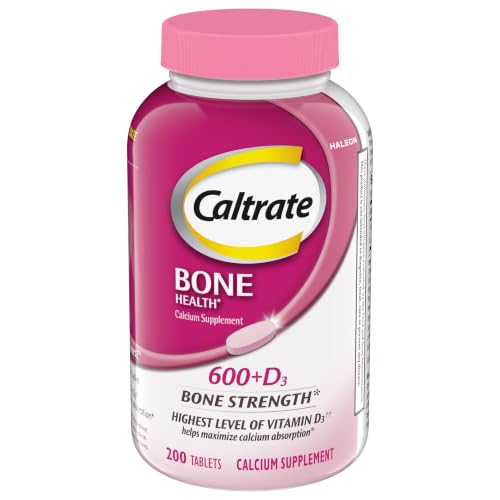


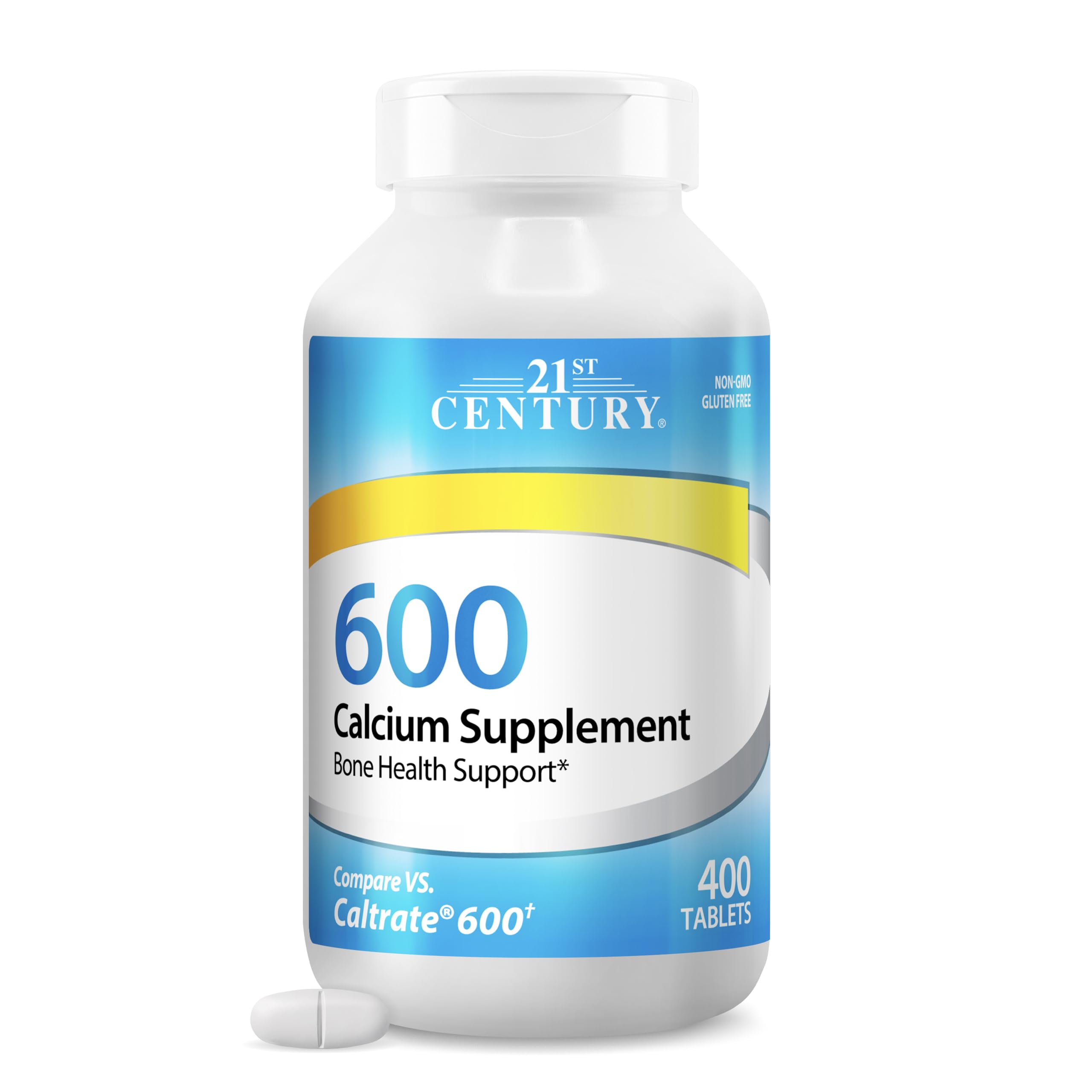


How Much Calcium Men Need
Adult men generally need about 1,000 mg of calcium a day from food, drinks, and supplements combined, rising to about 1,200 mg after age 70. Bone mass peaks in early adulthood and then declines slowly, so steady intake over decades matters more than a short burst of high doses. Men lose bone more slowly than women, but fractures in later life are still common, and low calcium or vitamin D intake raises the risk.
Before buying, add up a typical day. A cup of milk or a fortified plant drink gives roughly 300 mg, a serving of yogurt or a slice of cheese about 200 to 300 mg, and canned sardines with bones, tofu set with calcium, and leafy greens such as kale add more. Many men who eat dairy daily are already near the target, and a supplement would add little. Men who avoid dairy, eat very little, or follow a restricted diet are the ones most likely to benefit.
Calcium Carbonate or Calcium Citrate
Two forms cover most of the shelf. Calcium carbonate is the cheapest and carries the most calcium per tablet, about 40 percent by weight. It absorbs best with a meal because it needs stomach acid, and it can cause gas or constipation. Calcium citrate carries about 21 percent calcium, so you take more tablets, but it absorbs well with or without food and is gentler on the stomach. Men who take acid reducing medicine, or who have had stomach surgery, often do better with citrate.
Whichever form you choose, read the elemental calcium line on the supplement facts panel. A tablet may be labeled 1,250 mg of calcium carbonate yet supply only about 500 mg of usable calcium. Compare the elemental figure per serving, not the biggest number on the front of the bottle.
Dose, Timing, and Vitamin D
The body absorbs calcium best in amounts of about 500 mg or less at one time. If you need a gap of 600 mg, take it as two smaller doses, for example with breakfast and dinner, rather than one large tablet. Total intake from all sources should stay below about 2,000 mg a day for men over 50 unless a doctor directs otherwise, because very high intake can cause constipation and kidney stones, and some research links high supplement doses to other health concerns that doctors are still studying.
Vitamin D helps the gut absorb calcium, so many tablets pair the two. Men who work indoors, live in northern climates, or have darker skin often have lower vitamin D. Check the amount per serving and add up any multivitamin you already take so you do not double up. Magnesium and vitamin K appear in some formulas; they are reasonable extras but not required.
What to Check on the Label
- Elemental calcium per serving, and how many tablets make a serving.
- Calcium form (carbonate or citrate) and whether the instructions say to take it with food.
- Vitamin D3 amount, ideally between 400 and 1,000 IU per serving.
- An independent testing seal such as USP or NSF, since supplements are not approved before sale.
- Tablet size, coating, and any allergens such as soy, gluten, or milk.
- Expiry date and lot number printed on the bottle.
Who Should Be Careful
Men with a history of kidney stones, kidney disease, high blood calcium, or parathyroid problems should not start a calcium supplement without medical advice. Calcium can also interfere with the absorption of thyroid medicine, some antibiotics, iron, and certain heart and bone medicines, so these are usually spaced several hours apart. Ask a pharmacist for a written schedule and bring the bottle to appointments so your clinician can see the exact dose.
Stop and seek medical advice if you develop severe stomach pain, ongoing nausea, unusual thirst, frequent urination, or confusion. Constipation is the most common side effect and often improves with split doses, citrate, more water, and more fiber.
Common Mistakes
- Buying the highest dose on the shelf when diet already covers most of the need.
- Taking the whole daily amount in one sitting instead of splitting it.
- Reading compound weight as elemental calcium.
- Stacking a calcium tablet, a multivitamin, an antacid, and fortified drinks without adding them up.
- Taking calcium at the same time as thyroid medicine or iron.
- Expecting a tablet to replace weight-bearing exercise, which also protects bone.
Making the Habit Stick
Pair the tablet with a meal you never skip and keep the bottle where that meal happens. Store it in a cool, dry cupboard rather than a steamy bathroom. If large tablets are hard to swallow, choose smaller tablets taken twice a day or a chewable, but compare sugar and calcium per piece. Review the routine at your yearly checkup, because changes in diet, medicines, or health can change the need.
Related reading: our general guide to the best calcium tablets covers label basics for everyone, and the best tablets for men guide covers other daily supplements men compare.
Frequently Asked Questions
How much calcium should men take from tablets?
Only enough to fill the gap between your diet and about 1,000 mg a day (1,200 mg after age 70). For many men that is 300 to 600 mg, taken in one or two servings. Your clinician can help you measure your diet before you buy.
Is calcium citrate better than carbonate for men?
Citrate suits men with low stomach acid, acid reducing medicine, or a sensitive stomach, and it works at any time of day. Carbonate costs less and works well with meals. Pick the form you will take consistently without side effects.
Should men take vitamin D with calcium?
Often yes, because vitamin D supports absorption, but the right amount depends on sun exposure, diet, and any blood test results. Count the vitamin D in your multivitamin before adding another source.
Can men take too much calcium?
Yes. Intake well above the recommended level can cause constipation and kidney stones, and it can crowd out iron and zinc absorption. Keep total intake from food and supplements within the upper limit your doctor advises.
When is the best time to take calcium tablets?
Take carbonate with food, citrate any time, and keep doses of 500 mg or less. Space calcium a few hours away from thyroid medicine, iron, and certain antibiotics.
Final Thoughts
Start with food, measure the gap, and choose a form and dose that fills it without excess. Compare labels for elemental calcium, vitamin D, and independent testing, then check your shortlist against the product table above. The best calcium tablets for men are the ones that fit your diet, your medicines, and a routine you can keep, confirmed with your clinician before you begin.


