
Best Cable for Security Cameras in 2026: Matching the Right Type to Your Routine
Disclosure: We may earn a commission when you buy through links on this page, at no extra cost to you. As an Amazon Associate I earn from qualifying purchases. Learn more

Choosing cables for security cameras starts with your system. Compare cable types, pure copper, run length, shielding and outdoor ratings here.
There is no single cable that suits every camera system, because analog cameras, IP cameras and cameras powered through the cable itself each need a different match. The best cable for security cameras in your home fits your recorder, reaches each mounting point and survives where it runs. Use the comparison table below to check type, length and jacket rating against your plan.
Shoppers comparing the best cables for security cameras often start with price per foot, then find the connectors are wrong or the run too short. Work in a better order, system first, distance second and exposure third, and whole cable families rule themselves out fast.


Who Should Buy Which Cables?
Your recorder decides the cable family before length or price matter. Find your group below.
Homeowners With Analog DVR Camera Systems
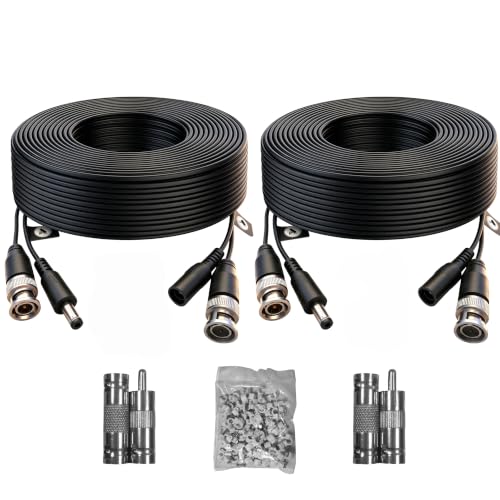
You record to a DVR and your cameras send video over BNC connectors. Choose RG59 Siamese cable, which carries video and power in a single jacket, so each camera needs one run back to the DVR and its power supply. Premade lengths suit most houses, because the ends arrive fitted and ready to plug in. Measure the true path first, and pick the next length up rather than stretching a short cable tight.
Homeowners With PoE IP Camera Systems
You record to an NVR and your cameras can take power over Ethernet, or PoE. Choose Ethernet cable, because one run carries both video data and power, which removes the need for an outlet near each camera. For grades and speeds compared in depth, see our guide to the best ethernet cable for security cameras. Solid copper conductors matter most for you, because PoE pushes current through the same small wires that carry the picture.
Owners With Long Outdoor Runs and Exposed Walls
You mount cameras on a detached garage, a barn or a far corner of the house, so cable spends years in sun, rain or soil. Choose cable with a jacket rated for outdoor use or direct burial, and plan each route as one unbroken run. Your main risks are sunlight cracking a basic jacket and water entering at a connector, so spend more on jacket quality and sealed connections than on spare length.
Key Features to Compare
Compare these factors in order, because an early failure cannot be fixed later.
Cable Type and Camera System Compatibility
Cable type is the first filter, because analog and IP systems use different signals and different ends. RG59 Siamese serves analog cameras with BNC video plugs and a paired power lead, while Ethernet serves IP cameras with RJ45 plugs. The two families do not swap without adapters that add cost and failure points. Sharper IP cameras push more data through the run, so see our guide to the best cable for 4k security cameras if you wire for higher resolution.
Solid Copper Conductors Versus Copper Clad Aluminum
Conductors carry signal and power, and their material decides how much energy is lost along the way. Solid copper conducts well and stays flexible, while copper clad aluminum is aluminum wire with a thin copper skin that loses more voltage on long runs. A listing that hides conductor material in small print deserves suspicion. For category grades in detail, see our guide to the best cat cable for security cameras, and choose solid copper for PoE runs.
Run Length, Gauge and Voltage Drop
Every run has a practical limit, and power usually fails before the picture does. Keep a single Ethernet run within 328 feet, because beyond that point the signal weakens and PoE voltage falls. Thicker conductors resist that fall better, so gauge matters more as distance grows. A camera that works at noon may restart after dark, when its night lights draw extra current through a thin, long run.
Shielding for Clear Video Near Power Lines
Shielding is a metal layer around the inner wires that blocks electrical noise nearby. Unshielded cable suits most indoor runs that stay clear of heavy wiring. Choose shielded cable when a run must travel beside mains power lines, fluorescent fittings or large motors, because those sources can put lines and rolling bars into the picture. Shielding adds stiffness and cost, so use it where the path demands it.
Jacket Rating for Indoor, Outdoor and Buried Runs
The jacket is the outer skin that decides where a cable may run. Basic indoor cable belongs inside walls and ceilings, away from weather. Riser rated and plenum rated jackets meet fire rules for shafts and air spaces, while outdoor jackets resist sunlight and moisture, and direct burial cable adds protection for soil. If your cameras watch the yard, see our guide to the best security cameras outside to match each mounting spot with the jacket its path needs.
Fitted Connectors Versus Bulk Cable on a Spool
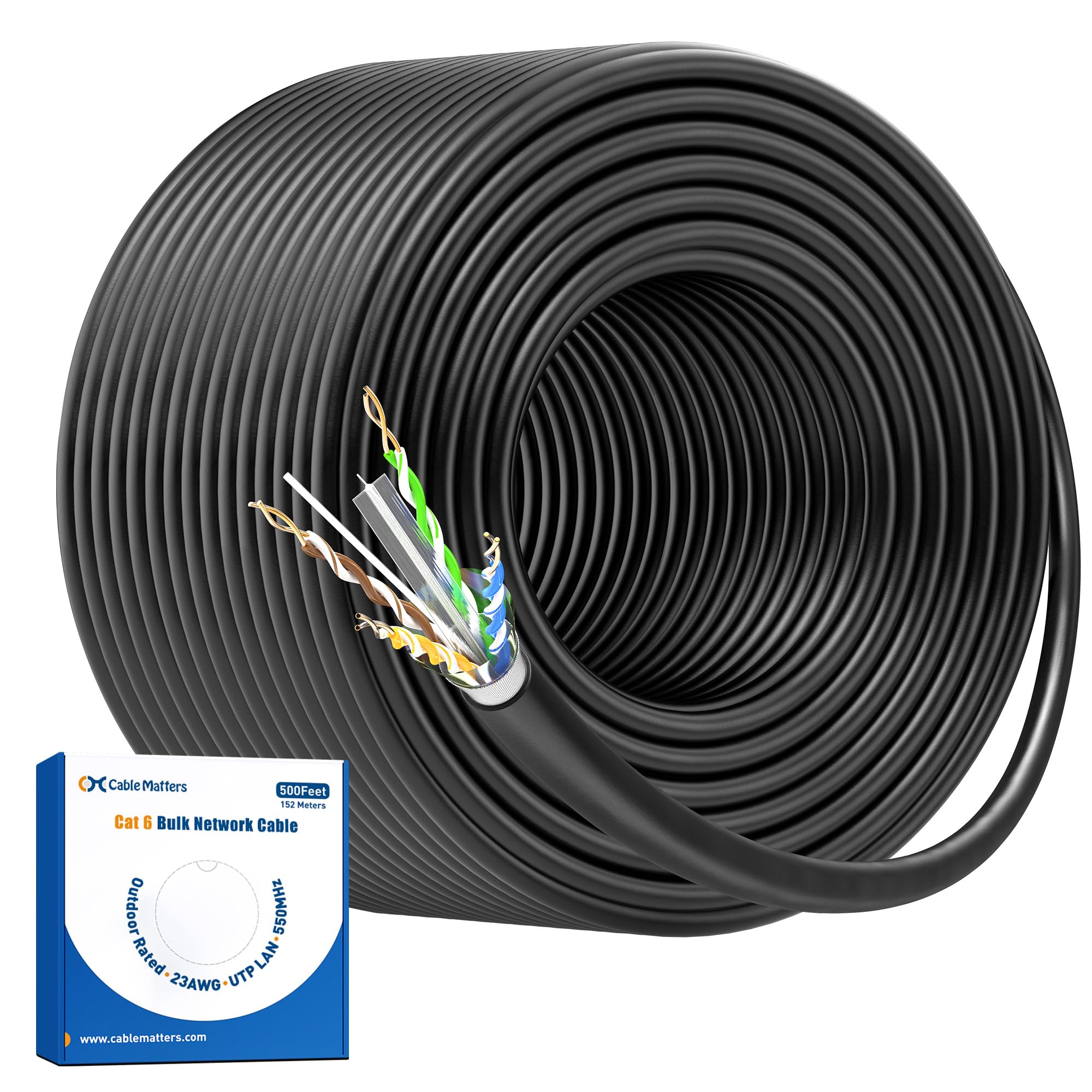
Premade cable arrives with connectors fitted at both ends, so installation is fast and each connection is factory made. Common premade lengths run from about 25 to 150 feet, which covers most homes. Bulk cable on a 500 or 1000 foot spool costs less per foot and lets you cut exact lengths, but you must fit BNC or RJ45 ends yourself with the right tools. Choose premade for a few cameras and bulk once runs multiply.
How to Plan and Measure a Security Camera Cable Run
Accept that the best cable for security cameras for one house may be the wrong choice next door, because recorder type and the building decide the details. Walk each route with a tape measure and follow the real path the cable will take, up walls, across ceilings and around corners. Straight line distance almost always understates the true length.
Add slack at both ends, about 3 to 5 feet per run, so you can trim a damaged end or move a camera without replacing the whole cable. Mark each camera position on a sketch and note which runs pass outdoors. If positions are still open, see our guide to the best security cameras for house to settle them before you commit to lengths.
Check your longest run against the limit for its cable family before you order. If one camera sits beyond that limit, move the recorder or pick a shorter route on paper.
Common Mistakes to Avoid When Buying Security Camera Cables
These errors cause most returns and fuzzy pictures, and each one is easy to prevent.
- Buying premade cable from a straight line guess leaves the run short at the final corner.
- Choosing copper clad aluminum for a long PoE run lets voltage drop until the camera restarts at night.
- Running indoor rated cable on an outside wall lets sunlight crack the jacket and water reach the wires.
- Ordering BNC analog cable for an IP system leaves you with connectors that cannot carry the signal.
- Pulling cable tight around sharp corners wears the jacket through and invites noise into the picture.
- Ignoring the fire rating for in wall runs can fail an inspection and force a costly redo.
How to Make Your Cable Last Longer
Protect every outdoor connection, because water at a plug causes most outdoor failures. Fit connections inside a junction box or wrap them with outdoor sealing tape, and form a drip loop below each camera so rain runs off the cable instead of toward the plug. Keep bends gentle, since a sharp fold can crack conductors inside an intact looking jacket.
Inside, secure cable with smooth clips that support it without crushing it, and keep it clear of hot pipes and sharp edges. Leave spare slack coiled loosely rather than tied in a tight knot. Once a year, inspect exposed runs for cracks, chew marks or corrosion at the ends, and replace a damaged section early.
FAQs About Security Camera Cables
What length of security camera cable can I run before the picture suffers?
A single Ethernet run should stay within 328 feet, and analog video stays clear far longer than its paired power wires can deliver power. One point many guides skip is that a small PoE switch partway along the route restarts the distance limit, turning one overlong route into two sound runs. Keep that switch indoors and dry.
Can I use Cat5e cable or do security cameras need Cat6 cable?
Cat5e cable is enough for most home security cameras, because one camera stream uses far less bandwidth than the cable can carry. Cat6 adds thicker conductors and a tighter twist, which helps long PoE runs and walls where many cables run together. Cat6 is stiffer around tight corners, so save it for new long runs.
Can I bury a security camera cable directly in the ground?
Yes, you can bury a security camera cable directly, but only when its jacket carries a direct burial rating. Soil moisture and stones damage a standard outdoor jacket below ground over time. Cable inside buried conduit is a sound alternative, because you can pull a replacement through later without digging again. Check for buried utility lines before you dig.
Can I join two security camera cables to make one longer run?
Yes, you can join two security camera cables with a coupler, but each join becomes the weakest point in the run. An outdoor join needs a sealed housing, because a bare coupler collects moisture and corrodes until the picture drops out. A join also adds signal loss, so buy one full length cable whenever the route is still open.
Do wired security cameras need a separate power cable with PoE?
No, PoE cameras need no separate power cable, because the Ethernet run carries power and video together. Every part of the chain must support PoE, though, including the recorder ports or the switch feeding the run. In mixed systems, the best cables for security cameras are often a blend, with Ethernet for PoE cameras and Siamese cable for older analog cameras.
The Bottom Line
Match the cable family to your recorder first, insist on solid copper second and respect the length limit third. Those choices decide whether cameras stay online through dark nights, storms and years of sun.
When you judge the best cable for security cameras by those points, the right spool or premade set stands out quickly. Use the product table above to confirm length, conductor material and jacket rating, then order once and install once.


