Best Bushnell Binoculars for Hunting of 2026: Complete Buying Guide
Disclosure: We may earn a commission when you buy through links on this page, at no extra cost to you. As an Amazon Associate I earn from qualifying purchases. Learn more

Compare Bushnell binoculars for hunting by magnification, objective lens size, low light clarity and weather sealing, with a checklist to choose well.
A binocular earns its place on a hunt in the first and last minutes of light, when a deer steps from shadow into an open lane and you have seconds to judge it. Choosing the best bushnell binoculars for hunting means matching magnification, lens size and clarity to the ground you hunt, rather than chasing the biggest numbers on the box.
This guide walks through the configurations hunters actually use, the optical traits that matter in timber and open country, and the fit checks to make before you buy. Use the comparison table below to shortlist a few pairs, and for a wider view of the market, see our guide to the best rated binoculars for hunting.

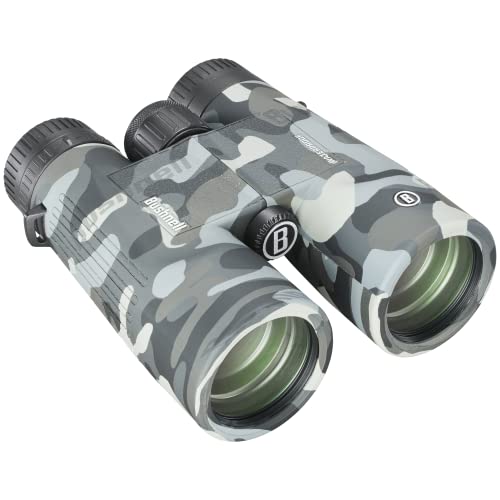


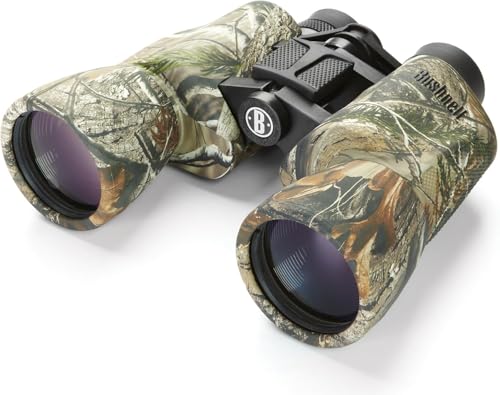
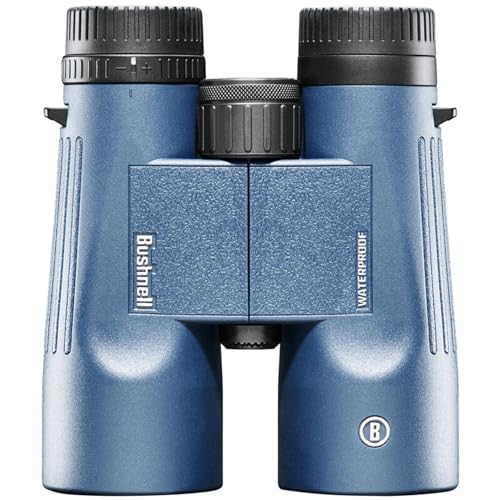
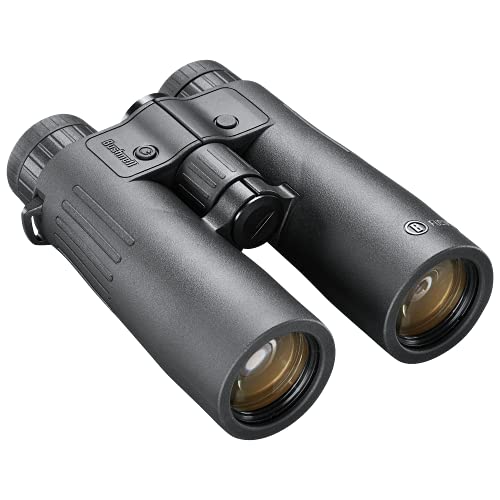
Who Should Buy Which Bushnell Binoculars for Hunting?
Your hunting style sets the right balance of power, size and brightness. Start with the group below that sounds most like your season, then confirm the details in the features section.
Deer Hunters in Timber and Small Fields
If most sightings happen inside about 200 yards, an 8x42 pair usually serves you best. The lower power gives a wider view for picking up movement between trees, and it stays steadier when you raise it quickly from a stand. For a deeper look at woodland setups, see our guide to the best binoculars for deer hunting.
Western Hunters Glassing Open Country
Spot and stalk hunters who scan basins and ridgelines often prefer 10x42, because the extra power helps judge antlers and body size at several hundred yards. The trade off is a narrower view and more visible shake, so brace your elbows on your knees or a pack.
Bowhunters and Turkey Hunters at Close Range
When animals often appear inside 60 yards, field of view and close focus matter more than raw power. An 8x32 or 8x42 pair lets you follow a bird through brush without losing it, and a close focus near 6 to 8 feet helps when a turkey works in tight. Compact pairs also ride lighter on a vest during spring hunts.
Key Features to Compare
Compare the traits below in order. When you read across the best bushnell binoculars as a whole, the best bushnell binoculars for hunting for your season will be the pair whose optical strengths match your light, distance and terrain.
Picking Magnification and Lens Size for Your Hunting Grounds
The two numbers in a name such as 8x42 or 10x42 tell you power and front lens diameter in millimeters. Higher power brings distant animals closer, but it also narrows the view and magnifies hand shake. A larger front lens gathers more light, at the cost of extra weight. For most deer hunting, 8x42 and 10x42 remain the sensible center of the range.
Low Light Clarity, Lens Coatings and Exit Pupil
Exit pupil is the front lens size divided by the power, so an 8x42 gives about 5.3 mm and a 10x42 gives about 4.2 mm. A larger exit pupil feels brighter at dawn and dusk because it better matches your dilated eye. Coatings matter just as much. Fully multi coated optics pass more light and cut glare from low sun, while phase coated roof prisms sharpen contrast. In a store, look toward a dim corner and check whether shadow detail stays visible.
Field of View for Finding and Following Game
Field of view is the width you can see at 1,000 yards, often listed in feet. An 8 power pair commonly shows about 330 to 390 feet, while many 10 power pairs show about 300 to 340 feet. That width helps you find an animal after spotting movement with your naked eye.
Eye Relief and Eyecups for Glasses Wearers
Eye relief is the distance your eye can sit behind the rear lens while still seeing the full view, and about 15 to 18 mm suits most glasses wearers. Twist up eyecups let you set that distance quickly, so test the pair with the glasses you hunt in. You should see one round image with no black ring at the edges.
Waterproof and Fogproof Sealing
Hunting optics live in rain, frost and truck cabs that swing from cold to warm, so sealing is not a luxury. Look for an O ring sealed body listed as waterproof, and for nitrogen or argon purging that keeps inner lenses from fogging when temperatures change. Repeated wet hunts will eventually cloud an unsealed binocular from the inside, where you cannot wipe it clean.
Weight, Prism Design and Carrying Comfort
Most full size hunting pairs weigh about 22 to 30 ounces, and that load hangs on your neck or chest for hours. Roof prism models form a straight, slim tube that packs well, while porro prism models have offset barrels and often give strong depth perception for the price. A chest pack spreads weight better than a thin strap, so see our guide to the best binoculars harness for hunting if neck strain ends your glassing early.
Bushnell Binocular Types Compared for Hunters
Full Size Roof Prism Pairs for All Round Hunting
This is the default choice for most hunters. In 8x42 or 10x42, a roof prism pair balances brightness, size and durability, fits well in a chest pack, and handles both timber edges and open fields. Higher price tiers mainly buy better coatings, sharper edges and stronger sealing.
Compact Pairs for Light Packs and Spring Hunts
Compact models with 25 to 32 mm front lenses cut weight and bulk, which suits turkey vests, early season scouting and long walks on public land. The cost is a smaller exit pupil, so the view dims sooner at last light, and small focus wheels can feel fiddly with gloves. If your best chances come at dusk, step up to a 42 mm lens.
Porro Prism Pairs for Value Focused Glassing
Porro prism binoculars use offset barrels and a simpler light path, so they can deliver a bright, three dimensional view at a lower price than many roof prism pairs. They are wider in the hands, and sealing quality varies more at budget prices, so check the waterproof rating carefully.
Common Mistakes to Avoid
- Choosing 12 power or higher for timber hunting, so shake and a narrow view make it hard to find deer that appear close and move fast.
- Judging brightness by front lens size alone, so you ignore coatings and end up with a dim image despite a 42 mm lens.
- Skipping the glasses test, so short eye relief cuts off the edges of the view every time you wear your hunting glasses.
- Buying a pair with no fogproof rating, so the inner lenses cloud during the first cold and wet week of the season.
- Carrying a full size pair on a thin neck strap all day, so neck pain shortens your glassing sessions and you miss movement.
- Leaving the diopter unset after a friend borrows your binocular, so one eye stays slightly soft and long glassing gives you a headache.
Care and Maintenance of Bushnell Hunting Binoculars
Dust and grit do more damage than rain. Blow loose particles off the lenses first, then wipe with a clean microfiber lens cloth in small circles, using lens fluid only when a smear will not lift dry. Wiping a gritty lens with a shirt can drag grit across the coating and leave fine scratches. Keep lens caps on in brush, and store the pair in its padded case.
After a wet hunt, let the binocular dry at room temperature with the caps off before sealing it in a case, since trapped moisture encourages mold over time. Avoid leaving the pair on a hot dashboard, because heat can stress seals and lubricants.
FAQ
What features matter most in Bushnell binoculars for hunting?
Brightness, sealing and handling matter most. A 42 mm front lens with fully multi coated glass keeps the view usable at dawn and dusk, waterproof and fogproof construction survives wet hunts, and a focus wheel you can turn with gloves keeps the image sharp. Also check the interpupillary distance range, since a pair that cannot adjust to your eyes will never merge into one clean image.
Which Bushnell binocular configuration is better for low light hunting?
An 8x42 configuration is better for low light hunting because its larger exit pupil delivers a brighter view as light fades. The advantage shows most in the final minutes of legal light under tree cover. If you hunt open fields, a 10x42 still works well, but plan to rest it on a pack or rail. Shaded timber shortens your useful glassing time more than open ground does.
What does 8x42 or 10x42 mean on hunting binoculars?
The first number is magnification and the second is front lens diameter in millimeters, so 10x42 makes an animal appear ten times closer through a 42 mm lens. Most hunters notice that 10 power shows more detail while standing still, while 8 power feels calmer when glassing after a climb into a stand with a raised heart rate. Try both powers on a distant fence line before you decide.
How much should I spend on my first pair of Bushnell hunting binoculars?
Plan on about $100 to $250 for a first pair that will hold up for several seasons of deer hunting. Below that range, sealing and coating quality become inconsistent, while spending more mainly buys clearer edges and better contrast. If the budget is tight, see our guide to the best inexpensive binoculars for hunting. A first pair kept for scouting later makes the eventual step up feel worthwhile.
What specs matter most for beginners choosing Bushnell binoculars for hunting?
Beginners should start with 8x42, a field of view above about 330 feet at 1,000 yards, and eye relief near 17 mm if they wear glasses. Those numbers give a bright, forgiving view that is easy to aim. Build the habit of glassing in a slow grid pattern, pausing in shadowed lanes and along field edges, rather than sweeping quickly and missing still animals.
The Bottom Line
For most hunters, an 8x42 or 10x42 Bushnell with fully multi coated glass, honest waterproof and fogproof sealing, and eye relief that fits your face covers nearly every situation the season brings. Chosen that way, the best bushnell binoculars for hunting become gear you stop thinking about, so compare your shortlist in the product table above.