
Best Binoculars for Hunting: What Matters Before You Buy in 2026
Disclosure: We may earn a commission when you buy through links on this page, at no extra cost to you. As an Amazon Associate I earn from qualifying purchases. Learn more

The best binoculars for hunting balance low light clarity, the right magnification, carry weight and weather sealing. Here is what to check.
Hunting glass earns its keep in a few short minutes at dawn and dusk, when game moves and light is thin. Choosing the best binoculars for hunting is therefore less about the longest spec list and more about a short checklist: low light clarity, the right magnification for your terrain, and a build you can carry all day. The product table below lets you compare picks and match them to the ground you hunt.
This guide works through that checklist in order, from exit pupil and lens coatings to weight, harness carry, and weather sealing. It also covers the red flags that mark poor glass, the safety rules that come with glassing country, and the simple care that keeps a pair clear for many seasons. No single specification wins on its own, so read the sections together before you spend.


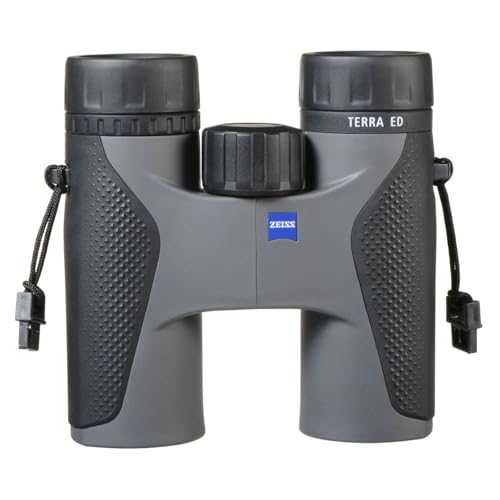
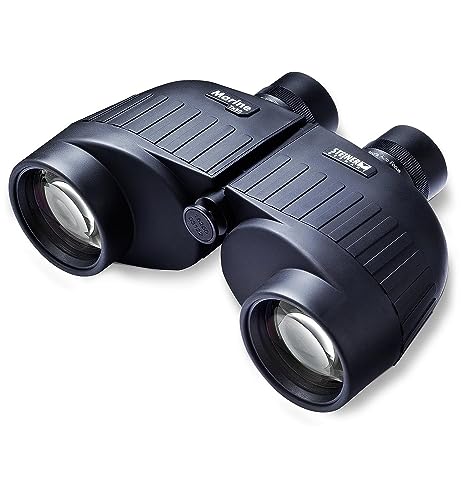


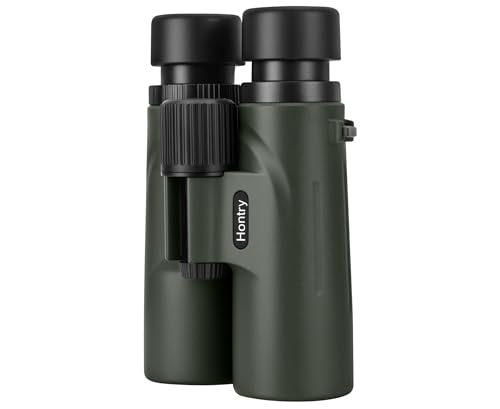


Key Features of the Best Binoculars for Hunting
Six factors decide whether a hunting binocular helps or hinders in the field. Light gathering and image clarity come first, because an animal you cannot see clearly is an animal you cannot judge. Size, focus handling, and weather protection follow, since the finest glass is useless if it stays in the truck or fogs at first light.
Features That Matter for Hunting
Hunting asks more of binoculars than casual viewing, because you glass for long stretches, judge animals at distance, and work in poor light and rough weather. A wide field of view helps you pick up movement and follow an animal through cover without losing it. Close focus matters less here than brightness and contrast, which separate a brown shape from brown brush at last light.
Build details also carry hunting weight, such as a focus wheel you can turn with gloves and eyecups that hold their position. Rubber armor protects the body when it knocks against a pack, a tree stand, or a truck door. None of these points show up in a headline magnification figure, yet together they decide how the glass performs on a real morning.
Low Light Performance Decides Hunting Glass
The first and last minutes of legal light decide hunting glass, and this is the passage to read twice. As light fades, your eye needs a bright image more than a big one, and that brightness comes mainly from the exit pupil and from good lens coatings. Exit pupil is the objective size divided by the magnification, so an 8x42 glass gives a pupil of about 5.3 mm and a 10x42 gives about 4.2 mm.
Coatings matter because bare glass reflects light away at every surface, while coated optics pass more of it through to your eye. Makers describe coatings in their own terms, such as coated, fully coated, or multicoated, with no shared standard behind the words. A bigger magnification number can mean a dimmer and shakier image at dusk, stated plainly, so do not trade brightness for power you cannot hold steady.
Magnification and Objective Size by Terrain
The numbers on a binocular, such as 8x42 or 10x42, state the magnification first and the objective lens width in millimeters second. An 8 power glass suits timber, brush, and eastern woods, where shots and sightings are closer and a wide view helps you find game in cover. A 10 power glass suits open country, fields, and western glassing, where you study animals across long distances from a steady rest.
Higher power is not free, because each step up narrows the field of view, shrinks the exit pupil, and magnifies the shake in your hands. A 12 power glass can work from a tripod or a solid rest, but most hunters find it tiring to hold freehand for long glassing sessions. Match the power to the longest view your ground honestly offers, not to the longest view you can imagine.
Size, Weight, and Ergonomics
Weight decides whether binoculars ride on your chest all day or get left behind, and hunting days are long. Full size 42 mm models often weigh about 20 to 28 ounces, which most adults carry well on a chest harness. Compact 32 mm models cut weight and bulk for steep country and long walks, while giving up some brightness at dawn and dusk.
Shape matters as much as ounces, because a body that fits your hands and face gets used more and adjusted less. Check that the barrels fold to match the spacing of your eyes and that the eyecups suit you, with or without glasses. If a pair feels awkward in the shop, it will feel worse after six hours of glassing in cold wind.
Focus, Eye Relief, and Field of View
A smooth center focus wheel with some resistance lets you sharpen an image quickly without overshooting, even with gloves on. The diopter adjustment on one barrel balances the glass to your two eyes, and it should lock or sit stiffly enough to stay put. Set it once at the start of the season and check it whenever the image feels uneven.
Eye relief is the distance your eye can sit from the eyepiece and still see the full picture, and glasses wearers need more of it, often about 15 mm or more. Field of view, stated in feet at 1,000 yards, tells you how much ground you can scan without moving the glass. Wider views help in timber, while narrower high power views demand slower and more careful scanning in open ground.
Weather Sealing and Build Quality
Hunting weather includes rain, frost, dust, and sudden changes from a warm truck to cold air, and sealing keeps the inside of the glass clear. Fog proof models are filled with a dry gas, commonly nitrogen or argon, so the inner lenses resist fogging when temperatures swing. Waterproof figures and fog proof claims are maker figures, rated by each brand in its own way, so read them as guidance rather than guarantees.
Lens caps that stay attached, a case that sheds rain, and armor that grips with wet gloves all add field value. Check the warranty as part of the build, because hunting glass gets knocked, dropped, and soaked in normal use. A maker that repairs or replaces damaged hunting optics under clear terms is worth weighing beside the price.
Choosing by Terrain and Game
Terrain narrows the choice faster than any brand debate, so start from the ground you hunt most. The same glass rarely suits deep timber and open basins equally well. Use the patterns below as a starting point, then adjust for your eyes, your budget, and how far you walk.
Open Country and Long Glassing
Open country rewards 10 power glass with a 42 mm or larger objective, because you spend long periods studying slopes and basins from one vantage point. A tripod or a steady rest turns that power into detail instead of shake, and it lets you judge an animal before you commit to a long approach. Plan for the weight of the rest itself, since the full kit rides on your back between stops.
Heat shimmer and wind both limit what any glass can show at midday in open ground, so the clearest judging still happens early and late. That fact points money back toward brightness and coatings rather than ever higher magnification. A hunter who glasses patiently from fewer spots often sees more than one who walks fast with stronger glass.
Timber, Brush, and Close Woods
Close country favors 8 power glass with a wide field of view, because animals appear at short range and move through gaps in the cover. The brighter exit pupil of an 8x42 also helps under a tree canopy, where the light is dim even at midday. Smaller 32 mm models earn a place here for still hunting, where you move slowly and carry the glass for hours.
Quick focus travel matters in the woods, since a deer can cross a lane in seconds. Practice finding the focus wheel by feel and setting the diopter before the season, so the glass is ready when a shape steps out. In thick cover, scanning slowly with modest power beats sweeping fast with high power almost every time.
Deer Hunting Glass
Deer hunting usually mixes both worlds, with woodlots, field edges, and stands that look over open feeding ground. Many deer hunters settle on 8x42 or 10x42 glass depending on whether their sits lean toward timber or fields. Our guide to the best binoculars for deer hunting looks at stand and field choices in more depth for whitetail country.
From a stand, weight matters less and brightness matters more, because you glass the shaded edges where deer step out at last light. On the ground, a quiet harness and soft armor help, since metal and hard plastic clicks carry in still woods. Either way, the glass must let you count points and judge a rack clearly before any decision, never during it.
Quick Buyer Checklist
Run through these questions before you order, and let any no answer point you to a different class rather than a bigger discount.
- Does the exit pupil, found by dividing objective size by magnification, reach about 4 mm or more for dawn and dusk use?
- Does the magnification match your terrain, around 8 power for timber and around 10 power for open country?
- Can you hold the glass steady for a full minute without the image swimming or your arms tiring?
- Does the eye relief fit you if you wear glasses, and do the eyecups hold their setting?
- Is the pair sealed against water and fog, with lens caps you will actually keep on?
- Does the total carry weight, with harness and case, feel fine for your longest walk?
- Does the warranty cover field damage under terms you have read and understood?
Red Flags to Watch For
Poor hunting glass tends to announce itself, once you know the signs. Extreme magnification in a tiny body, such as very high power with a small objective, promises a dim and narrow view that no coating can rescue. Vague optical language with no exit pupil, field of view, or eye relief figures is another warning, because honest makers publish those numbers.
Zoom binoculars deserve care, since moving parts in the optical path often cost clarity and alignment at this price level. A very short warranty, or one with terms that exclude most field damage, suggests the maker expects little from the build. Finally, treat brightness claims such as night vision language with suspicion, because ordinary binoculars gather light and cannot create it.
Harness, Rangefinder, and Budget Choices
How you carry the glass changes how often you use it, and a chest harness keeps binoculars ready without swinging or bouncing on a walk. Shoppers comparing carry options can read our guide to the best binoculars harness for hunting for fit and style notes. A harness also spreads weight across the shoulders, which matters more with each hour and each hill.
Some hunters prefer optics that measure distance as well as magnify, and our guide to best hunting binoculars with rangefinder covers that combined class and its extra cost and weight. The trade is real: rangefinding models cost more, weigh more, and depend on batteries, while a separate rangefinder keeps each tool simple. Decide by how often you truly need a distance before a shot opportunity passes.
Budget pressure is normal, and our guide to the best inexpensive binoculars for hunting shows where lower priced glass gives ground and where it holds up. Shoppers weighing value across the whole range can also read about best hunting binoculars for the money to see how mid priced glass often beats both extremes. Whatever the budget, the product table above helps you compare the core figures side by side.
Hunting Safety and Land Rules
Binoculars carry a safety duty that every hunter should state plainly: identify the target fully before any shot decision. Glass first with binoculars, and never use a rifle scope to identify anything, because pointing a rifle at an unknown shape points a loaded weapon at it. Confirm the animal, what lies beyond it, and that it matches what you are licensed to take, all through the glass, before a rifle is raised.
Follow local hunting regulations and seasons for the area you hunt, including legal light hours, blaze orange duties, and any rules on optics or electronic aids. Get landowner permission before hunting private land, and respect posted boundaries, gates, and crops as you glass and move. These habits protect other hunters, landowners, and your own standing to hunt the ground again.
How to Make Your Pair of Binoculars Last Longer
Clean lenses with a soft lens cloth or brush, never a shirt tail or paper towel, because grit dragged across a coating leaves fine scratches. Blow loose dust off first, then wipe gently in small circles with a drop of lens fluid if needed. Store the glass in a dry, padded case with the caps on, away from heat and damp, and let a soaked pair dry at room temperature before sealing it away.
Check the strap or harness mounts, hinge tension, and eyecups before each season, and tighten what the maker allows you to adjust. Keep the diopter setting marked or noted so you can restore it after a knock. Care like this costs little, and a clear, aligned pair serves far longer than a neglected one from a higher price class.
Binoculars for Hunting: Your Questions Answered
What features matter most in hunting binoculars?
Brightness at low light matters most in hunting binoculars, followed by the right magnification for your terrain and a build you can carry all day. Exit pupil and coatings drive that brightness, while field of view decides how fast you find game in cover. One point buyers often miss is the focus wheel position: on a cold morning with gloves, a large wheel you can reach without shifting your grip saves the seconds when an animal is moving.
What does 8x42 or 10x42 mean on hunting binoculars?
On hunting binoculars, 8x42 means the image appears eight times closer and the front lenses measure 42 mm across. The second number drives light gathering, and dividing it by the first gives the exit pupil, about 5.3 mm for 8x42 and about 4.2 mm for 10x42. A quick field check is to hold the glass at arm length and look at the small bright circles in the eyepieces, which show that pupil directly.
What specs matter most for a beginner buying hunting binoculars?
A beginner buying hunting binoculars should start with an 8x42 or 10x42 size, eye relief that fits their eyes or glasses, and sealed construction. Modest power is easier to hold steady, and early success with glass comes from spotting game, not from reading fine detail at extreme range. Beginners also gain from a simple kit: a harness, a lens cloth, and a case, which protect the glass while good habits form during the first season.
How much should a hunter spend on a first pair of binoculars?
A hunter should expect a sound first pair at about $100 to $300, with clear gains in brightness and build up to about $300 to $600. Below about $100, coatings, sealing, and alignment vary widely, so buy from a maker with a clear warranty and easy returns. Money beyond the mid range buys refinement rather than a new capability, and many hunters do better putting the difference toward boots, tags, or a good harness.
Which is better for low light, 8x42 or 10x42 hunting binoculars?
For low light, 8x42 hunting binoculars are usually better, because the larger exit pupil delivers a brighter image to your eye at dawn and dusk. The 10x42 shows a larger image, which can help judge an animal at distance while some light remains. Cloud cover and canopy close the gap further, since both shrink the usable light, so woods hunters gain the most from the 8 power choice on dark mornings.
Final Thoughts
Buy for the light first, the terrain second, and the carry third, and most hunting glass decisions fall into place. Check the exit pupil and coatings, pick 8 power for timber or 10 power for open ground, and make sure the weight rides well on a harness. The product table above gathers those figures in one place so you can compare options before choosing.
Glass carefully, follow the safety and land rules every time out, and keep the lenses clean between seasons. Chosen on those terms, the best binoculars for hunting are the pair that shows you the animal clearly, early and late, year after year.


