Best Bushnell Binoculars: A First Time Buyer's Guide for 2026
Disclosure: We may earn a commission when you buy through links on this page, at no extra cost to you. As an Amazon Associate I earn from qualifying purchases. Learn more

First time shopping for Bushnell binoculars? Learn the size numbers, glass terms, and price bands in plain English, and pick a first pair with confidence.
Buying your first binocular feels harder than it should, mostly because the numbers on the box assume knowledge you may not have yet. This guide slows everything down, explains each term in plain English, and shows how the choices connect to what you actually want to watch. By the end, the best bushnell binoculars for you will be the pair that matches your main use, not the pair with the longest spec list.
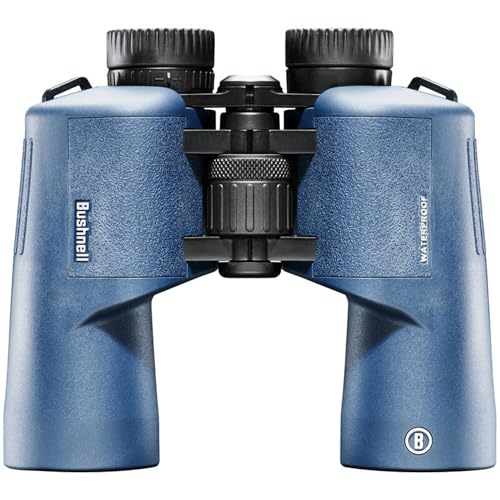
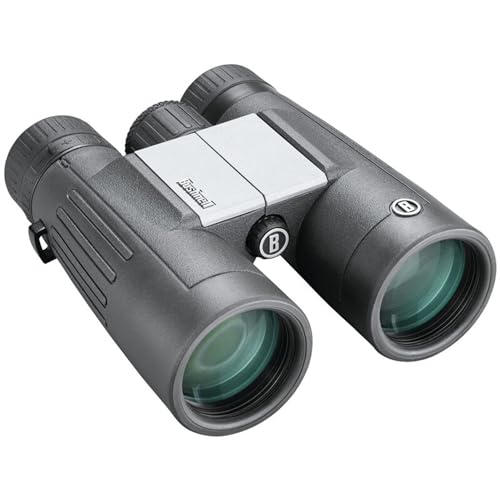
Start by naming that main use, because garden birds, school sports, hiking views, and evening skies each reward a different balance of power, size, and light gathering. The comparison table below gathers the main classes side by side so you can see those trade offs at a glance. The sections after it then walk through the terms, the rookie traps, and the first setup steps in order.




Bushnell Binoculars 101: The Basics
A binocular joins two small telescopes on one frame so both eyes share the work, which makes distant subjects feel closer and easier to follow than with one eye alone. The name on the barrel marks a maker class, and the honest way to shop that class is to judge each pair by its specs, its build, and its warranty rather than by the badge. Treat the brand as a starting shelf, then let the numbers below do the deciding.
First time buyers do best when they pick by use first, because each use rewards a different balance. An 8x42 is the all round class: steady enough to hold, wide enough to follow movement, and bright enough for shade and dusk. Birders lean on that same balance, and our guide to best binoculars for birdwatching shows how one use shapes every number. Once your main use is clear, each spec in the next section becomes a simple yes or no check.
Key Specs Explained in Plain English
Magnification and Objective Lens Size
The first number in a size like 8x42 is the power: 8x makes a subject look eight times closer. The second number is the width of the front lenses in millimeters, and it sets how much light the pair can gather. Divide the second number by the first to get the exit pupil, the width of the light beam that reaches your eye. An 8x42 gives an exit pupil of about 5.3 mm, while a 10x42 gives about 4.2 mm, so the 8x42 looks brighter at dusk and shakes less in your hands.
Field of View and Eye Relief
Field of view is the width of the scene you can see at 1,000 yards, and a wider field makes moving subjects easier to find and follow. Eye relief is the distance your eye can sit back from the rear lens and still see the whole picture, and glasses wearers should look for about 15 mm or more with the eyecups twisted down. Watching birds rewards both traits at once, which is why the pairs in our guide to best bushnell binoculars for bird watching cluster around wide fields and generous eye relief.
Glass, Coatings, and Prism Design
Coatings are thin layers on the glass that cut glare and lift contrast, and the class ladder runs from coated to fully coated to multi coated to fully multi coated. Aim for the top of that ladder in your band, because coatings often matter more than raw power. Prism design shapes the body: roof prism pairs are slim and straight, while porro prism pairs are wider and often cheaper for the same glass quality. Either design can serve a beginner well, so choose by size and price rather than by shape alone.
Size, Weight, and Handling
A full size pair usually weighs about 20 to 28 ounces, which is fine for garden watching and short walks but grows tiring around the neck on a long hike. Compact pairs drop to about 10 to 14 ounces, yet their small front lenses gather less light and their view feels narrower. Handling matters as much as weight: the focus wheel should turn smoothly with one finger, and the barrels should feel balanced rather than front heavy. If a pair fights you in the shop, it will fight you harder in the field.
Waterproofing, Price Bands, and Warranty
A sealed pair with nitrogen inside shrugs off rain and resists the internal fog that ruins a cold morning watch. Hunters lean on that sealing through wet seasons, and our guide to best bushnell binoculars for hunting shows how weather shapes the rest of the spec list.
Most first pairs fall into three price bands: about $50 to $100 for a starter class, about $100 to $200 for the class most beginners keep for years, and about $200 to $400 for finer glass and build. Star averages on shop pages compress fit, glass, and price into a single score, so a guide to best rated binoculars helps most when you read what each score rewards instead of chasing the highest number. Warranty terms govern how long a maker stands behind focus wheels, hinges, and seals, so a long and plainly written warranty is part of the value, not fine print.
Rookie Mistakes to Avoid
- Choosing the highest power on the shelf, then fighting hand shake that blurs every view.
- Judging brightness by lens size alone and ignoring the coating class that controls glare.
- Forgetting the diopter ring, so one eye stays slightly soft no matter how you focus.
- Buying a compact pair for dusk watching, where its small lenses gather too little light.
- Skipping the strap and case, so the pair rides loose in a bag and the lenses collect scratches.
Getting Started: Setup and First Use
Open the box and fit the neck strap first, because a dropped pair teaches the most expensive lesson in this hobby. Set the barrel width so the two circles merge into one, then cover the right lens and focus the left eye with the center wheel. Next, cover the left lens and turn the diopter ring until the right eye is sharp, and that setting stays yours from then on. Twist the eyecups up if you watch without glasses and down if you wear them.
Clean lenses only with a soft lens cloth, since a shirt tail grinds dust across the coating. Store the pair in its case in a dry room, not in a car where heat cycles work on seals and focus grease. On a first slow outing, new watchers often borrow route ideas from our guide to best binoculars birding, which keeps the walk about learning the focus wheel rather than chasing rare sightings. Give yourself three or four outings before judging the pair, because steady hands are a learned skill.
Frequently Asked Questions
What does 8x42 or 10x42 mean on a binocular?
The first number is the magnification and the second is the front lens width in millimeters, so a 10x42 shows subjects ten times closer through 42 mm lenses. These numbers follow the same code on every brand, which means you can compare pairs across makers without learning a new language each time. For a first pair, 8x42 is the forgiving choice, since it shakes less and shows a wider field than 10x42.
How much should a first time buyer spend on binoculars?
Most first time buyers land well in the band of about $100 to $200, where glass, coatings, and sealing all reach a solid class. Spending under about $50 usually means dim glass you will want to replace within a year. Keep a little of the budget aside for a padded case and a chest harness if you hike, because comfort gear decides whether the pair actually leaves the house.
Which binoculars work better in low light?
Binoculars with a larger exit pupil and fully multi coated glass work better in low light, because they deliver a wider, cleaner beam to your eye. An 8x42 or an 8x56 suits dawn and dusk watching far better than a compact 10x25. If you can, test a pair at a shop door near closing time, since real dusk tells you more than any brightness claim on the box.
Is a smartphone enough instead of binoculars?
A smartphone is not enough for sustained watching, because its zoom is mostly a digital crop that softens detail as you push it. Binoculars also spare your phone battery for maps, calls, and photos on a long day out. A phone still earns its place for snapping a quick record shot through one lens, but it works best as a partner to a real pair, not a replacement.
What specs matter most for beginner binoculars?
Power, eye relief, and weight matter most for beginners, because they decide whether the view is steady, comfortable with glasses, and easy to carry. Coatings come next, since they shape contrast on grey days. One spec few beginners check is the focus wheel travel: a wheel that moves from close focus to distance in about one turn suits fast moving subjects, while a slower wheel suits careful scenic watching.
Wrapping Up
For a first pair, hold three checks above the rest: pick by use first, keep the exit pupil near 5 mm if you watch at dusk, and choose the class your hands can hold steady. The product table above lines those classes up side by side, so compare your shortlist against it before you order. Whichever band you choose, the best bushnell binoculars for you are the ones whose numbers match the watching you actually do.