Best Calorie Burning Elliptical Workout for Every Need in 2026: How to Pick the Right One
Disclosure: We may earn a commission when you buy through links on this page, at no extra cost to you. As an Amazon Associate I earn from qualifying purchases. Learn more

Find a calorie burning elliptical workout that fits your goals, with guidance on resistance, stride length, interval plans, space needs and upkeep.
Calories burned on an elliptical depend less on one magic setting and more on how hard you work, how long you stay consistent, and how well the machine fits your body. The best calorie burning elliptical workout pairs enough resistance to challenge you with a pace you can repeat several times a week. Use the comparison table below to match workout style, features, and space.
Start by naming your main goal and your main limit. You may want short hard intervals before work, longer steady sessions that feel gentle on your knees, or a quiet routine in a small apartment. Each goal points to a different mix of resistance, stride, and frame size.


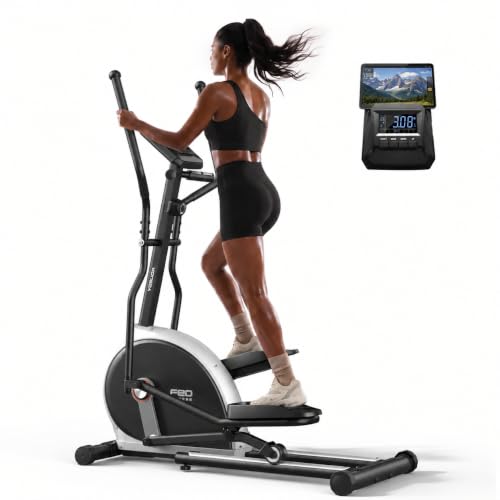
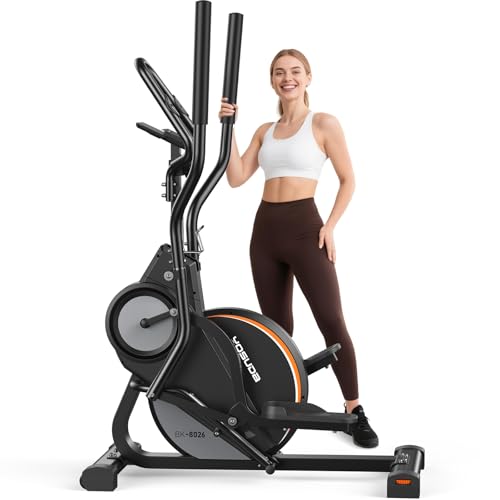

Who Should Buy Which Calorie Burning Elliptical Workouts?
Choose by the session you will actually repeat. A plan that leaves you sore or bored will burn fewer calories over a month than a simpler plan you enjoy.
Time Pressed Interval Trainers
You have about 20 to 30 minutes and want the most work from that window. Prioritize a wide resistance range, quick program controls, and an incline option if available, because short hard efforts followed by easy recovery minutes drive the calorie total up. You also need a stable frame and moving handlebars so your arms share the effort.
Joint Sensitive Steady Burners
You want longer sessions at a moderate pace because running or stairs bother your knees, hips, or ankles. Look for smooth magnetic resistance, a stride that matches your natural step, and pedals placed close together so your hips stay aligned. Stop and seek care promptly if you feel chest pain, sharp joint pain, faintness, or breathlessness that does not settle with rest, and talk with your clinician about personal needs.
Frequent or Serious Users
You train four or more times a week and expect the machine to handle years of steady use. Choose commercial grade models where your budget allows, with a heavier flywheel, a strong warranty, and a weight capacity well above your body weight. Bluetooth tracking matters more for you, because weekly minutes and effort trends help you raise the load gradually.
Small Space and Weekend Beginners
You are starting out, training in a spare corner, or storing the machine between sessions. A foldable design or a compact footprint matters most, along with transport wheels and simple controls. Simple models often cost about $300 to $600, which suits two or three weekly workouts while you build the habit. For pacing basics, see our guide to the best elliptical machine workout.
Key Features to Compare
Compare features by what each one changes during a hard session, not by list length.
Resistance Levels and Magnetic Resistance
Resistance is the main lever for calorie burn, because pushing against a harder setting raises your effort at the same pace. Many home models offer about 16 to 24 resistance levels, and magnetic resistance changes that load smoothly and quietly without a pad pressing on the flywheel. Choose a range where the middle settings already feel challenging, so you can add intensity later instead of only adding time.
Interval Programs and Incline Control
Built in interval programs alternate hard and easy minutes for you, which keeps effort honest when motivation dips late in a session. Adjustable incline, often about 0 to 10 degrees or more on larger models, shifts work toward your glutes and calves without extra speed. For another way to rotate hard and steady days, see our guide to the best fat burning workout on elliptical.
Stride Length and Moving Handlebars
Stride length sets how natural each step feels, and most adults do well with about 18 to 22 inches, while shorter users may prefer the lower end. A stride that is too short feels choppy and too long pulls at your hips, and both errors cut the time you can sustain. Moving handlebars add arm work and raise total energy use, while fixed rails help when you need balance during recovery minutes.
Heart Rate Tracking and Bluetooth Connection
Heart rate feedback tells you whether a session is truly hard or only feels hard in the first minutes. Grip sensors give a quick spot check, while many smart connected models pair with a chest strap or an app over Bluetooth for a steadier reading during intervals. Treat calorie estimates on the console as rough guides rather than exact totals.
Build Quality, Steel Frame, and Weight Capacity
A steel frame with a wide base keeps the machine planted when you push hard or pull the moving handles with force. Check the stated weight capacity and stay comfortably below it, because a rating of about 250 to 350 pounds signals stronger joints and drive parts. Compare warranty coverage for frame, parts, and labor separately, and favor longer frame coverage for daily use.
Space, Footprint, Ceiling Height, and Portability
Measure your room before you order, including ceiling height, because your head rises several inches above the pedals at the top of each stride. Most home ellipticals need a footprint of about 5 to 6 feet long and about 2 feet wide, plus clear space behind for mounting. Assembly often takes one to two hours with a second person, and transport wheels help if the machine must move after each session. For layout ideas, see our guide to the best home workout elliptical.
Workout Structures Compared: Intervals, Steady Pace, and Reverse Strides
Structure decides how the same machine feels across a week. Intervals pack effort into short sessions, steady pace builds total minutes, and a mix of both usually wins because variety protects your joints and motivation. That mix, matched to honest resistance, is what turns a routine session into the best calorie burning elliptical workout for your schedule, since consistency beats intensity you cannot repeat.
An interval session might use five rounds of two hard minutes and two easy minutes after a gentle warm up, while a steady session holds one moderate effort for about 30 to 45 minutes. Reverse strides for a few easy minutes change which muscles lead, though they suit recovery pace better than hard efforts. Runners often use the steady option on rest days, so see our guide to the best elliptical workout for runners.
Footwear changes comfort more than many new users expect. Flat, firm shoes with a secure heel keep your foot stable on wide pedals, while very soft soles can feel unstable during standing intervals. If pedal slip ends your sessions early, see our guide to the best shoes for elliptical workout.
Common Mistakes to Avoid When Buying Calorie Burning Elliptical Workouts
- Choosing only by price leaves you with weak resistance that you outgrow in months.
- Skipping the ceiling measurement means your head can come too close to a low ceiling.
- Ignoring the warranty split between frame, parts, and labor leaves repair costs unclear later.
- Buying a footprint that fills the whole room leaves no safe space to mount or step off.
- Setting resistance too low and pedaling fast builds bounce and poor form instead of useful effort.
- Repeating hard intervals daily without recovery leads to sore joints and missed workouts.
Keeping Your Elliptical Clean and Running Smoothly
Place the elliptical on a mat to protect floors and reduce noise. Wipe down the console, handles, and rails after each workout, because sweat left on touch points corrodes finishes and makes grips slippery. Keep pedals and rails free of dust so each stride stays smooth.
Tighten bolts monthly, since the repeated push and pull of intervals slowly loosens frame joints. Check for new squeaks or grinding, and stop using the machine if a pedal or handle feels loose under load. Store a foldable model locked upright, away from damp walls.
FAQs
Is a calorie burning elliptical workout quiet enough for an apartment?
Yes, a calorie burning elliptical workout is usually quiet enough for an apartment when the machine uses magnetic resistance. The main sounds come from your footfalls and from a loose bolt or worn rail, not from the drive itself. A mat under the frame softens vibration through the floor. Training earlier in the evening also helps in thin walled buildings.
Which elliptical workout style is better for beginners burning calories?
Steady pace training is better for beginners because it teaches even effort and good posture before hard intervals begin. Start with sessions you can finish while breathing hard but still speaking in short phrases. Add one short interval day only after two or three weeks. That order builds total weekly minutes first, which matters more early on than peak effort.
How much space do you need for a calorie burning elliptical workout at home?
You need a clear area a little longer and wider than the machine itself for a calorie burning elliptical workout at home. Leave about 2 feet behind the pedals so you can mount and step off without turning sideways. Door swing also eats into small rooms. Mark the footprint on the floor with tape for a day before ordering.
Is a subscription required for smart connected elliptical workouts?
No, a subscription is not required to complete smart connected elliptical workouts on most machines. Built in programs, manual resistance control, and basic heart rate readouts normally work without any monthly fee. Paid apps mainly add coached classes and scenery routes. Check which console features sit behind payment before buying, because some brands lock interval libraries inside their app.
How long should a calorie burning elliptical workout last?
A calorie burning elliptical workout should last about 20 to 45 minutes for most adults, depending on intensity. Short interval sessions sit near the lower end because the hard minutes limit how long you can continue. Steady sessions can run longer at a lower load. Count your warm up inside that total at first, then extend the working middle.
The Bottom Line
Match the workout to your week first, then choose the machine that supports it with enough resistance, a stride that fits your body, and a stable frame. Check your ceiling and footprint before you order, and use the product table above to compare the short list.
When you judge every option against that plan, the best calorie burning elliptical workout becomes the one you can repeat, progress, and recover from each week. Start with the structure that fits your schedule today, and raise resistance or minutes one step at a time.