
Best Building Sets for 10 Year Olds by Budget: Smart Picks for 2026
Disclosure: We may earn a commission when you buy through links on this page, at no extra cost to you. As an Amazon Associate I earn from qualifying purchases. Learn more

Compare the best building sets for 10 year olds by budget, piece count, challenge level, and theme with this guide to choosing lasting play value.
Building sets for a ten year old range from around $15 to well over $200, and price alone tells you little about whether a set will hold attention for a weekend or a year. The best building sets for 10 year olds hit a specific balance: enough pieces and technique to feel like a real project, without steps so dense that the box stalls half built.
This guide compares tiers and features rather than reviewing individual products, so you can set a budget first and then spend it where it counts. Check the comparison table below for a quick tier overview, then read on for the details behind each price band.

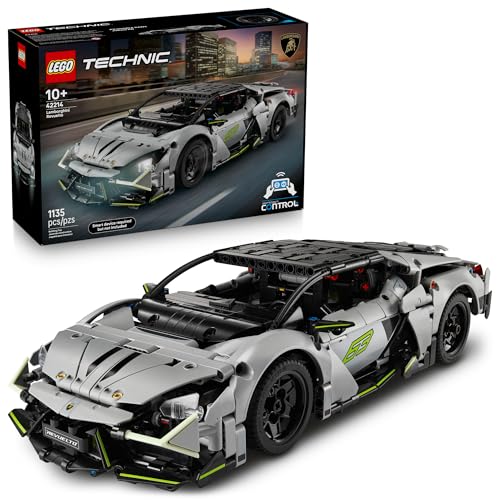


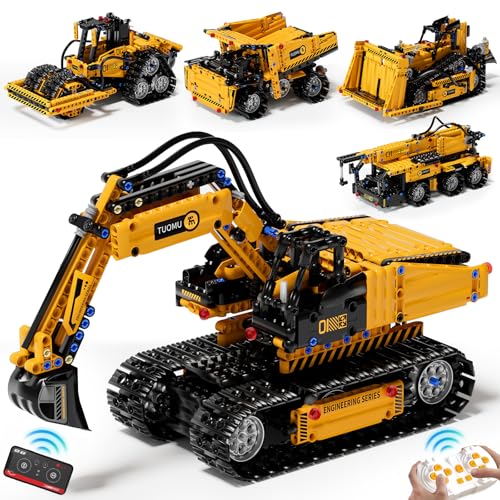


Choosing by Budget: Three Tier Profiles
Budget Tier Profile
Budget sets, usually around $15 to $30 with roughly 150 to 400 pieces, suit a child who is new to focused building or trying a fresh theme. Builds finish in one sitting of about 30 to 60 minutes, instructions stay simple, and the finished model is sturdy enough for play. This tier works well for party gifts and for testing interest in mechanisms or a new subject before spending more. The ceiling is challenge: a confident ten year old may finish a budget set quickly and ask what is next within the week.
Mid Range Tier Profile
Mid range sets, usually around $35 to $75 with roughly 450 to 1,000 pieces, are the main gift tier for this age. Expect moving parts, several figures or accessories, and build times of two to four hours that can spread across a weekend. Techniques get more interesting here, with layered construction and simple gearing that teach real building habits. Most ten year olds get the strongest mix of challenge, play value, and price in this band, and sets at this level often anchor a growing collection in one theme.
Premium Tier Profile
Premium sets, usually around $90 to $200 or more with 1,100 to 3,000 pieces, target patient builders who enjoy long projects and detailed results. These sets add motorized functions in some cases, dense interior detail, and models that look impressive on a shelf. They suit a ten year old with a track record of finishing big builds, ideally with a dedicated table where work can sit undisturbed for days. For a child who prefers active play over display, premium detail can go unappreciated, so match the tier to habits, not just to enthusiasm on the day.
What Your Money Gets You at Each Price Tier
Budget Tier: What to Expect
Budget money buys standard parts, one main model, and clear simple instructions. Specialty pieces are rare, colors are common, and alternate builds, if included, stay simple. That is enough to learn sorting, step following, and basic structural ideas. Think of budget sets as skill builders and theme samplers. They also make practical classroom or travel sets, because losing a piece or two does not ruin an expensive model, and the whole set fits in a small storage tub.
Mid Range Tier: The Sweet Spot for Most Buyers
Mid range money adds the features ten year olds talk about: working wheels and winches, opening sections, hidden details, and enough figures to act out stories. Piece variety improves, so parts remain useful for free building after the main model comes apart. Instructions introduce techniques your child will reuse for years. If you buy one set for a birthday or holiday this year, this tier most often delivers the best value per hour of engaged building, and it leaves budget room for a small add on set later.
Premium Tier: When Spending More Pays Off
Premium money buys scale, mechanical depth, and time. Geared systems, suspension, and in some sets app controlled motors turn building into early engineering, while large display models reward patience with real presence on a shelf. Spending more pays off when your child finishes what they start and cares about detail. It pays off poorly when the set will be rushed, mixed into a general parts bin within a week, or left where younger siblings can pull it apart, so protect the investment with a build space and a storage plan.
Features Worth Paying For and Ones to Skip
Size, Weight, and Fit for Your Space
Check the finished model dimensions before buying, not just the piece count. A large premium model can span about 20 inches or more and needs a shelf or table of its own, while mid range models usually fit a bedroom bookshelf. Weight matters for play sets a child carries between rooms. If space is tight, favor sets that rebuild into alternate models over sets that only display, and keep small parts contained, especially in homes covered by our guide to the best building sets for 4 year olds, where loose small pieces are a choking hazard for younger children.
Ease of Use and Setup
Good sets for this age sort pieces into numbered bags matched to instruction stages, so a builder never hunts through a thousand parts for one piece. Clear diagrams, a parts list, and a sturdy instruction book all reduce frustration. Setup should take minutes: a table, good light, and a tray for loose pieces. Skip sets that require apps, accounts, or downloads just to begin a basic build, unless your child specifically wants a coding or robotics set and you are ready to help with the first session.
Intended Use and Who It Is For
Decide whether the set is for solo project time, social building with friends, or family display. Puzzle minded children thrive on long solo builds, while social builders do better with sets that split into sections two people can assemble together. A ten year old stepping up from simpler sets may enjoy rereading our guide to the best building sets for 7 year olds to see how far their skills have come. If your child prefers making over model building, our guide to the best craft sets for 10 year olds covers a neighboring kind of project gift.
Price vs Value
Judge value by cost per hour of real engagement, not by piece count alone. A mid range set at around $50 that gets built, played with, and rebuilt across a school term beats a discounted premium set that stalls at bag three. Sales are common on older sets, so patience often saves about 20 to 30 percent. Do pay for quality parts that fit precisely, because poorly fitting pieces frustrate builders of any age and quietly end projects early.
Features That Matter for 10 Year Olds
Ten year olds need genuine technique: gears, hinges, and structural bracing, plus instructions that explain steps in small stages. Look for piece counts around 450 to 1,200 for a main gift, and themes tied to real interests such as vehicles, space, architecture, or animals. Safety still matters: sets contain small parts, so store them away from children under three, and supervise any set with button batteries or small magnets, following the warnings on the box. A set slightly above current skill, with you nearby for the hardest steps, grows ability fastest.
Long Term Costs to Factor In
Ownership costs stay modest but real. Sorting boxes or a parts cabinet add around $15 to $40, display shelving may follow a premium purchase, and popular themes invite add on sets across birthdays. Replacement pieces for major systems are cheap for common parts, which keeps sets repairable for years. Hand me down value is high at this age: a complete set with instructions resells or passes to cousins easily, and younger siblings often graduate into them, much like the progression described in our guide to the best building sets for 5 year olds.
Frequently Asked Questions
What features matter most in building sets for 10 year olds?
Challenge matched to skill matters most, followed by piece variety and moving functions. A main gift should offer roughly 450 to 1,200 pieces and at least one mechanism or transformation to explore after the build. Clear staged instructions keep the project moving, while a theme tied to a real interest keeps the finished model in use.
What features matter most when buying building sets in general?
Part quality and compatibility come first, because precise pieces build well and stay useful across sets. Next, weigh instructions, storage, and whether the system is still actively sold, since active systems make replacement parts and add ons easy to find. A set from a discontinued or obscure system can become a dead end within a year.
How much should I spend on a building set for a 10 year old?
Around $35 to $75 covers most main gifts well, with enough pieces and features to hold attention. Spend around $15 to $30 for a trial set or a smaller occasion, and reserve $90 or more for a proven builder celebrating something special. Spending beyond the child interest level rarely pays back, however good the discount looks.
Are expensive building sets worth it for a 10 year old?
They are worth it for finishers: children who complete long builds and enjoy displaying or modifying them. Premium sets teach advanced techniques and patience that smaller sets cannot. They are poor value for children who build once and move on, because the extra detail goes unused. Past behavior with mid range sets is the best predictor you have.
How do I maintain a building set so it lasts?
Keep the instruction book, store pieces dry and out of strong sun, and wash dusty parts in lukewarm water with mild soap, then dry them fully. Storing a display model under a simple cover cuts dusting dramatically. Check battery powered parts a few times a year and remove batteries during long storage to prevent leaks damaging contacts.
How long does a building set for a 10 year old last?
Quality plastic building pieces last for decades and often pass between siblings. The practical life of one model is shorter: most children display or play with it for months, then rebuild or absorb the parts into free building. Sets stay valuable longest when instructions are kept, because a complete set can always return to its original model.
The Bottom Line
Choose the tier by your child building habits, match piece count to their patience, and spend the rest on theme and technique. The product table above lines up the best building sets for 10 year olds so you can check those points in minutes. A set that gets finished, played with, and rebuilt is always the right purchase, whatever the box price.


