
Best Building Sets for 7 Year Olds: A Skills and Play Guide for 2026
Disclosure: We may earn a commission when you buy through links on this page, at no extra cost to you. As an Amazon Associate I earn from qualifying purchases. Learn more
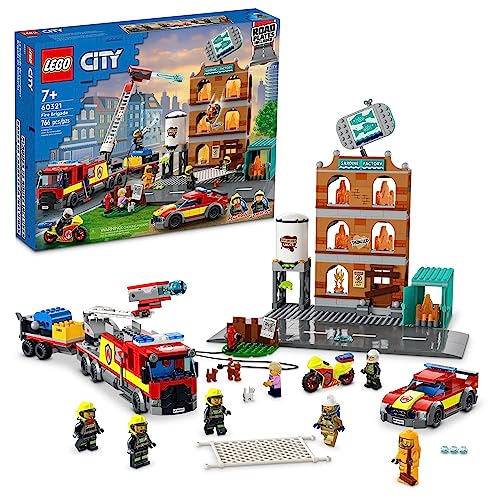
A guide to building sets for 7 year olds: instructions, complexity, themes, display versus play, and the sets that grow skills without causing frustration.
Seven year olds sit at a sweet spot for building: they can follow multi step instructions, persist through a tricky section, and still play imaginatively with the finished model. The best building sets for 7 year olds match that stage with clear instructions, satisfying complexity, and models that invite both display and play. The comparison table below gives a quick side by side view, and this guide explains how to judge difficulty, theme, and value.
The wrong difficulty frustrates quickly. A set far below a child level bores them, while a set far above it leads to abandoned builds and lost confidence. Matching piece count, instruction clarity, and build time to the child experience matters more than age labels alone, which vary widely by maker.


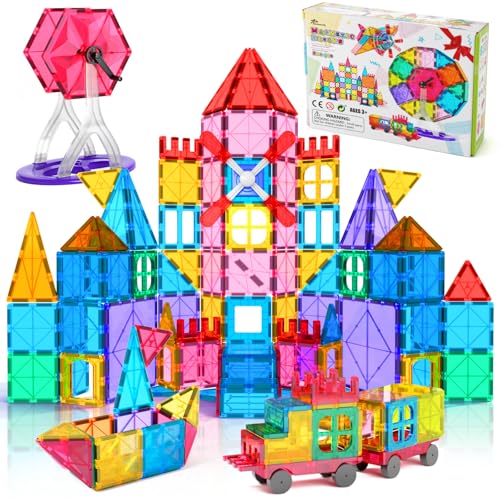
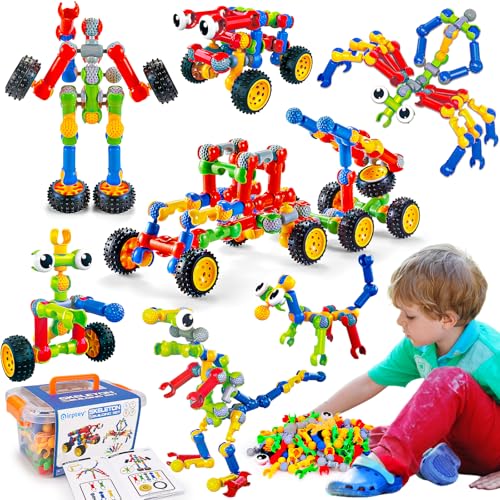

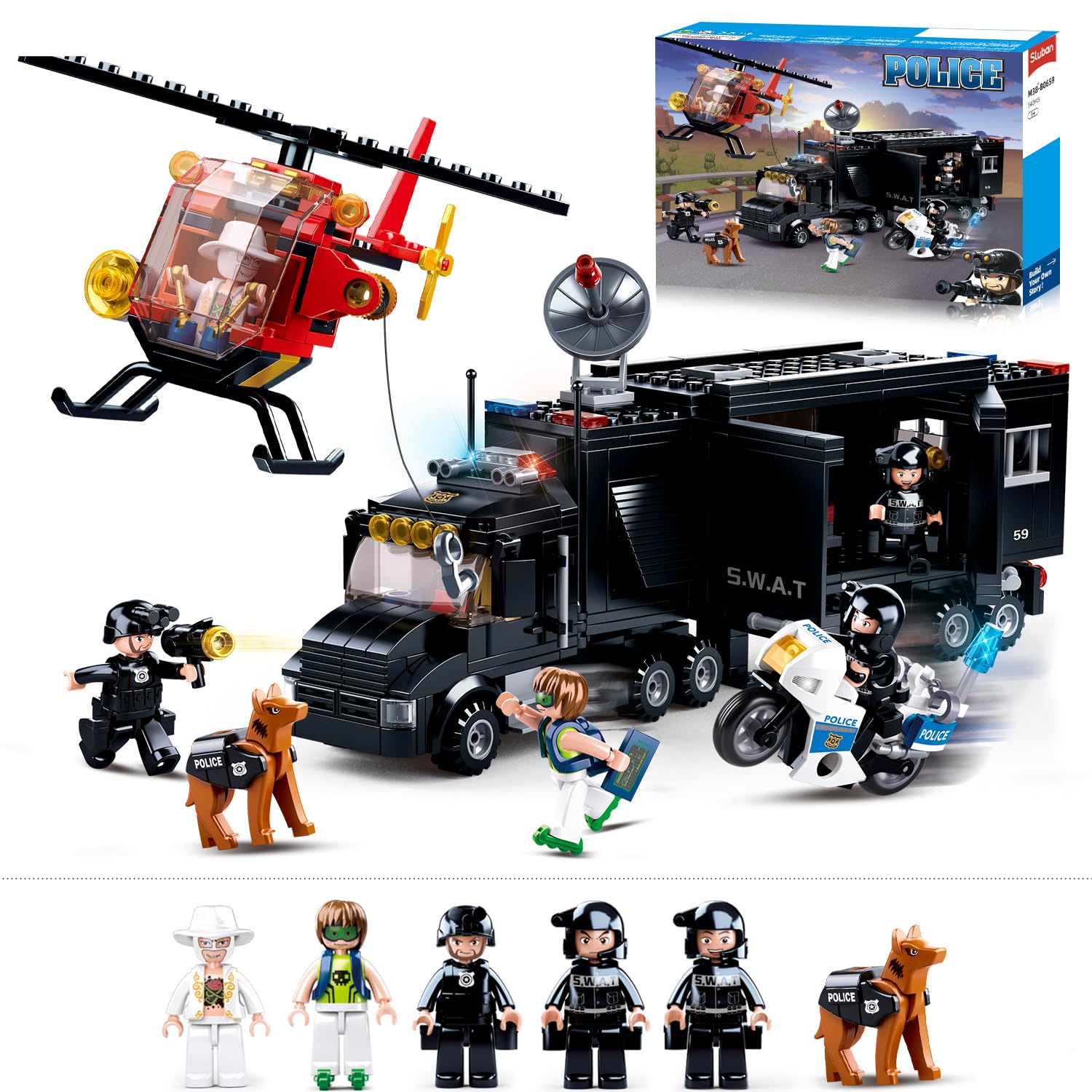
Judging Difficulty Honestly
Age labels give a rough guide, but piece count, build steps, and the number of small or repetitive sections tell a truer story. A set with several hundred pieces and clear numbered bags suits many 7 year olds, especially with occasional adult help for tricky sections. A set with thousands of tiny pieces and long repetitive stages suits older builders better, even if the theme appeals.
Watch how your child builds. If they enjoy sorting pieces, following diagrams, and checking their work, they will handle more complexity. If they prefer quick results and free building, a smaller themed set with a satisfying model in an hour or two will suit them better. There is no prize for the hardest set; the best set is the one that gets finished and played with.
Instructions, Bags, and Build Experience
Good instructions use clear diagrams, numbered bags that match build stages, and a logical order that builds a stable core before adding details. Numbered bags reduce sorting time and let a child pause between stages without losing place, which suits after school building sessions. Digital instructions with rotating views can help with tricky sections, though paper instructions suit children who prefer a book at the table.
Build time also matters for family routines. A set that takes several evenings suits a child who loves a long project, while a set finished in one sitting suits a birthday or rainy day. Check the estimated build time if listed, and plan a dedicated building spot where a half finished model can stay undisturbed. That spot prevents lost pieces and frustration.
Themes: Play, Display, and Imagination
Themes drive motivation at this age. Vehicles, buildings, animals, fantasy worlds, and licensed characters all appeal differently, and a theme your child already loves will carry them through harder sections. Ask what they want to do with the finished model: play with it daily, display it on a shelf, or rebuild it into new creations. Each answer points to a different set type.
Play focused sets use sturdier connections and moving parts that survive daily handling, while display focused sets prioritize detail and appearance over durability. Neither is better in general, but a display model given to a rough player will disappoint, just as a simple play set may bore a child who loves detailed models. Matching theme to intended use prevents that mismatch. Younger and older age options appear in our guides to best building sets for 3 year olds and best building sets for 5 year olds.
Skills Building Sets Develop
Building sets develop patience, spatial reasoning, fine motor control, and early engineering intuition. Following instructions teaches sequencing and attention to detail, while free rebuilding encourages creativity and problem solving when a design does not work as imagined. Those skills transfer to school tasks such as math, reading diagrams, and planning multi step work.
Social skills grow too when children build together, negotiate piece sharing, and help each other through tricky steps. Sets with enough distinct roles, such as figures or vehicles for two players, support cooperative play better than a single builder model. If siblings build together, consider sets with duplicate popular pieces to reduce conflict over scarce parts.
Value, Storage, and Expansion
Value depends on build hours, play hours after completion, and expansion potential, not only on price per piece. A set that is built once, displayed briefly, and forgotten offers less value than a slightly pricier set that is rebuilt, combined with other sets, and played with for months. Compatible systems that mix with existing bricks extend value enormously, since new sets join an existing collection rather than standing alone.
Storage for finished models needs thought too. A display shelf protects detailed models, while a play bin suits sturdy models that are rebuilt often. Keep instructions, since a child may want to rebuild a model months later, and store spare pieces in a labeled box for repairs and custom builds. Lego style sets for this age are covered in our guide to best lego sets for 7 year olds.
A Final Check Before You Buy
Before you buy, check piece count, instruction style, and build time against your child experience, and confirm the theme matches their interests and intended use. Note whether the set connects with bricks you already own, and plan a building spot and storage for the finished model.
Build the first stages together if your child is new to this difficulty level, then step back as confidence grows. Celebrate completion, photograph the model, and let play or display follow naturally. The product table above summarises set types, and your child interests plus experience will narrow them to a set that delights rather than frustrates.
From Building to Inventing: Free Play Ideas
Once a child can follow instructions confidently, free building opens a new stage of creativity. Set challenges such as building the tallest tower that survives a gentle table shake, designing a vehicle that rolls down a ramp, or creating a house for a favorite figure with a door that opens. Those challenges use the same pieces differently and teach engineering thinking through play rather than rules.
Combining sets multiplies possibilities. Mixing bricks from different themes lets a child invent hybrid vehicles, buildings, and creatures that no single set contains, and that inventiveness is often more engaging than following another instruction booklet. Keep a box of loose pieces separate from complete sets, so free building does not dismantle a prized display model mid project.
Documenting builds adds pride and reflection. Photograph finished creations, keep a simple sketchbook of ideas, or display a rotating model on a shelf for a week. Reviewing past builds helps a child notice progress and plan improvements, turning building from a one time activity into a growing hobby with its own history and ambitions.
Sharing builds with friends or family adds another dimension, since explaining a design to someone else deepens understanding. Encourage your child to show a finished model and describe how it works, which parts were tricky, and what they would change next time. That reflection turns a completed build into learning that carries into the next project and beyond.
Frequently Asked Questions
How many pieces suit a 7 year old?
Many 7 year olds handle several hundred pieces with clear numbered bags and occasional adult help. Piece count alone misleads, since instruction clarity and repetitive sections matter too. Match difficulty to your child experience: quick builders suit smaller sets, while patient builders enjoy longer projects.
Are licensed sets better than generic building sets?
Licensed sets motivate children who love a character or world, which helps them persist through tricky sections. Generic sets often offer better value and more open ended rebuilding. Choose based on your child interests and whether the finished model will be played with, displayed, or rebuilt.
Should 7 year olds build alone or with help?
Many 7 year olds build mostly alone with occasional help for tricky steps, which builds confidence and persistence. Building first stages together helps newcomers learn instruction reading. Step back as skills grow, and offer help only when frustration rises rather than taking over.
How do I store finished building models?
Display detailed models on a shelf away from heavy traffic, and keep sturdy play models in a bin for rebuilding. Save instructions for future rebuilds, and store spare pieces in a labeled box. A dedicated building spot where half finished models stay undisturbed prevents lost pieces.
Do building sets help school skills?
Building sets support spatial reasoning, sequencing, fine motor control, and patience, all useful for math, reading diagrams, and multi step school tasks. Free rebuilding adds creativity and problem solving. Cooperative building also builds negotiation and teamwork skills with siblings and friends.
Final Thoughts
Building sets for 7 year olds should match difficulty to experience, theme to interests, and model type to play or display intentions. Clear instructions, numbered bags, and a satisfying build time turn a box of pieces into a project a child finishes proudly. The product table above compares set types, and your child history will guide the final pick.
Start with a set slightly challenging but achievable, build together at first if needed, and celebrate completion. That approach grows skills and confidence without frustration, and it keeps building a beloved activity rather than a chore. It is the essence of choosing the best building sets for 7 year olds for this exciting stage.


