Best Art Sets for 4 Year Olds: A Buyer Checklist for 2026
Disclosure: We may earn a commission when you buy through links on this page, at no extra cost to you. As an Amazon Associate I earn from qualifying purchases. Learn more

A buyer checklist for the best art sets for 4 year olds: safety, grip size, washable media and storage.
Four year olds sit in a fun middle ground. They can hold a pencil with growing control, copy shapes, and sit with a project longer than a toddler, yet they still need washable supplies and close supervision. This checklist helps you judge the best art sets for 4 year olds by safety, grip fit, media mix, and cleanup, so you can use the comparison table below with confidence instead of guessing from the piece count on a box.
A good set at this age teaches real skills quietly, through tools that fit small hands and forgive hard pressure and spills.




How to Evaluate Art Sets
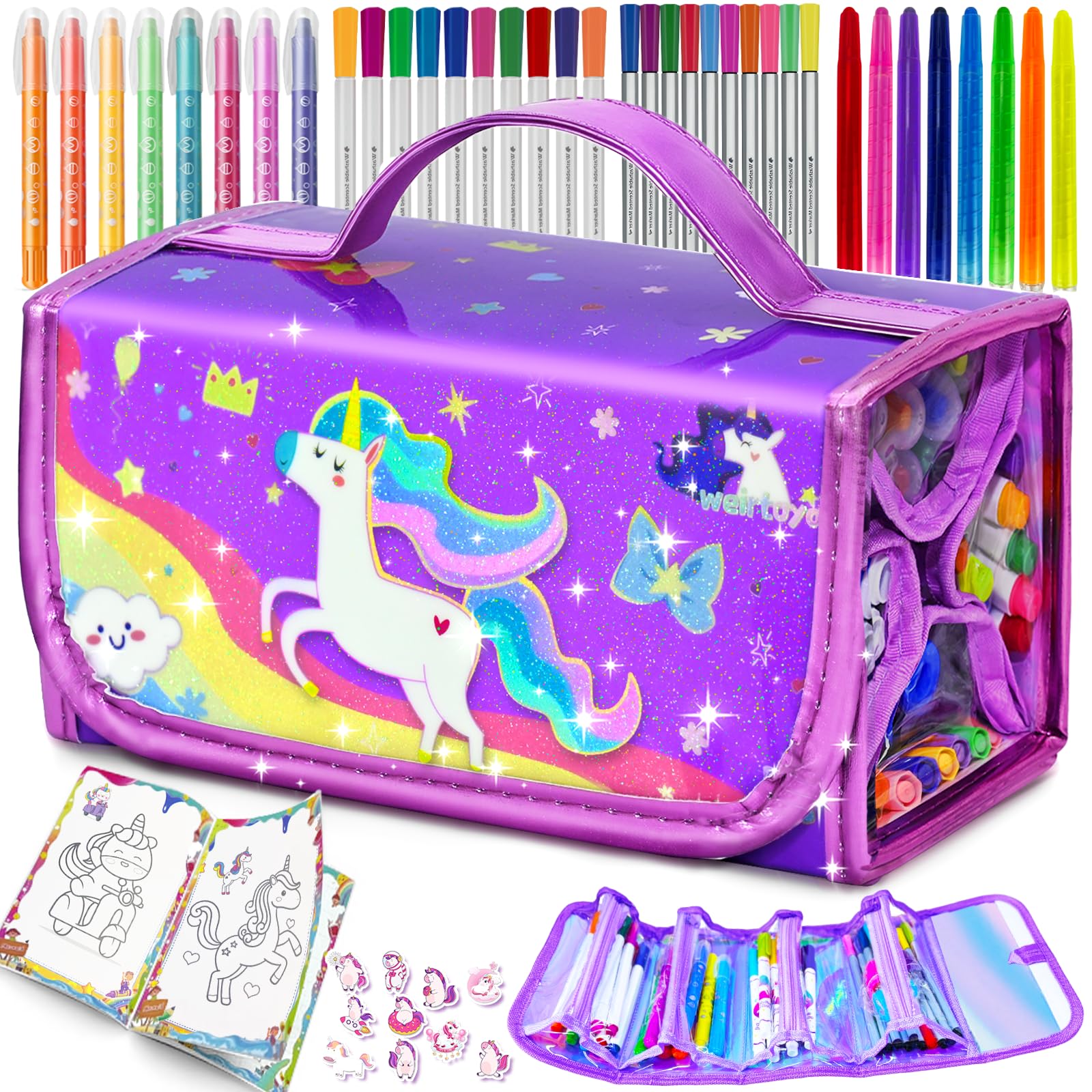
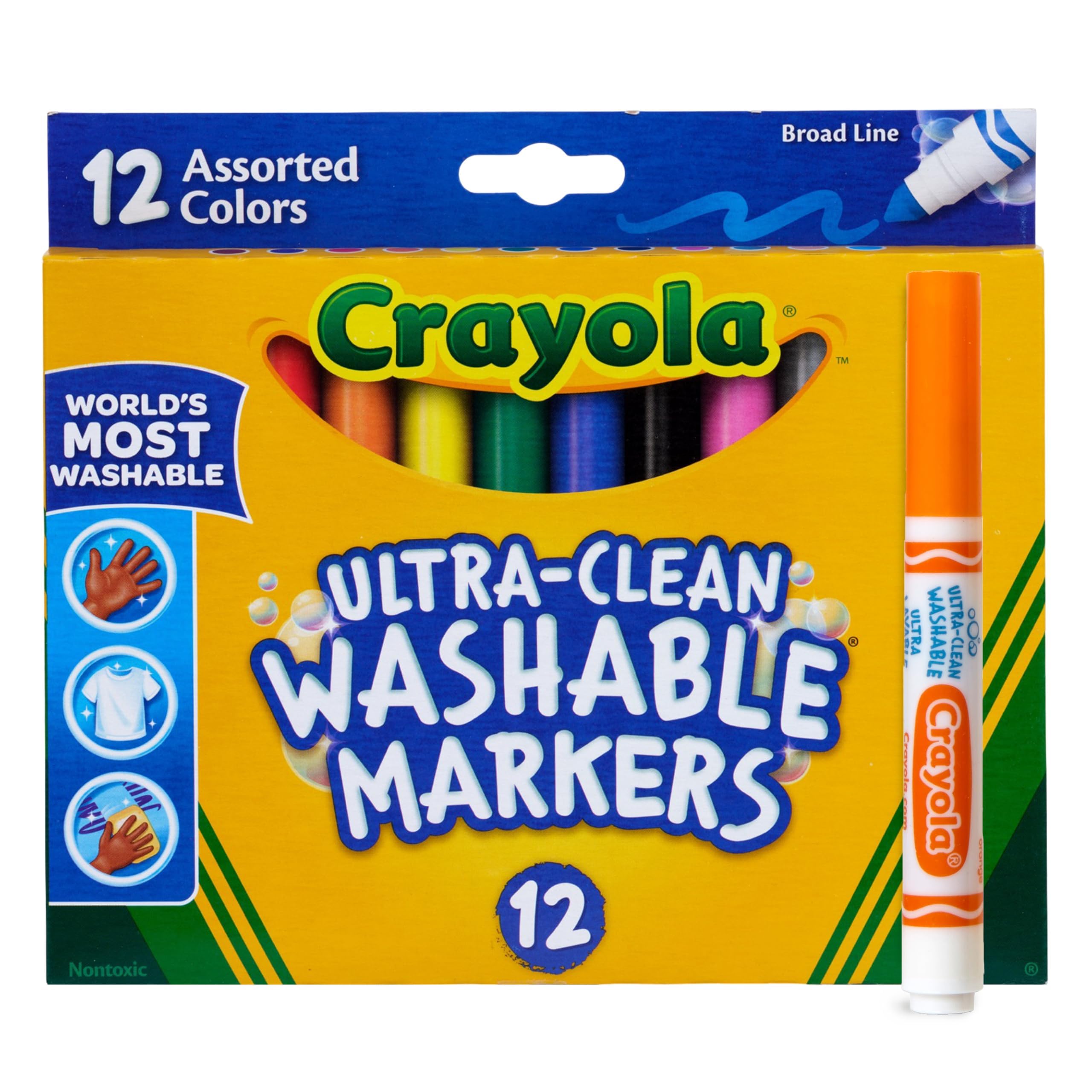
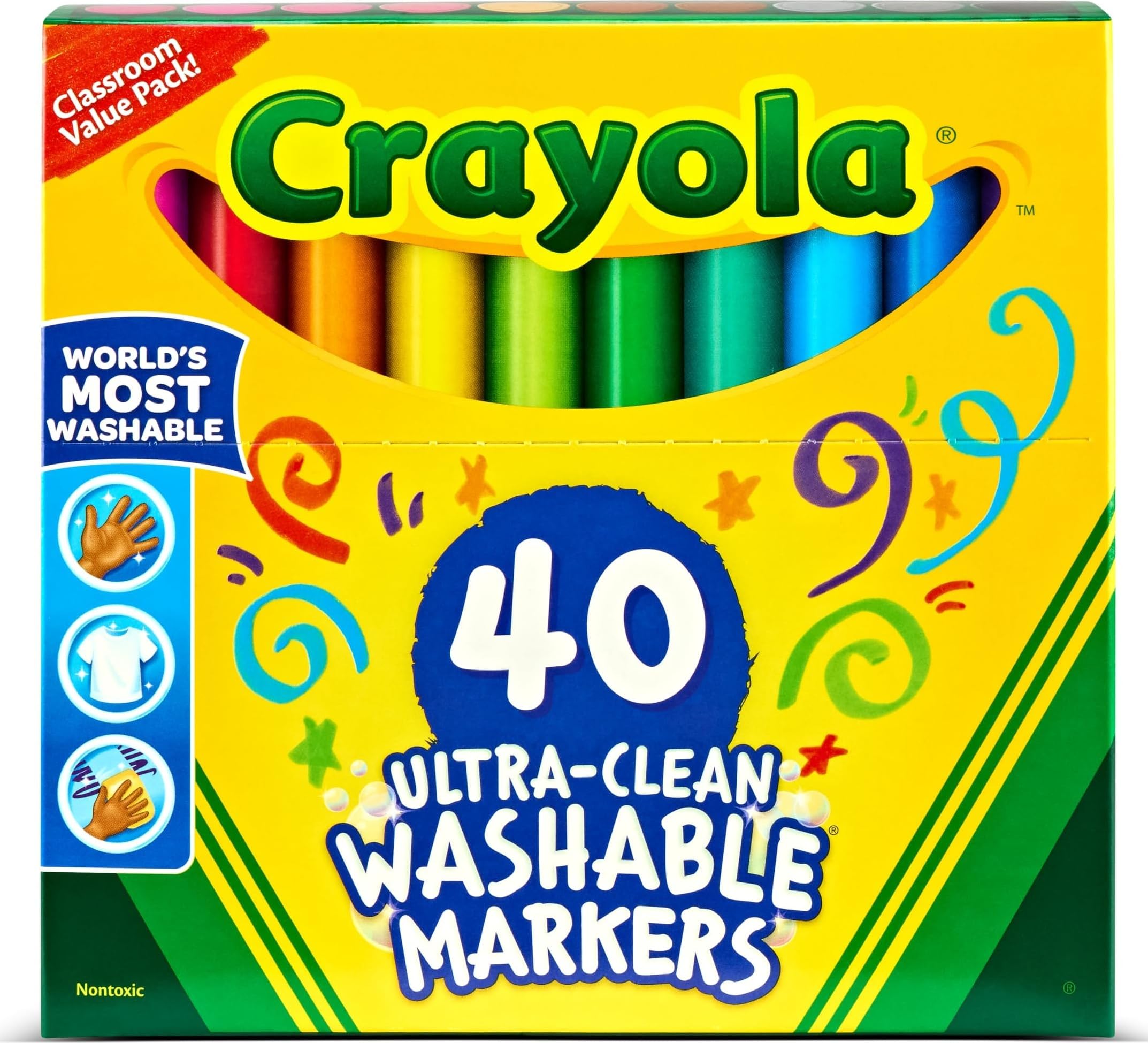
Use this scorecard on any set in the product table above. A set does not need top marks everywhere, but it should pass safety with no doubts, fit your child and their current grip, and match the kind of art they ask for most often, drawing, painting, or making things.
Features That Matter for 4 Year Olds
At four, children move from a fist grip toward a finger grip, so slightly slimmer crayons and pencils than toddler tools are right, while still thick enough not to snap. Look for sets that add one skill step, such as safety scissors with adult help, a glue stick, or watercolor with a real brush. Around 25 to 60 pieces is plenty. More than that mostly means duplicates and clutter. Paper should be large and fairly thick, and a drawing guide or simple project cards can stretch attention nicely.
Intended Use and Who It Is For
Most four year olds use art sets at home, in preschool, and for gifts from family. Home sets can include paint, since cleanup space exists, while preschool sets should stress washable media and individual storage so each child keeps their own tools. Gift buyers should include paper in the box, so the child can start at once. If your child mainly draws characters and stories, weight the set toward pencils, markers, and a sketch pad rather than craft extras they may ignore.
Safety and Certifications
Require a nontoxic label and conformity to ASTM D 4236, printed clearly with the maker name. Four year olds still mouth objects when distracted, share supplies, and rub eyes with painty hands, so supervision and hand washing after art remain part of the routine. Scissors should be blunt tipped and used with an adult nearby. Warning signs that need prompt medical advice include a swallowed piece, choking, a spreading rash, eye pain, or breathing trouble after using a supply. Talk with your clinician about personal needs if your child has eczema, allergies, or asthma, and stop using any product that seems to trigger symptoms.
Build Quality and Materials
Crayons should survive drops on hard floors without shattering into small bits, and marker caps should click shut so an adult can hear that they are closed. Cases with real hinges and trays with defined slots last the school year, while thin vacuum formed trays crack within weeks. Paint should look smooth and smell mild. Brushes should keep their bristles when tugged gently, because loose bristles end up in paint, on paper, and occasionally in small mouths.
Price vs Value
Budget sets under about $20 suit spare kits and trials. Mid range sets around $20 to $45 give most families the best value, with washable media, a decent case, and enough variety for daily drawing and painting. Premium sets above about $45 add easels, larger paint supplies, or cases built for siblings to share. Judge value by how many pieces your child will use weekly, not the headline count. A set where twenty pieces get daily use beats a set where sixty pieces sit untouched.
Ease of Use and Setup
Setup should take under a minute. The set should open flat, show every tool at a glance, and let your child return pieces to clear homes, which builds independence and keeps the set complete. Caps should be large enough for small fingers to manage with practice. Paint cups with lids and wide bases prevent the classic full cup spill. If a set needs adult assembly or has many tiny parts to sort before starting, it will get used less, however good the supplies are.
Warranty and Customer Support
Look for a named maker, a clear return window, and a way to replace a set that arrives with dried markers or broken pieces. Test the full set during the first week, including a wash test of one marker on a fabric scrap you do not care about. Keep the safety labeling from the box until the set is finished. Makers who publish their safety standard and support contact openly are easier to trust than anonymous sets with bold claims and no one standing behind them.
Families planning the next step can see our guide to the best art sets for 5 year olds for the tools that suit the kindergarten year.
Three Tiers to Judge Any Set
Best Overall
The overall tier, usually about $25 to $45, blends drawing, coloring, and one paint medium in a sturdy case with defined storage. Media are washable, tools are sized between toddler chunky and school age slim, and paper is included to start right away. This tier suits a four year old who asks for art time most days. Its limit is that a keen child may outgrow parts of it within a year, which is a healthy sign rather than a flaw in the set.
Best Value
Value sets, often under $25, strip the extras and keep crayons, markers, and a pad in simple packaging. They suit travel, spare kits for a second home, and trying out painting before committing to more gear. Washability varies most in this tier, so run the fabric test before the set meets good clothes. Expect to replace markers sooner and to add your own storage box, because included packaging rarely survives daily opening by a determined four year old.
Best for Heavy Use
Heavy use sets, often about $45 to $80, are built for preschool classrooms, childcare providers, and siblings sharing daily. They offer larger paint quantities, tougher cases, and supplies in standard sizes that are easy to refill. This tier pays off when art happens every day and several children draw at once. For one child drawing a few times a week, it is more set than you need, and the extra bulk can make storage and cleanup feel like a bigger job than the art itself.
Quick Buyer Checklist
Ask these questions before you buy. Mostly yes answers mean the set fits a four year old well.
- Is every medium labeled nontoxic with a named safety standard?
- Are crayons and pencils thick enough to survive hard pressure and drops?
- Are markers and paints washable from skin and most clothing?
- Does the set include large and fairly thick paper to start with?
- Can your child open the case and return pieces to clear slots alone?
- Are scissors, if included, blunt tipped for supervised use?
- Is the piece count sensible, without heavy duplication of one medium?
- Can you buy refills of paper and paint without replacing the whole set?
Red Flags to Watch For
Walk away from sets with no safety standard printed, because that omission matters more at this age than any other. Be wary of huge piece counts at very low prices, which usually hide brittle crayons, pale paint, and tiny filler items. Glitter heavy sets and sets with many small detachable parts are poor matches for four year olds, whatever the box art suggests. Reviews that never mention washability, caps that look loose in photos, and a maker with no contact details are further reasons to choose a different set.
Care and Maintenance Tips
Read the safety leaflet before first use and agree on a washable work spot, such as a mat or tray on the table. Rinse brushes and cups the same day, recap markers until they click, and store the closed case in a dry place out of reach between sessions. Check monthly for broken crayons and cracked caps and remove them. Washing hands after art and keeping supplies away from snacks are small habits that keep art time safe and pleasant.
Children who enjoy making as much as drawing may also like our guide to the best building sets for 4 year olds, which covers safe construction play for this age.
FAQs
What features matter most in art sets for 4 year olds?
Safety labeling, washable media, and grip fit matter most. Tools should be slimmer than toddler versions but still sturdy, and media should wash from skin and clothes. A useful extra point is project support. Simple guides or shape tracers help a four year old start without waiting for an idea, which keeps art time self led and calm for everyone.
How do I maintain an art set?
Keep the routine short and repeatable. Close lids, rinse paint tools, and return each piece to its slot after every session. A monthly check catches a dry marker or broken crayon early. Storing the case closed and out of sun protects crayons from softening and markers from drying, and keeping the set in one place means cleanup takes minutes rather than turning into a search.
How long does an art set last?
A mid range set used several times a week usually lasts most of a school year, with paper and paint refilled along the way. Markers are often the first true casualty, especially when caps are left off. Pencils and crayons last longest. Expect to refresh the set around age five anyway, because grip and skills change fast and slimmer school style tools will start to fit better.
Are expensive art sets worth it?
They are worth it when the extra cost buys durability for daily use, better washable formulas, or enough supplies for siblings and classmates. They are not worth it for richer colors alone, since four year olds care about the act of making more than subtle quality gains. For most single child homes, mid range money spent steadily on paper refills brings more art time than one premium box.
What features matter most when buying art sets?
Across ages, the big three are verified safety, media your child will actually use, and storage that keeps the set complete. At this age add washability as a fourth, because it decides how relaxed art time feels for adults. A fast home check helps too. Scribble, wash a fabric scrap, and press a crayon hard. A set that passes those tests will handle real life well.
Wrapping Up
Score sets on safety, washability, and grip fit first, then on media mix and storage. That order keeps a four year old safe while their skills grow fast. When you are ready, shortlist the best art sets for 4 year olds from the product table above, run the checklist once more, and talk with your clinician about any allergy or skin concerns for your child.
For a look further ahead, our guide to the best art sets for 10 year olds shows how sets change once real drawing technique becomes the goal.