Best Art Sets for 5 Year Olds at Every Price for 2026
Disclosure: We may earn a commission when you buy through links on this page, at no extra cost to you. As an Amazon Associate I earn from qualifying purchases. Learn more

Compare the best art sets for 5 year olds by price, with guidance on safety, washable supplies, storage, and which features suit young artists.
Art sets for young children range from a small box of crayons and paper to large cases packed with paints, markers, and tools, and the price gap can feel hard to justify. Spending more does not always help a five year old create more, because grip size, washability, and simple storage matter more than sheer piece count. This guide to best art sets for 5 year olds explains what each price level really delivers so you can spend where it counts.
Think first about where art happens in your home and how much cleanup you can handle, then check the comparison table below against the tiers and features that follow.



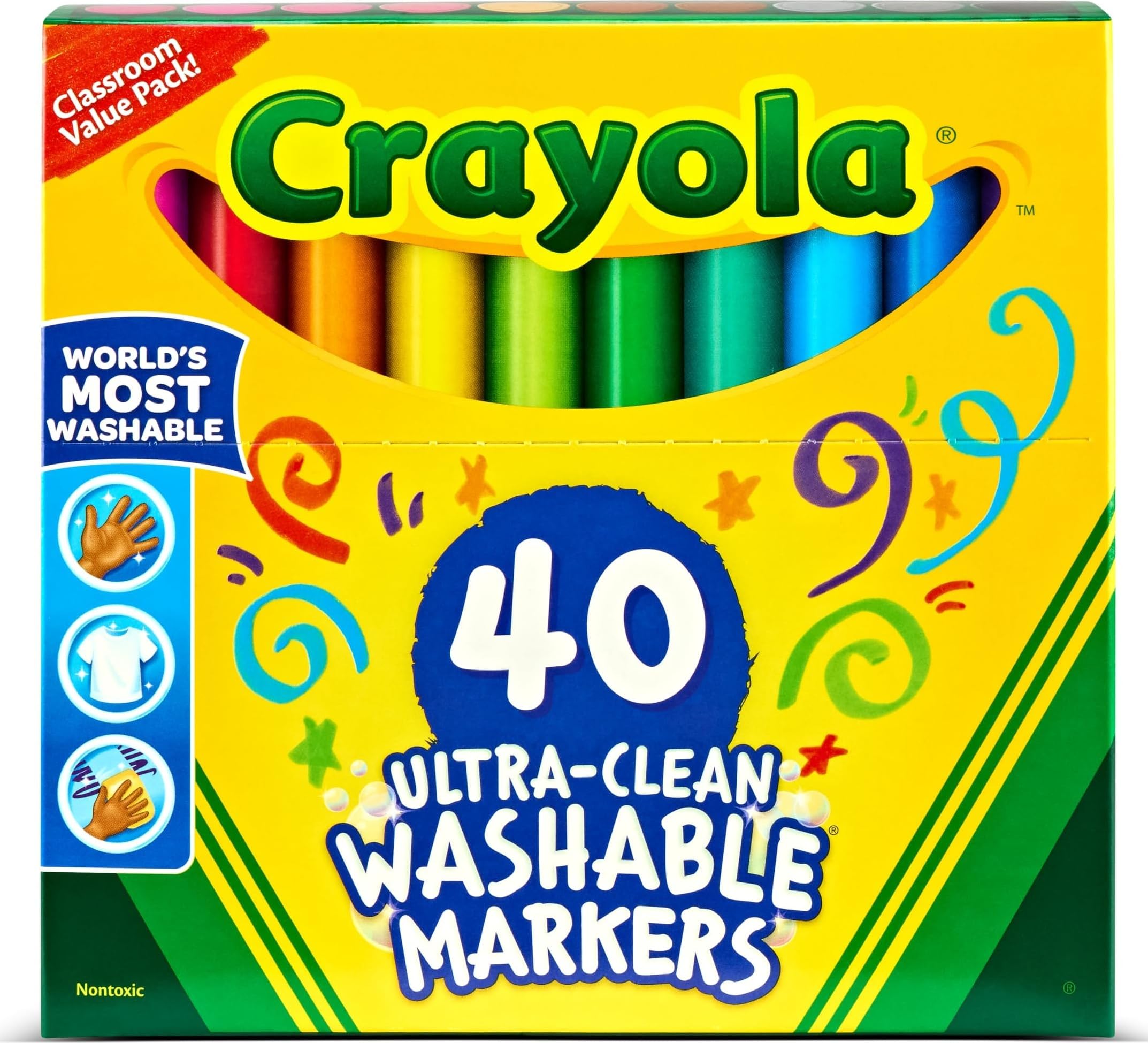


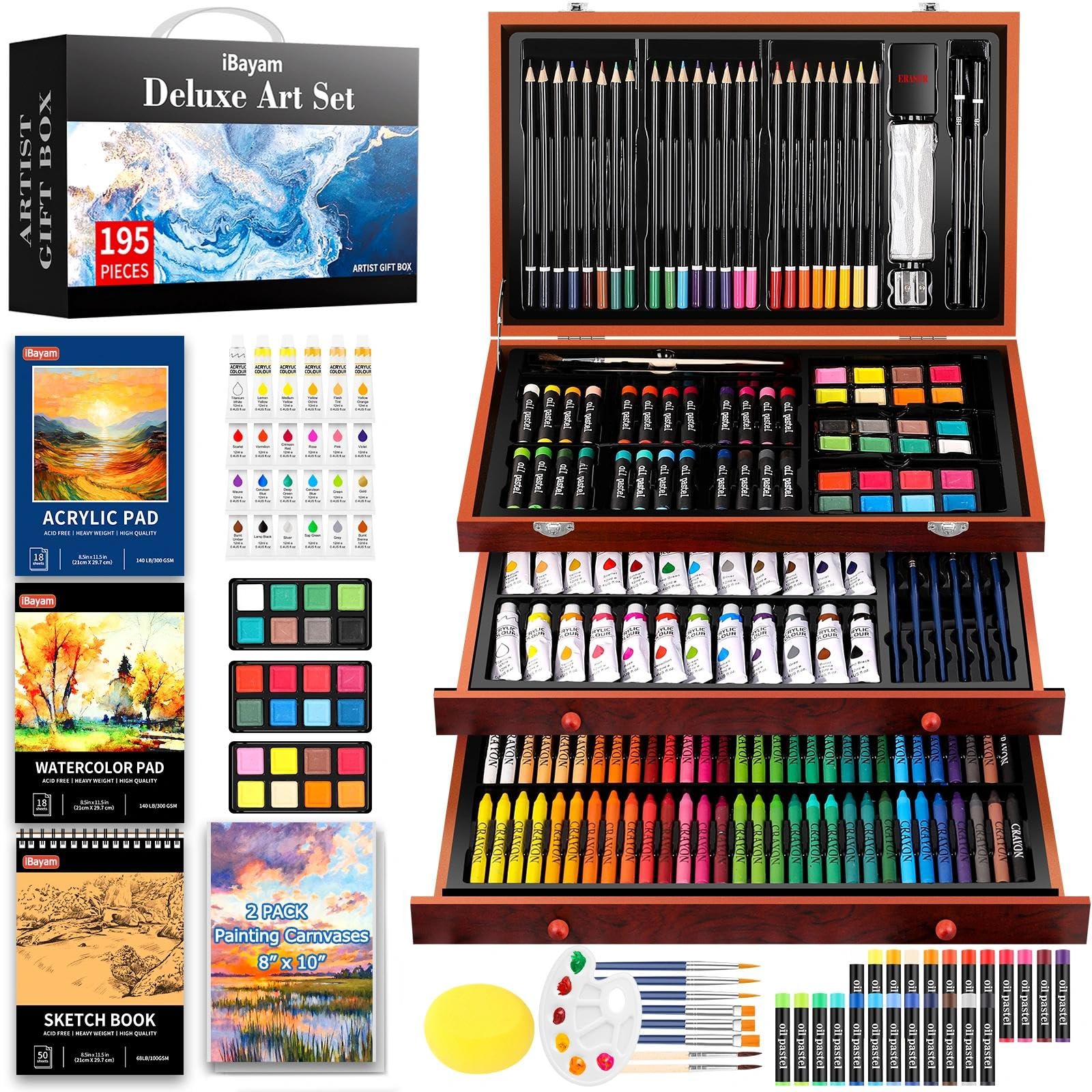
What Each Price Tier Delivers
Piece count is the number sellers promote most, yet it is the weakest guide to value at this age. A set with 200 thin crayons helps less than a smaller set with sturdy tools a small hand can hold. The tiers below describe what your money usually buys in materials, storage, and staying power.
Budget Tier Guidance
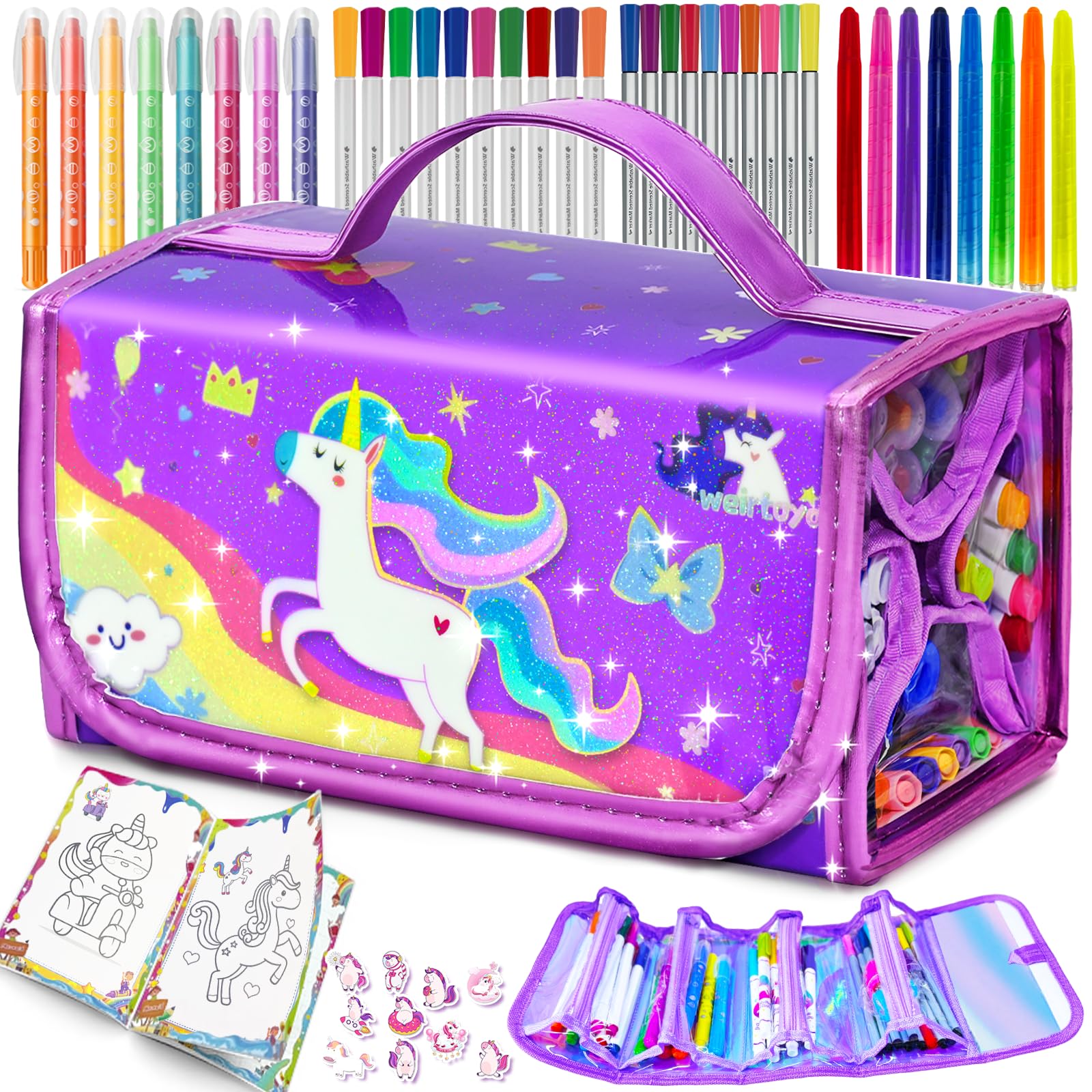
Budget sets, often under $20, usually cover the basics well: crayons, colored pencils, washable markers, and a pad of paper in a simple box or pouch. Colors are bright enough for everyday drawing, and replacement cost is low when pieces get lost. Limits appear in thin paper, markers that dry out sooner, and storage that tears or spills. This tier suits a child who is still testing interest in art, or a spare set for travel and grandparents' homes. Prioritize washable formulas here, because cleanup matters more than extra shades at this price.
Midrange Tier Guidance
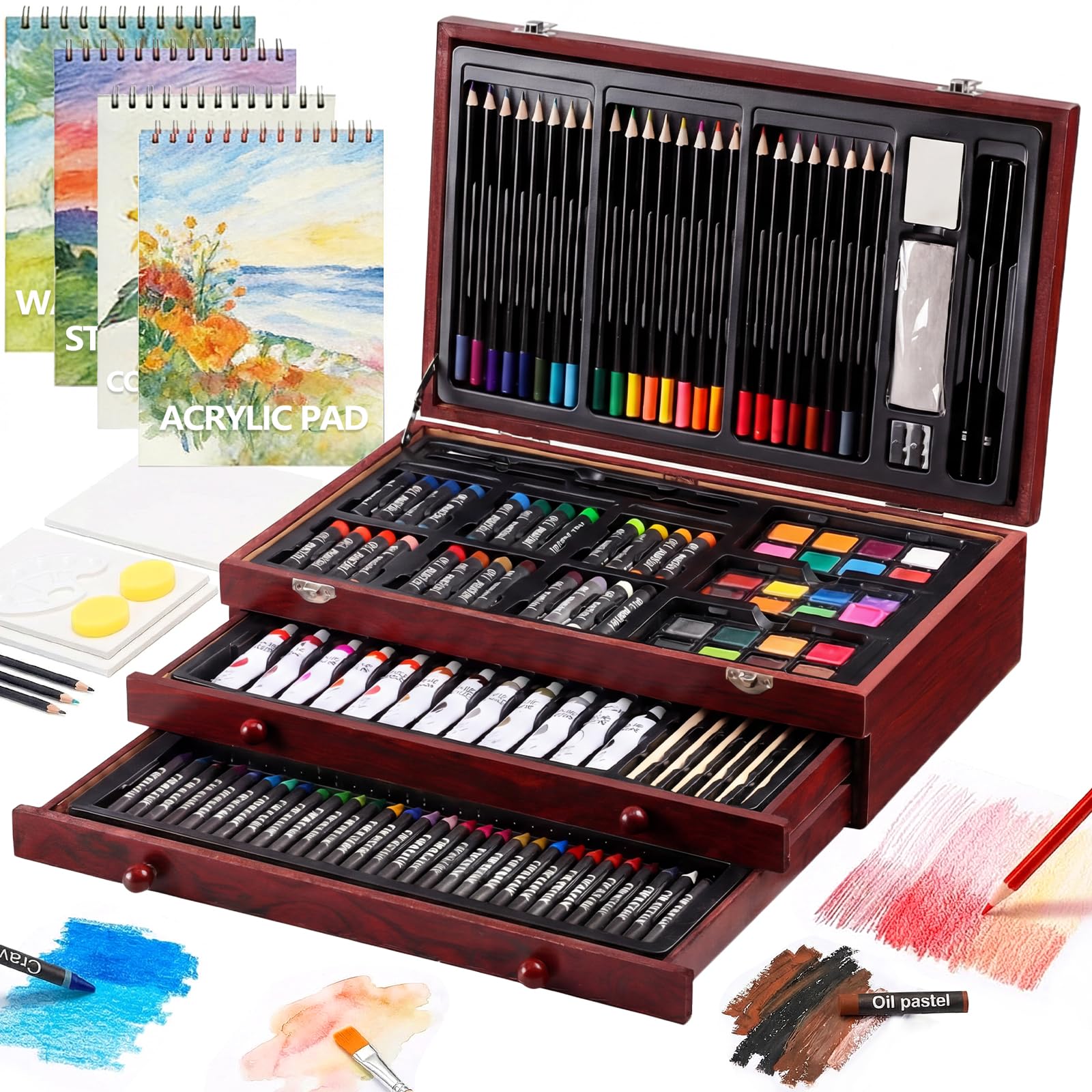
Midrange sets, often about $20 to $40, are the sweet spot for most families. You typically gain a sturdy carrying case with slots that keep supplies sorted, thicker paper, and a wider mix that may include watercolor pans, oil pastels, and scissors made for small hands. Pigment quality improves, so colors layer and blend with less frustration. A case that closes securely also teaches tidying as part of the activity. If art time happens several days a week, this tier usually lasts the school year with only paper and marker refills to add.
Premium Tier Guidance
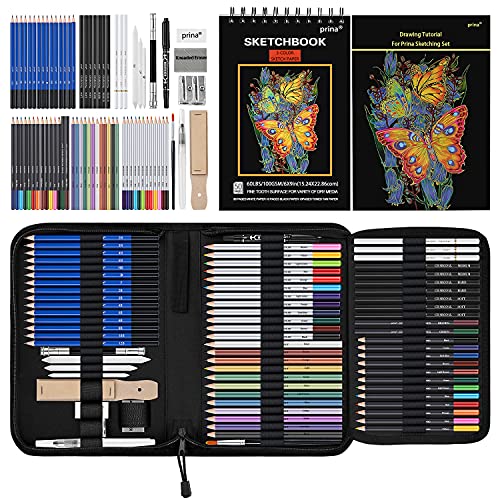
Premium sets, often about $40 to $80, add better pigment, stronger cases, and extras such as sketchbooks, blending tools, and refill options. Some include an easel style case that holds paper upright, which some children love. The gains are real but narrower than the price jump suggests, because a five year old rarely needs dozens of subtle shades. This tier pays off for a child who draws daily, for a gift meant to last, or for siblings who will share the set over several years. Check that extras are usable now, not only later.
What Your Money Gets You at Each Price Tier
Budget Tier: What to Expect
Expect simple, cheerful supplies that invite use without worry. Crayons may break more easily and marker caps can be stiff for small fingers, so test cap fit if you can. Paper is often thin, which means paint soaks through, so keep budget sets focused on dry media. Value comes from freedom: a child can experiment without anyone guarding costly materials. That freedom has real creative worth at age five.
Midrange Tier: The Sweet Spot for Most Buyers
Midrange sets balance variety, durability, and storage in a way young children can actually manage. Individual slots stop supplies from rattling into a jumbled pile, which keeps art time calmer and makes missing pieces obvious. Paint quality improves enough for simple color mixing lessons. For most households, especially those comparing the best craft sets for 5 year olds as a next activity, this tier covers birthdays and school breaks without regret in either direction.
Premium Tier: When Spending More Pays Off
Spending more pays off when it buys durability, refills, and storage that survives years, not when it only buys more pieces. Look for cases with strong latches, supplies arranged by type, and brands that sell replacement pads and marker packs. Premium watercolor and pastel quality also reduces the streaky, faint results that frustrate beginners. If the premium set in the product table above offers those traits, the extra cost spreads sensibly across many months of use.
Features Worth Paying For and Ones to Skip
Features That Matter for 5 Year Olds
Chunky shapes matter because a five year old grip is still developing, so thick crayons, short pencils, and triangular barrels help control and reduce hand fatigue. Washable markers and paints matter because sleeves, tables, and walls will meet the art sooner or later. Look for a nontoxic label and conformance with the ASTM D 4236 standard printed on the packaging. Rounded tip scissors and a glue stick with a wide base suit this age better than precision tools meant for older children.
Safety and Supervision
Always check for small parts, because caps, erasers, and loose pieces can be choking hazards for younger siblings in the home. Supervise painting and cutting, and store sets out of reach when art time ends. If a child puts supplies in the mouth often, choose large washable tools only and talk with your pediatrician about personal needs and any concerns about materials. Stop use and seek medical advice promptly if a child swallows a piece, develops a rash after contact, or shows any breathing difficulty. Safety labels are a starting point, not a substitute for supervision.
Warranty and Customer Support
Warranties are modest in this category, but responsive sellers matter when a case arrives cracked or markers arrive dry. Keep your order details until you have opened and tested every supply type once. A seller that replaces a faulty case or dried set quickly is worth more than a long written promise. Photograph damage on arrival, since a clear photo usually speeds any replacement conversation with support.
Intended Use and Who It Is For
Match the set to the setting. A home art corner can handle paints and larger cases, while a travel set should be dry media only, with a case that seals tightly. Children who love building may enjoy pairing art with the best building sets for 5 year olds for mixed play, drawing plans and then building them. A child who prefers outdoor play may use art mainly on rainy days, which points back to the budget or midrange tier rather than a large premium case.
Price vs Value
Value is cost divided by months of real use, not cost divided by piece count. A midrange set used weekly for a year beats a premium set opened twice. Watch for sets that inflate piece counts with duplicate pencils, stickers, and paper sheets. A practical test is to list the media your child used in the last month, then buy the tier that covers those media well. Extra media are a bonus only when they match interests your child already shows.
Ease of Use and Setup
A set is easy to use when a child can open it, choose a tool, and tidy up with minimal adult help. Test latches, caps, and case weight with that goal in mind. Lay out a washable mat and a cup of water before painting starts, a two minute habit that prevents most cleanup stress. If you are planning ahead for older children, our guide to the best art sets for 10 year olds shows how needs shift toward finer tools and sketching media later on.
Long Term Costs to Factor In
The purchase price is only the start. Paper runs out first, so budget for replacement pads that fit the case or your table. Markers dry out when caps are left off, and watercolor pans crack if stored wet, so a small yearly refill cost is normal. Aprons or washable mats protect clothing and furniture for a few dollars and save laundry. Storage boxes help when a case latch fails mid year. Altogether, most families spend about $10 to $25 a year keeping a midrange set in good shape, far less than replacing a whole set each season. Choosing refillable supplies at the start keeps that total low.
FAQs
What features matter most in art sets for 5 year olds?
Washable, nontoxic supplies in chunky shapes matter most, along with a case a child can open and close alone. Those traits decide whether art time stays relaxed and regular. A smaller point many guides miss is cap design: caps that click clearly help children learn to close markers fully, which doubles marker life in many homes.
How much should I spend on an art set?
Most families do well spending about $20 to $40, which buys washable media, decent paper, and storage that lasts the year. Spend less for a first set or a travel spare, and more only for a child who draws daily. Money saved versus a premium set can fund replacement paper and a simple tabletop easel later.
What features matter most when buying art sets?
Beyond age fit, judge pigment strength, paper thickness, and how supplies are organized. Strong pigment means a light touch still gives bold color, which suits developing hand strength. Thick paper, ideally described as suitable for paint, prevents bleed through during watercolor play. Organization matters because sorted supplies get used more and lost less.
How long does an art set last?
A midrange set usually lasts a school year of regular use, with paper and favorite marker colors running out first. Crayons and colored pencils can last much longer, sometimes into the next school year. Storing markers horizontally and keeping the case away from heat vents helps every supply type reach its full useful life.
Are expensive art sets worth it?
Expensive sets are worth it when the extra money buys a durable case, refill options, and better paint or pastel quality that a keen young artist will feel. They are not worth it when the price only inflates piece count with duplicates. For outdoor loving families who split time with the best swing sets for 5 year olds, a midrange art set often gives the better balance.
Final Thoughts
Choose washable and sturdy over huge, match the tier to how often your child creates, and let storage quality guide you between close options. Compare your shortlist with the comparison table above, talk with your pediatrician about any material concerns for your child, and pick the best art sets for 5 year olds set that invites art every week without cleanup dread.