
Best Building Sets 2026: Which One Fits Your Routine?
Disclosure: We may earn a commission when you buy through links on this page, at no extra cost to you. As an Amazon Associate I earn from qualifying purchases. Learn more

Building sets span bricks, magnets, and wooden blocks, so this guide explains piece types, age labels, and storage to help you choose with confidence.
Choosing best building sets starts with a simple truth: no single set suits every builder, every age, and every play style. Bricks, magnetic tiles, wooden blocks, and construction kits each offer different building experiences, and the best choice depends on who will build with them.
This guide compares the main building set types in plain language, covering piece styles, age suitability, and storage. The comparison table below sets out the main styles side by side, so you can match a set to builders, spaces, and budgets before you buy.


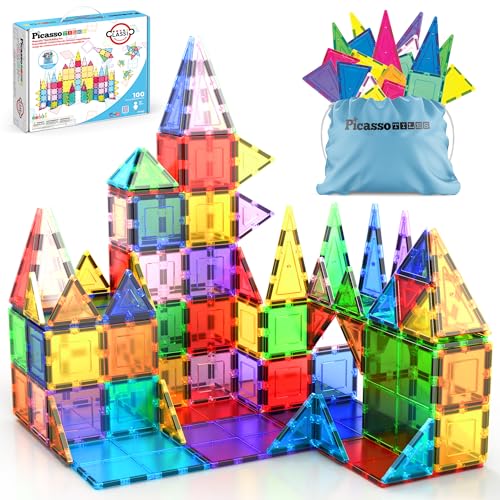


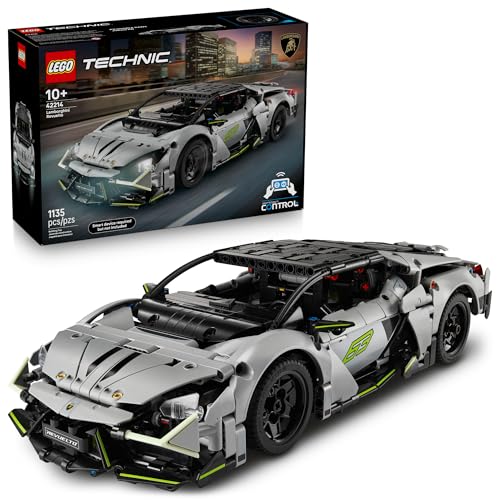

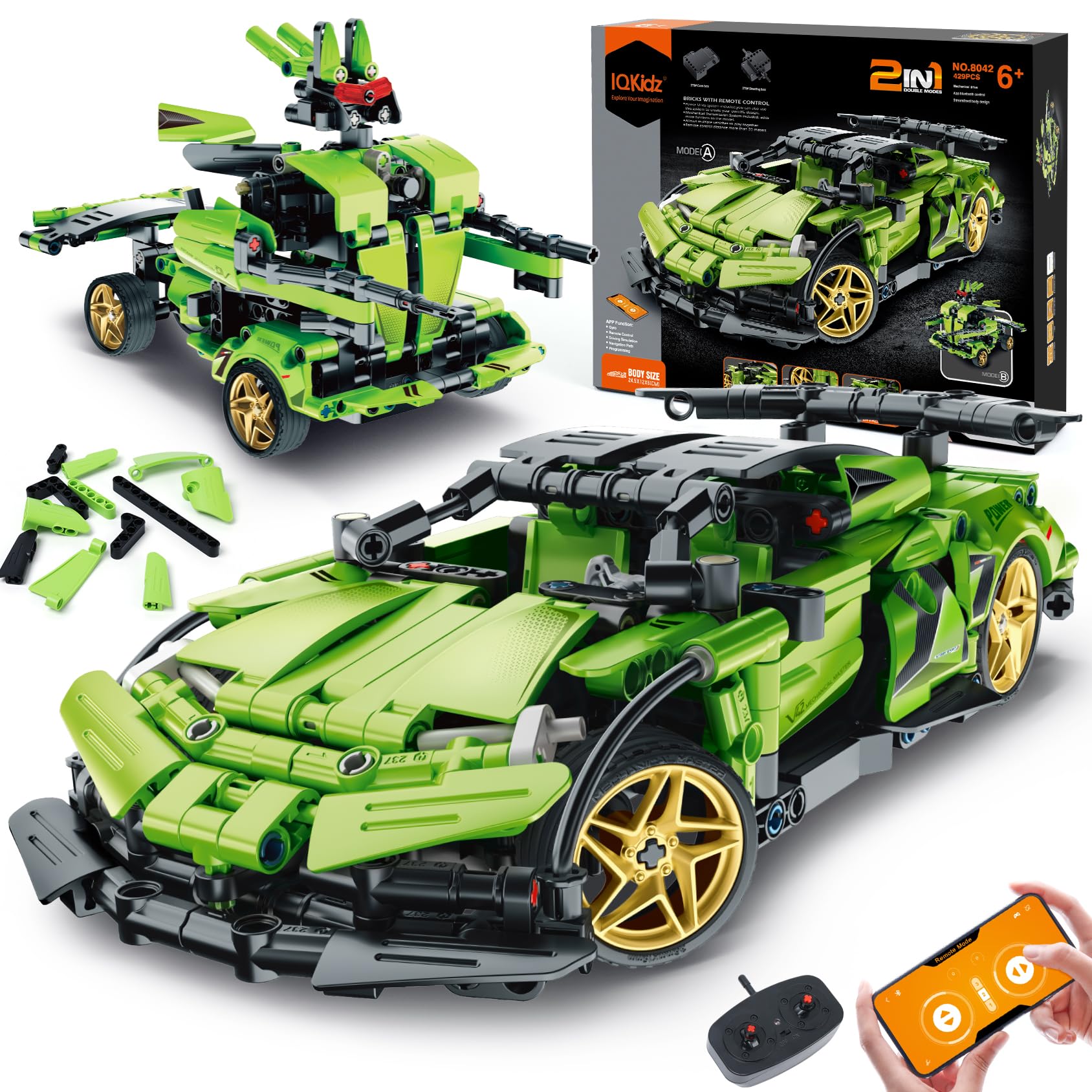
Main Building Set Types
Brick sets use small interlocking studs to build detailed models, from vehicles to buildings, and they reward patience and fine motor control. Magnetic tile sets use flat tiles that snap together quickly, making them ideal for younger builders and fast, tall structures. Wooden block sets offer open ended stacking and balancing play with a natural feel and excellent durability.
Construction kits with rods, connectors, or gears suit older builders who enjoy engineering challenges and moving models. Each type builds different skills, so consider what the builder enjoys most: detailed models, quick creative building, or mechanical problem solving. The answer points directly to the right category.
Key Features Worth Comparing
Piece Count and Complexity
Piece count alone does not tell you how hard a set is to build. A 500 piece brick set with detailed instructions differs greatly from 500 magnetic tiles for free building. Check the recommended age, the instruction style, and whether the set builds one model or invites many creations.
Age Suitability and Safety
Age labels reflect small part risks and building difficulty together. Sets for younger children use larger pieces and simpler connections, while sets for older builders include small, detailed parts. Match the label to the builder, and remember that younger siblings may access pieces meant for older children.
Compatibility and Expansion
Some building systems connect with others, while some use unique connectors that limit expansion. Brick systems from the same brand usually fit together, and magnetic tiles from many brands share similar sizes. If expansion matters, choose a widely used system with plenty of add on packs available.
Storage and Tidy Up
Building sets spread quickly, so storage planning matters as much as piece choice. A lidded box, a sorting tray, or a drawstring bag keeps pieces together and speeds up tidy up. Larger sets may need a dedicated shelf or table, since rebuilding a complex model takes time and space.
Who Should Buy Which Style
For First Time Builders
Magnetic tiles or large bricks suit first time builders best, since they connect easily and forgive mistakes. Simple, open ended sets build confidence faster than complex models with long instructions. Start small, and expand once you see which building style sparks the most interest.
For Detailed Model Builders
Brick sets with detailed instructions suit builders who enjoy following plans and displaying finished models. Look for sets with clear step by step guides and satisfying final details. Display space matters here, since finished models deserve a shelf rather than a toy box.
For Classrooms and Groups
Durable, easy to clean sets with many pieces suit classrooms and group play. Magnetic tiles and wooden blocks handle shared use well and support collaborative building. Choose sets that survive drops, spills, and enthusiastic handling without losing small parts constantly.
Mistakes to Avoid
A common mistake is buying a complex set for a young builder who really wants free play. Long instructions can frustrate a child who just wants to stack and imagine. The product table above shows the main styles, and matching the style to the builder temperament matters more than piece count or box size.
Another mistake is ignoring storage. A huge set without a storage plan ends up scattered, with lost pieces and frustrated builders. Plan where pieces will live before buying, and choose a set size that fits that space comfortably.
Care and Long Term Play
Keep building pieces clean and dry, and wash plastic tiles occasionally with mild soap and water. Sort pieces by type or color if the collection grows large, since sorting speeds up building and reduces frustration. Check for cracked or worn connectors, and replace damaged pieces before they cause a build to collapse.
Rotate sets to keep play fresh, and revisit the table above when considering expansions. A well chosen building system grows with its builder, moving from simple towers to complex models over years of play.
If you are still narrowing down the choice, related guides can help you compare nearby options. Readers often compare this guide with best building sets for adults, best magnetic building sets, best lock building sets, best building lego sets and best building block sets before settling on a final option, since each one covers a slightly different use case. The comparison table above can help you line up the main features side by side before you decide.
Building Together as a Family
Building together turns a solo hobby into shared family time, and it works best when each builder has a role. Younger children can sort pieces and build simple sections, while older builders handle detailed steps and tricky connections. Clear roles prevent frustration and keep everyone engaged through longer builds.
Set up a comfortable building area with good light, a flat surface, and containers for sorted pieces. Sorting by color or piece type before starting speeds up building and reduces arguments over missing parts. A tidy workspace also protects pieces from spills, pets, and accidental knocks.
Celebrate finished builds by displaying them for a while before dismantling. Display time honors the effort involved and lets builders admire details they might otherwise miss. When the build finally comes apart, the pieces return to the collection ready for the next shared project.
Instruction booklets deserve care, since rebuilding a favorite model years later depends on them. Store booklets in a folder or a zip bag with the set pieces, and photograph key pages as a backup. Many makers also offer digital instructions online, which can rescue a build when paper copies go missing. Keeping instructions organized turns a pile of loose pieces back into a buildable model whenever inspiration returns.
Photographing finished builds before dismantling preserves memories and lets builders revisit ideas later. A simple photo album of past creations inspires new projects and shows skill growth over time. Children especially enjoy flipping through photos of towers, vehicles, and towns they built months earlier.
Second hand building sets offer excellent value, but they need careful inspection for missing pieces, cracked connectors, and damaged instructions. Wash plastic pieces thoroughly before play, and check magnetic tiles for seal integrity. A careful second hand purchase can expand a collection affordably while keeping play safe and satisfying.
Frequently Asked Questions
What is the best building set for beginners?
Magnetic tiles or large brick sets suit beginners best, since pieces connect easily and mistakes are simple to fix. Open ended sets build confidence faster than complex models with long instructions. Start with a mid sized set, observe which building style the builder enjoys most, and expand in that direction. Avoid huge sets until basic building skills feel comfortable.
Are magnetic building tiles safe for toddlers?
Magnetic tiles are generally safe for toddlers when they are large, well sealed, and used under supervision. Check the age label and inspect tiles regularly for cracks or loose magnets, since exposed magnets pose a serious swallowing risk. Choose reputable brands with sealed magnets and sturdy construction. Remove any damaged tile from play immediately.
How do I store a large building set collection?
Use lidded boxes, sorting trays, or zip bags grouped by piece type or color. Label containers clearly so builders can find pieces quickly. Keep instruction booklets in a folder, since rebuilding a model later depends on them. A dedicated shelf or table helps for large collections, while smaller sets fit well in a single box.
Can different brands of building bricks fit together?
Many brick brands use similar stud sizes and connect reasonably well, but fit quality varies. Some brands grip tightly, while others feel loose or use slightly different tolerances. If compatibility matters, test a small pack before investing in a large collection. Magnetic tiles show similar variation, so check tile sizes and magnet strength before mixing brands.
What age should children start with small brick sets?
Small brick sets generally suit children aged five and older, depending on the child maturity and the set complexity. Younger children may swallow small pieces or struggle with detailed instructions. Larger bricks bridge the gap for ages three to five, offering similar building fun with safer piece sizes. Always follow the age label and supervise younger builders.
Final Thoughts
Choosing best building sets is about matching the building style to the builder, not chasing the biggest box. Bricks, magnets, blocks, and construction kits each shine for different builders and different moods.
Start with the builder interests, check the age label, and plan storage before you buy. The styles in the table above will then point clearly to the set that gets built again and again.


