
Best Building Sets for 5 Year Olds: Guide for 2026
Disclosure: We may earn a commission when you buy through links on this page, at no extra cost to you. As an Amazon Associate I earn from qualifying purchases. Learn more

Piece size, safety, and play value matter most when choosing the best building sets for 5 year olds, compared here by type.
Five is the age when building play changes. Children who stacked blocks for fun at three now want to copy a picture, finish a small model, and then crash it into something. The best building sets for 5 year olds meet that stage with pieces big enough to grip, steps simple enough to follow with light help, and enough variety to keep a rebuild interesting after the first model is done.
This guide explains the main set types, the safety checks that matter at this age, how many pieces make sense, and how to spend wisely. Use the product table to compare current options, then use the sections below to match one to your child.





What Five Year Olds Need From a Building Set
Five year olds have stronger hands and longer attention than toddlers, but they still tire quickly when a set demands precision. A good set lets them see progress within a few minutes, so the first model finishes before interest fades. Picture-based instructions with one or two pieces per step work far better than dense booklets meant for older builders.
Open play matters just as much as the pictured build. Sets with wheels, doors, figures, and flat plates give a child ways to invent stories, which is where most of the play value sits. A set that makes exactly one model is usually finished in an afternoon and then ignored.
Building Set Types Compared
Classic Interlocking Bricks
Interlocking bricks suit this age best when the pieces are standard size or slightly larger. They snap together firmly, build tall models, and combine with any bricks you already own. Choose a themed set such as vehicles, animals, or a small town if your child needs a clear first goal, and add a plain tub of bricks later for free building.
Magnetic Tiles
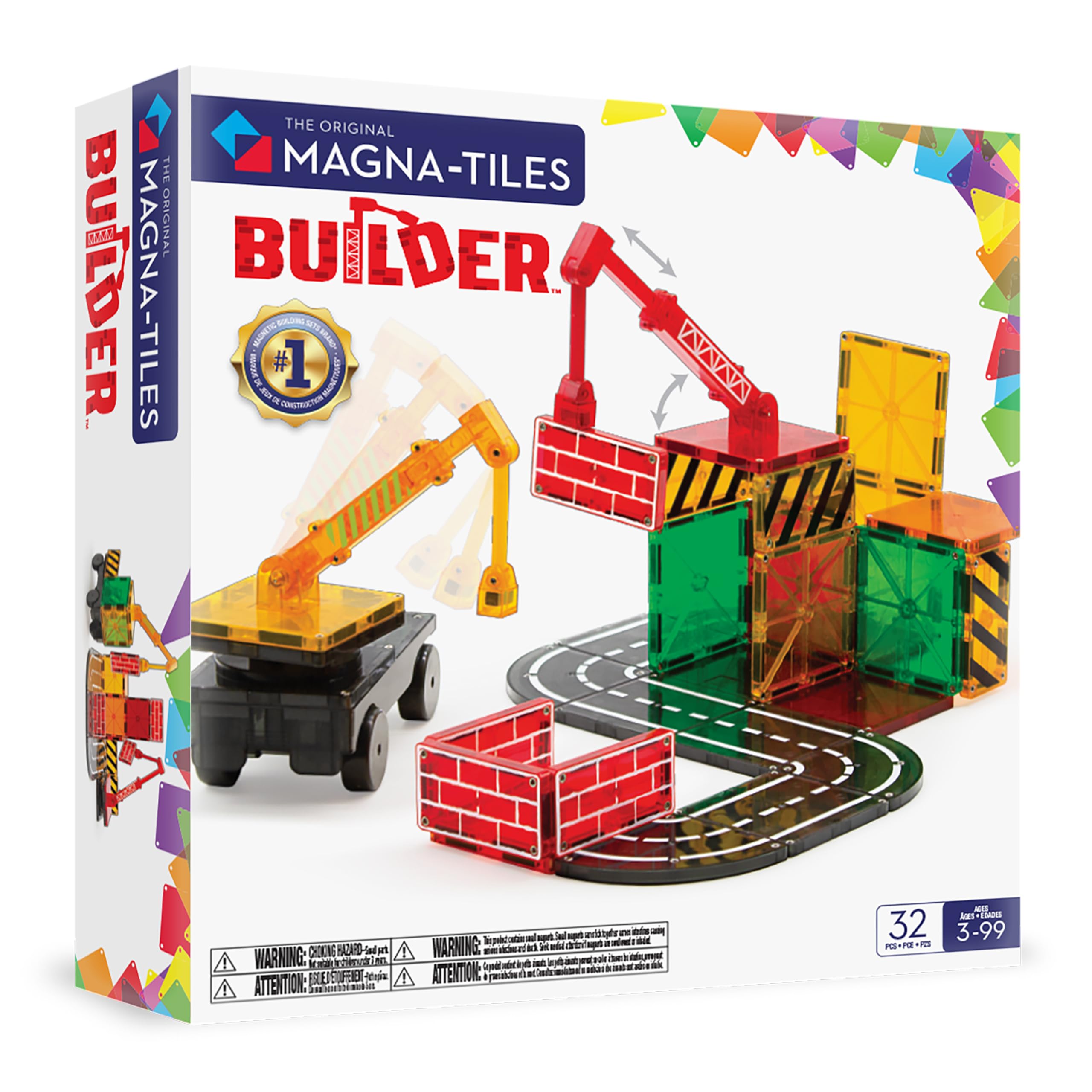
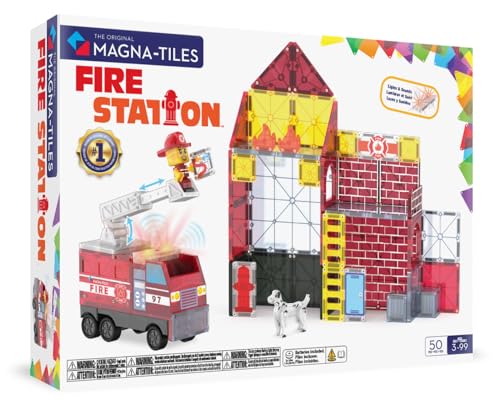
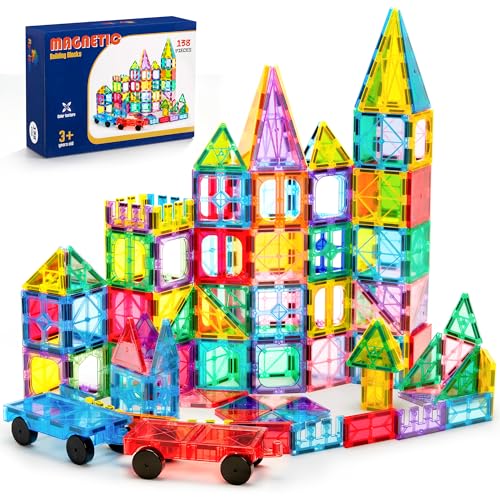
Magnetic tiles connect with almost no hand strength, so a five year old can build houses, towers, and garages immediately. They are quick, sturdy, and good for building alongside a sibling. Buy from a maker that seals the magnets inside thick plastic, and check the tiles regularly for cracks. Exposed or loose magnets are a swallowing risk, so remove any damaged tile from play.
Wooden and Large Block Sets
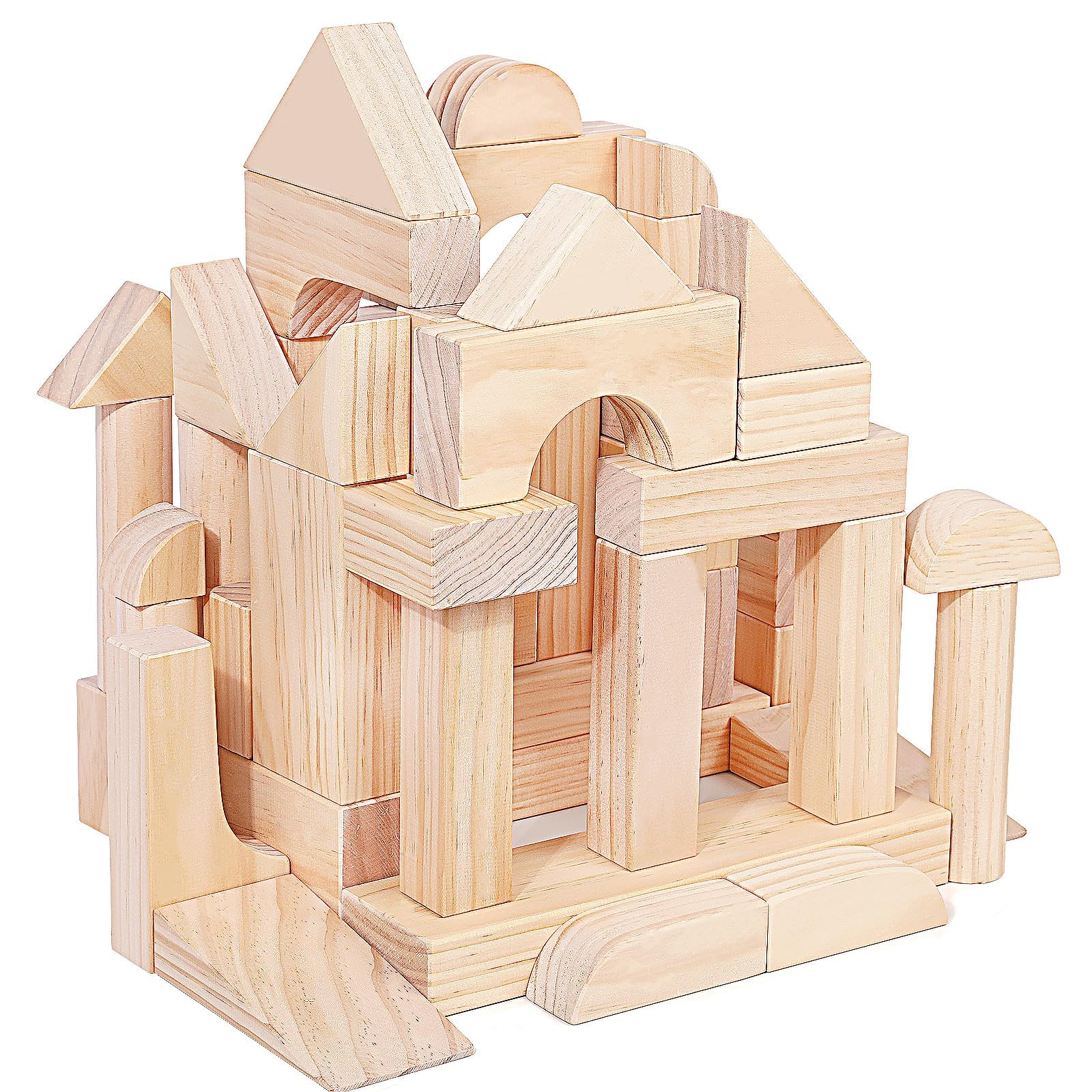
Wooden blocks and big foam or plastic bricks are the most forgiving. They survive drops, take no fine motor skill, and suit group play. They are also the best choice for a five year old who gets frustrated by small studs, or for homes with a younger sibling nearby.
Construction Kits With Tools
Some kits use chunky screws, bolts, and a toy screwdriver to build vehicles or robots. They teach turning, matching, and following steps, and many five year olds love using real looking tools. Look for large parts and age labels that start at five or below, and expect to help with the first model.
Safety and Age Labels
Always follow the age label on the box. Sets rated for older children often include small parts that are a choking hazard for younger siblings, so store them out of reach and away from the floor when little ones are around. Check pieces regularly for cracks or sharp edges, and discard anything damaged. Pieces should be smooth, solidly made, and hard to pull apart by accident.
Supervise any set with batteries, motors, or magnets, and follow the maker instructions. If another child in the home is under three, choose large pieces for everyone or keep small-piece sets in a closed bin. When you are unsure whether a set suits your child, the guides to the best building sets for 3 year olds and the best building sets for 4 year olds show the larger-piece formats that are safer around toddlers.
How Many Pieces Is Right
For most five year olds, a set of about 60 to 200 pieces is a good first purchase. That is enough for a finished model, several rebuilds, and a bit of free play, without burying the child in parts. Very large boxes tend to overwhelm this age, and half-finished builds often end in tears. Start modest, watch which shapes your child reaches for, and add a themed expansion or a bucket of basic bricks once building has become a habit.
What to Spend
Prices run from about $15 to $80 for a good main set. A small themed set around $15 to $30 is a fine birthday gift or trial. The $30 to $60 range usually adds more pieces, figures, and a storage box, and it covers most families well. Spending more mostly buys licensed themes or very large piece counts, which a five year old will not fully use. Judge value by how many different things the set can become, not by box size.
Storage, Cleaning, and Care
A lidded tub or a large zip bag keeps pieces together and makes tidy-up part of the routine. Sort by color or type only if your child enjoys it; a single bin is fine for most households. Wash plastic pieces in warm soapy water when they get sticky, rinse, and dry them fully. Keep wooden blocks dry and wipe them with a damp cloth. Keep the instruction booklet in a folder so a favorite model can be rebuilt later.
Building Together
Build the first model together, then step back and let your child rebuild it in their own way. Ask what the model is for, who lives in it, or where it is going, and listen to the answer. Short sessions of 20 to 30 minutes work better than a long push, and ending while interest is high makes your child look forward to the next one. When your child is ready for more, the guide to the best building sets for 7 year olds shows the next step up in challenge.
Common Mistakes
- Buying a set meant for an older child because the finished model looks impressive.
- Choosing a huge piece count that turns tidy-up into a chore.
- Ignoring the age label when younger siblings share the play space.
- Skipping storage, so pieces end up across the house and under furniture.
- Buying only a one-model kit, which loses its appeal as soon as the picture is built.
Frequently Asked Questions
What size pieces suit a 5 year old?
Pieces that are easy to grip and press together without adult force. Standard bricks suit children who already build confidently, while larger bricks and magnetic tiles suit beginners. Avoid sets with tiny parts if younger siblings play nearby.
Should I choose a themed set or an open set?
Themed sets give a clear first build and inspire story play, while open sets offer more freedom to rebuild. Many families start with one themed set and add a bucket of basic bricks. Watch what your child rebuilds most to guide the next purchase.
How do I keep pieces from going missing?
Use a lidded box or zip bag for each set, build on a tray, and tidy up together after play. A small cup for stray pieces found around the house helps too.
Are building sets good for learning?
Yes. They support spatial thinking, counting, planning, and patience, especially when children follow steps and then invent their own models. Keep sessions playful, and praise effort and new ideas as much as finished models.
What safety checks matter?
Check the age label, look for small-parts warnings, and inspect pieces for cracks or sharp edges. Supervise play around younger children, store sets out of reach of babies and toddlers, and discard damaged pieces promptly.
Final Thoughts
Choose a set that matches your child's grip and attention span, start with a manageable piece count, and add to it as interest grows. Compare the options in the product table with these checks in mind, and the best building sets for 5 year olds will be the ones your child rebuilds again and again.


