
Best Building Sets for 4 Year Olds 2026: Fit Guide
Disclosure: We may earn a commission when you buy through links on this page, at no extra cost to you. As an Amazon Associate I earn from qualifying purchases. Learn more

Building sets for 4 year olds need large pieces, simple connections, and sturdy play, so this guide explains what to check before you buy a set.
Choosing best building sets for 4 year olds means balancing safety, simplicity, and just enough challenge to keep a young builder engaged. At four, children love stacking, knocking down, and rebuilding, but they still need large pieces, easy connections, and forgiving designs.
This guide explains piece sizes, connection types, and age labels in plain language for parents and gift givers. The comparison table below sets out the main set styles for this age side by side, so you can match a set to the child interests and your home space.



What Suits a 4 Year Old Builder
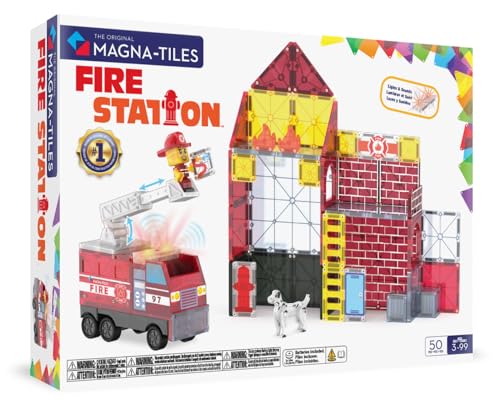
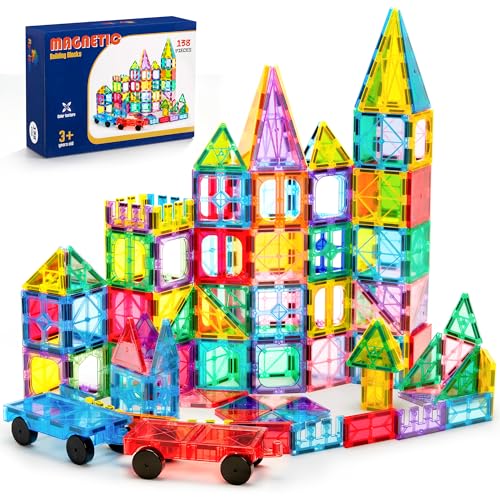
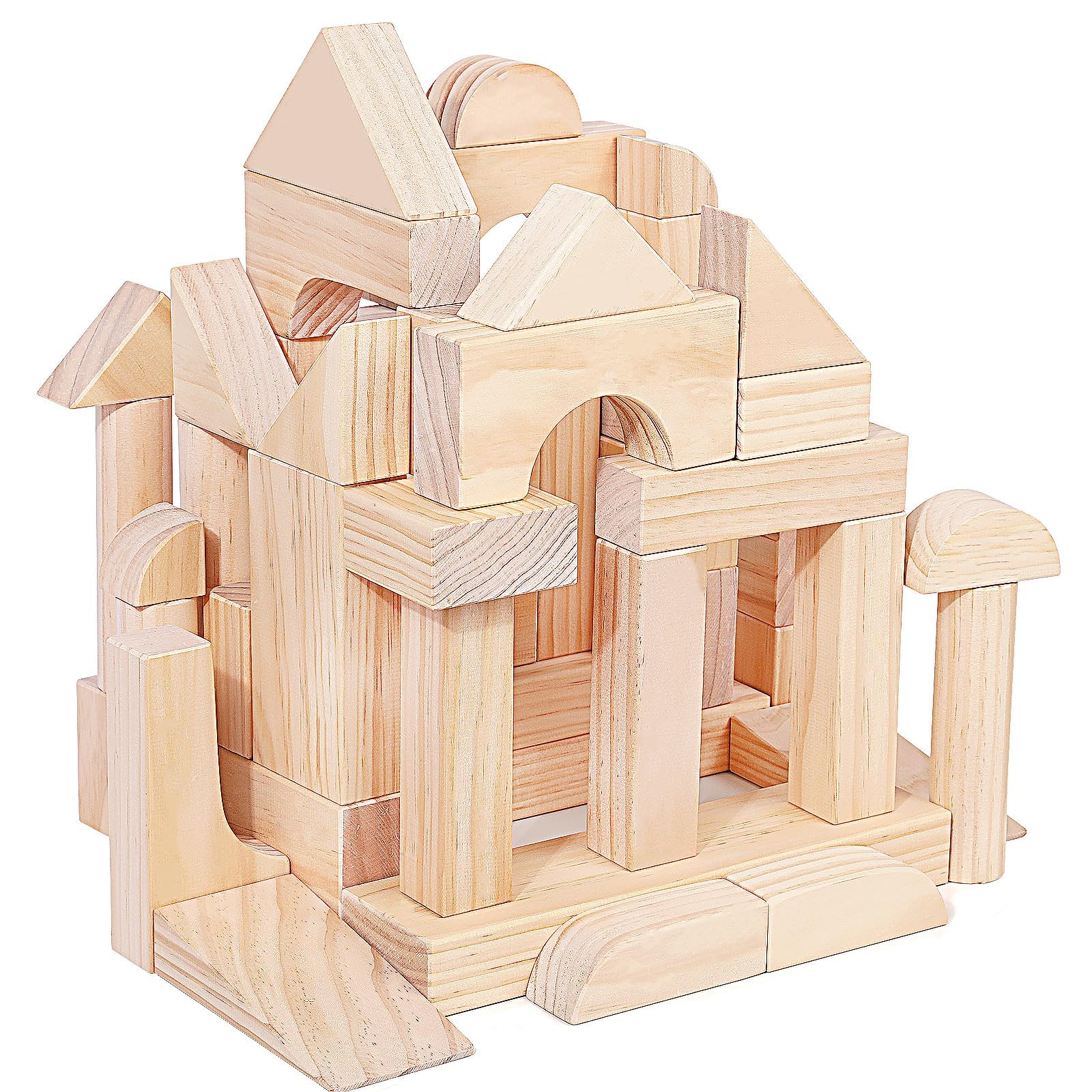
Four year olds build best with large pieces they can grip firmly and connect without adult help. Magnetic tiles, large bricks, and chunky wooden blocks all work well, since they reward effort quickly and survive enthusiastic play. Pieces should be big enough to avoid swallowing risks, with smooth edges and solid connections.
Attention spans at this age favor shorter builds with visible progress. A set that builds a tower, a house, or a vehicle in a few minutes satisfies more than a complex model that takes an hour. Open ended sets also suit this age, since they let children follow their own ideas instead of strict instructions.
Key Features Worth Comparing
Piece Size and Safety
Piece size is the top safety feature for this age. Large bricks and tiles reduce choking risks and are easier for small hands to manage. Inspect pieces for cracks or loose parts regularly, and remove any damaged piece from play. Always follow the age label, even if the child seems advanced for their age.
Connection Ease
Connections should join with a gentle push and separate without a struggle. Magnetic tiles connect almost effortlessly, while large bricks need a firm press that most four year olds can manage. Avoid systems that need precise alignment or significant force, since frustration ends play quickly at this age.
Theme and Imagination
Themes such as animals, vehicles, castles, and farms spark stories and extend play beyond simple stacking. A set with figures, wheels, or windows invites role play that builds language and social skills. Choose themes that match the child interests, since a beloved theme gets played with far more often.
Durability and Cleaning
Sets for four year olds must survive drops, throws, and occasional stepping on pieces. Sturdy plastic and solid wood handle this best, while thin or brittle pieces break quickly. Easy cleaning matters too, since pieces will meet food, dirt, and outdoor play. Washable plastic wipes clean easily.
Who Should Buy Which Style
For Home Play
Magnetic tiles and large bricks suit home play best, since they build quickly on floors and tables and tidy into a box easily. A mid sized set offers enough pieces for satisfying builds without overwhelming storage. Keep a dedicated box nearby, so tidy up becomes part of the routine.
For Preschool and Group Settings
Durable wooden blocks and magnetic tiles handle group play well, since many children can build together without fragile parts breaking. Larger piece counts support collaborative towers and towns. Choose sets that clean easily and survive daily shared use.
For Gifts
Gift sets work best when the theme matches the child interests and the piece count suits the home space. A themed large brick set or a magnetic tile starter pack makes a reliable gift. Include a storage suggestion, since parents appreciate gifts that tidy up easily.
Mistakes to Avoid
The most common mistake is buying a set meant for older children because it looks more impressive. Small pieces frustrate four year olds and create safety risks, no matter how advanced the child seems. The product table above shows age appropriate styles, and staying within them protects both safety and enjoyment.
Another mistake is buying too many pieces at once. A huge collection overwhelms young builders and makes tidy up daunting. Start with a manageable set, observe which pieces get used most, and expand gradually as skills and interest grow.
Care and Play Tips
Store pieces in a lidded box or bag, and sort by broad type if the collection grows. Inspect pieces regularly for damage, and wash plastic pieces with mild soap and water when dirty. Keep wooden pieces dry, since damp storage can warp or stain them.
Play alongside your child sometimes, modeling simple builds without taking over. Children learn building ideas by watching, then adapt them into their own creations. With the right set and a little encouragement, building play supports creativity, patience, and fine motor skills beautifully.
If you are still narrowing down the choice, related guides can help you compare nearby options. Readers often compare this guide with best building block sets for 4 year olds, best building sets for 5 year olds, best lego sets 4 year olds, best building sets for 7 year olds and best building sets for 3 year olds before settling on a final option, since each one covers a slightly different use case. The comparison table above can help you line up the main features side by side before you decide.
Encouraging Creative Building
Creative building at age four flourishes when adults follow the child lead rather than directing every step. Offer open ended prompts such as building a home for a toy animal or a bridge over an imaginary river, then let the child solve the challenge their own way. Unexpected solutions are signs of growing creativity, not mistakes to correct.
Storytelling extends building play naturally. Ask what the tower is for, who lives in the house, or where the vehicle is travelling, and listen to the answers without steering them. These conversations build language skills alongside spatial thinking, turning simple stacking into rich imaginative play.
Keep building sessions relaxed and time limited, since young children tire and frustrate when sessions drag on. Twenty to thirty minutes of focused play beats an hour of flagging attention. Ending while enthusiasm remains ensures the child looks forward to building again tomorrow.
Sorting games build early math skills alongside building fun. Ask your child to group pieces by color, shape, or size before building, turning tidy up into a playful learning activity. Counting pieces for a tower or comparing tower heights introduces numbers naturally without formal lessons. These small habits make building play educational in ways that feel like fun rather than schoolwork, which suits four year olds perfectly.
Outdoor building play adds fresh challenges, since wind, uneven ground, and natural materials change how structures behave. Large blocks and magnetic tiles work outdoors on calm days, though wind can topple tall towers quickly. Supervised garden building teaches adaptability and resilience alongside creativity.
Frequently Asked Questions
What size pieces are safe for 4 year olds?
Pieces should be large enough that they cannot fit fully in a young child mouth, with smooth edges and solid construction. Large bricks, magnetic tiles, and chunky wooden blocks all meet this standard when made for this age group. Inspect pieces regularly for cracks or loose parts, and remove damaged pieces immediately. Always follow the age label on the packaging.
Are magnetic tiles good for 4 year olds?
Yes, magnetic tiles are excellent for this age, since they connect easily, build quickly, and support creative structures. They suit both solo play and group building, and they tidy into a box easily. Choose large, well sealed tiles from reputable brands, and inspect them regularly for damage. Supervise play if younger siblings might access the tiles.
How many pieces should a set for a 4 year old include?
A starter set of 30 to 60 large pieces usually offers satisfying builds without overwhelming storage or tidy up. Smaller sets may limit creativity, while very large sets can frustrate young builders and parents alike. Observe how the child uses a starter set, then expand gradually with packs that add new shapes or themes.
Should I choose a themed set or an open ended set?
Open ended sets suit most four year olds best, since they allow free building and imagination without strict instructions. Themed sets add storytelling appeal when the theme matches the child interests, such as animals or vehicles. A mix works well: an open ended base set plus a small themed pack for variety. Let the child interests guide the balance.
How do I encourage a 4 year old to build?
Build alongside the child sometimes, showing simple towers, bridges, and houses without taking over the play. Praise effort and creativity rather than perfect results, and let the child knock down and rebuild freely. Rotate pieces occasionally to renew interest, and keep building time relaxed and pressure free. Displaying finished builds proudly for a day or two also motivates children to build again soon.
Final Thoughts
Choosing best building sets for 4 year olds is about large pieces, easy connections, and themes that spark a young imagination. Safety and simplicity matter far more than piece count or box size at this age.
Start with a manageable set, watch what your child builds most, and expand slowly from there. That patient approach builds skills, confidence, and a lasting love of creating.


