Best Budget Rowing Machine Reviews of 2026: Complete Buying Guide
Disclosure: We may earn a commission when you buy through links on this page, at no extra cost to you. As an Amazon Associate I earn from qualifying purchases. Learn more

How to judge best budget rowing machine reviews: resistance, frame strength, noise, space and warranty explained in plain terms.
Rowing gives you a full body workout in a short session, but prices climb fast once you add screens, steel frames and brand name extras. This guide to best budget rowing machine reviews helps you sort the details that matter from the ones you can safely skip. You will learn what a modest budget can realistically buy and where cutting corners will cost you comfort later.
The comparison table below gathers the key specs side by side, so use it with the criteria in this guide as you narrow your shortlist.


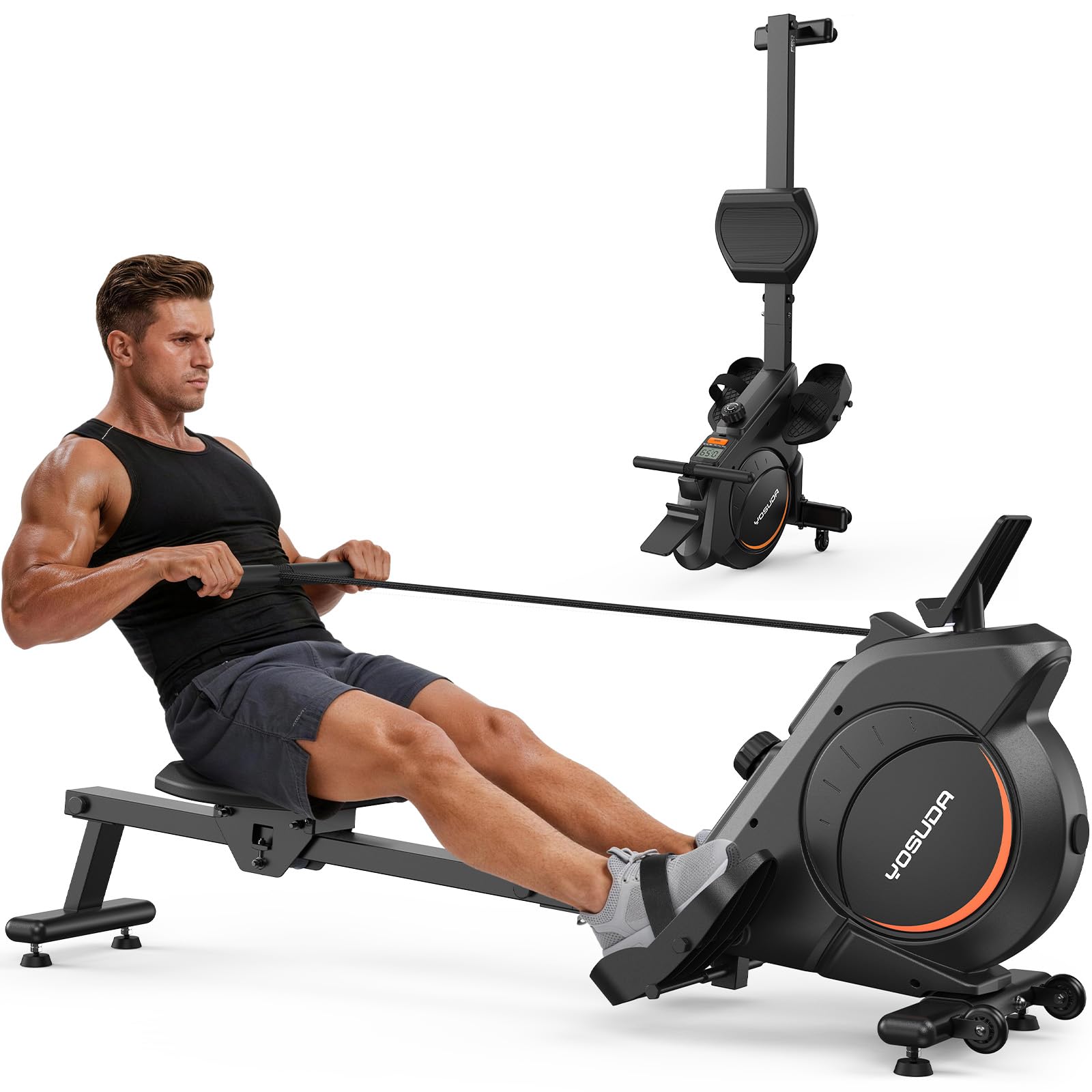
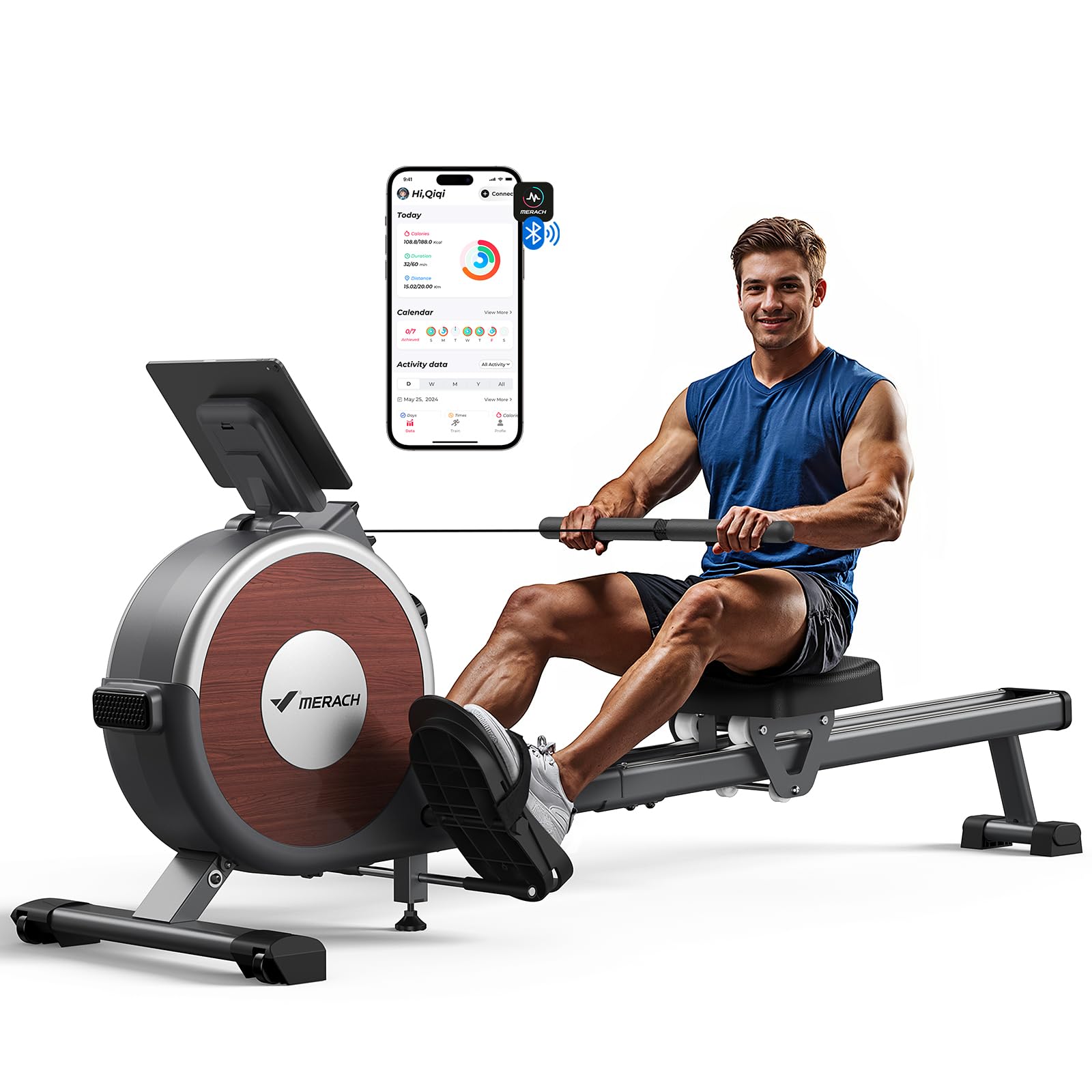


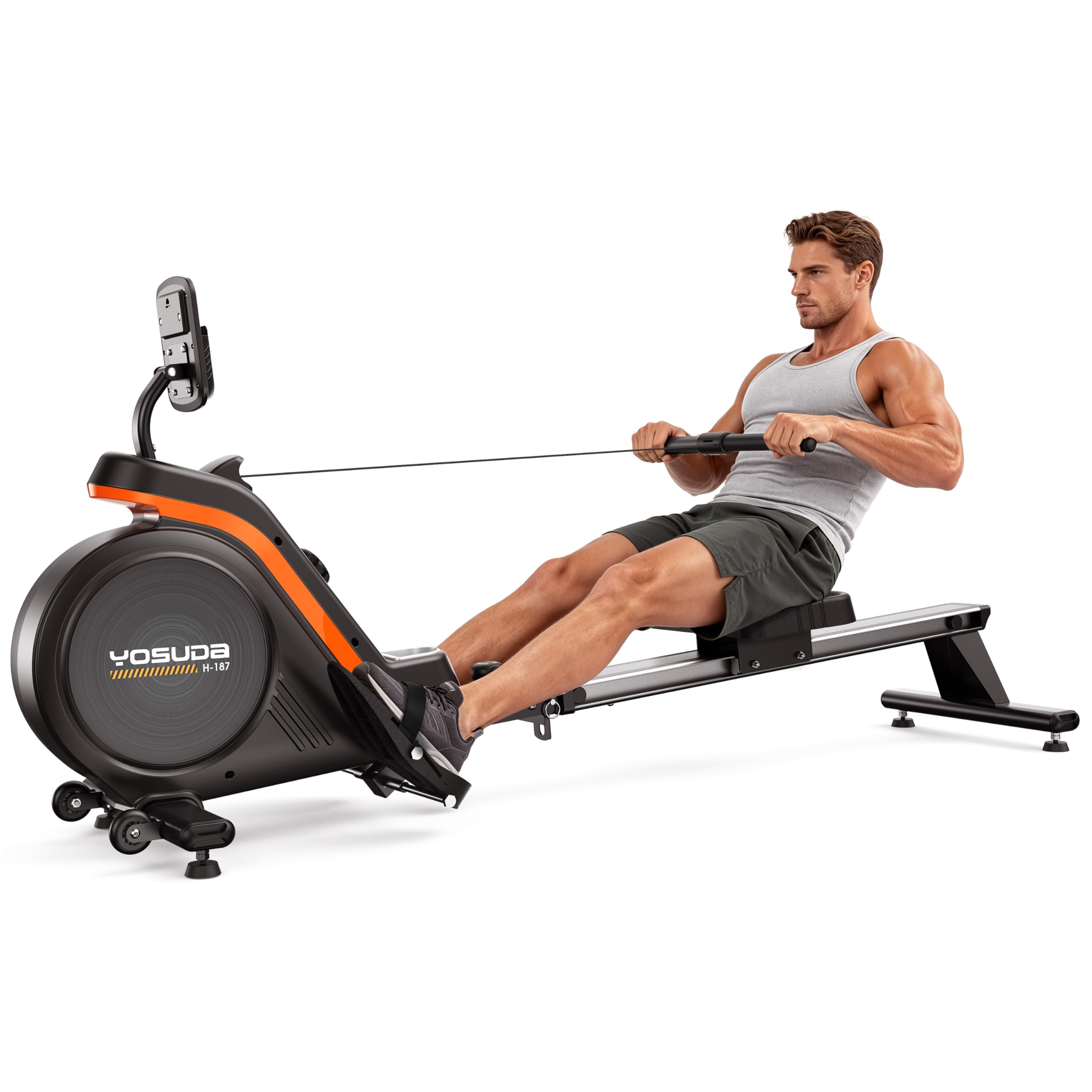
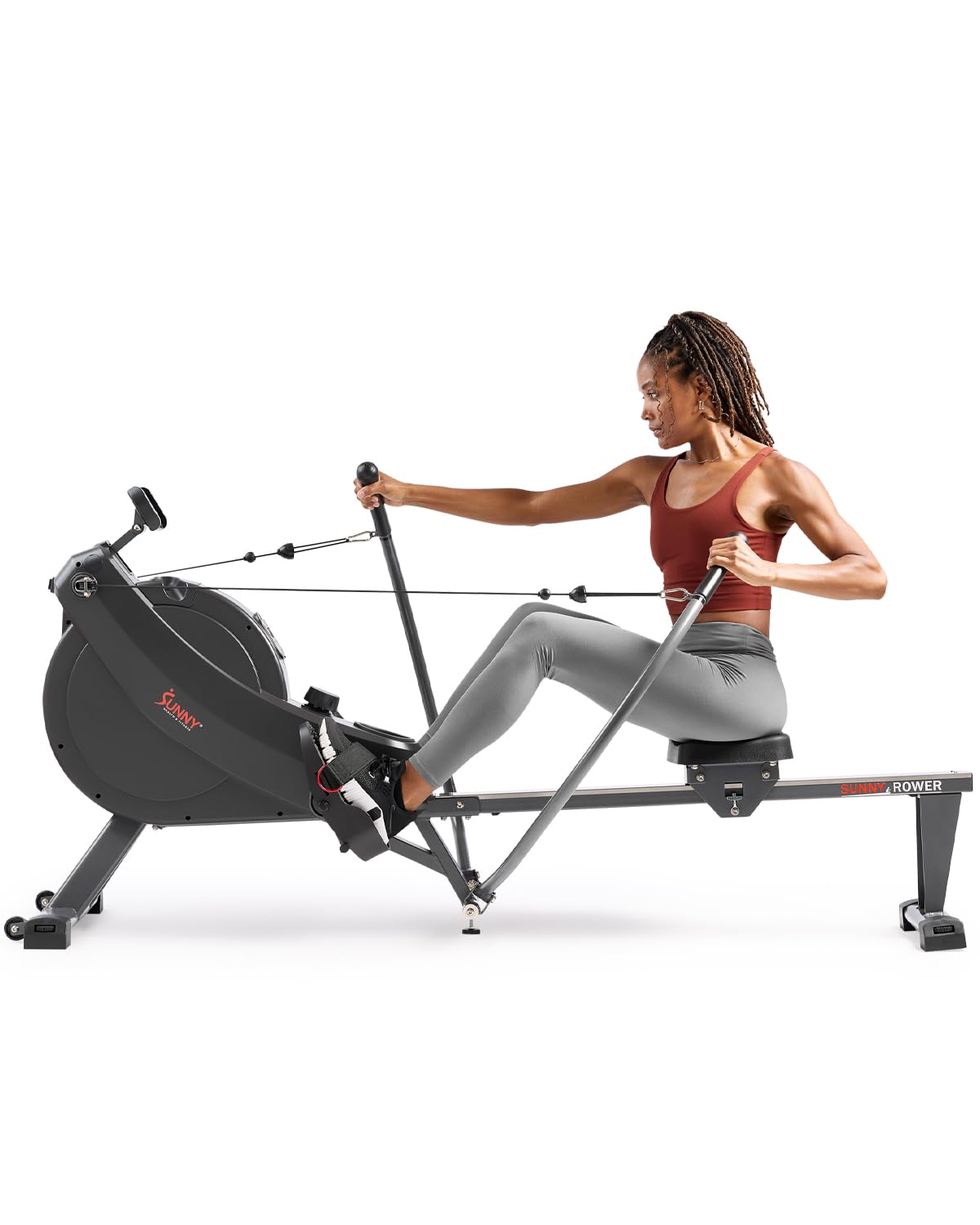
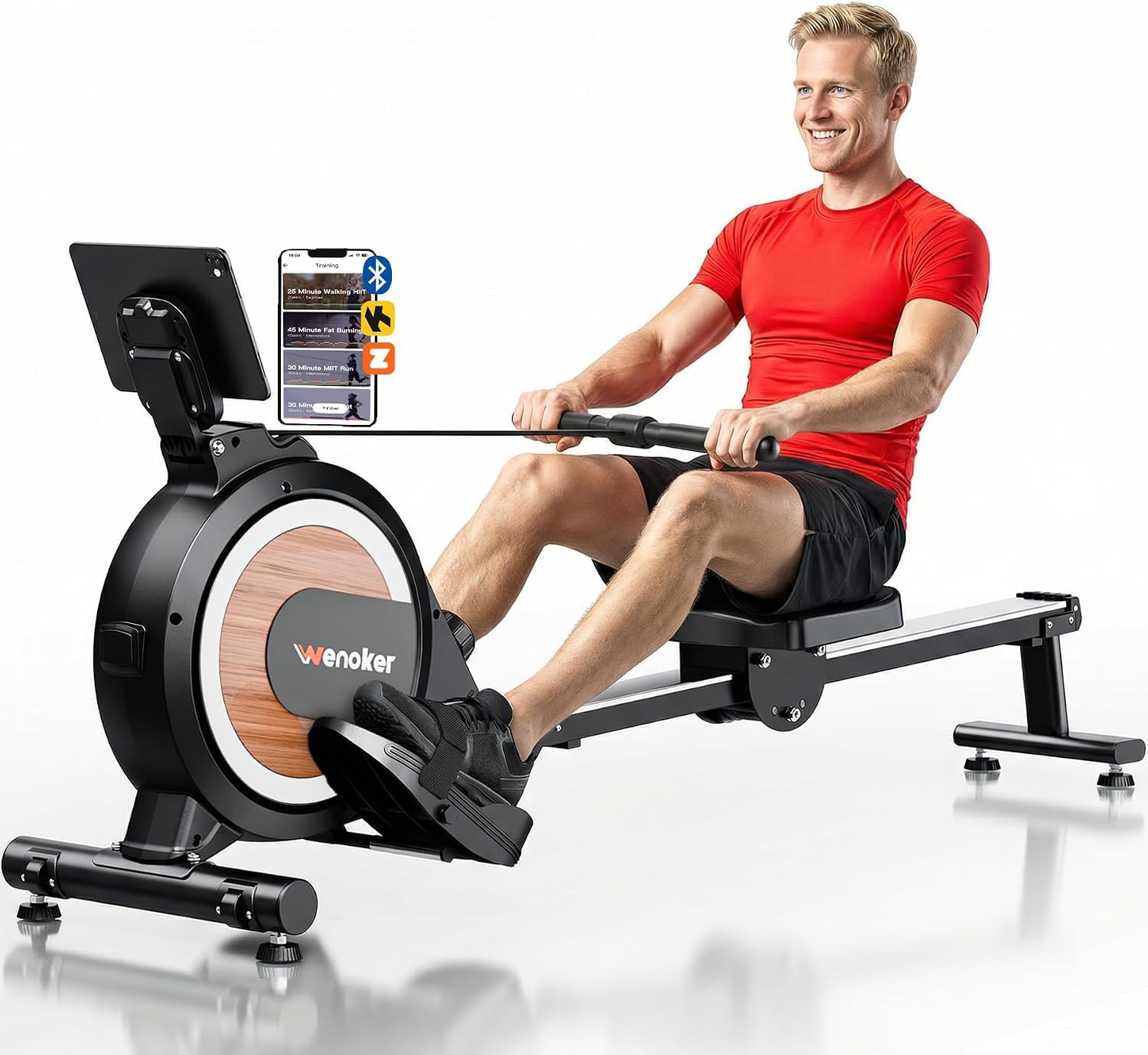
What a Strong Budget Rower Looks Like at a Glance
Instead of chasing a single winner, think in profiles. The three profiles below describe what to look for in the product table above, so you can match a machine to your goals, your space and your training style.
Balanced Profile
A well rounded budget rower balances a sturdy steel frame, smooth magnetic or air resistance and a monitor that tracks distance, time, strokes and calories without fuss. Look for a weight capacity that clears your body weight by a comfortable margin and a rail long enough for a full leg drive. This profile suits most home users who plan to row three to five times a week for years. Expect to pay around $300 to $600 for this level of build and finish.
Value Profile
Value means spending on the parts you feel every stroke and saving on the parts you rarely touch. Prioritize the flywheel, the seat rollers and the footplates, and accept a simpler monitor with fewer preset programs. A value focused machine often skips Bluetooth and app extras, yet still delivers quiet resistance and a solid frame. If you already track workouts on your phone, this trade off makes sense. Most value picks cluster around $200 to $400.
Beginner Profile
Beginners do best with a machine that feels inviting from the first session. A lower step over height, clear resistance markings and a cushioned seat matter more than top end resistance you may never use. Compact footprints and lighter frames also help if you will move the rower after each workout. Start with a model around $150 to $300, learn good form, and upgrade later only if rowing becomes a lasting habit.
How to Choose the Best Rowing Machines: Buying Guide
The sections below walk through the decisions that separate a rower you love from one that gathers dust. Read them in order and note your own limits on space, noise and budget before you shop.
What You Can Realistically Get on a Budget
At the lowest prices, around $150 to $250, expect hydraulic pistons or basic magnetic resistance, a smaller monitor and a lighter frame. From about $250 to $500 you gain smoother magnetic systems, longer rails and better seats. Screens with coaching, premium wood frames and commercial build quality sit above this range. Spend first on frame strength and resistance feel, because those shape every workout.
Space, Footprint, and Ceiling Height
Most rowers need a floor area about two feet wide and seven to nine feet long, plus clearance behind the rail for your lean back at the finish. Measure your room before you order, and mark the footprint on the floor with tape to see the feel. Many budget models store upright or fold at the rail, which shrinks the footprint in a closet or corner. Ceiling height rarely limits rowing itself, but upright storage needs about seven feet of vertical room.
Build Quality and Weight Capacity
A steel frame with a stable, wide stance resists flex when you pull hard, and flex is what makes a cheap rower feel shaky within months. Check the stated weight capacity and choose a machine rated at least 30 to 50 lb above your weight for a margin of safety and smoothness. Inspect product photos for thick rail construction, metal footplates and a seat that rides on multiple rollers rather than a single narrow track.
If you are comparing the very cheapest end of the market, our guide to the best low budget rowing machine range explains which compromises stay tolerable at that level.
Noise Level for Apartments
Resistance type drives most of the noise. Magnetic rowers are the quietest, with a soft whir that rarely bothers neighbors. Air rowers grow louder as you pull harder, and water rowers make a gentle swoosh that many people find pleasant. Place any rower on a dense mat to absorb vibration through the floor, and avoid rowing directly over a downstairs bedroom early in the morning if your building carries sound easily.
For a closer look at quiet magnetic designs, see our guide to the best budget magnetic rowing machine options and what their resistance ranges mean in practice.
Assembly and Portability
Most budget rowers arrive in one large box and take about 30 to 60 minutes to assemble with basic tools, often just a wrench and a screwdriver included in the carton. Two people make the job easier, since the rail and flywheel housing are awkward to align alone. Transport wheels on the front stabilizer let you tip and roll the machine into storage. Weigh the listed product weight too, because a rower near 100 lb feels very different to move than one near 55 lb.
Resistance Type and Range
Magnetic resistance feels smooth and stays consistent at every pace, and most models offer 8 to 16 levels you change with a dial. Air resistance rises with your effort, which suits hard intervals, while water resistance mimics the pull of an oar through a lake. Hydraulic pistons are cheapest but can feel uneven and offer a shorter range of motion. Whatever the type, you want enough range to grow stronger without maxing out the dial in your first month.
If the sound and feel of water appeals to you, our guide to the best budget water rowing machine category covers tank size, paddle design and upkeep in detail.
Warranty (Frame, Parts, Labor)
Budget warranties vary widely, so read the three parts separately. Frame coverage of five years or more signals confidence in the structure, while parts coverage of one to two years is typical at this price. Labor is often limited to 90 days or omitted entirely, which means you may handle simple repairs yourself. Keep your receipt and register the product, and favor brands that sell replacement seats, straps and rollers so a small failure does not end the machine life.
Types of Rowing Machines
Budget rowers group into a few broad families. Knowing which family fits your home and habits will narrow the product table above faster than any single spec.
Budget Starter Models
Starter models keep costs down with compact frames, simple monitors and hydraulic or entry level magnetic resistance. They suit light use, smaller users and anyone testing whether rowing fits their routine. The trade off is a shorter rail and less top end resistance, so committed athletes may outgrow them within a year or two of steady training.
Commercial Grade Models
Commercial grade rowers are built for gyms, with heavy frames, high weight capacities and parts designed for daily pounding by many users. They rarely count as budget purchases, yet they set the benchmark for durability. If a home model borrows their rail design, chain drive and footplate build, it usually signals quality worth paying a little more to get.
Smart Connected Models
Connected rowers add Bluetooth monitors, app based workouts and sometimes a large screen with coached classes. The hardware can still sit at a fair price, but subscriptions add a monthly cost you should count in your budget. Choose this family if guided sessions keep you consistent, and confirm the machine still works fully if you later cancel the app membership.
Shoppers who want a connected feel without a big screen may prefer the approach in our guide to the best budget indoor rowing machine lineup, where simple monitors pair with phone apps.
Compact and Foldable Models
Compact models shorten the rail or fold it upward, and some stand upright against a wall between sessions. They are the natural fit for apartments, spare rooms and shared spaces. Check the rail length against your inseam before buying, since a rail that is too short cuts your leg drive and cramps your form at the catch position.
How to Make Your Rowing Machine Last Longer
A budget rower can serve for years when you treat it well. Build these habits from the first week.
- Use a mat to protect floors and reduce noise, and to keep dust and grit away from the seat rollers.
- Wipe down the rail, handle and seat after each workout, since sweat corrodes metal and dries out grips.
- Tighten bolts monthly, especially at the seat, footplates and front stabilizer, because rowing vibration loosens hardware slowly.
- Start with lower resistance and build gradually, which protects both your back and the drive system while your form improves.
- Store the machine away from damp garages and direct sun, which age belts, cords and plastic parts.
- Check the handle strap or chain for fraying every few months and replace it before it snaps mid stroke.
If your priority is stretching each dollar across the whole purchase, our guide to the best budget friendly rowing machine range adds tips on timing sales and comparing shipping costs.
FAQs
How long does a budget rowing machine last?
A budget rower typically lasts three to seven years with regular home use and basic care. Frame quality and seat rollers usually decide the lifespan more than the monitor does. Rowers stored in dry rooms and wiped down after sessions sit at the long end of that range, while machines left in damp garages with loose bolts wear out far sooner.
Which type of rowing machine is better for beginners?
A magnetic rower is usually better for beginners because its resistance stays predictable at slow speeds while you learn form. You can set a light level, focus on leg drive and posture, and raise the dial as your technique settles. Air models reward good form too, but their rising resistance can tempt new rowers to pull with the back too early.
Is a budget rowing machine quiet enough for an apartment?
Yes, a magnetic budget rower on a dense mat is quiet enough for most apartments, producing a soft hum that seldom carries through walls. Air and water models make more sound, though a mat still cuts floor vibration sharply. If you share thin floors, row at reasonable hours and place the machine away from shared walls where you can.
How much space do I need for a rowing machine?
Plan on a clear area about two feet wide and up to nine feet long while rowing, plus a little room to walk around the machine. Foldable and upright storage designs shrink the stored footprint to a few square feet. Tape the footprint on your floor first, and check door widths, since the rail section must pass through them on delivery day.
Is a subscription required to use a budget rowing machine?
No, a subscription is not required on most budget rowers, and the core workout works the moment you sit down. Paid apps only add coached classes, scenic rows and detailed tracking on connected models. Before buying a connected machine, confirm which monitor features stay free, so a lapsed membership never leaves you with a blank screen and limited data.
Wrapping Up
Choose frame strength and smooth resistance first, confirm the footprint fits your room, and then let noise and warranty settle close calls. Match one of the three profiles above to your training plans and check the comparison table above once more with those criteria in hand. When you judge best budget rowing machine reviews by build, fit and upkeep rather than by screen size, the right machine usually stands out quickly.