Best Budget Water Rowing Machine for 2026: Buying Guide and Smart Choices
Disclosure: We may earn a commission when you buy through links on this page, at no extra cost to you. As an Amazon Associate I earn from qualifying purchases. Learn more

Tank design, rail length, noise, assembly and warranty explained to help you choose the best budget water rowing machine.
Water rowing feels and sounds closer to rowing on a lake than any other home option, but full price water rowers can cost as much as a used car payment stretched over a year. This guide to the best budget water rowing machine shows where makers save money wisely and where savings turn into wobble, leaks and regret. You will learn how tank design, rail length and frame build shape the stroke before you spend anything.
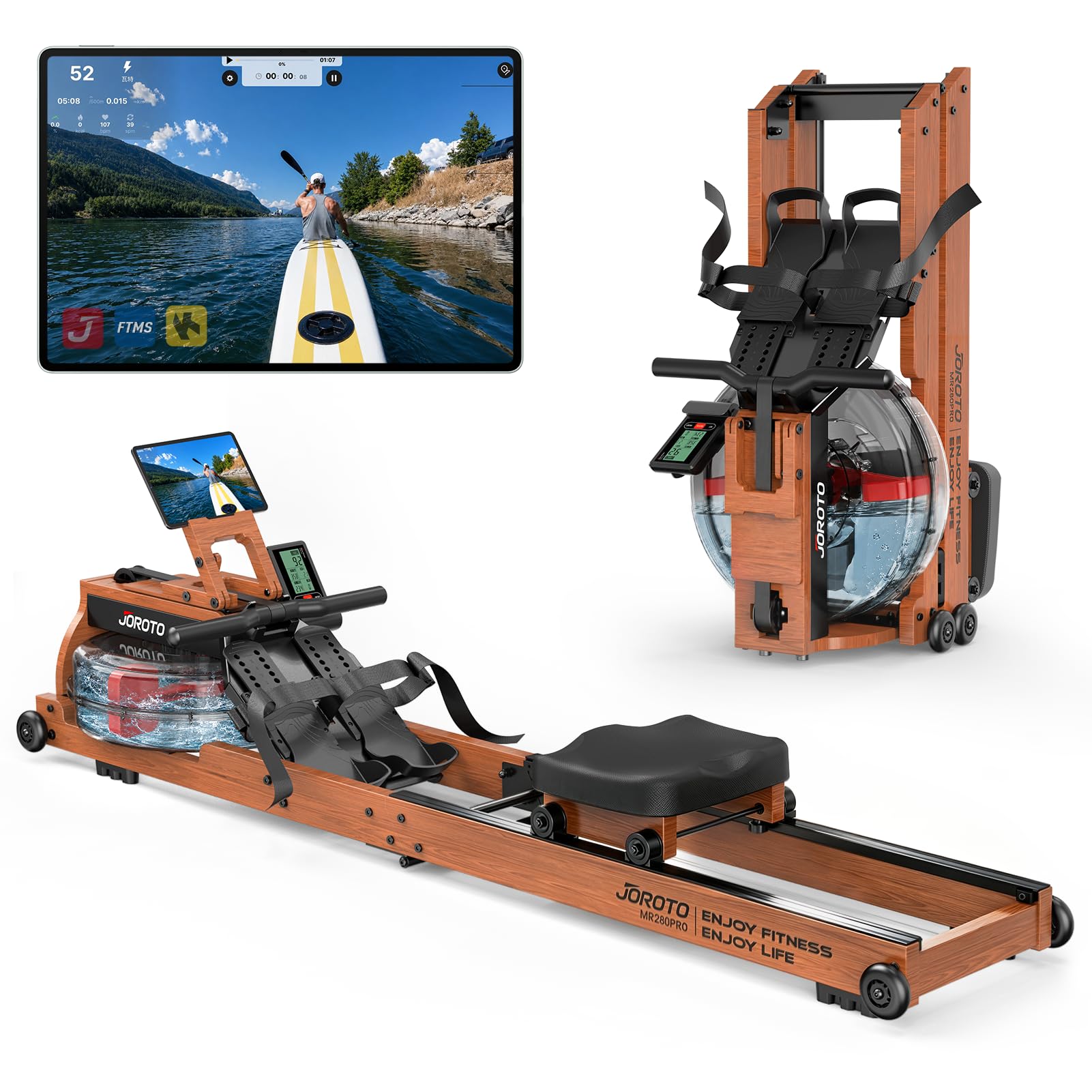
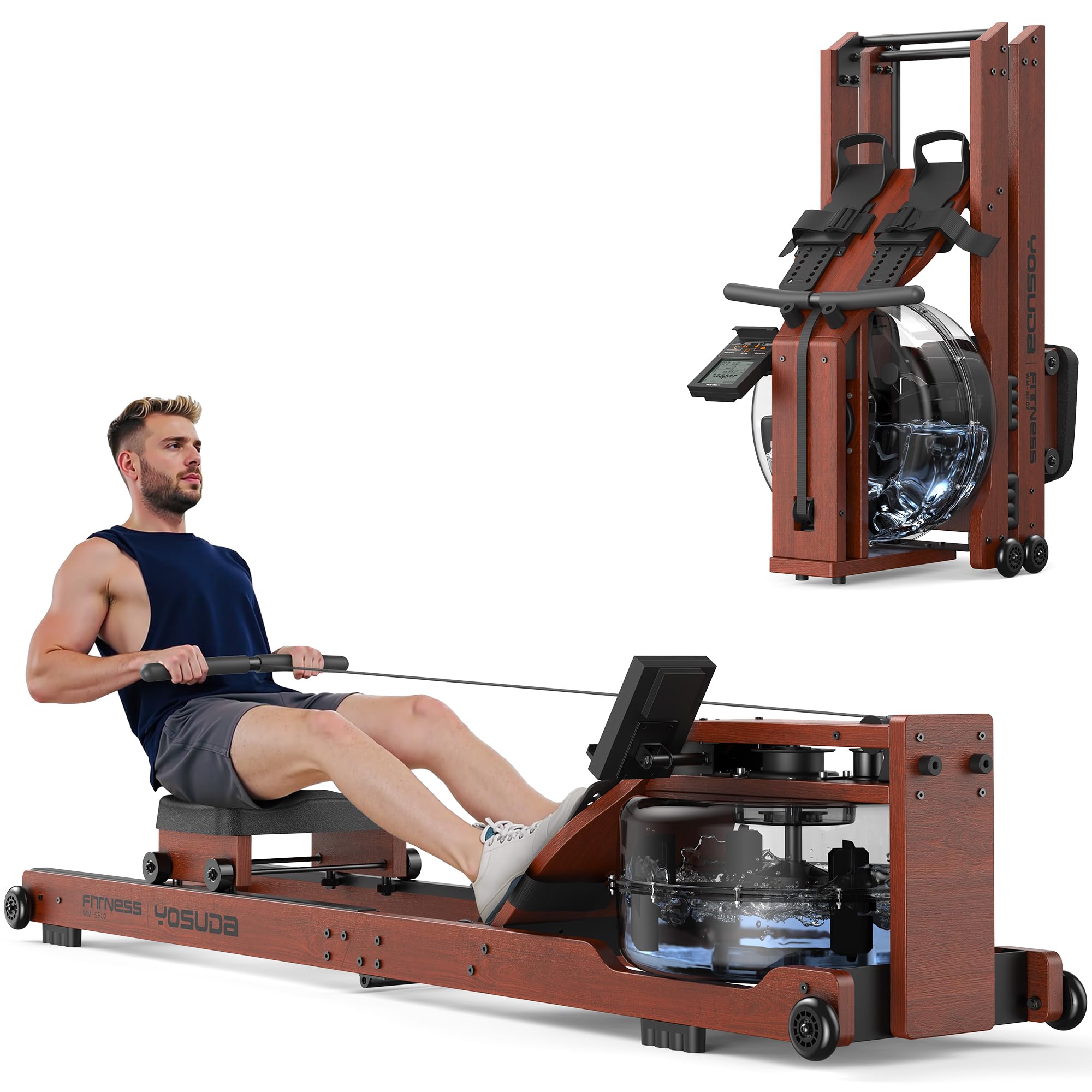
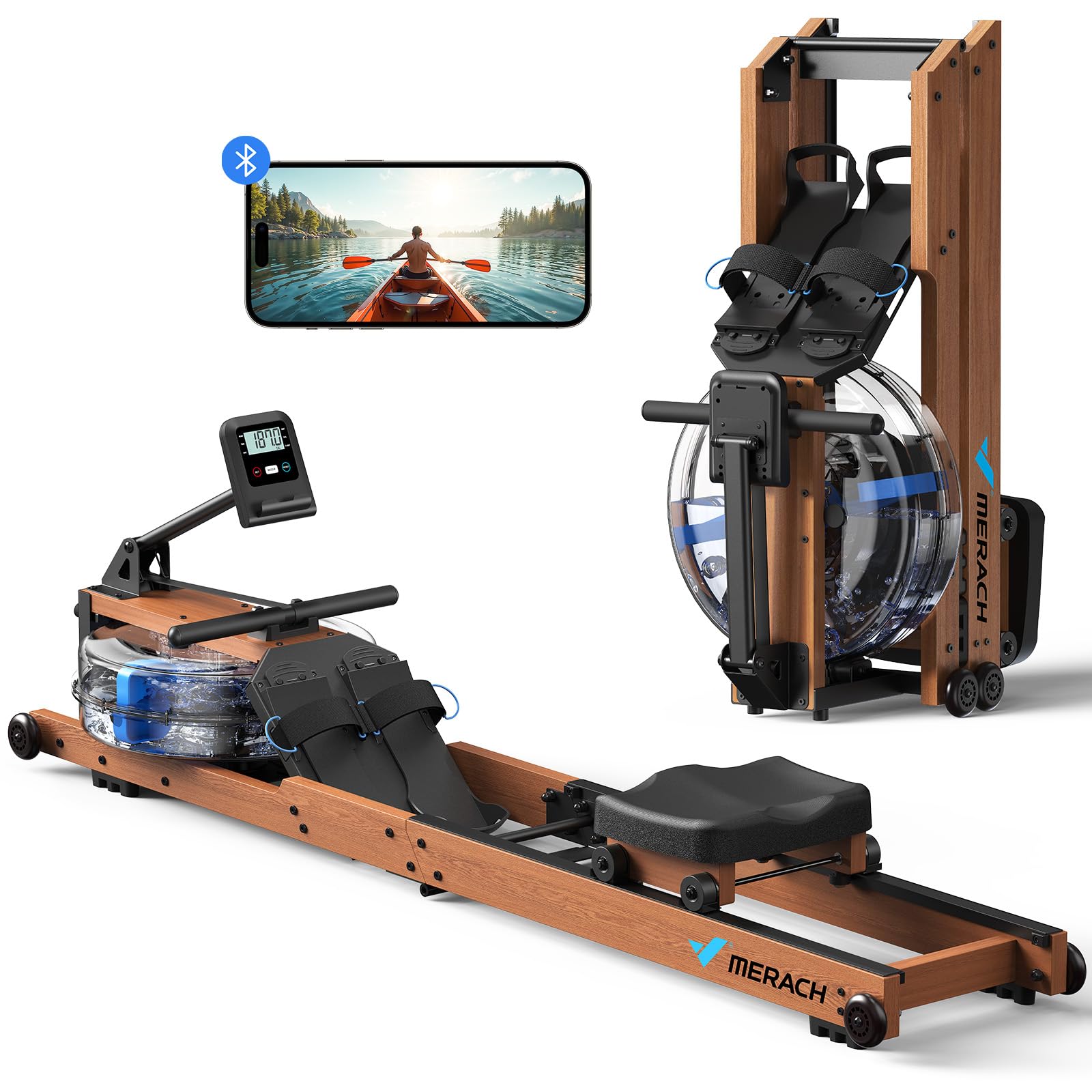
The comparison table below puts the main specs side by side, so keep it open as you read the criteria that follow.

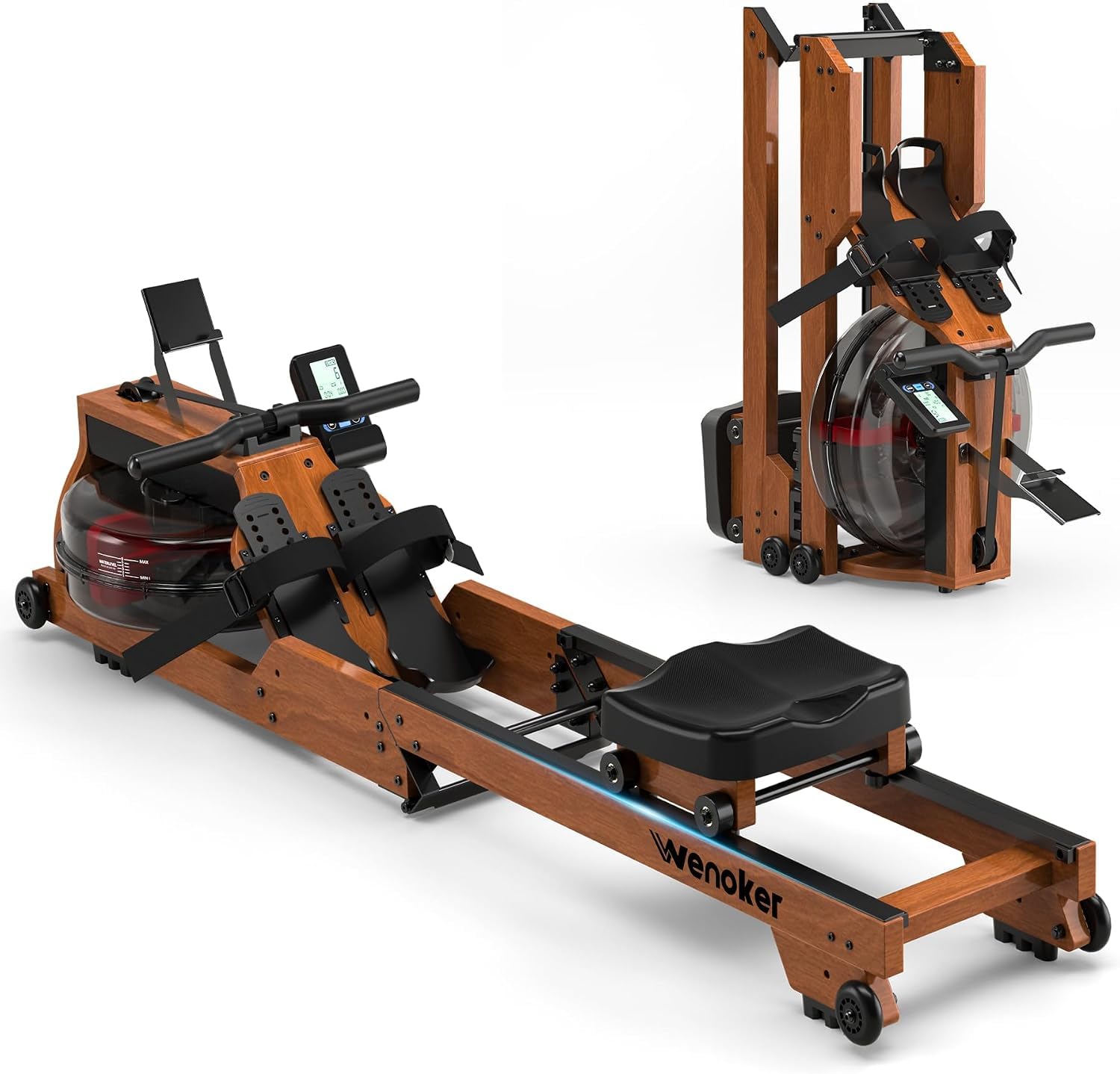
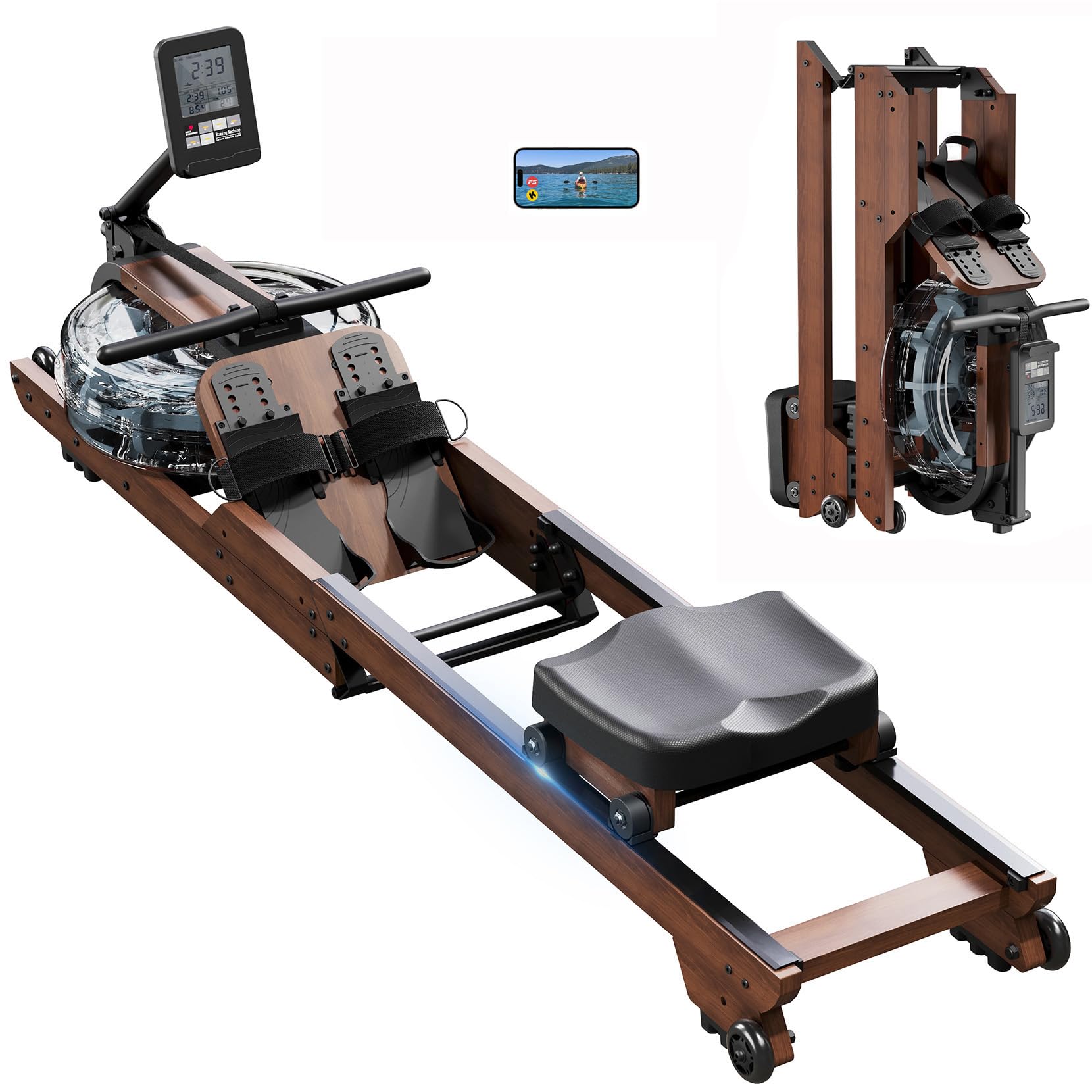
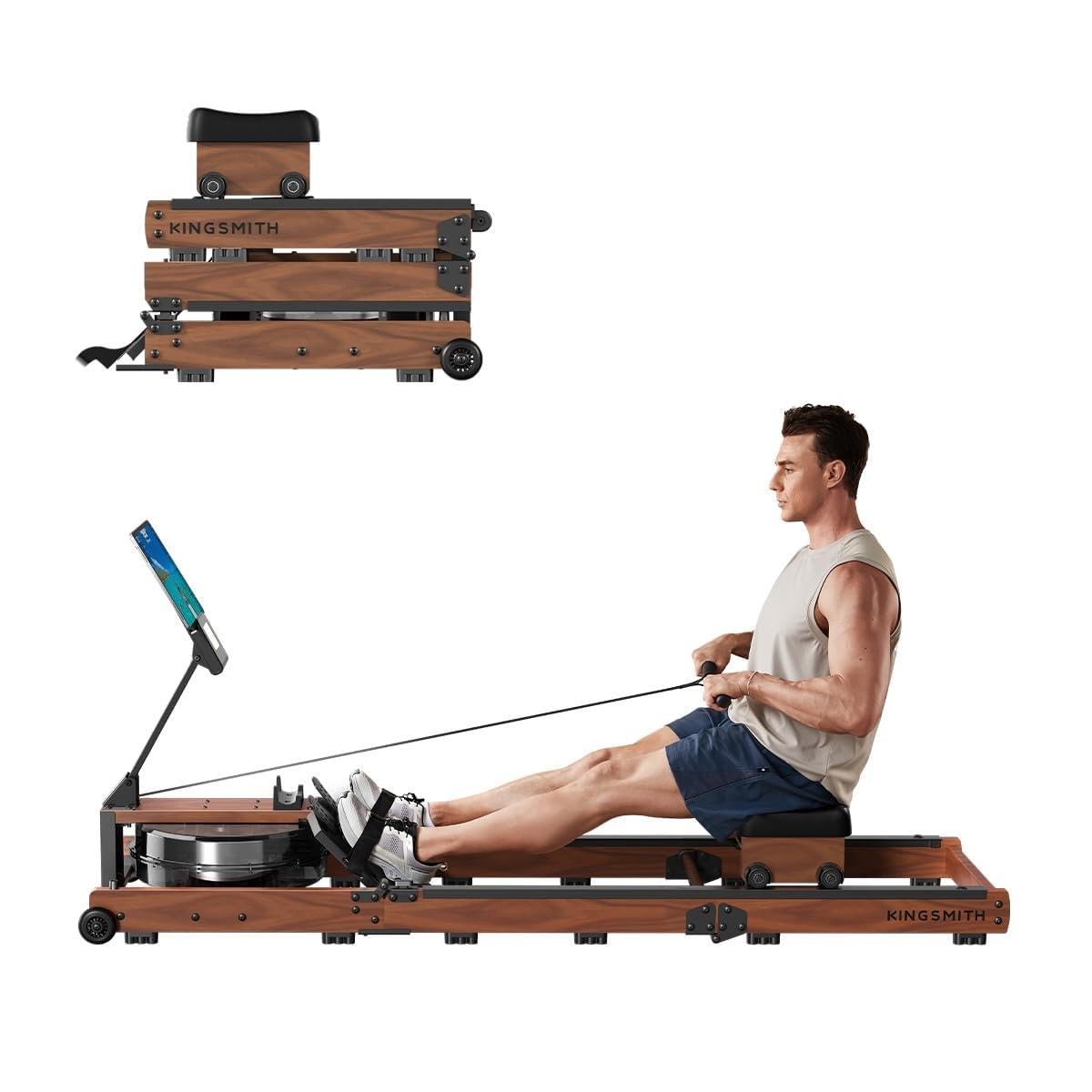


What a Good Budget Water Rower Looks Like at a Glance
Rather than naming winners, use the three profiles below as a lens for the product table above. Each profile describes the balance of features to hunt for at a given level of spending.
Balanced Profile
A strong all round budget water rower pairs a sealed, well made tank with a steel frame, a long rail and a smooth seat glide. Resistance should build evenly as you pull harder, with no dead spot at the catch. A basic monitor that tracks strokes, distance and time is enough for most training. Expect this balance around $400 to $700, below which either the tank, the frame or the rail length usually gives something up.
Value Profile
Value in this category means paying for the tank and frame while skipping polished wood rails and large screens. A value model keeps a dual chamber or well baffled tank for even resistance and uses painted steel where premium models use timber. You lose some furniture looks, not workout quality. If the rower will live in a garage or spare room rather than a living room, this is the smartest place to save, often around $300 to $500.
Premium Profile
At the top of the budget band, around $600 to $900, you gain sturdier rails, higher weight capacity, smoother rollers and sometimes Bluetooth monitors that sync with training apps. The stroke feels closer to a club machine, and parts quality supports daily hard use by taller or heavier rowers. Choose this profile if rowing is your main training and the machine will see five or more sessions a week for years.
How to Choose the Best Water Rowing Machines: Buying Guide
Water rowers share one resistance idea but differ in the details that decide daily satisfaction. Work through each point below with your room, your body and your routine in mind.
What You Can Realistically Get on a Budget
Around $300 to $450 buys a working water rower with a single tank, a steel frame and a small monitor, though rails run shorter and seats run simpler. From about $450 to $700 you gain better tanks, longer rails and higher weight limits. Solid wood frames, premium monitors and gym grade parts sit above this band. Never trade tank quality for screen size, because the tank is the workout.
Space, Footprint, and Ceiling Height
Water rowers are long, commonly seven to nine feet, and they need clear space behind the rail for your finish position. Many models store upright on their front end, which cuts the floor footprint to about two square feet but needs roughly seven feet of ceiling clearance. Measure both the workout footprint and the storage spot, and confirm the upright machine stands stable on its built in feet before you rely on that plan in a busy room.
Noise Level for Apartments
A water rower makes a soft swoosh that rises with effort and fades between strokes, and most users find it calmer than an air rower fan roar. The sound carries less through walls than through floors, so a dense mat under the frame matters in upstairs rooms. Seat rollers and the drive cord add small mechanical sounds on worn machines, which regular cleaning and bolt checks keep quiet.
For a wider view of rowing formats at low prices, our guide to the best budget rowing machine reviews compares water designs with air and magnetic rivals.
Resistance Type and Range
Water resistance is self regulating, so the harder and faster you pull, the more the paddles resist, just like an oar in a lake. Most budget tanks hold a set water level that you adjust by adding or removing water with the included siphon pump, which sets your base range. Good technique matters more than settings here, since a sharp leg drive creates firm resistance even at a modest fill level, while a lazy pull stays light at any level.
Assembly and Portability
Assembly usually means joining the rail to the tank frame, fitting the seat and footplates and filling the tank, a job of about 30 to 45 minutes for most models. Fill the tank on a towel with a funnel nearby, and check every seal before the first hard session. Transport wheels help you tilt and roll the machine, but a filled tank adds real weight, so plan its home spot carefully and move it slowly over thresholds.
Console, Programs, and App Connectivity
Budget water rowers ship with simple monitors that show time, strokes per minute, distance and calories, which covers steady training well. Bluetooth models send that data to phone apps for logs and challenges, and a few offer race or interval programs. Subscriptions are optional extras in this class, not a requirement, so confirm the monitor still shows full data if you never pair an app at all.
Stride Length, Range of Motion, and Ergonomics
Rail length decides who fits the machine. Taller rowers with long inseams need a longer rail so the seat never slams the front stops at the catch. Footplates should adjust or flex enough to hold heels down, and the handle should let your hands finish at the lower ribs without the cord rubbing the tank frame. If two household members differ greatly in height, favor the longer rail, since a shorter rower can adapt more easily than a taller one.
Wood framed designs deserve a look if the rower will sit in a living space, and our guide to the best wood water rowing machine range explains the finishes and care they need.
Types of Water Rowing Machines
Budget water rowers still split into distinct families by build and extras. Match the family to your room and routine first.
Commercial Grade Models
Commercial water rowers serve clubs and studios, with reinforced tanks, heavy rails and parts rated for many users a day. They anchor the top of the market on price, yet their design cues, such as dual rails and sealed tank housings, show you what durability looks like. A home model that borrows those cues usually earns its slightly higher price.
Budget Starter Models
Starter water rowers keep the authentic water feel while trimming rail length, monitor features and frame weight. They suit new rowers, smaller rooms and lighter users who train a few times a week. Their limit shows up as lower weight capacity and a shorter stroke range for tall users, so check those two specs with extra care before choosing this family.
Compact and Foldable Models
Compact water rowers shorten the rail or stand upright for storage between sessions, which helps in apartments and shared rooms. The upright designs common in this family store neatly against a wall. Confirm the tank seals and the standing base feel secure, and remember that a shorter rail still needs to fit your legs at full compression.
Smart Connected Models
Connected water rowers add Bluetooth monitors and app workouts while keeping the classic tank and rail layout. They appeal if coached sessions and data logs keep you training. Count any app subscription in your yearly cost, and verify the handle sensor and monitor battery are easy to replace, since small electronics fail sooner than tanks and rails do.
If you are still weighing water against other low cost formats, our guide to the best budget friendly rowing machine options lays out the running costs of each type.
Care and Maintenance Tips
Water rowers ask for a little routine care, and in return they keep their smooth pull for years.
- Use a mat to protect floors and reduce noise, and to catch the odd drip when you adjust the water level.
- Wipe down the rail, seat and handle after each workout, and keep grit off the seat rollers.
- Tighten bolts monthly at the rail joints and footplates, since vibration slowly loosens them.
- Start with lower resistance and build gradually by filling the tank in small steps as your form improves.
- Add the maker purification tablets on schedule so the tank water stays clear and free of algae.
- Keep the rower out of direct sun, which can cloud the tank and age the drive cord.
Water Rowing Machines: Your Questions Answered
How much space do I need for a water rowing machine?
You need a workout area about two feet wide and up to nine feet long, plus room to walk around the rail. For storage, most water rowers stand upright in about two square feet if your ceiling clears roughly seven feet. Tape both footprints on the floor before ordering, and check that the delivery box will pass your doors and hallway turns.
Which water rowing machine style is better for beginners?
A starter or midrange steel frame model is better for most beginners, because it delivers the true water feel without the price of premium wood or connected extras. Water resistance forgives slow technique while you learn, since a gentle pull stays gentle. Spend the savings on a mat and a heart rate strap if you want data, and upgrade only after rowing becomes a fixed habit.
Is a water rowing machine quiet enough for an apartment?
Yes, a water rower is quiet enough for most apartments, making a soft swoosh that few neighbors notice through a closed door. Floor vibration travels further than the water sound, so use a dense mat and avoid placing the rail over a bedroom below during early hours. Keep rollers clean, since gritty rollers add a rumble that clean ones never make.
Is a subscription required for a water rowing machine?
No, no subscription is required, and the full workout works with the basic monitor alone. Connected models offer paid apps with classes and tracking, but the tank, rail and stroke never depend on them. Before paying extra for a connected model, check which features stay free, so your training never hinges on a monthly plan you might cancel.
How long does a water rowing machine last?
A well kept water rower lasts many years, often a decade or more, because the tank and frame have few wearing parts. The seat rollers, drive cord and foot straps wear first and are usually replaceable at low cost. Clear water, scheduled purification tablets and monthly bolt checks keep the machine smooth, while sun and damp storage shorten its life the most.
The Bottom Line
Put tank quality and rail length first, confirm the frame fits your weight and your room, and treat screens as a bonus rather than the point. Check the product table above once more against those priorities and the right choice should be clear. A carefully chosen best budget water rowing machine gives you the sound, feel and rhythm of the water without the flagship price. For a second opinion on formats, see our guide to the best water rower rowing machine designs as well. Readers comparing general water rower feedback may also find our best water rowing machine review guide useful for background on tank care.