Best Budget Magnetic Rowing Machine in 2026: Which Type Is Right for You?
Disclosure: We may earn a commission when you buy through links on this page, at no extra cost to you. As an Amazon Associate I earn from qualifying purchases. Learn more

Foldable, starter, smart or commercial grade? Compare each style by pros, cons and price to find the best budget magnetic rowing machine for you.
Every magnetic rower uses the same basic idea, magnets braking a flywheel without touching it, yet the machines built around that idea differ a lot. Some fold away for flats, some chase gym level toughness, and some add screens and apps. This guide compares each type clearly, so you can match a best budget magnetic rowing machine style to your room, your body, and how you actually train.
Start with the comparison table below to see the price spread, then read the type breakdowns. The right type chosen early saves you from paying for strength you never use or storage you desperately need.
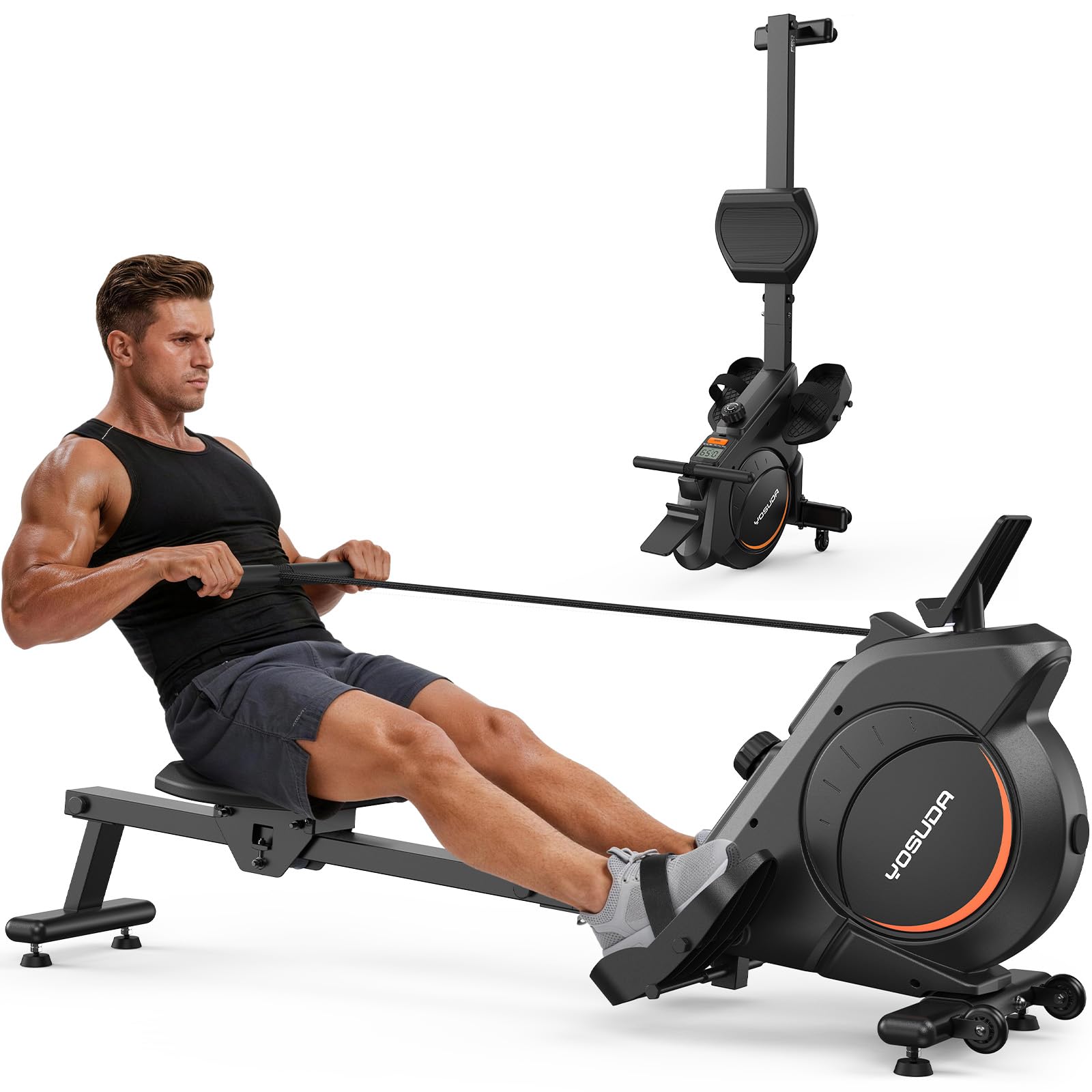


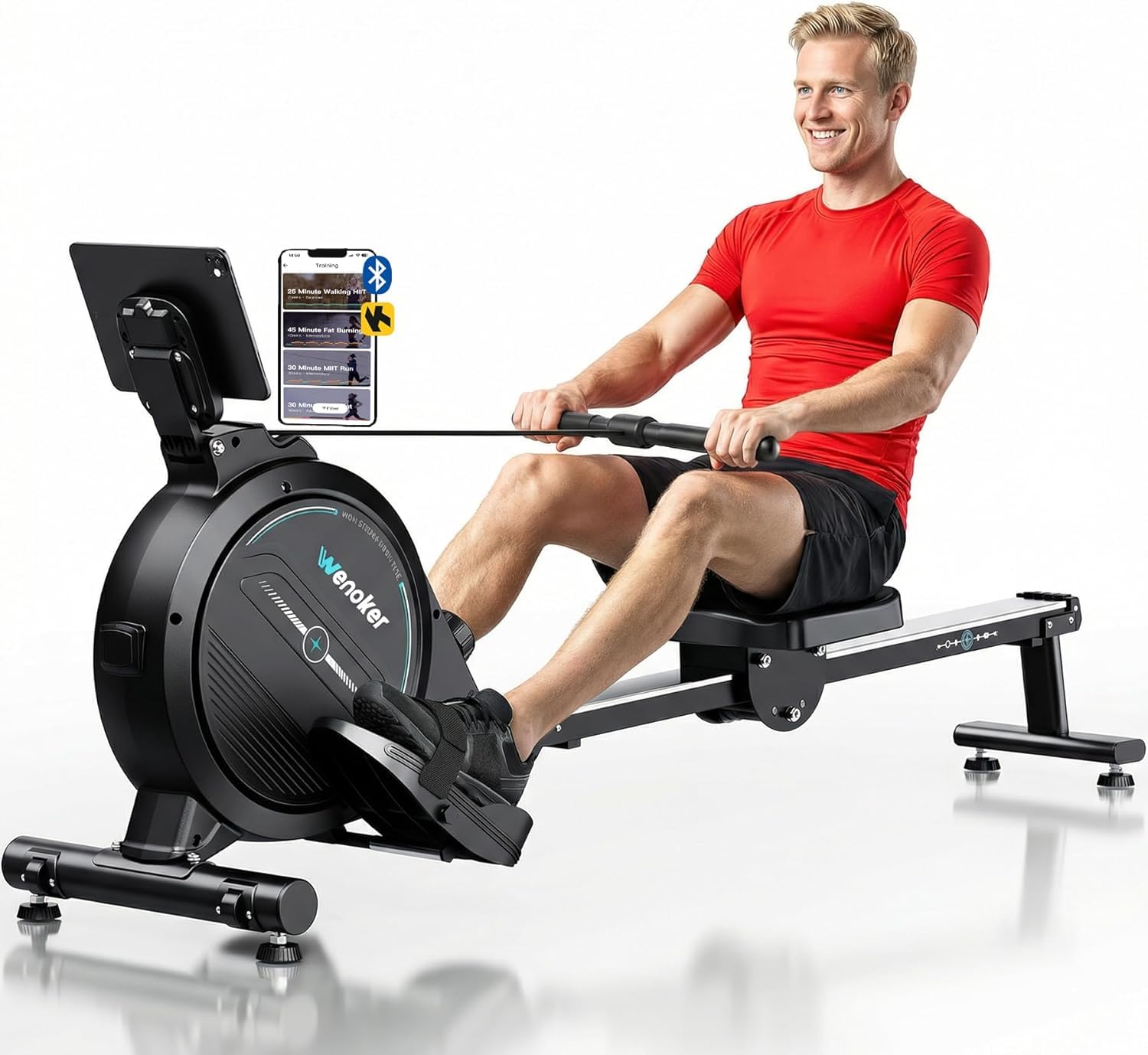

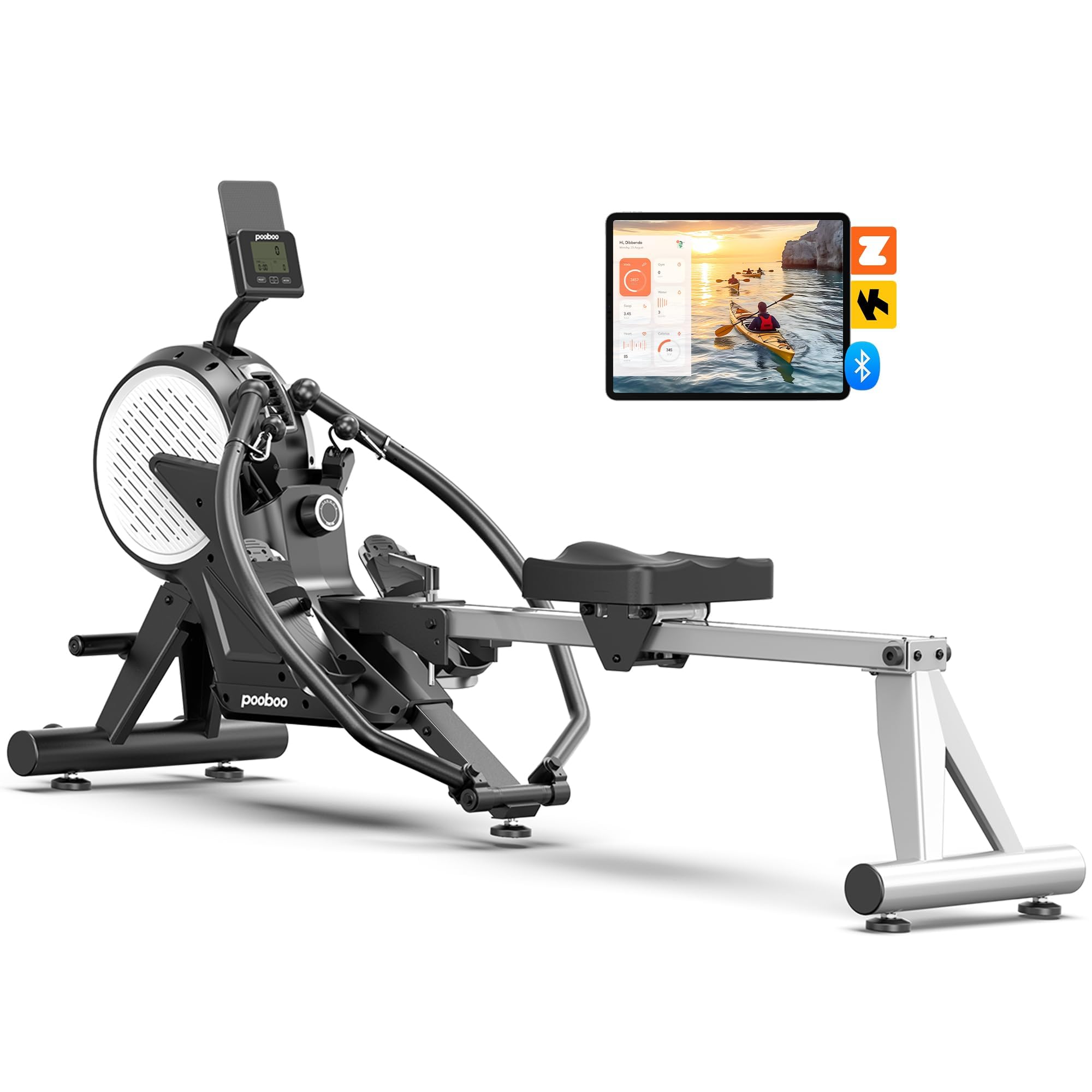
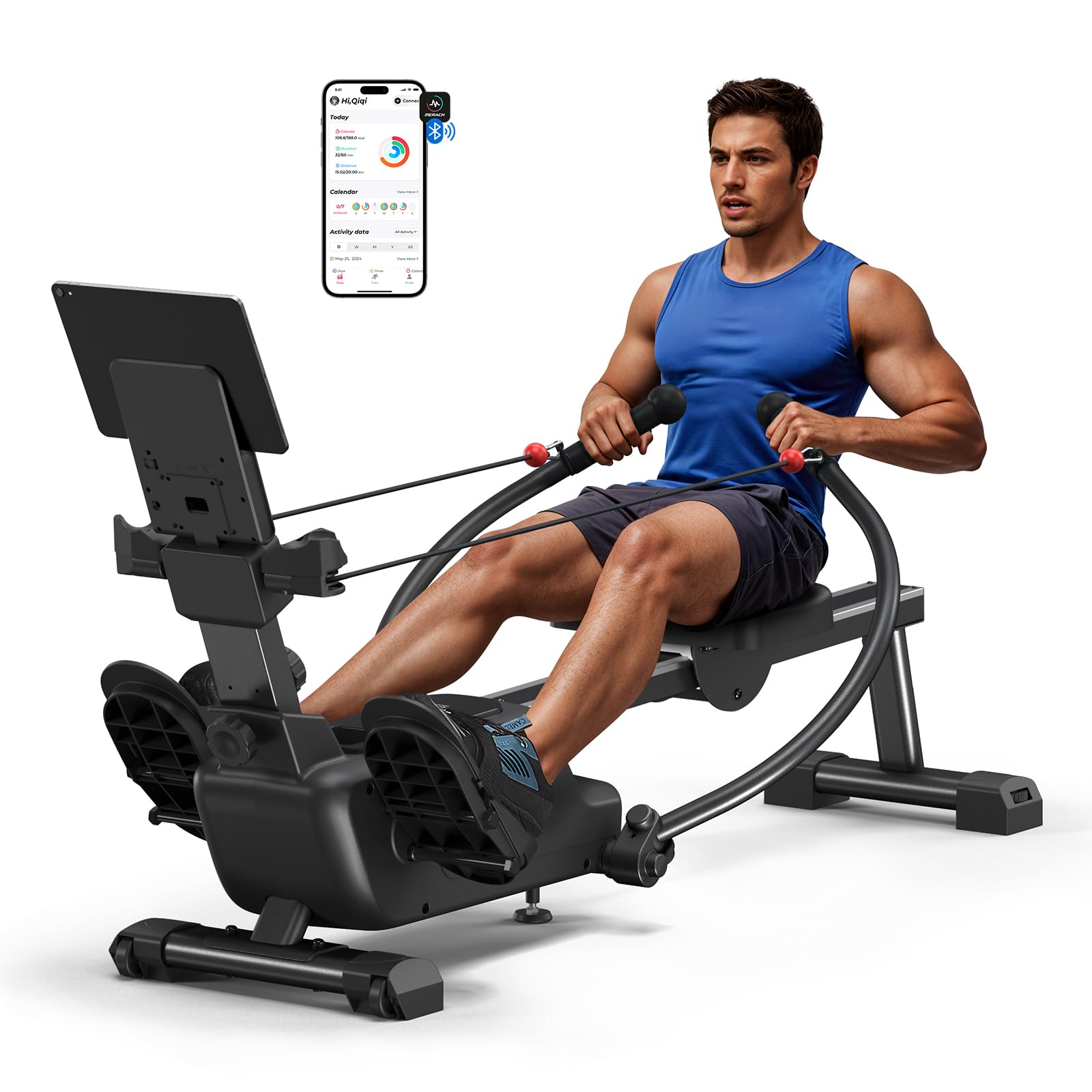
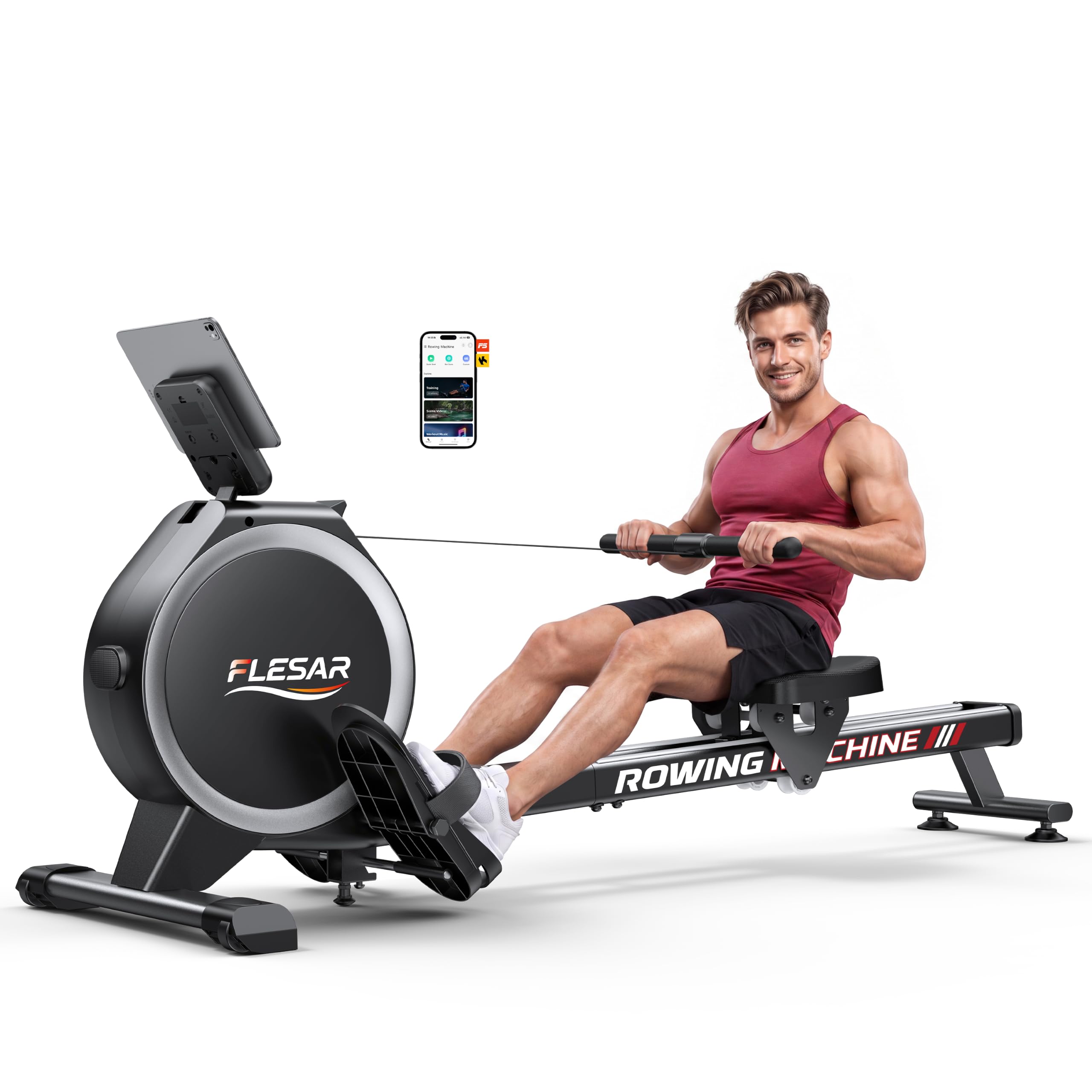
Types of Magnetic Rowing Machines Compared
All four types below share quiet magnetic resistance, but they split on size, build, and extras. Prices are typical ranges only. Compact and foldable models run around $250 to $500 and suit small spaces. Budget starter models run around $200 to $400 and suit new rowers. Smart connected models run around $500 to $900 and suit data driven training. Commercial grade styles run around $800 and up and suit heavy shared use. Judge each type against your own routine rather than the label alone.
Compact and Foldable Models
These rowers fold at the rail joint or stand upright, so the stored footprint can shrink to a small corner or closet space. In use they row like any magnetic machine, with smooth, quiet resistance and a sliding seat. The strengths are storage and lower price, plus easy moving on transport wheels. The limits are shorter rails, lower weight capacity on many designs, and a slightly less planted feel during very hard efforts. Choose this type if you train in a living room or bedroom and must clear the floor after every session, and if your height and weight sit comfortably inside the stated limits.
Commercial Grade Models
Commercial grade magnetic rowers use thicker steel, longer rails, higher capacity, and parts built for many users a day. The rowing feel is firm and stable even at high stroke rates, and warranties tend to run longer on frame and parts. The costs are price, weight, and size. These machines are hard to move, rarely fold, and exceed what a single home user needs. Choose this type if several adults will row daily, if you are near the capacity limit of lighter models, or if you plan to keep the same machine for many years of hard use.
Smart Connected Models
Smart models pair magnetic resistance with Bluetooth, app support, and sometimes a large screen for classes and virtual rows. Resistance may change from the console or through an app, and your data logs automatically. The appeal is motivation and variety, especially for people who train alone. The downsides are higher price, possible subscription costs, and electronics that can age faster than the frame. Choose this type if coaching and tracking genuinely keep you consistent, but confirm the rower still works fully in a simple manual mode with no account.
For a deeper look at the smart end of the market, see our guide to the best magnetic resistance rowing machine and compare how its resistance systems are described.
Budget Starter Models
Starter models keep the formula simple. A basic steel frame, a compact console, eight or so resistance levels, and a rail sized for average heights. They row quietly and need little care, which makes them a low risk way to try the rowing habit. Limits include shorter cover, simpler seats and foot plates, and fewer spare parts in some cases. Choose this type if you are new to rowing, train a few times a week at moderate effort, and would rather start affordably than pay for capacity or screens you may never need.
Compact and Foldable Models vs Commercial Grade Models: Which Should You Choose?
These two types sit at opposite ends of the budget magnetic range, so compare them on five points. On size, foldable models win easily, storing in a fraction of the floor space. On stability, commercial grade models win, staying planted under heavy users and hard intervals. On capacity and rail length, the commercial style again leads, suiting tall and heavy rowers. On price and moving effort, foldable models are far kinder. On lifespan under daily shared use, commercial build pulls ahead. In short, choose storage and value if you row alone in a small home, and choose commercial strength if space is permanent and use is heavy.
How to Choose the Right Magnetic Rowing Machine
Build Quality and Weight Capacity
Whichever type you pick, the frame should feel rigid when you sit down and pull hard. Look for steel construction, a wide front stabilizer, and a capacity at least 30 to 40 lb above your weight. Rail length must suit your legs, or the seat will hit the end stop and break your rhythm. Seat rollers and the strap take constant load, so clear spare parts support is a quiet sign of a maker that expects its machines to stay in service.
Space, Footprint, and Ceiling Height
Measure the rowing footprint first, about seven to nine feet long and two feet wide, plus room behind the rail. Then measure storage honestly. A foldable model only helps if the folded shape fits a real spot in your home, and an upright model needs ceiling height that surprises many buyers. Walk the route from the front door to the room as well, because long rails turn poorly in tight halls, even when the final room is large enough.
Console, Programs, and App Connectivity
A clear console showing stroke rate, distance, time, and resistance level covers the needs of most home rowers. Bluetooth adds phone logging and guided sessions for those who want them. Preset programs help vary training without planning each session. Check two practical points. Resistance should adjust from the machine itself, not only from an app, and basic tracking should work with no subscription, so the rower stays fully useful if you cancel paid services later.
Shoppers weighing value across brands may also want our guide to the best budget friendly rowing machine for a plain view of what friendly pricing should still include.
What You Can Realistically Get on a Budget
For around $250 to $600 you can expect smooth magnetic resistance, a safe steel frame, and tracking that covers the essentials. Higher spend within budget adds rail length, capacity, and longer cover rather than a different workout. What you rarely get is a huge screen, automatic class based resistance, or gym length rails. Spend on fit and frame first. A basic starter model that fits you well will outperform a smart model with a rail that is too short for your legs.
Noise Level for Apartments
Magnetic resistance is the quietest rowing option because nothing rubs or spins through air or water. The sounds you will hear are the seat rolling, the strap rewinding, and your own breathing. A mat under the machine cuts vibration into the floor, and tight bolts stop rattles before they start. If you row on a hard floor above another home, moderate stroke rates late at night are a considerate habit even with a quiet machine.
How to Make Your Magnetic Rowing Machine Last Longer
Care is simple and mostly the same across types. Use a mat to protect floors and reduce noise, and keep the rail clean so the seat rolls smoothly. Wipe down the rail, handle, and seat after each workout, since sweat and dust grind into rollers over time. Tighten bolts monthly, especially at the stabilizers and rail joint on foldable models, where movement concentrates. Store smart models away from damp, and keep all types out of strong direct sun, which ages straps, plastic, and screens. Once a month, pull the handle slowly and listen. New clicking or grinding is easier and cheaper to fix early.
If you are still comparing review coverage before you commit, see our guide to the best magnetic rowing machines reviews for how reviewers separate foldable, smart, and heavy duty styles.
FAQs
Which budget magnetic rowing machine is better for beginners?
A budget starter model or a compact model with a simple console is usually better for beginners. Fixed magnetic levels feel predictable, so you can learn the stroke without resistance shifting mid session. Choose a padded seat and adjustable foot straps as well. One extra beginner tip is to film a short side view of your rowing in the first week, because form faults are far easier to spot on video than to feel.
Is a budget magnetic rowing machine quiet enough for an apartment?
Yes, it is the quietest rowing style you can buy. There is no fan whoosh and no water slosh, only soft seat and strap sounds. A mat and a room with a closing door handle most neighbor concerns. If your floor is thin, avoid placing the front stabilizer directly over a bedroom below, since low vibration travels straight down through that contact point.
Is a subscription required with a budget magnetic rowing machine?
No, most budget magnetic rowers work fully without a subscription. Manual resistance, preset programs on many models, and basic stats all run from the console. Paid apps add classes and detailed charts for people who enjoy them. Before choosing a smart model, check whether its screen shows basic stats with no account, because a few designs push sign up before you can row at all.
How long does a budget magnetic rowing machine last?
Expect about three to six years from a starter model and longer from a commercial grade style with good care. Magnets themselves rarely wear out, which is a real advantage of this resistance type. Straps, rollers, and foot plates age first. Models with listed spare parts and standard fixings are easier to keep running, so parts support is worth checking before price differences of a few dollars.
How much space does a budget magnetic rowing machine need?
In use, plan on roughly eight feet of length and three feet of width including safe access at the sides. Foldable and upright models can store in about two feet by two feet of floor space, but need height clearance. Measure your storage spot with the machine shape in mind, including the console arm, which often becomes the tallest or widest point once folded.
The Bottom Line
Pick the type first. Foldable for small homes, starter for new rowers on a tight budget, smart for coached training, and commercial grade for heavy shared use. Then confirm capacity, rail length, and quiet magnetic running, and check your finalists in the product table above. Matched that way, a best budget magnetic rowing machine gives you smooth, quiet, full body training without paying for the wrong strengths.