Best Budget Indoor Rowing Machine of 2026: Complete Buying Guide
Disclosure: We may earn a commission when you buy through links on this page, at no extra cost to you. As an Amazon Associate I earn from qualifying purchases. Learn more

Resistance, space, build quality, noise and console features explained, so you can choose the best budget indoor rowing machine for your home.
You want cardio that works your legs, back, and arms in one session, without a gym bill or a machine that eats your whole room. This guide walks you through resistance types, rail length, noise, and build quality in plain terms, so you can pick a best budget indoor rowing machine that fits your space and your training style the first time.
Use the comparison table below as your working shortlist. Then read the buying guide sections to check each option against your height, weight, floor, and schedule.
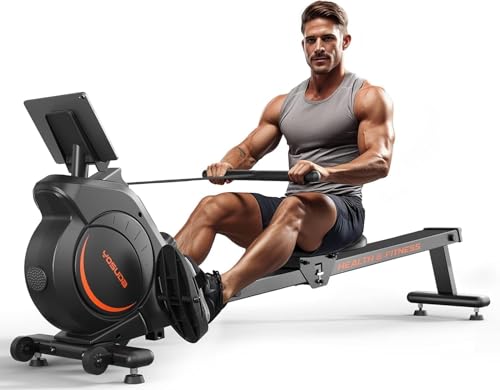
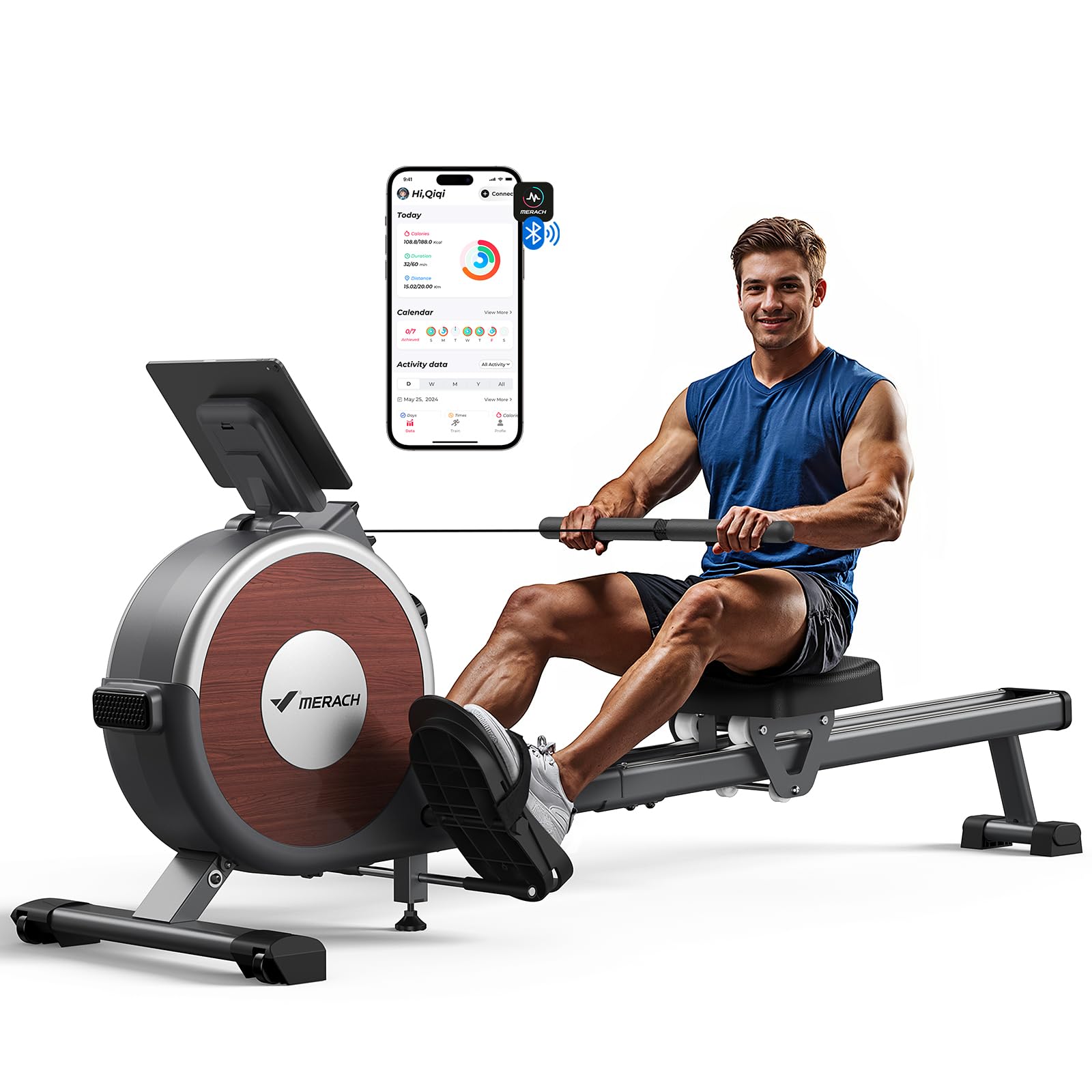


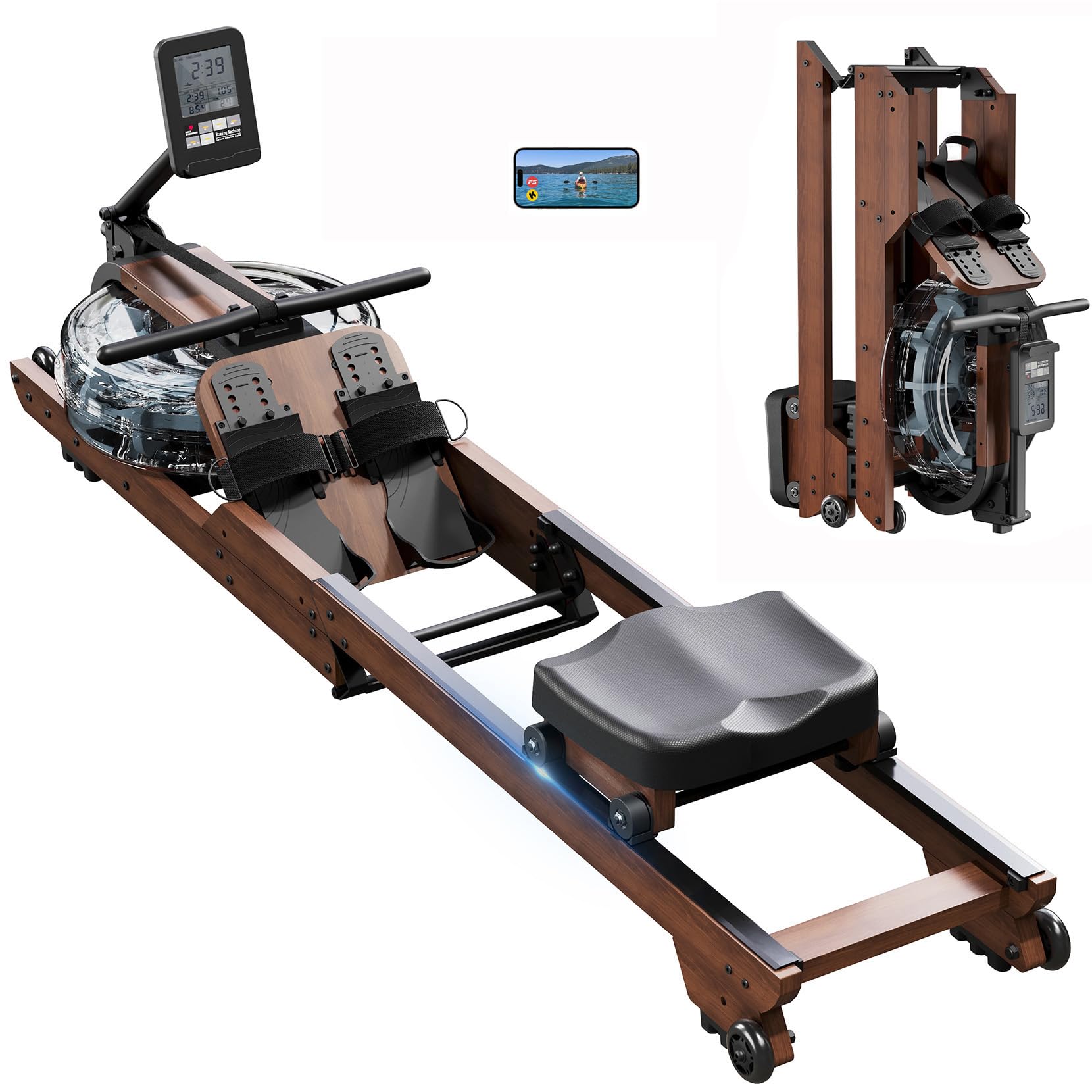
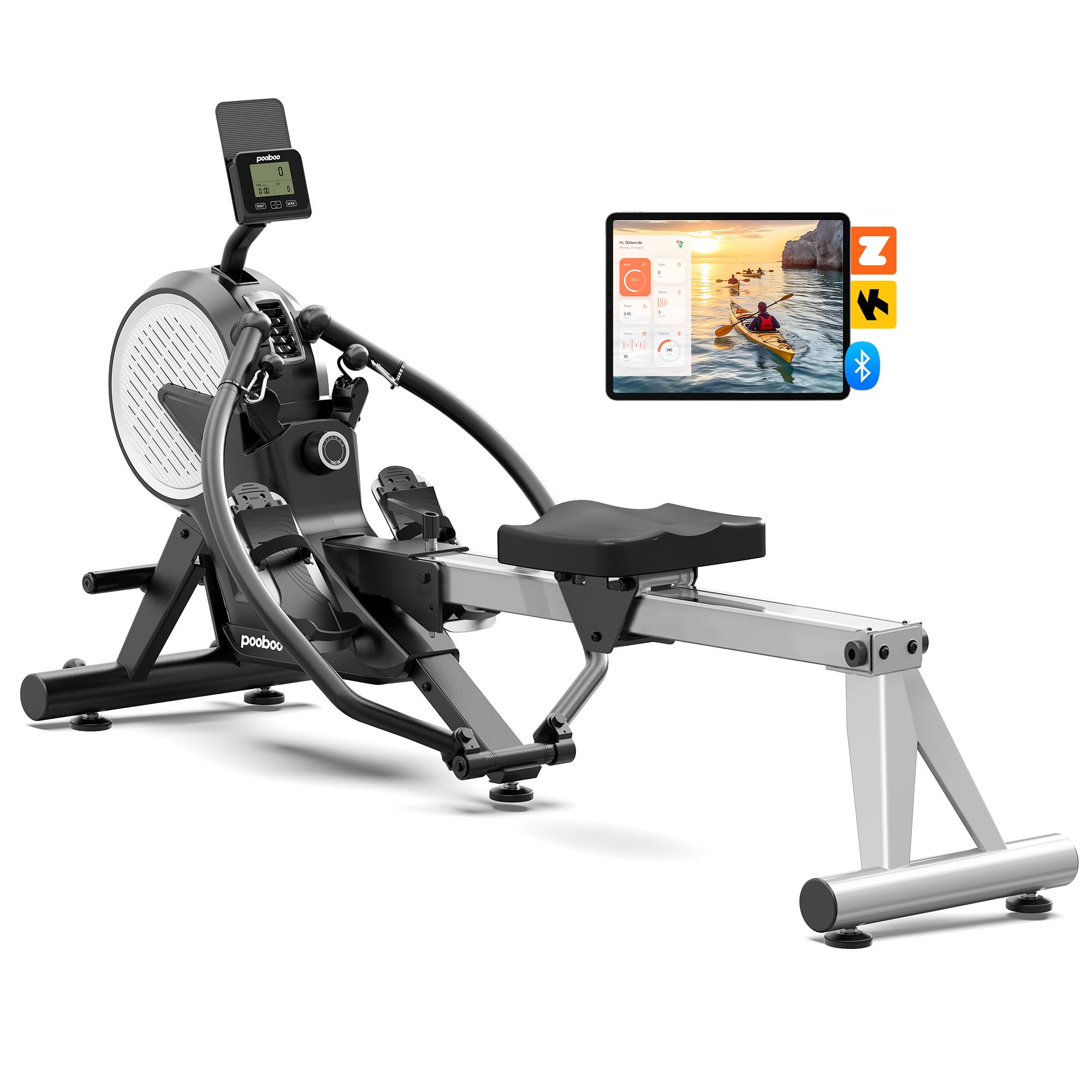
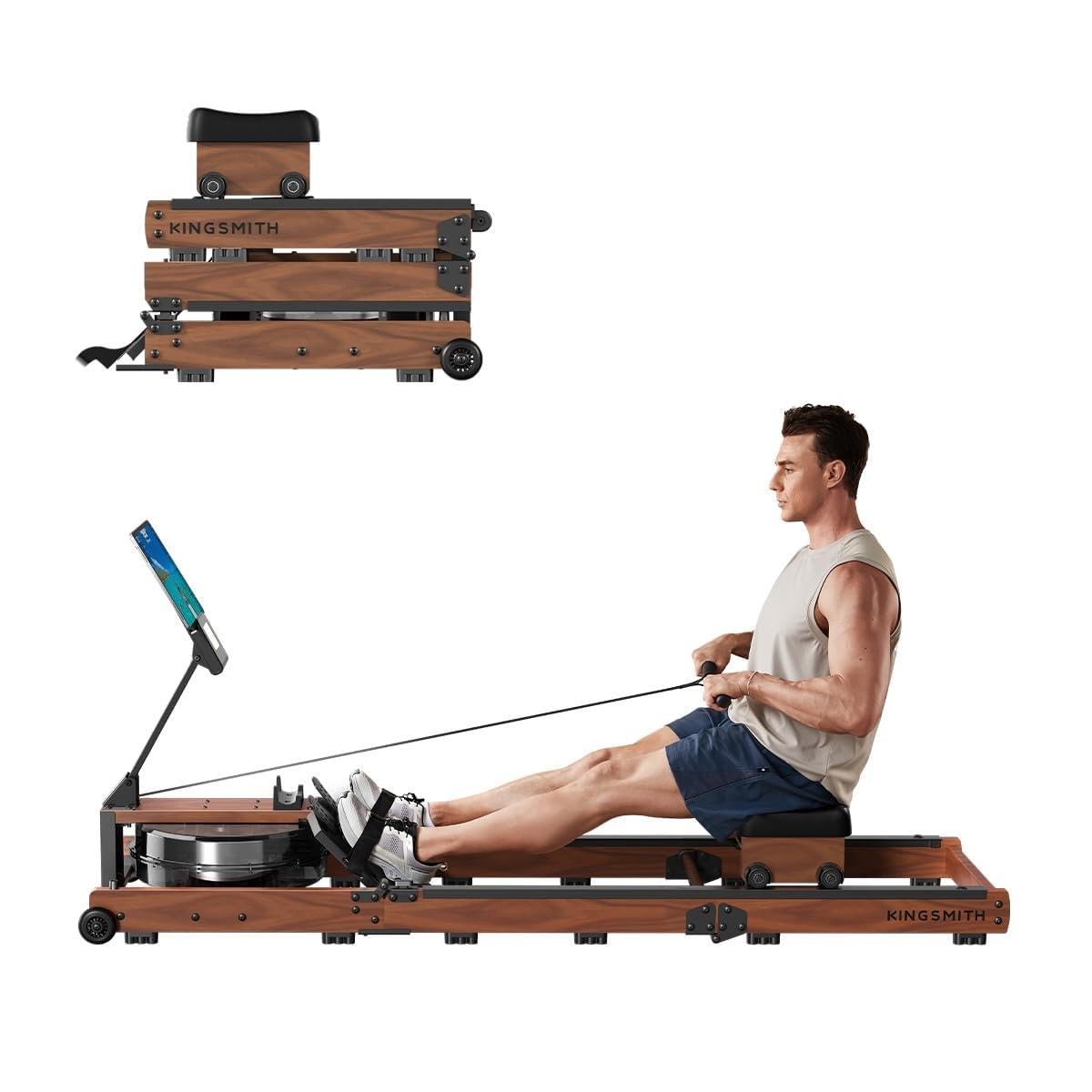

Price Tiers at a Glance
Budget rowers fall into clear tiers, and each tier trades features in predictable ways. Use these descriptions instead of brand claims, then confirm the details on any model in the product table above before you buy.
Balanced Tier for Regular Training
Models around $450 to $650 usually give the most complete package for training three or more times a week. Expect magnetic or air resistance with a wide range, a rail long enough for taller users, and parts cover near two years. Consoles at this level often include Bluetooth and several preset programs. The trade off is size and price. These machines are longer, heavier, and harder to store upright in a small flat than the cheapest options.
Value Tier for Light Budgets
Models around $250 to $450 focus on the basics done decently. Resistance is often magnetic with eight to sixteen levels, the console is small, and the rail may suit users under about six feet best. For walking pace goals, weight control, and general fitness, that package can be enough. The limits show up in shorter warranties, lower capacity, and fewer spare parts. Check return terms closely, because fit problems appear quickly once you start rowing daily.
Upgrade Tier Near the Top of Budget
Models around $650 to $900 blur the line between budget and mid range. You gain a heavier frame, smoother seat action, higher capacity, and sometimes water or air resistance with a more natural feel. This tier suits heavier users, taller users, and households where two people will row. You still avoid the cost of commercial grade machines built for gyms, but storage gets harder and assembly takes longer, so measure carefully before choosing this route.
Readers who want outside views on value models can also see our guide to the best budget rowing machine reviews for how review sites weigh price against rail length and warranty.
How to Choose the Best Indoor Rowing Machines: Buying Guide
This is the core of the decision. Work through each factor below in order, because the early ones, fit and build, cannot be fixed later with accessories or apps.
What You Can Realistically Get on a Budget
For around $250 to $650 you can get honest resistance, a safe frame, and tracking that covers time, distance, and stroke rate. What you give up is a large immersive screen, automatic resistance changes during classes, and the very long rails of gym machines. Never trade capacity or rail length for a nicer screen. A smooth, well fitting basic rower builds fitness, while a cramped smart rower mostly builds frustration.
Space, Footprint, and Ceiling Height
Allow roughly seven to nine feet of length and about two feet of width in use, plus space behind the rail for the seat at full extension. Many models store upright, which needs ceiling height close to the full rail length on some designs. Measure the storage spot, the room, and the path between them, including door turns. A rower that fits the room but cannot pass the hallway corner is a return waiting to happen.
Build Quality and Weight Capacity
A steel frame with a stable front stabilizer keeps the machine planted during hard strokes. Choose a capacity at least 30 to 40 lb above your weight, because the pull at the start of each stroke loads the frame beyond your resting weight. Rail material matters too. Steel rails feel firm and last well, while lighter aluminum rails save weight for moving. Check seat roller quality in photos and specs, since cheap rollers develop flat spots and a bumpy slide.
Assembly and Portability
Most budget rowers need about thirty to ninety minutes of assembly, mainly the rail, seat, stabilizers, and console arm. Two people make the job safer because rails are long and awkward rather than truly heavy. Transport wheels on the front stabilizer help you tilt and roll the machine for storage or cleaning. Check the wheels on your actual floor, because small wheels struggle on deep carpet and across raised door strips.
Resistance Type and Range
Magnetic resistance is quiet and adjusts in fixed levels, which suits apartments and steady training. Air resistance grows as you pull harder, feels natural, but makes fan noise. Water resistance gives a smooth pull and a pleasant sound, at higher cost and with tank care. Hydraulic pistons appear on the cheapest compact models, but their short stroke and changing feel as they warm up limit them. For most budget buyers, magnetic with at least eight levels is the safest match.
Console, Programs, and App Connectivity
Judge a console by readability first. Large digits for stroke rate, distance, and time beat a crowded small screen. Preset programs help you vary sessions without planning, and Bluetooth opens the door to phone based logs and guided rows. Confirm the machine works fully with no account, and ask what a subscription adds before you value it. A console that needs a phone for basic stats is a daily annoyance.
Your footwear affects comfort more than most new rowers expect, so see our guide to the best shoes for indoor rowing machine for what to wear and what to avoid on the foot plates.
Noise Level for Apartments
Magnetic models are the quietest, with seat and strap sounds only. Air models add a whoosh that rises with effort, and water models add a soft slosh that many people enjoy but neighbors may still hear through thin floors. A mat reduces vibration transfer on every type. If you share walls, place the rower away from the shared wall and keep the rail off bare hard floors where rolling sounds carry furthest.
Types of Indoor Rowing Machines
Compact and Foldable Models
These models fold at the rail or stand upright to shrink their stored size. They suit flats, spare rooms, and anyone who must clear the floor daily. The compromise is a shorter rail and lower capacity on many designs, so tall or heavy users should check figures with extra care before choosing storage over fit.
Commercial Grade Models
Commercial grade rowers are built for gyms, with very long rails, high capacity, and parts made for all day use. They appear in this guide only as a reference point, because their price sits well above budget. If you find one used, inspect the strap, chain or belt, and seat rollers closely, since wear parts decide whether the bargain stays a bargain.
Budget Starter Models
Starter models keep cost down with simple consoles, basic frames, and magnetic or hydraulic resistance. They suit new rowers testing the habit and lighter users with moderate goals. Expect shorter cover and fewer programs. Their real value is a low barrier to starting, provided the rail length and capacity still fit you properly.
Smart Connected Models
Smart models add large screens, Bluetooth, and app based classes or racing. They can motivate people who love data and coaching. The risks are subscription costs and screens that age faster than the frame. At budget prices, be sure the money went to the rail and resistance first, and treat the smart layer as a bonus rather than the reason to buy.
If your budget is extremely tight, see our guide to the best low budget rowing machine for the compromises that appear at the very lowest prices.
Tips to Get the Most From Your Indoor Rowing Machine
- Use a mat. Place the rower on a mat to protect floors and reduce noise, and to stop the machine creeping forward during hard intervals.
- Wipe down after each workout. Clean the rail, seat, and handle, because sweat and dust make rollers feel rough and grips wear early.
- Tighten bolts monthly. Check the stabilizers, foot plates, and console arm, since rowing vibration slowly loosens fixings and creates new rattles.
- Start with lower resistance and build gradually. Add minutes before you add levels, so your back and shoulders adapt to the stroke pattern safely.
- Log your sessions. A simple record of distance and time shows progress on flat weeks and keeps motivation steady without any paid app.
FAQs
How long does a budget indoor rowing machine last?
A cared for budget rower commonly lasts about three to six years of home use. The strap and seat rollers usually wear before the frame does. One factor many owners miss is sunlight. A machine stored by a bright window ages faster, because sun and heat dry out plastic parts and straps, so a shaded storage spot quietly extends its life.
How much space does a budget indoor rowing machine need?
Plan for about eight feet of clear length and three feet of width while rowing, including space to mount and step off. Upright storage needs far less floor space but real ceiling height. Measure the route from door to room as well. Long rails can be hard to turn in tight hallways, and that check takes two minutes before ordering.
Is a budget indoor rowing machine quiet enough for an apartment?
Yes, if you choose magnetic resistance and use a mat. Air and water models are louder, though still softer than a treadmill. Timing also helps. Most building noise travels worst late at night when everything else is silent, so daytime or early evening sessions rarely bother neighbors, especially with the door of your workout room closed.
Which budget indoor rowing machine is better for beginners?
A magnetic model with a simple console and a rail that fits your legs is better for most beginners. Predictable resistance lets you focus on the stroke order of legs, hips, then arms. Look for a padded seat and adjustable foot plates as well. Those small fit details, rarely highlighted in ads, decide comfort during the longer sessions that build real fitness.
Is a subscription required with a budget indoor rowing machine?
No, most budget rowers track time, distance, and stroke rate with no subscription at all. Apps add classes, scenery, and long term charts for people who want them. Check one detail before buying. Some consoles lock interval programs behind an account even when basic rowing is free, so read the console description fully if preset workouts matter to you.
Our Verdict
Fit comes first, so confirm rail length and capacity before anything else. Then choose magnetic resistance for quiet home use, place the machine on a mat, and compare your finalists in the product table above. With those basics right, a best budget indoor rowing machine delivers full body cardio at home for a fraction of gym machine cost.