Best Budget Friendly Rowing Machine 2026: Fit Guide
Disclosure: We may earn a commission when you buy through links on this page, at no extra cost to you. As an Amazon Associate I earn from qualifying purchases. Learn more

Budget rowing machines differ by resistance, rail length, and noise, so this guide explains what to check so a lower price still buys a solid workout.
Shopping for best budget friendly rowing machine means finding the point where a lower price still buys a solid, comfortable workout. Budget machines can deliver excellent cardio and full body training, but they cut costs somewhere, and knowing where matters.
This guide explains resistance types, rail lengths, monitor features, and noise levels in plain language. The comparison table below sets out the main budget rowing styles side by side, so you can see how air, magnetic, water, and hydraulic models compare before you buy.
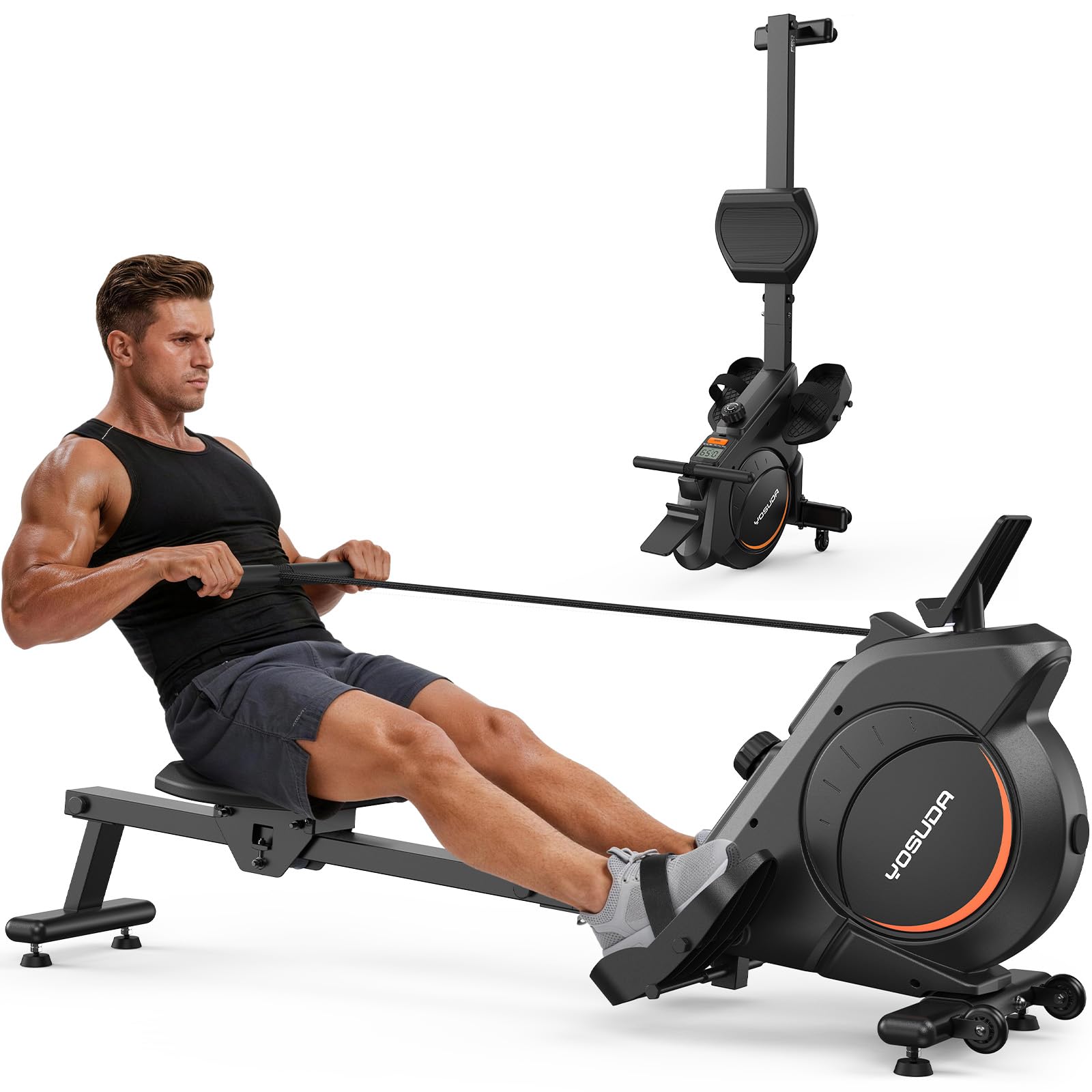


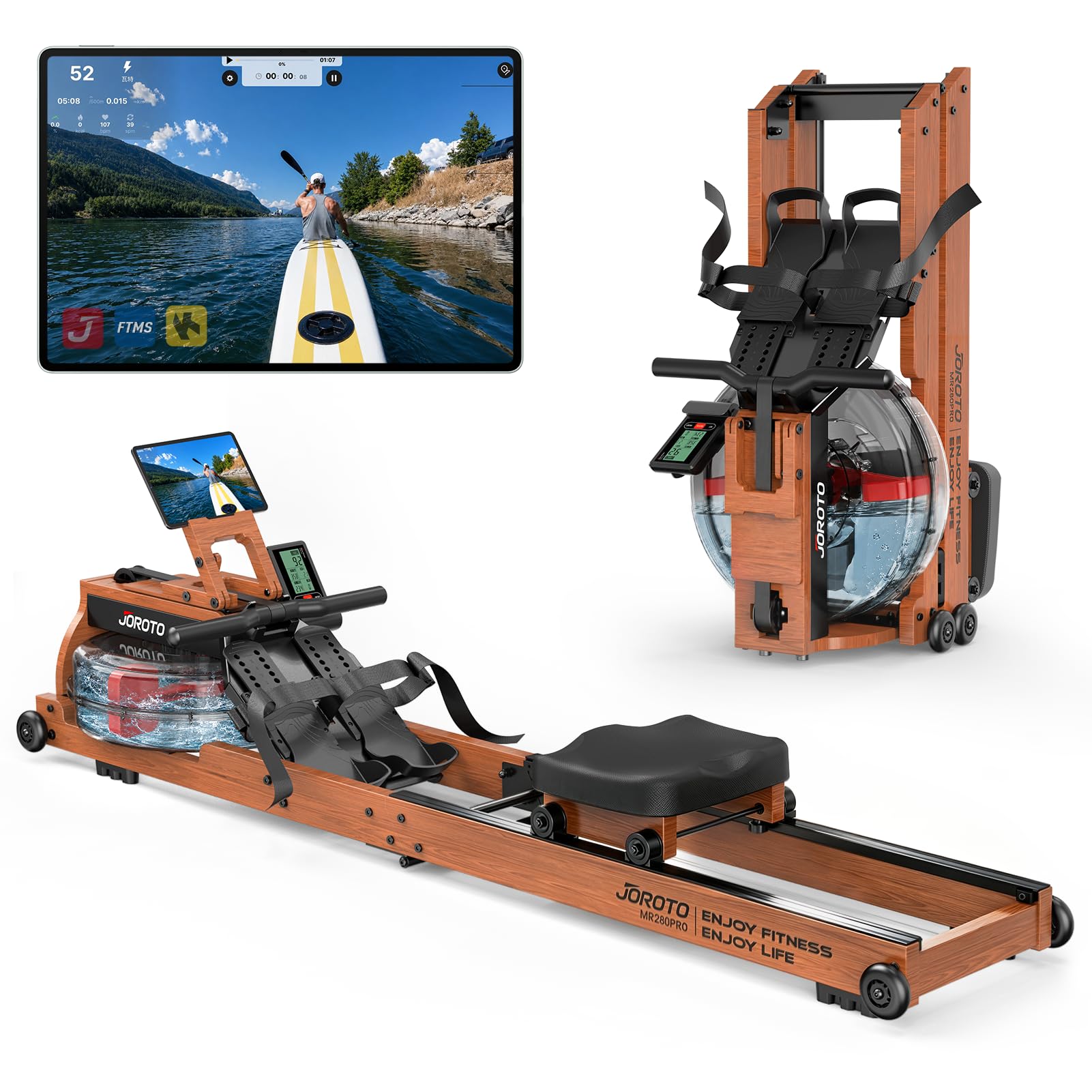
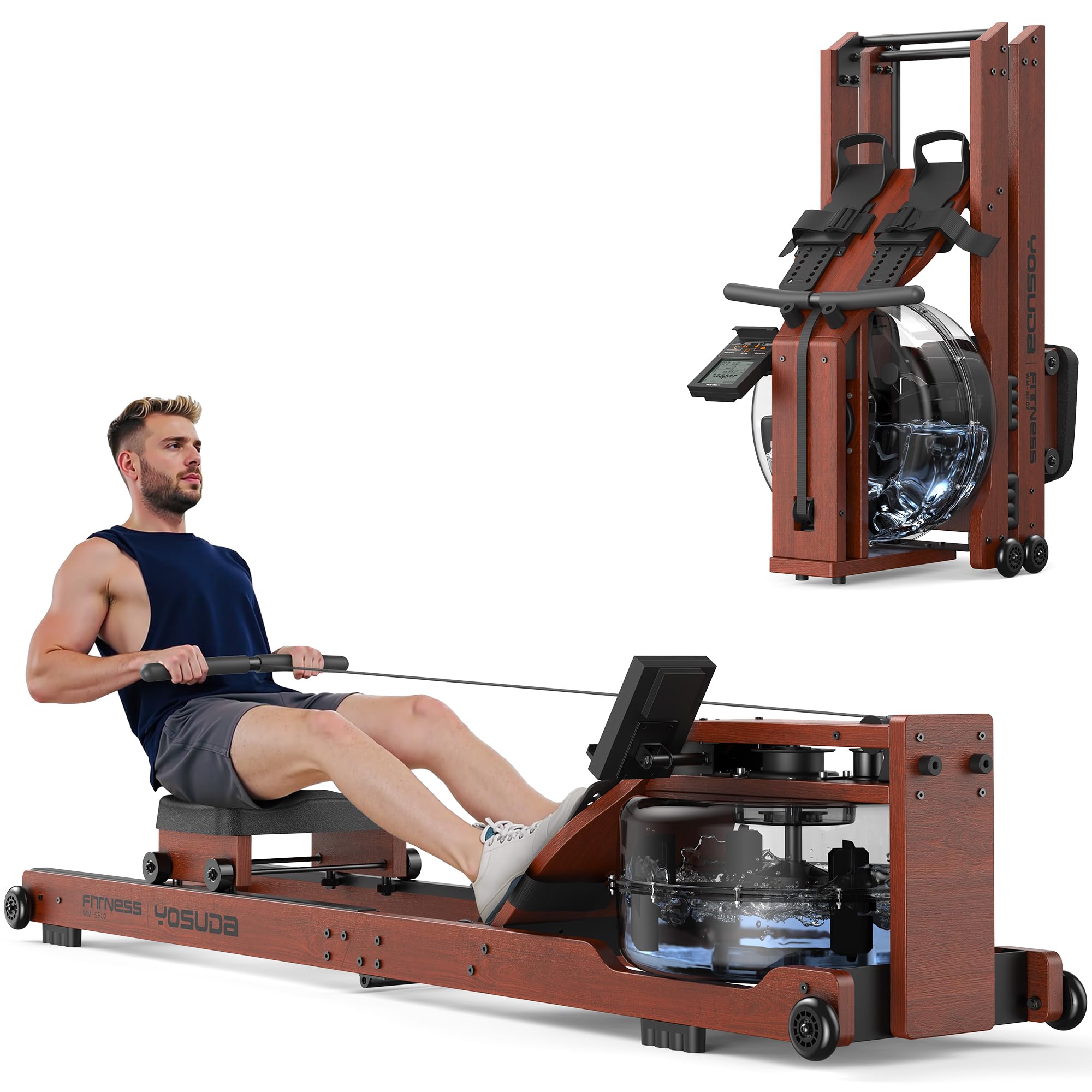
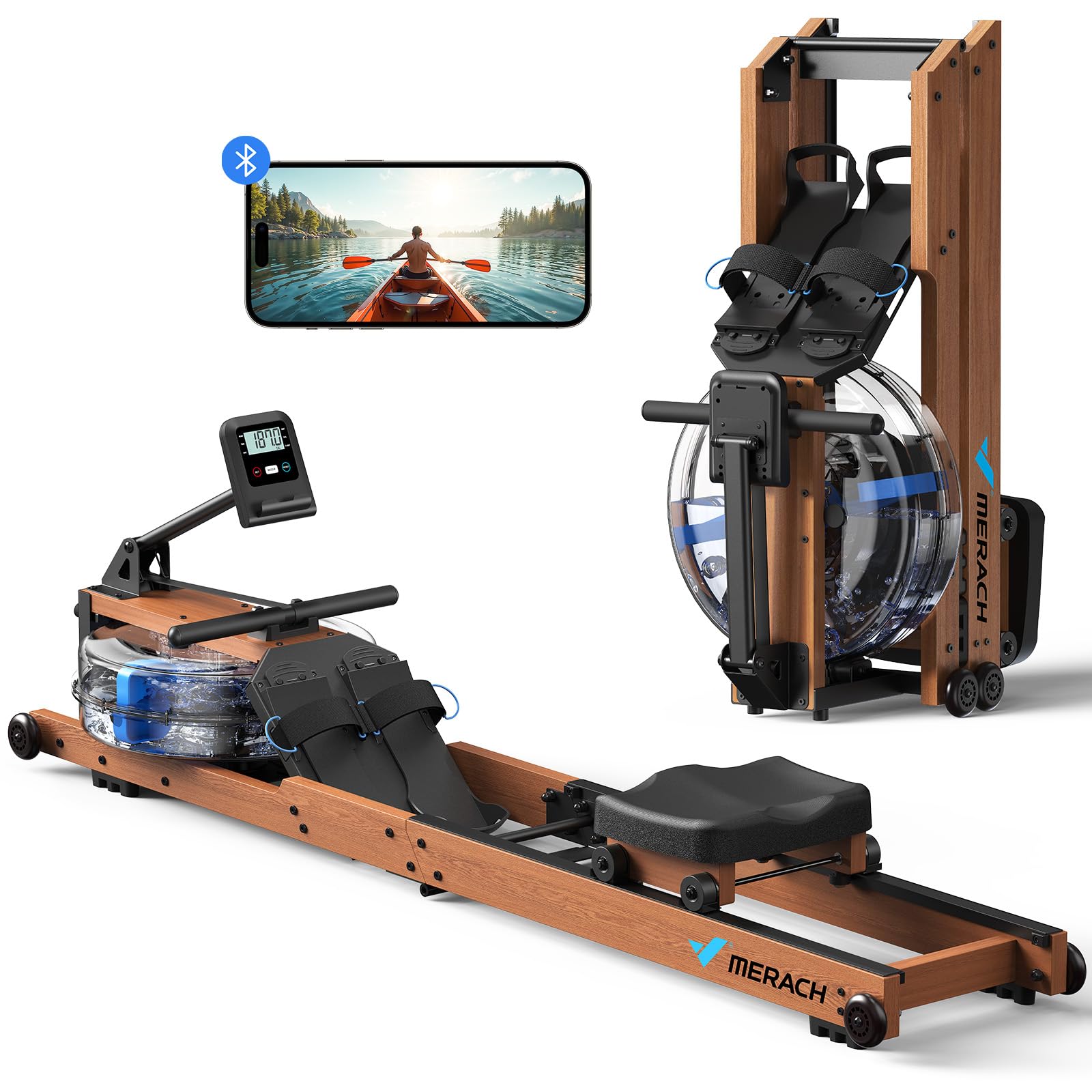
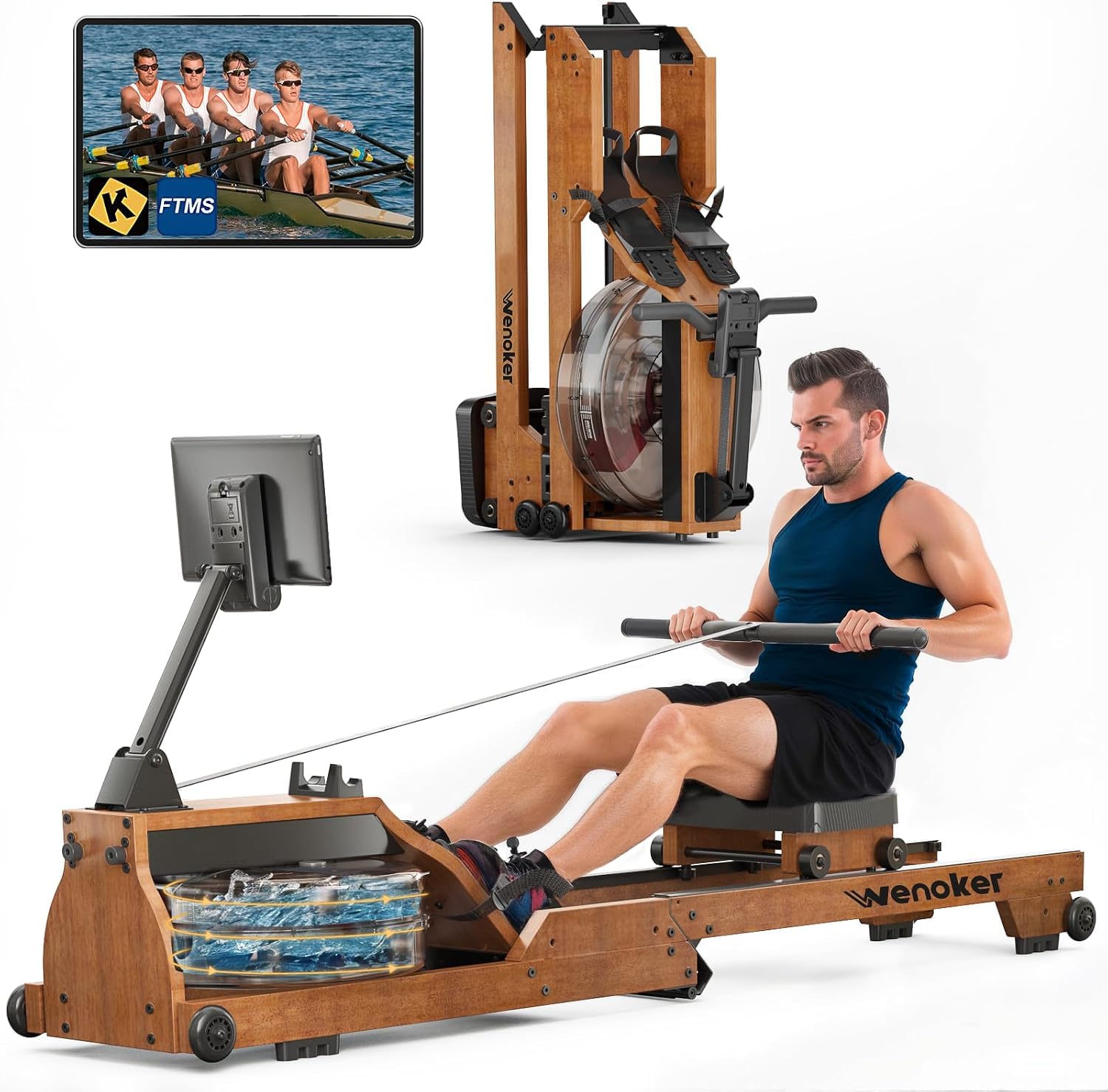

Resistance Types Explained
Air resistance uses a fan flywheel, so harder pulls create more resistance naturally, much like rowing on water. Magnetic resistance uses magnets around a flywheel, giving quieter, smoother strokes with adjustable levels. Water resistance uses paddles in a tank, offering a realistic feel and soothing sound, but tanks add weight and need occasional water care.
Hydraulic resistance uses pistons, often on compact machines with separate arm action. These models cost least and store easily, but the rowing motion can feel less natural and the pistons may wear faster. For most buyers, magnetic or air models offer the best balance of feel, durability, and price.
Key Features Worth Comparing
Rail Length and User Height
Rail length decides whether tall users can reach full leg extension, which matters for a complete stroke. Check the maximum user height or inseam rating rather than trusting a generic claim. A rail that is too short forces a cramped stroke that strains knees and reduces workout quality.
Monitor and Workout Data
A clear monitor should show time, distance, strokes per minute, and estimated calories at minimum. Better budget monitors add interval programs and heart rate connectivity. Avoid paying extra for flashy screens if you plan to use a phone or tablet for entertainment, since basic data covers most training needs.
Noise and Home Suitability
Magnetic machines run quietest, making them ideal for flats and shared homes. Air machines produce a rushing fan sound that rises with effort, which some users enjoy and neighbours may not. Water machines produce a gentle splashing sound that many find pleasant, though the tank adds bulk.
Build Quality and Weight Capacity
Check frame material, weight capacity, and warranty length together, since they signal how the maker expects the machine to hold up. Steel frames generally outlast aluminium ones at budget prices. A weight capacity well above your body weight suggests a sturdier build with more headroom for hard training.
Who Should Buy Which Style
For Small Spaces and Easy Storage
Folding magnetic machines and compact hydraulic models suit small flats best, since they store upright or under a bed. Measure your storage space before buying, and check the folded dimensions rather than the assembled ones. Light machines move easily, but very light frames can feel less stable during hard rows.
For Beginners Building a Habit
Beginners benefit from smooth, quiet magnetic resistance and a simple monitor that does not distract from form. Start with short sessions focused on technique, since good form prevents back strain and builds fitness faster than hard, sloppy rowing. A comfortable seat and adjustable footplates matter more than advanced programs at this stage.
For Serious Home Training
Regular trainers should prioritise rail length, flywheel smoothness, and a monitor with interval options. Air machines suit intense training well, since resistance scales with effort. Check the warranty on the frame and moving parts, since heavy use exposes weaknesses faster than occasional use.
Mistakes to Avoid
A common mistake is choosing purely on price and ignoring rail length or weight capacity. A machine that does not fit your height or weight will frustrate you daily, no matter how cheap it was. Spend a little more for correct sizing, and the machine will actually get used.
Another mistake is neglecting form. The product table above shows the main styles, but no machine protects you from poor technique. Learn the basic stroke sequence of legs, body, then arms, and keep your back straight. If you feel persistent back or knee pain, stop and seek advice from a clinician before continuing.
Care and Long Term Use
Wipe the rail and seat after each session, since sweat and dust increase friction over time. Check bolts and foot straps monthly, and lubricate moving parts only as the manual directs. For water models, treat the tank water as instructed to prevent clouding and odour.
Place the machine on a mat to protect floors and reduce noise, and store it dry away from direct sunlight. With basic care, a budget rowing machine can deliver years of reliable training, making it one of the best value home fitness purchases available.
If you are still narrowing down the choice, related guides can help you compare nearby options. Readers often compare this guide with best low budget rowing machine, best budget water rowing machine, best budget magnetic rowing machine and best budget indoor rowing machine before settling on a final option, since each one covers a slightly different use case. The comparison table above can help you line up the main features side by side before you decide.
Rowing Form for Beginners
Good rowing form follows a simple sequence: push with your legs first, lean your body back slightly, then pull with your arms. The return reverses that order, with arms extending, body leaning forward, and knees bending last. Practising this sequence slowly at low resistance builds muscle memory that protects your back when intensity rises.
Common form errors include rounding the back, pulling too early with the arms, and rushing the return stroke. Each error wastes energy and raises strain, especially during longer sessions. A mirror or a phone video can reveal form problems that feel invisible while rowing, so check yourself occasionally.
Start with short sessions of ten to fifteen minutes, focusing on smooth, steady strokes rather than speed or distance. As form solidifies, extend duration gradually and add interval work. Patient progression builds fitness faster than aggressive early training that leads to soreness or injury.
Tracking progress keeps rowing motivation alive beyond the first enthusiastic weeks. Record session length, distance, and average pace in a simple notebook or app, and review trends monthly rather than obsessing over daily numbers. Gradual improvement across weeks matters more than any single session. Celebrate consistency milestones, such as three sessions per week for a month, since habit formation predicts long term fitness better than occasional heroic workouts.
A workout mat under the machine protects floors, dampens noise, and stops the machine sliding during intense intervals. Choose a mat slightly larger than the machine footprint, since it also catches sweat and dust. Mats cost little compared with the machine itself, yet they improve every session noticeably.
Frequently Asked Questions
Is a budget rowing machine good enough for real training?
Yes, if it fits your height, supports your weight, and uses a resistance type that suits your goals. Budget machines may lack fancy screens or premium materials, but the core rowing motion and cardio benefits remain the same. Focus on rail length, smooth resistance, and build quality rather than extra features. With consistent use and good form, a budget machine delivers serious fitness results.
Which resistance type is best on a budget?
Magnetic resistance suits most budget buyers, since it runs quietly, feels smooth, and needs little maintenance. Air resistance suits intense trainers who like effort based resistance, but it is noisier. Water resistance feels realistic and sounds pleasant, yet tanks add weight and care. Hydraulic models cost least but can feel less natural, so test the motion before choosing.
How much space does a rowing machine need?
Most rowing machines need about two metres of length during use, plus room to mount and dismount safely. Folding models reduce storage length significantly, but check folded dimensions before buying. Measure your workout area and your storage spot separately, since they often differ. A mat underneath protects floors and reduces sliding during hard sessions.
Can rowing hurt my back?
Rowing with poor form can strain the back, especially if you round your spine or pull mainly with your arms. Learn the legs, body, arms sequence, keep your core engaged, and start with moderate resistance. Stop if you feel sharp or persistent pain, and seek advice from a clinician before continuing. Good form plus gradual progression keeps rowing safe for most people.
Do I need a heart rate monitor for rowing?
A heart rate monitor helps you train in target zones and track fitness gains, but it is not essential for beginners. Many budget machines offer basic heart rate connectivity, or you can use a wearable device instead. Start with time, distance, and perceived effort, then add heart rate tracking once rowing becomes a regular habit.
Final Thoughts
Choosing best budget friendly rowing machine is about fit, resistance feel, and build quality, in that order. A machine that fits your body and suits your home will get used far more than a cheaper one that fights you every session.
Compare the styles in the table above, measure your space, and test the stroke if you can. That care turns a budget purchase into a long term fitness habit.