
Best Bread Box for Countertop: Size, Lid and Material Guide (2026)
Disclosure: We may earn a commission when you buy through links on this page, at no extra cost to you. As an Amazon Associate I earn from qualifying purchases. Learn more

Best bread box for countertop guide to sizes, lid styles, materials and seals that keep bread fresh and counters tidy.
Picture a weekday morning in a busy kitchen. A loaf sits half out of its bag near the toaster, crumbs scatter every time someone reaches for a slice, and the counter already feels crowded before breakfast starts. The best bread box for countertop use solves that daily clutter by giving bread one fixed home that fits your space, your household size, and the way you actually eat.
This guide focuses on fit for real homes rather than showroom looks. You will learn how to measure your counter, compare lid styles and materials, and judge value at each budget level. For the wider category view, see our guide to the best bread box, and check the product table for the key options in one place.
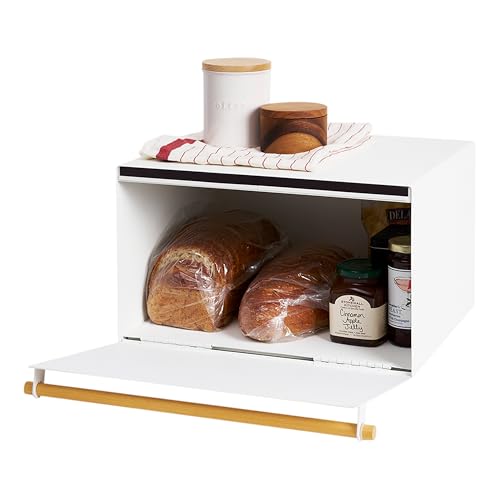


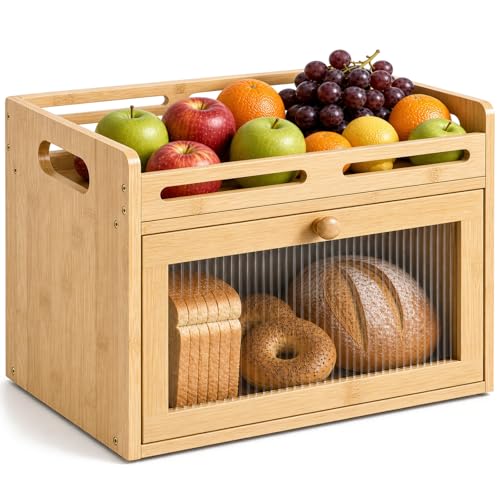

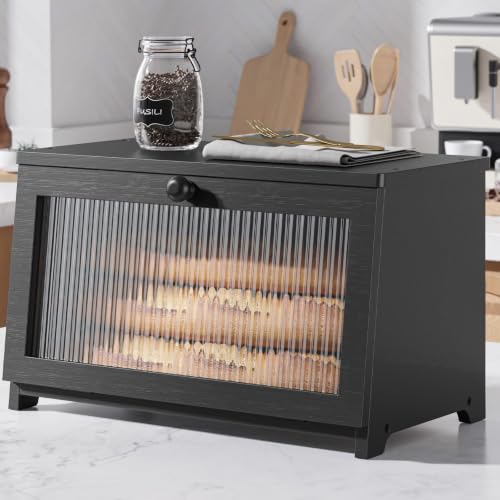
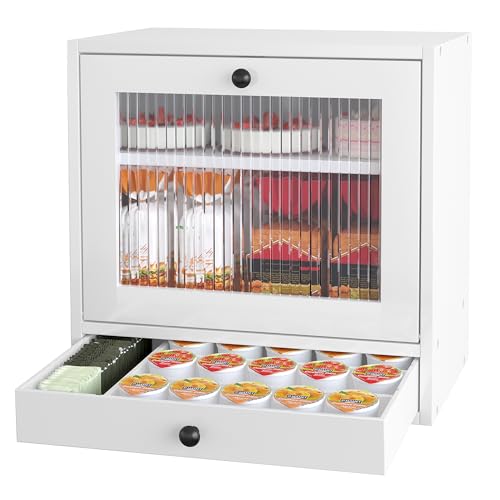

Quick Answer: How to Choose in 30 Seconds
Start with interior length, because a box that swallows your longest loaf with room to spare is the one you will keep using. Next, match the lid to your clearance, since a roll top suits tight counters while a hinged lid needs open space above and in front. Then pick a material you will clean without fuss, and a seal that suits your bread, snug for soft loaves and slightly vented for crusty ones.
Before You Buy: A Quick Checklist for Choosing a Bread Box for Countertop
Size: Match It to Your Space
Measure the footprint you can spare, then measure from the counter to the underside of your upper cabinets so the lid has room to work. Small boxes hold one standard loaf and suit one or two people, while large and extra large models take two loaves or a loaf plus rolls. Double deck designs stack storage upward when depth is scarce. Bakers of round, wide loaves should check interior width with care, as our guide to the best bread box for sourdough explains.
Which Type Fits Your Routine
Wood and bamboo boxes feel warm in most kitchens, hide crumbs from view, and breathe a little, which suits crusty bread. If that natural look appeals, compare the best wooden bread box styles before you decide. Stainless steel and enamel coated metal wipe clean fast, though they can show fingerprints. Ceramic boxes are heavy and stable but take more room and chip if knocked. Roll top doors save swing space, while clear windows let you check the supply at a glance.
Features Worth It (and Ones to Skip)
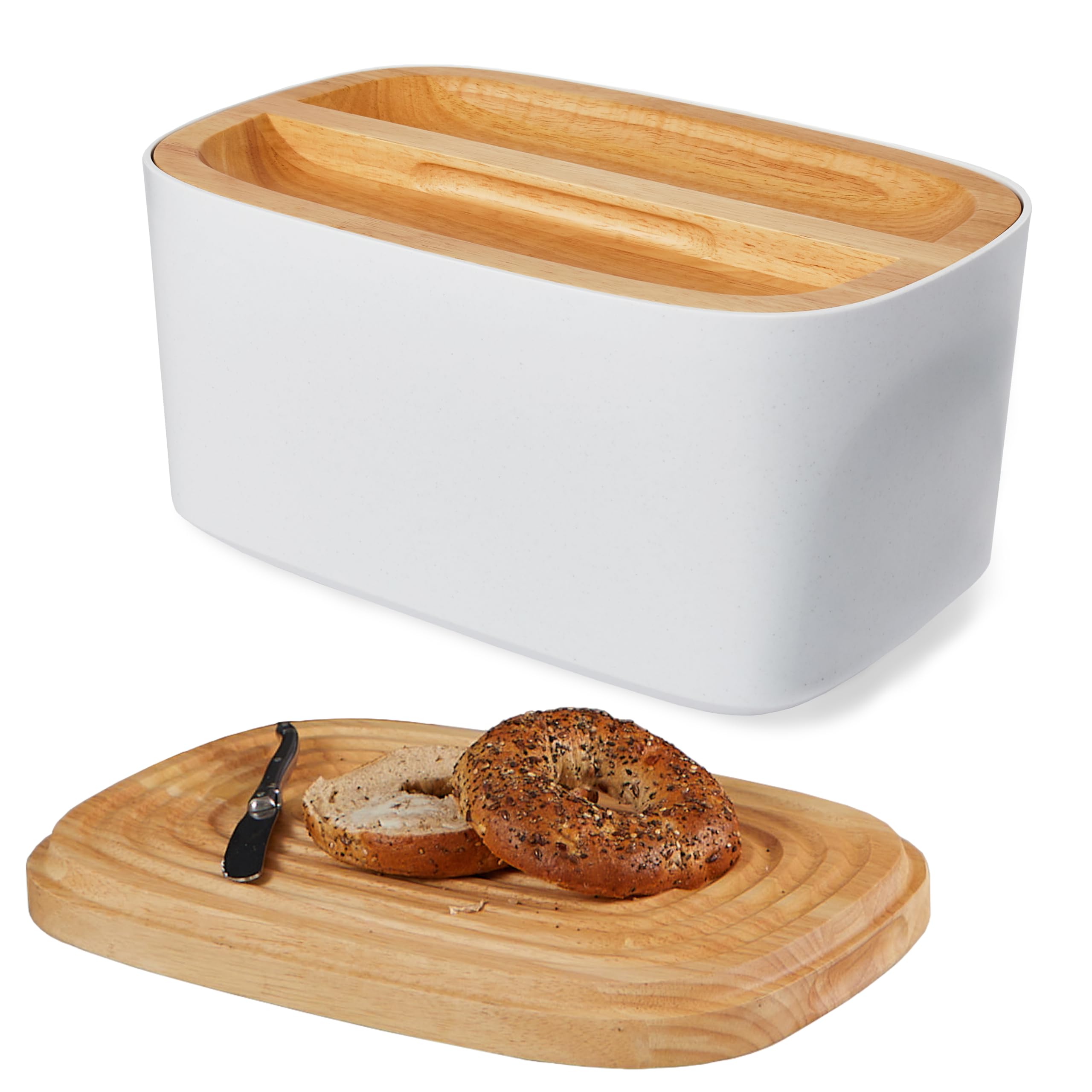
A lid that doubles as a cutting board earns its keep in a small kitchen, because slicing happens right where the bread lives. Small vents, a flat top you can set a butter dish on, and a door that opens with one hand all help daily use. Skip ornate latches you must work with both hands, tiny windows that only collect crumbs, and decorative feet that waste cabinet clearance. A simple interior with no sharp ledges matters more than styling, because you will reach inside every day.
Seal and Materials That Touch Food
No single seal suits every loaf. Soft sandwich bread dries out fast, so it likes a lid that closes snugly and slows air movement. Crusty artisan bread holds up better with slight airflow, because trapped moisture softens the crust and can encourage mold in a warm kitchen. Check that any plastic parts that touch food are listed as BPA free, that liners can be removed for washing, and that coated interiors are made for food contact rather than decoration alone.
Heat and Appliance Safety Notes
A bread box is counter storage only, so it never goes in the oven or microwave, and it is not a freezer container. Bread you plan to freeze should be sliced, wrapped well, and frozen in a suitable bag instead. Keep the box away from the stove and the oven vent, because steady heat dries bread out and can warp wood or bamboo over time.
Realistic Budget Ranges
Listings in the product table run from about $23 to $168. Compact boxes with basic lids and thinner materials sit at the low end and suit a first purchase, while sturdier hinges, larger interiors, easier to clean finishes, heavier steel or solid wood, and room for two loaves cost more. At the top of the range you pay mostly for looks rather than fresher bread, so let fit lead before price does.
Three Countertop Styles Compared
Compare the three styles below against your counter and your household, and use the product table above to match them to current options.
For Most Homes: A Medium Box With a Roll Top or Hinged Lid
This is the balanced choice for a household of two to four people who keep one loaf plus a few rolls on hand. A medium interior limits counter sprawl while still taking a standard loaf without squeezing it. Roll top doors shine where cabinet clearance is tight, and hinged lids feel simpler where space allows. The main tradeoff is capacity, because a second large loaf will not fit, so frequent bakers should size up.
For Tight Budgets and Small Counters: A Compact Single Loaf Box
A compact box suits apartments and couples who buy one loaf at a time and finish it within a few days. The small footprint leaves room for a toaster or coffee maker, and the lower price makes it a sensible first step. Light materials keep it easy to move for cleaning, though they feel less solid and may slide when you pull the door. If your household often stocks bagels and wraps too, this size will feel cramped quickly.
For a Long Term Investment: A Large Wood or Steel Box
Households that bake often or feed a family tend to outgrow small boxes, so a large wood or steel model earns its counter space over years of use. Solid construction and a roomy interior handle full loaves, partial loaves, and baked goods for the weekend. The tradeoff is presence, because a big box dominates a small counter and costs more up front. Measure twice before choosing this style, and confirm the door path stays clear of nearby appliances.
Living With It: What Really Matters in Daily Use
Placement shapes your experience more than most buyers expect. Put the box within easy reach of your slicing and toasting spot, but away from sink steam, which adds moisture every time you wash dishes. A door you can open while holding a plate saves small daily frustrations. Families need quick access for lunches, while smaller households benefit from a box that keeps a single loaf from drying out over several days.
One habit matters most for home bakers, and that is patience before storage. Let a fresh loaf cool fully before it goes in the box, because warm bread releases steam that softens crust and dampens the interior. Bakers may also enjoy our guide to the best bread box for homemade bread. Once cooled, store the loaf cut side down on a clean board to help the crumb hold moisture where you sliced it.
Common Mistakes to Avoid
- Measuring only the outside of the box, so the interior ends up too short for your usual loaf and every slice starts with a squeeze.
- Forgetting to measure cabinet clearance, so a hinged lid bangs the cupboard above and the box migrates to an awkward corner.
- Storing bread while it is still warm, so steam builds inside and the crust turns soft and gummy.
- Setting the box beside the stove or above a dishwasher vent, so heat and steam shorten the fresh life of every loaf.
- Buying a double deck model for looks, so the upper shelf holds crumbs and clutter instead of bread you actually eat.
- Choosing a fully sealed box for crusty loaves, so trapped moisture dulls the crust you paid a bakery premium for.
Cost of Ownership and Care
A bread box asks very little of your wallet after purchase. It uses no electricity, needs no filters, and rarely needs replacement parts beyond a liner or a small cutting board. Your real cost is a few minutes of care each week, plus counter space. For step by step help with washing and odors, read our guide on how to clean a bread box and keep that routine light and regular.
Wood and bamboo boxes last longer when you dry them fully after wiping and keep them out of standing water near the sink. Steel boxes reward a quick wipe after sticky hands reach for morning toast, because fingerprints show fast on smooth finishes. Whatever the material, empty the crumbs before they pack into corners, because old crumbs draw pests and stale smells that fresh loaves can pick up.
Your Questions, Answered
What is the most reliable bread box brand?
No single brand is reliable for every home, because reliability in a bread box comes from simple construction more than a name. Look for solid hinges or a smooth roll top track, a lid that sits evenly with no rocking, and a maker that offers spare parts or a clear warranty. Read recent buyer comments for repeated complaints about warped doors or peeling finishes, because patterns tell you more than any single glowing review.
How do you clean a bread box?
Empty the box, shake the crumbs into the trash, and wash removable shelves or liners in warm soapy water. Wipe the interior with a damp cloth, using a mild solution of water and a little vinegar if odors linger, then dry every surface fully before the bread goes back. If you ever spot mold, wash the box, let it air dry in sunlight for a few hours, and discard the affected bread rather than trimming it.
Is a bread box worth it?
For most households, yes, because it corrals bags and crumbs into one spot, shields bread from sunlight and splashes, and makes the counter look calmer. It will not keep bread fresh for weeks, and it cannot rescue a loaf that was already stale. Think of it as tidy short term storage for bread you plan to eat within several days. If you freeze most of your bread, a box matters far less.
How long does a bread box last?
A simple box with few moving parts can last a decade or more, because little can wear out beyond hinges, tracks, and finishes. Wood models may show knife marks over the years without losing function. Steel can dent if dropped, and thin budget models may develop loose doors within a year or two of heavy use. Replacing a worn liner usually refreshes a sound box for a small cost.
What should I look for in a bread box for countertop use?
Start by taping the footprint on your counter and living with that footprint for a day, because you will quickly learn whether the box blocks a prep zone or an outlet you need. Then confirm your longest loaf fits with the door closed, and choose the finish you will actually wipe down. This simple tape trick is the step many buyers skip, and it prevents most returns.
What is the best bread box for countertop?
The right answer depends on your counter and your bread. A medium roll top box fits most homes because it balances capacity with a door that needs no swing space. Compact models serve small kitchens and tight budgets, while large wood or steel boxes suit families and frequent bakers. Match the style to your longest loaf, your cabinet clearance, and the finish you will keep clean, and you will land on the box that earns its place.
Final Thoughts
A calmer counter and fresher slices start with honest measurements, not with the prettiest box in the listing. Weigh seal against crust, lid style against clearance, and size against the loaves your household buys each week. Use the product table above to compare current options against those priorities, and the best bread box for countertop for your home will be the one that fits your space, your routine, and your budget.


