Best Bread Boxes for Homemade Bread (2026): Sizes, Materials and Buying Tips
Disclosure: We may earn a commission when you buy through links on this page, at no extra cost to you. As an Amazon Associate I earn from qualifying purchases. Learn more

Loaf size, airflow and door style decide the best bread box for homemade bread. Here is how to choose for your bakes and your counter.
Your loaf comes out of the oven tall, uneven, and far wider than a bakery loaf, and by the next morning the crust has gone soft on the counter. Choosing the best bread box for homemade bread means finding a box that fits those real loaf shapes, protects the crust you worked for, and suits the space and the number of people in your home. The comparison table below sums up the main types side by side.
Budget matters too, but size and airflow decide whether a box helps or hurts. If you bake many kinds of bread, our broader guide to the best bread box is a useful starting point before you narrow the choice to homemade loaves.



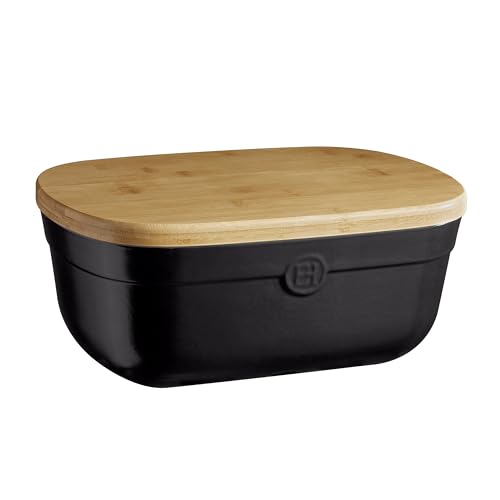

Quick Answer: Start With Your Loaf and Your Counter
For most homes, a medium or large box in wood, bamboo, or enamel coated metal with a door that opens wide is the safest choice. It holds one tall loaf plus rolls, lets a little air move so the crust stays firm, and wipes clean in seconds. Choose a larger box only if you bake two loaves at once or store tortillas and buns alongside bread. Choose a compact box only if your usual loaf is small and your counter space is truly tight.
Skip boxes that seal like a storage tub. Homemade bread holds more moisture than bakery bread, and trapped moisture softens crust and invites mold. A lid that closes well but still allows slight airflow suits most homemade loaves far better than a fully sealed lid.
Before You Buy: A Quick Checklist for Homemade Bread
Work through these points with your own loaf and kitchen in mind. A box that scores well on every point will serve you for years.
Size: Match It to Your Space and Your Loaf Shape
Measure your tallest loaf and your longest loaf, then add room for your hand to lift the loaf out without scraping the crust. Many home bakers need more height than they expect, because boules and sandwich loaves rise well above bakery slices. Check the door opening as well as the inside space, since a wide loaf must pass through it. If you bake large batches, see our guide to the best extra large bread box for the biggest footprints.
Which Type Fits Your Routine
Wood and bamboo boxes breathe slightly and suit crusty loaves and calm, dry kitchens. Metal and enamel boxes feel sturdy, resist stains, and fit busy family counters where the door opens many times a day. A roll top door saves space because it slides up instead of swinging out toward you. A front door with a flat top gives you bonus storage space above the box. Match the type to how often you bake, how humid your kitchen feels, and how much room the open door needs.
Features Worth Paying For and Ones to Skip
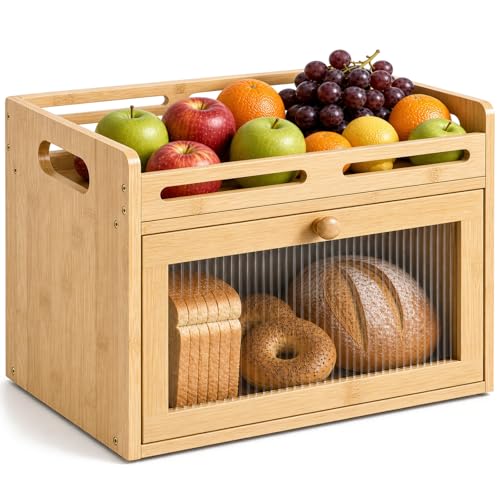
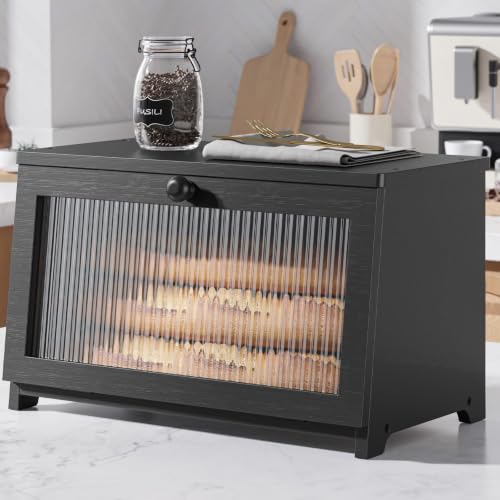
A window helps you check what is inside without opening the door and letting dry air rush in. A lid or top that doubles as a cutting board sounds handy, but cutting on it daily can scar the finish and drop crumbs into the seams. Magnetic door catches and smooth hinges earn their cost because you use them every day. Skip novelty extras such as built in timers or decorative rails, which add price and cleaning work without keeping bread fresher for longer.
Ventilation, Seal, and Materials
Look for small vents or a lid fit that is snug yet not sealed tight, so excess moisture can escape slowly. Food contact surfaces should be easy to wash and free of strong odors that bread can absorb. If plastic parts touch the bread, check that the maker lists them as BPA free. Bare wood inside the box can hold moisture and odors over time, so a smooth, sealed inside surface is easier to live with in a humid kitchen.
What a Bread Box Does Not Do
A bread box sits on your counter at room temperature, so questions about freezer, microwave, or oven safety do not apply to the box itself. You freeze bread in a bag or wrap, not in the box, and you refresh slices in the oven or toaster after thawing. Treat any listing that markets a counter box as oven safe with care, and check what the maker actually means before you pay extra for that claim.
Realistic Budget Ranges
At under $30, expect simple bamboo or thin metal boxes with basic doors and modest capacity. From about $30 to $50, boxes grow larger, hinges feel smoother, and inside surfaces get easier to clean. From about $50 to $100, you pay for thicker materials, better door hardware, and finishes that resist dents and stains. Above that range you mostly pay for looks and brand name, not for bread that stays fresh much longer.
Types Compared for Homemade Loaves
Instead of chasing a single winner, compare the main types against your baking habits. Each type below protects homemade bread in a different way.
Wood and Bamboo Boxes
Wood suits bakers who love a warm look and bake crusty loaves that need gentle airflow. Bamboo weighs less than solid wood and resists water spots a little better on busy counters. Both can dry out or crack if you wash them often, so they reward gentle care. If this style suits your kitchen, our guide to the best wooden bread box compares sizes and door styles in more depth.
Metal, Enamel, and Roll Top Boxes
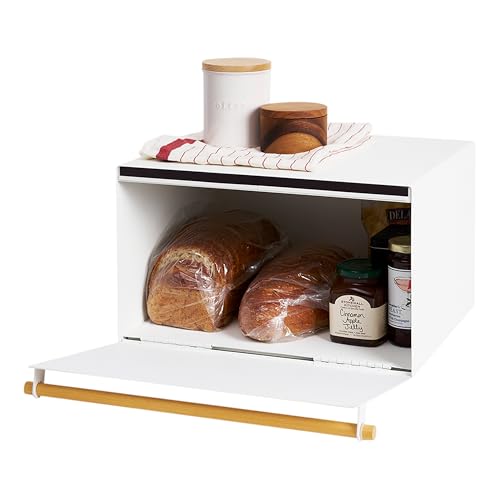
Stainless steel and enamel coated metal boxes shrug off stains, dents, and sticky fingers, which suits larger families. A roll top door keeps the footprint small because nothing swings into your work space. Metal can feel cold and plain in a cozy kitchen, and thin walls may drum loudly when the door shuts. Choose thicker metal if you bake daily and want a box that still looks neat after years of hard use.
Airtight Containers and Ceramic Crocks
Fully sealed containers protect soft sandwich loaves and sweet buns that dry out fast, but they soften crusts within hours. Ceramic crocks hold a single round loaf well and look lovely, yet they weigh a lot and chip if knocked. Use these options for soft bakes and short storage only. For crusty homemade bread that you plan to eat over several days, a vented box remains the more forgiving home.
How to Compare Boxes Without Guessing
Start with capacity and fit, because a box that cannot hold your loaf fails on day one. Next compare seal and freshness, meaning how the lid and vents balance moisture loss against mold risk. Then weigh materials and cleaning, since flour dust and crumbs reach every corner. Finish with value, asking whether the price buys better hardware and capacity or only a nicer finish. This order keeps the daily basics ahead of style, which is how the types in the product table above were judged.
Living With a Bread Box Day to Day
Let a fresh loaf cool fully on a rack before it goes into the box, because steam from warm bread condenses inside and softens the crust. Store the loaf cut side down on the board or wrap only the cut end, leaving the rest of the crust exposed to the air inside the box. Homemade bread has no preservatives, so plan to eat it within about two to four days at room temperature.
Crusty loaves and soft loaves behave differently in the same box, so avoid storing them together when you can. Readers who bake crusty loaves most weeks may also enjoy our guide to the best bread box for sourdough, which focuses on keeping a firm crust. Once the cooling and cut side habits are in place, the daily routine stays simple and takes seconds.
Common Buying Mistakes to Avoid
- Buying by outside size alone, so the door opening is too narrow for your widest loaf to pass through.
- Choosing a fully sealed box for crusty bread, so trapped moisture turns the crust soft and chewy overnight.
- Paying for extras you will not use, so the budget shrinks for the capacity and hardware you need daily.
- Ignoring the space the open door needs, so the box blocks a cabinet or crowds your main work area.
- Storing warm bread right away, so steam builds up inside and mold appears sooner than it should.
Cost of Ownership and Care
A bread box has no running costs, no filters, and no parts that wear out on a schedule. Your real costs are time and the odd replacement if a hinge bends or a door warps after years of use. Wipe crumbs out every few days, wash removable parts by hand, and dry the inside fully before bread goes back in. For step by step help, read our guide on how to clean a bread box before your first deep clean.
Keep the box away from the stove and the sink splash zone, since heat and standing water shorten the life of wood finishes and metal seams alike. Open and close the door gently instead of letting it drop, and the hardware will stay tight for far longer. A box cared for this way asks very little of you each week.
FAQ
What makes a bread box reliable over years of daily use?
Reliability comes from the door hardware and the body material more than from any brand name. Hinges that move without wobble, a door that still lines up after months of use, and walls thick enough to resist dents all matter most. A clear warranty and spare parts support from the maker add peace of mind. A simple box with sound hardware will outlast a fancy box with thin walls and a flimsy catch.
How do you clean a bread box after mold appears?
Throw the moldy loaf away in a sealed bag and do not slice or save any part of it, since mold spreads through soft bread. Empty the box, wash every inside surface with hot soapy water, and rinse well. Let the box air dry fully with the door open before any new bread goes in. If an odor lingers in a wood box, extra airing time outdoors in shade usually clears it without harsh cleaners.
Is a bread box worth it for homemade bread?
Yes, for most home bakers, because the fridge dries bread out fast and a plastic bag softens crust and traps moisture against the surface. A box gives your loaf a dark, calm space at room temperature where it loses moisture slowly and stays pleasant to eat. The gain is biggest if you bake once or twice a week and eat each loaf over a few days rather than on the day you bake it.
How long does a bread box usually last?
A sound metal or bamboo box often serves for many years, while thin or poorly finished boxes can warp or rust within a couple of seasons in a humid kitchen. Replace yours when the door no longer closes evenly, rust spots appear where food rests, or cracks in the finish trap crumbs you cannot clean out. Those faults affect freshness and hygiene, not just looks, so they are the right signals to act on.
What is the best bread box for homemade bread in a small kitchen?
Measure the height under your upper cabinets with the door fully open, because lids that lift upward need more clearance than most buyers expect. A roll top or a box whose flat top can hold a fruit bowl uses vertical space well. Choose capacity for one loaf plus a few rolls rather than two loaves, and bake smaller batches more often. That trade keeps the counter clear without leaving bread exposed on a board.
Final Thoughts
The right box fits your tallest loaf, respects your crust, and matches the rhythm of your home, from a quiet single baker to a busy family counter. Compare the types in the product table above, check your measurements once more, and spend your budget on capacity and door hardware first. Chosen that way, the best bread box for homemade bread becomes a quiet daily helper that keeps every bake worth eating.