
Best Adhesive Paper Towel Holders (2026): Buying Guide and Top Options
Disclosure: We may earn a commission when you buy through links on this page, at no extra cost to you. As an Amazon Associate I earn from qualifying purchases. Learn more

A practical guide to the best adhesive paper towel holder: sizes, features, budget ranges, and mistakes to avoid before you buy.
Your roll sits on the counter, rolls toward the sink, and ends up damp every time someone washes a pan. Drilling into tile or cabinet wood is not an option in a rental, and you do not want holes you will have to fill later. A best adhesive paper towel holder solves that problem by sticking to a flat surface and lifting the roll off your work space.
This guide helps you choose by room layout, household size, and budget. It covers which surfaces hold adhesive well, which roll sizes fit each style, and how the three main mounting styles compare in the comparison table below.


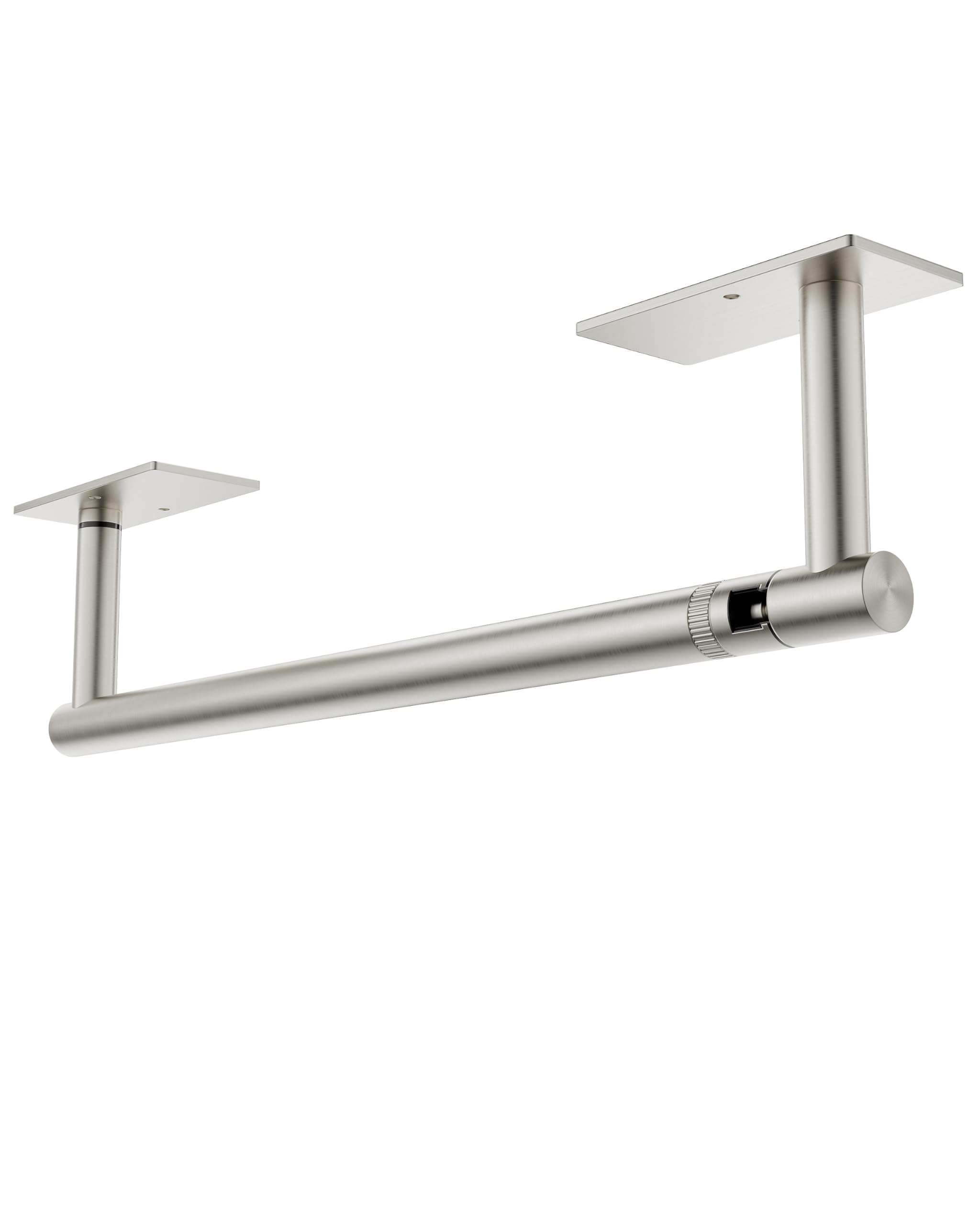

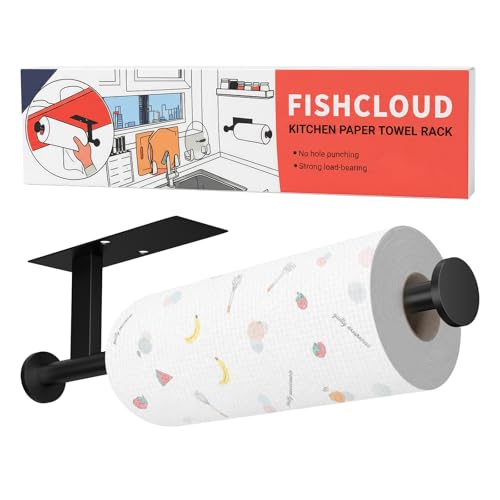
Quick Answer: Which Adhesive Style Fits Your Home
Three styles cover nearly every kitchen. An under cabinet bar frees the most counter space and suits daily cooking. A wall mounted bar works well near a sink or stove where you reach for towels with wet hands. A cabinet side or door style suits small kitchens and bathrooms where wall and cabinet space are already taken.
All three share one condition. The adhesive pad needs a smooth, clean, flat surface, and it needs time to bond before you hang a roll on it. If your only surface is rough or textured, a different mounting style will serve you better, as explained below.
Before You Buy: A Quick Checklist for Choosing a Paper Towel Holder
Which Type Fits Your Routine
Start with where your hands are when you need a towel. If you cook daily and wipe spills at the counter, an under cabinet bar puts the roll above your prep area and out of the splash zone. If you mostly grab towels after washing hands or dishes, a wall bar beside the sink shortens the reach and keeps drips off the counter.
Household size matters too. A busy family kitchen empties rolls fast, so you want a bar that lets you swap rolls in seconds without tools. A single person or a couple may value a compact door mounted style more, since it uses space that would otherwise go unused in a small kitchen or a bathroom.
Surface and Adhesive Strength
Adhesive pads bond best to smooth tile, glass, painted metal, sealed wood, and the flat underside of a cabinet. They struggle on rough stone, unsealed wood, textured paint, and surfaces coated with grease. Clean the spot with rubbing alcohol, let it dry fully, press the pad firmly, and wait the time stated in the instructions before loading the roll.
Check the stated weight rating and match it to a full roll, not an empty one. A jumbo roll weighs noticeably more than a standard roll, and a weak pad that holds for a week may creep and let go under that load in warm, steamy air near a stove.
Materials and Roll Fit
Most adhesive holders use stainless steel, coated metal, or molded plastic. Stainless steel resists rust in damp areas near a sink and wipes clean with a damp cloth. Coated metal offers color choices such as black or gold tones for matching fixtures. Plastic costs less and weighs little, which also reduces the load on the adhesive pad.
Measure before you order. Check the bar length against your roll width, and check the space around the bar so a full roll can spin without rubbing the wall or cabinet. Standard rolls fit nearly every model, while mega and jumbo rolls need extra clearance on all sides to turn freely.
Realistic Budget Ranges
Basic plastic and simple metal bars cost about $10 to $15. They suit a bathroom, a laundry room, or a first apartment where simple function matters most. The middle range, about $15 to $25, brings sturdier metal, larger adhesive pads, and smoother roll action for a main kitchen.
Spending about $25 to $40 usually buys heavier stainless steel, a stronger stated weight rating, and spare adhesive pads in the box. That tier makes sense when the holder will carry jumbo rolls daily or live in a steamy spot above a busy stove, where a cheap pad is more likely to fail early.
Three Adhesive Styles Compared
Under Cabinet Bars for Busy Family Kitchens
This style sticks to the flat underside of an upper cabinet and hangs the roll above the counter. It frees the most work space, keeps towels away from spills and raw food prep, and puts the roll at a natural grab height for adults. It suits households that cook often and go through several rolls a week.
The trade off is clearance. Low cabinets over a tall counter item, such as a stand mixer, can crowd the roll. If this style appeals to you but your cabinets sit low, compare it with the options in our guide to the best under cabinet paper towel holder before you commit to a spot.
Wall Mounted Bars for Sink and Stove Zones
A wall bar mounts on tile, glass, or a smooth painted wall near where water and mess happen most. It keeps a roll within reach when your hands are wet, soapy, or covered in flour, and it leaves cabinets untouched. Many renters place one on a tile backsplash, where the smooth surface gives the adhesive its strongest grip.
Reach matters here. Mount the bar where a torn sheet will not fall into the sink, and leave enough room below it for the roll to hang without brushing the counter. In a bathroom, the same style works on a smooth wall beside the basin for guests who prefer towels to a shared hand towel.
Cabinet Side and Door Styles for Small Spaces
The third style sticks to the side of a cabinet, the inside of a cabinet door, or the side of a refrigerator with a smooth finish. It uses vertical space that small kitchens cannot spare elsewhere, and it keeps the roll hidden when mounted inside a door. That hidden placement suits tidy counters and homes with curious toddlers or pets.
Door mounting adds one check. Close the door slowly the first time to confirm the roll clears shelves and stored items inside. If none of the adhesive styles fit your surfaces, a freestanding model from our roundup of the best countertop paper towel holder needs no bonding at all.
How the Options Are Compared
We judge adhesive holders on the factors that decide daily satisfaction: pad size and stated weight rating, surface guidance from the maker, bar length and roll clearance, material and rust resistance, ease of swapping rolls, and value for the price tier.
Pros and Cons of Adhesive Holders
The strengths are real for the right home. Installation takes minutes with no drill, no screws, and no holes to repair when you move. You can test a location, live with it for a week, and in many cases reposition the holder with a fresh pad. For renters and anyone with tile they refuse to drill, that freedom is the main appeal.
The limits are just as clear. Adhesive cannot match screws for load strength, and heat, steam, and grease slowly weaken most pads. Textured walls, rough wood, and silicone coated surfaces may never hold one at all. If you want a permanent fixture for a heavy roll in a steamy kitchen, compare adhesive models with the broader options in our guide to the best paper towel holder, which also covers screwed and weighted designs.
Common Buying Mistakes to Avoid
- Sticking the pad to a textured or greasy surface, which leads to the holder falling within days, often with the roll landing in the sink.
- Hanging a full roll before the bonding time ends, which weakens the cure and shortens the life of the mount.
- Skipping the clearance check, so a jumbo roll rubs the wall and tears unevenly or will not spin at all.
- Mounting above a stove, where rising heat and cooking grease attack the pad every day.
- Buying the cheapest pad size for a heavy roll, instead of matching the weight rating to the rolls your household actually buys.
Cost of Ownership and Care
Ongoing cost is low. The main expense is replacement adhesive pads, which cost about $5 to $10 for a small pack, and you only need them when you move the holder or a pad loses grip. There are no batteries, filters, or parts that wear on a schedule, so a sound metal bar can serve for years at almost no running cost.
Care is simple. Wipe the bar weekly with a damp cloth so grease film does not build up and migrate toward the pad. If the holder starts to tilt or shift, remove it, clean both surfaces, and fit a fresh pad rather than pressing the old one back and hoping it holds.
Your Questions, Answered
Are adhesive paper towel holders strong enough for daily use?
Yes, for standard rolls on a smooth surface, a well bonded pad handles daily tearing without trouble. Strength drops when the pad is small, the roll is oversized, or the surface is textured. If your holder will hang over a hard floor where a fall could dent the bar, choose a model with two pads or a wider single pad for extra margin.
How do you remove an adhesive paper towel holder without damage?
Warm the pad gently with a hair dryer on a low setting to soften the adhesive, then twist or slide the base slowly rather than pulling straight out. Peel any residue away with your fingers and clean the spot with rubbing alcohol. Work slowly on painted surfaces, since rushed removal is what lifts paint, not the adhesive itself.
Can an adhesive paper towel holder hold jumbo or mega rolls?
Some can, but fit depends on bar length and the space around the roll, not just pad strength. Look for models that state jumbo roll compatibility and confirm the roll can spin without touching the wall or cabinet. When clearance is tight, a standard roll on a well placed holder beats a jumbo roll that binds and tears badly.
Where should you not mount an adhesive paper towel holder?
Avoid rough stone, brick, unsealed wood, heavily textured paint, and any spot directly above burners or a frequently used oven vent. Constant heat cycles loosen adhesive over time. A cooler wall section a short step away usually holds far longer and still keeps towels close to your cooking area. Our guide to the best paper towel holder for kitchen covers placement ideas for tricky layouts.
How long does an adhesive paper towel holder last?
The metal or plastic bar itself can last for years, since nothing on it moves except the roll. The pad is the wear item, and its lifespan depends on heat, moisture, and load. In a dry spot with a standard roll, a pad may hold for a very long time. Near steam, plan on refreshing the pad sooner.
Final Thoughts
Match the style to your surfaces first, your roll size second, and your budget third, and an adhesive holder will feel like it was always part of your kitchen. For most homes, the best adhesive paper towel holder is an under cabinet or wall bar with a generous pad, honest weight rating, and room for the rolls you buy. Check the product table above, measure your spot, and enjoy a clear counter with no holes to show for it.


