
Best Alkaline Water Filter Pitcher in 2026: Buying Guide for Taste and Value
Disclosure: We may earn a commission when you buy through links on this page, at no extra cost to you. As an Amazon Associate I earn from qualifying purchases. Learn more

The best alkaline water filter pitcher fits your fridge and filter budget. Compare compact, large and dispenser styles.
Picture a weekday morning in a busy kitchen. The coffee pot is on, lunch bottles need filling, and the tap water tastes flat and a little like chlorine. A best alkaline water filter pitcher promises smoother tasting water with a higher pH, all from a jug that lives in your fridge. The catch is that pitchers vary a lot in size, filter life, and what they actually remove.
This guide helps you choose by the things that matter at home: how much fridge and counter space you have, how many people drink from it each day, and what the filters will cost you over a year. Start with the product table, then use the checklist to narrow the field with confidence.
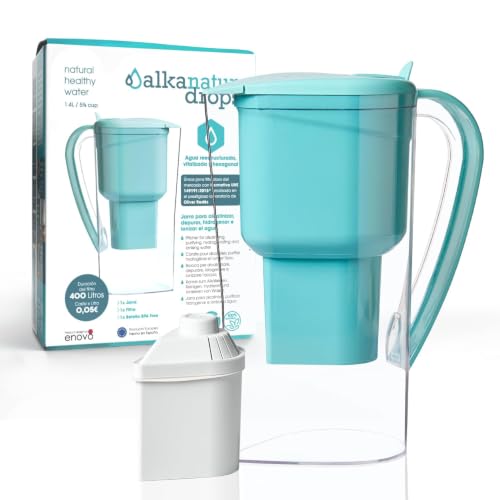
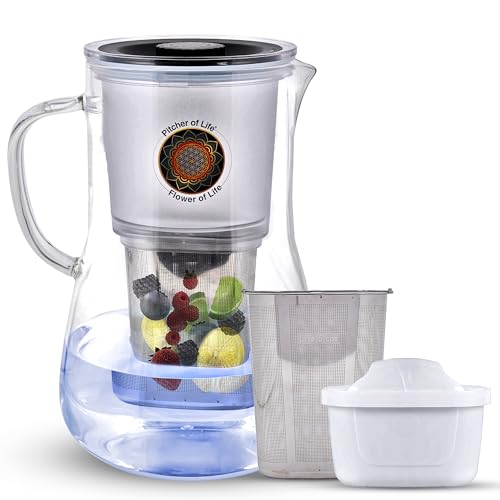


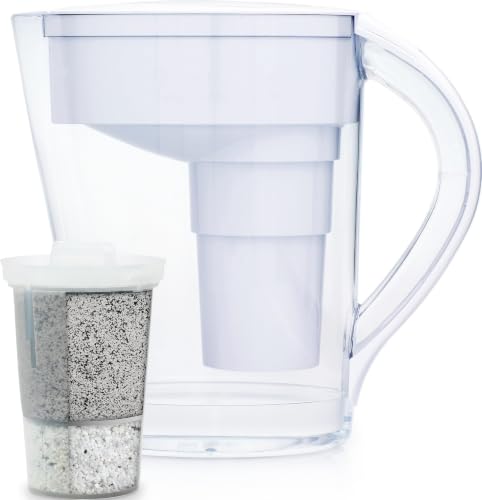


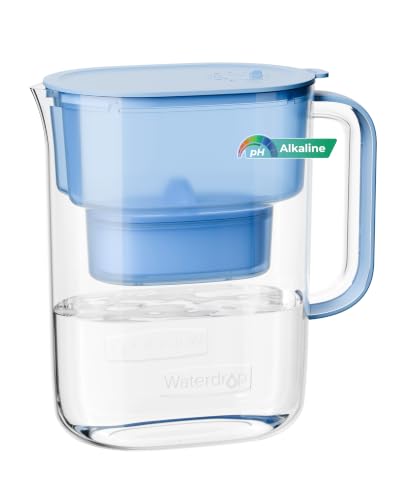
Quick Answer: The Three Styles Worth Considering
Most alkaline pitchers fall into three styles. A compact pitcher holding about 6 to 8 cups suits one or two people and small fridges. A large pitcher holding about 10 to 12 cups suits families who refill often. A dispenser style unit holds much more and sits on a shelf or counter with a spigot, which suits homes that fill pots and bottles all day.
All three styles use a filter that adds minerals back to the water to raise pH while it reduces chlorine taste. Your choice comes down to capacity, refill habits, and filter cost rather than any single headline claim.
Before You Buy: A Quick Checklist for Choosing a Water Filter Pitcher
Size: Match It to Your Space
Measure before you shop. Check the height of your fridge shelves, because a tall pitcher with the lid on may not slide in, and check the door bins if you plan to store it there. A household of one or two people usually does fine with a smaller pitcher, since water stays fresher when it turns over quickly. Larger households often prefer a 10 cup or bigger model, or a dispenser that holds a full day of drinking water. If your fridge is crowded, a slimmer pitcher that fits the door can save daily frustration. When in doubt, pick the size you will actually refill, because an oversized jug that stays empty helps no one.
Which Type Fits Your Routine
Alkaline filters differ in what they target. Some focus on chlorine taste and odor, while others add stages aimed at lead, fluoride, or PFAS compounds. Think about your water source first. City water that already meets standards usually needs taste improvement and lead reduction near older plumbing. If you rely on a private well, read our guide to the best water filter pitcher for well water, since sediment and microbes call for a different approach than a standard alkaline jug. Match the filter stages to your actual water report, not to the longest claim list on the box.
Features Worth It (and Ones to Skip)
A filter change indicator is worth having, because alkaline stages lose strength with use and old filters quietly stop raising pH. Simple electronic indicators that count time or volume beat guesswork. A lid that fills without full removal speeds up refills, and a covered spout keeps fridge odors out of your water. You can skip decorative extras such as color changing lights or a bundled TDS meter, since a TDS reading does not tell you the pH or prove that contaminants were removed. Spend on filter quality and a shape that fits your fridge instead.
Measurements and Compatibility with Your Setup
Beyond shelf height, check the pour. A full large pitcher is heavy, so a sturdy handle and a balanced body matter if anyone in the home has limited grip strength. Confirm that replacement filters for the model are easy to find and that they click in with a firm seal, because a loose filter lets water bypass the stages entirely. If you want a broader view of sizes and shapes across all pitcher types, our overview of the best water filter pitcher options explains how capacities compare.
Certifications That Actually Mean Something
Look for independent certification to NSF and ANSI standards, which cover specific claims such as chlorine reduction or lead reduction. A pitcher certified for a named contaminant has met set requirements for that claim, while vague phrases like meets industry standards carry less weight. Note that pH raising itself is not a health certification, and no pitcher certification proves medical benefit. Read the performance data sheet for the exact filter model, and treat any claim that is missing from that sheet as marketing rather than fact.
Setup Cost: Pitcher Versus Plumbed Systems
An alkaline pitcher needs no plumber, no drilling, and no line tapping. You rinse or soak the new filter as the maker directs, fill the reservoir, and let gravity do the work. That simplicity is the main cost edge over plumbed systems, which can add parts and labor on top of the unit price. Renters also gain, since a pitcher leaves no marks when you move out. The trade off is speed, because a pitcher filters a small batch at a time and asks you to wait a few minutes per fill.
Realistic Budget Ranges
Pitchers under about $30 usually give you the basic alkaline stage and shorter filter life, so plan on more frequent changes. Models at about $30 to $60 tend to add better seals, clearer indicators, and longer lasting filters. Above about $60, you mostly pay for larger capacity, sturdier materials such as glass, or extra filtration stages. Judge each price against the yearly filter cost, not the shelf price alone. A cheap pitcher with pricey short lived filters can cost more within a year than a mid priced model.
Types Compared: How Alkaline Pitchers Differ
Compact alkaline pitchers suit singles, couples, and dorm rooms. They chill fast, pour easily, and take little shelf space. Their limit is volume, so you will refill them often on hot days or when guests visit.
Large family pitchers hold enough for several people and cut refill trips. They need a taller shelf and a stronger lift when full. Many include the clearest filter indicators, which helps in a shared kitchen where no one person tracks changes.
Dispenser style units hold the most water and pour from a spigot without lifting. They suit big households and small offices. Their filters can cost more per change, though each one usually lasts longer. If you prefer to avoid plastic contact, see our guide to the best glass water filter pitcher for options built around glass reservoirs.
Across all three types, compare filter life in gallons, stated pH range, and which contaminants carry certification. Readers concerned about tiny plastic particles in tap water may also want our guide to the best water filter pitcher for microplastics, since not every alkaline filter addresses them.
Alkaline Pitchers Versus Standard Filter Pitchers
Standard pitchers focus on removing chlorine taste and common contaminants, and they leave the mineral balance and pH of your tap water mostly as they find it. Alkaline models add a mineral stage that raises pH and can soften the taste, which many people describe as smoother. The gains are about taste and preference, not proven health outcomes, and your body regulates its own pH tightly regardless of the water you drink. If you feel unwell or have a medical condition tied to diet or fluids, talk with your clinician rather than relying on any pitcher. Brand debates can also mislead, so a head to head such as brita vs pur may help you weigh filter life and cost across familiar names.
Common Buying Mistakes to Avoid
- Buying by pitcher price alone. Ignoring the yearly cost of replacement filters can turn a bargain into the priciest option you own.
- Choosing a size that fights your fridge. A jug that only fits with a shelf removed will annoy you every single day.
- Believing every contaminant claim. Claims without matching certification may not hold up, so check the data sheet for the filter you will actually use.
- Expecting medical results. Higher pH water is a taste choice, and treating it as a cure sets you up for disappointment.
- Skipping the priming step. An unprimed new filter can pour cloudy water and underperform from the first fill.
Cost of Ownership and Care
Your ongoing cost is almost entirely replacement filters, plus the few minutes each change takes. Track changes by date or by the indicator, and swap filters on schedule even if the water still tastes fine, because taste alone cannot show that a stage is spent. Wash the reservoir and lid weekly with mild soap, rinse well, and let parts air dry before you reassemble them. Keep the pitcher out of direct sun, since warmth and light encourage growth inside any water container. Store spare filters in a cool dry spot, and never freeze a wet filter, as ice can crack the media inside.
FAQ
Are alkaline water filter pitchers worth it?
They are worth it if you enjoy the smoother taste of higher pH water and you accept the higher filter cost that comes with the extra mineral stage. They are not worth it if you expect proven health gains, since evidence for medical benefit is lacking. Judge the purchase as a taste and convenience upgrade. If your tap water already tastes good to you, a standard pitcher or no pitcher at all may serve you just as well for less money.
How do you clean a water filter pitcher?
Empty the pitcher, remove the filter, and wash the body and lid in warm water with mild soap. Use a soft cloth on the reservoir walls, since rough pads can scratch plastic and give residue more places to cling. Rinse until no soap scent remains, then dry fully before refilling. For a fuller routine, including how to handle the filter housing, follow our steps on how to clean a water filter pitcher.
How long does an alkaline water filter pitcher last?
The pitcher body can serve for years if you wash it gently and keep it out of strong sun. The filters are the short lived part, and most alkaline filters need changing after about 40 to 60 gallons or roughly every two months in a typical home. Heavy use shortens that window, and a family filling bottles daily may reach the limit sooner. Watch the indicator and the calendar together rather than trusting either one alone.
What pH level should alkaline pitcher water reach?
Most alkaline pitchers aim for water somewhere around pH 8 to 9.5, up from the neutral 7 of plain water. The exact result depends on your starting tap water, since water that begins more acidic needs more mineral contact to shift. Simple test strips can give a rough reading at home, though they are not precise instruments. Treat the number as a guide to taste rather than a target you must hit exactly.
Can an alkaline pitcher remove fluoride from tap water?
Only some can, and only when the filter includes a stage rated for fluoride reduction. Many basic alkaline filters do not touch fluoride at all, because their stages focus on chlorine and mineral addition. Check the performance data sheet for the word fluoride before you buy, and look for performance results that name the standard used. If fluoride removal is your main goal, shop for that claim first and treat the alkaline stage as a bonus.
Final Thoughts
The right choice is the pitcher that fits your shelf, your household size, and your filter budget, with claims you can verify on a data sheet. Compact models suit small homes, large pitchers suit families, and dispensers suit heavy daily use. Whichever style you pick from the product table above, the best alkaline water filter pitcher for you is the one you will refill, clean, and keep on schedule without a second thought.


