
Best Bread Box Guide for Your Home in 2026: A Quick Checklist
Disclosure: We may earn a commission when you buy through links on this page, at no extra cost to you. As an Amazon Associate I earn from qualifying purchases. Learn more

Match the best bread box to your counter space, loaf size and routine with clear guidance on sizing, materials, seal types and care.
Bread goes stale fast on an open counter, dries out in the fridge, and makes clutter when bags pile up near the toaster. Finding the best bread box for your kitchen gives loaves a dark, covered, and ventilated place to rest at room temperature. The right choice depends on how much counter space you can spare, how many people eat bread in your home, and how often you bake or buy fresh loaves.
This guide focuses on fit for your space, household, and routine rather than on brand names. Start with the comparison table below to see how common types differ, then use the checklist that follows.
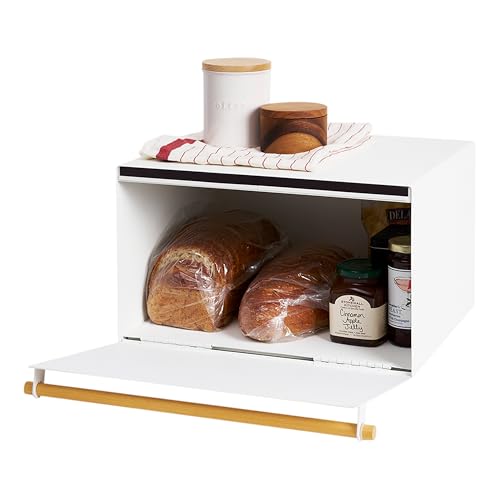


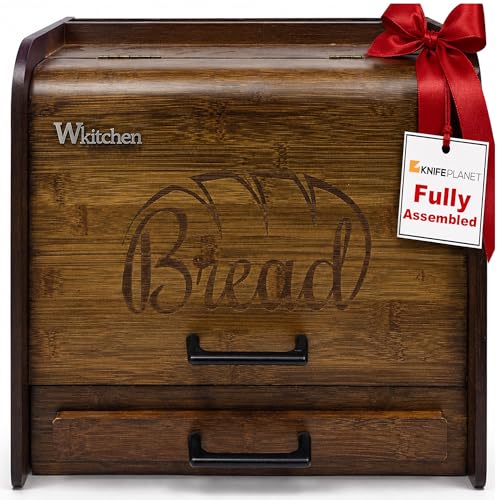


Quick Answer: Three Buying Profiles to Start From
If you need a fast starting point, match your home to one of three profiles. Small households that buy one loaf at a time do well with a compact single level box that slides under upper cabinets. Families that keep sandwich bread, rolls, and bagels at once need a wider box or a two level design with room to stack without crushing soft tops. Bakers who make crusty loaves need a roomy box with gentle airflow that protects a crisp crust while slowing moisture loss.
None of these profiles requires special features or a high price. What matters most is interior room, a lid you can open with one hand, and a finish you will wipe clean.
Before You Buy: A Quick Checklist for Choosing a Bread Box
A bread box has one job, to slow staling and keep bread pleasant to eat for a few days longer than an open bag would. It does that by limiting air movement, blocking light, and holding a small amount of moisture near the loaf without trapping so much that the crust turns soft or mold grows. Work through the points below in order, because size and type decide most of your satisfaction.
Size: Match It to Your Space
Measure the counter spot first, including depth and height up to any cabinet above it. Then measure your usual loaf, because a tall round loaf needs more interior height than a flat sandwich loaf, and a long loaf needs width that many compact boxes lack. Leave a little extra room so you can lift the loaf out without scraping the crust. If your household often stores two loaves plus rolls, look at the guidance for a best extra large bread box before you assume a standard size will fit.
Which Type Fits Your Routine
Wood and bamboo boxes feel warm in a kitchen, resist small knocks, and often suit farmhouse and traditional styles, and our overview of the best wooden bread box explains that material in more depth. Stainless steel and other metal boxes wipe clean quickly and suit modern kitchens. Ceramic and enamel boxes are heavy and stable, but they can chip if a lid drops, while window designs let you see what is inside at the cost of more light reaching the bread.
Lid style matters as much as material does. A roll top lid slides inside the box, so it needs no extra counter room when open, which helps in a tight kitchen. A hinged lid needs clear space above or in front of the box, and a drop front door opens toward you and can double as a small shelf while you slice.
Features Worth Paying For and Ones to Skip
A flat top that can hold a butter dish, a cutting board built into the lid or stored on top, and small vents you can adjust are genuinely useful. A board gives you a place to slice without pulling out a separate board, and vents let you adapt the box when the weather turns humid. A window can help in a busy family kitchen, but it is optional rather than essential.
You can usually skip extras that add cost without helping the bread. Multiple small compartments sound tidy, yet they often waste room that a whole loaf needs. A built in knife holder or a complex latch adds parts to clean and parts that can break, and neither keeps a crust crisp for longer.
Seal, Ventilation, and Food Safe Materials
A bread box should not seal like a container for leftovers. Bread needs limited airflow, not zero airflow, because a fully airtight box traps moisture and can soften crust and encourage mold. Look for a lid that closes snugly with a small vent or a slight gap in the design, and check that interior surfaces are described as food safe and BPA free where plastic parts are used.
Interior finish affects cleaning too. Smooth metal and sealed wood shed crumbs easily and pick up fewer odors from garlic bread or onion rolls. Raw, rough wood can hold smells, so if you choose wood, pick a smooth sealed interior.
Freezer, Microwave, and Oven Safety
A bread box is a counter storage piece, not a cooking or freezing container. Do not put a wooden, bamboo, or metal box in a microwave or oven, and do not use it inside a freezer, where cold and moisture can warp wood and damage finishes. For freezing, wrap slices tightly in a freezer bag with the air pressed out, freeze them flat, and move thawed bread into the box only after it returns to room temperature, since thawing loaves release moisture that softens crust inside a closed box.
Realistic Budget Ranges
Simple compact boxes often cost under $30 and cover the basics well for one loaf at a time. Mid range options at about $30 to $60 usually add a smoother lid action, a larger interior, and a finish that cleans up with less effort. Larger boxes at about $60 to $100 tend to offer two level storage, thicker materials, and a flat top that works as extra shelf space. Spending above that level mostly buys style and size rather than fresher bread, so let measurements and routine lead the decision.
Three Buying Profiles and What to Prioritize
Profile One: The Compact Counter for One or Two People
If you live alone or with one other person, prioritize a small footprint and a lid that opens without needing clear space around it. A roll top or drop front design in metal or bamboo keeps one loaf and a few rolls tidy without dominating a small counter. A light, simple finish also helps a small kitchen feel less crowded.
Profile Two: The Busy Family Hub
Families need width, easy access, and a surface that survives daily wiping. Look for a wide interior that holds a sandwich loaf beside bagels or muffins, or a two level box that keeps sweet items apart from savory loaves. A flat stable top is a real asset here, since it can hold a fruit bowl and gives you storage without using more counter. Avoid delicate finishes and fiddly latches that slow down children who just want toast.
Profile Three: The Home Baker With Crusty Loaves
If you bake crusty loaves, your priority is room and airflow, not a tight seal. A taller box lets a round loaf sit without touching the lid, and adjustable vents help the crust stay firm. Readers who bake often will also want our guide to the best bread box for sourdough, since crust care matters even more for that style. Let fresh bread cool fully before boxing it, because warm bread releases steam that softens crust.
How to Evaluate a Bread Box Before You Buy
Use the same five checks for every option so comparisons stay fair. First, confirm the interior measurements, not only the outer ones, since thick walls can shrink usable room. Second, judge the lid action, asking whether you can open it while holding a loaf. Third, check how the interior cleans, because a box you dread wiping will soon hold old crumbs and off smells.
Fourth, weigh capacity against your real buying habit, not a holiday week when guests arrive. Fifth, consider value over a few years of daily use, including how durable the hinge, handle, and finish sound. A bread storage container that fits your counter and your loaf will always beat a prettier one that forces you to store bread elsewhere.
Quick Guide by Household and Space
A studio or small apartment suits a compact box that slides under cabinets and can support a small item on top. A family kitchen can use a wide or two level box placed near the toaster, away from stove heat, which speeds up staling. Keep the box out of direct sun for the same reason, since light and warmth shorten the pleasant life of a loaf.
If most of your bread is baked at home in batches, our guide to the best bread box for homemade bread covers cooling, slicing order, and how long home baked loaves keep compared with shop bought ones. A rarely used holiday kitchen is different again, there a simple metal box that cleans fast and resists pests during empty weeks beats wood that can hold moisture while the house is closed up.
Common Mistakes to Avoid
- Buying by outer size alone, then finding that a tall or long loaf does not fit inside with the lid closed.
- Choosing a fully airtight box for crusty bread, so trapped moisture softens the crust and invites mold.
- Placing the box next to the stove or in strong sun, where heat dries bread and warps wooden lids over time.
- Storing warm bread straight from the oven or toaster area, which fills the box with steam and stale odors.
- Keeping sliced bread, sweet pastries, and strong flavored rolls together, so flavors mix and soft items get crushed.
- Forgetting to empty crumbs weekly, which attracts pests and makes fresh loaves taste old sooner.
Cost of Ownership and Care
A bread box has almost no running cost, so ownership is mostly about care that takes a few minutes each week. Shake out crumbs, wipe the interior with a damp cloth and a little mild soap when needed, then dry it fully with the lid open before you put bread back inside. Our step by step guide on how to clean a bread box covers deeper cleans for wood, bamboo, and metal, including how to remove lingering smells.
Check hinges and roll top tracks for trapped crumbs, and tighten a loose handle before it works free. Keep a wooden box away from soaking water, because trapped damp causes warping and musty odors.
Your Questions, Answered
What is the most reliable bread box brand?
No single brand is the most reliable for every home, because reliability comes from build details rather than a name. A box with a simple lid action, few moving parts, and a smooth interior will usually outlast a complex design with thin hinges or a fragile latch. Check the hinge type, material thickness, and whether the handle is fixed with screws you can tighten. Those details tell you more about long service than any badge on the front.
How do you clean a bread box without damaging it?
Start by emptying crumbs, then wipe all inner surfaces with a cloth dampened with warm water and a drop of mild soap. For metal, dry at once to avoid water spots, and for wood or bamboo, use as little water as possible and leave the lid open until the interior is fully dry. A paste of baking soda and a little water helps lift odors without soaking the surface. Never use a dishwasher.
Is a bread box worth it for a small kitchen?
Yes, a bread box is worth it in a small kitchen if you eat bread most days, because one compact box replaces several loose bags that slide around and look untidy. It also keeps bread in one known spot, so fewer slices dry out forgotten in a cupboard. Choose a flat top design so the space above the box can hold a small item. If you only buy bread once a week, a simple bag in a cupboard may be enough.
How long does a bread box last?
A well made bread box can last for many years, often a decade or more, since it has no motor, no filter, and only a lid that moves. Metal boxes tend to last longest in busy kitchens because they resist moisture and clean up without swelling. Wooden boxes can last just as long when kept dry and away from stove heat. The usual reason for replacement is a worn hinge or a finish damaged by soaking, both of which weekly care largely prevents.
What makes a bread box the right choice for a home?
The right choice is the box whose interior fits your usual loaf, whose lid suits your counter space, and whose airflow matches the bread you eat most. Soft sandwich bread tolerates a snugger lid, while crusty loaves need more ventilation and room above the crust. Style matters last, after those practical points are met. One extra test helps, picture your busiest breakfast morning and ask whether opening and wiping that box would feel easy or annoying.
Final Thoughts
A good bread box needs room for your loaf, a lid that suits your counter, gentle airflow, and a finish you will keep clean. Use the product table above to compare types against the checklist in this guide, then pick the profile that matches your household.
When you choose the best bread box for the way you actually buy, bake, and eat bread, you cut waste and clear daily clutter from the counter. Measure once and choose by routine.


