Best Bread Boxes for Sourdough (2026): Ventilation, Size and Buying Tips
Disclosure: We may earn a commission when you buy through links on this page, at no extra cost to you. As an Amazon Associate I earn from qualifying purchases. Learn more

Interior room and a lid that breathes keep a sourdough crust crisp. Here is how to choose the best bread box for sourdough.
A good sourdough loaf often lasts only a day or two on an open board before the crust softens and the crumb dries at the cut edge. A box that holds moisture in balance can give you an extra day of good slices. Choosing the best bread box for sourdough comes down to your counter space, how many loaves you bake each week, and how your household uses bread each day.
This guide helps you choose by home size, family size, and budget rather than by looks alone. You will find sizes, materials, and lids explained, plus styles in the comparison table below.

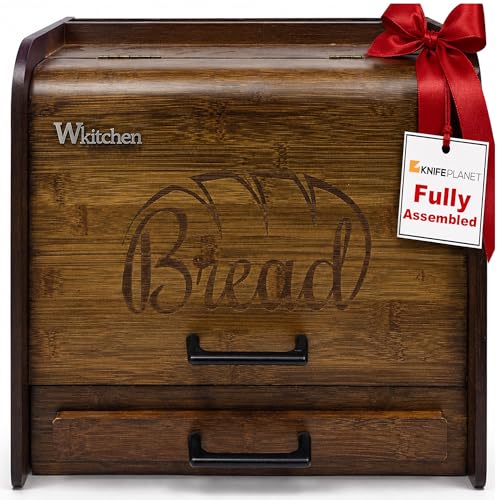


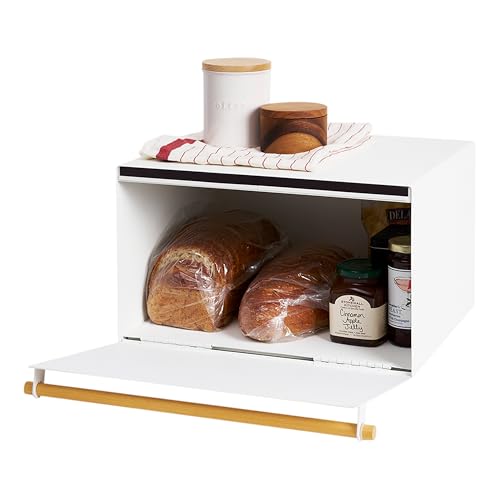
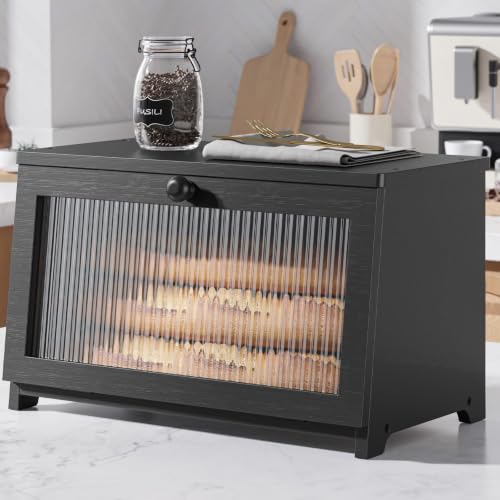

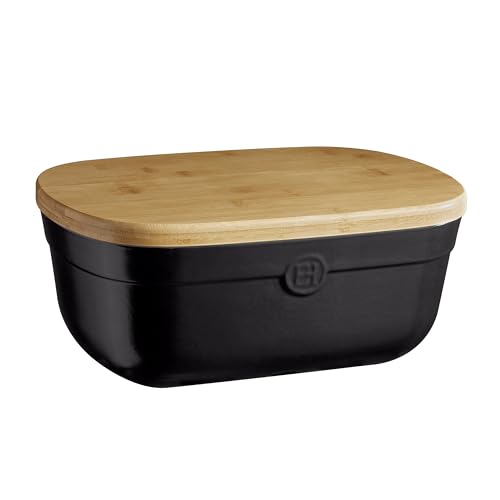
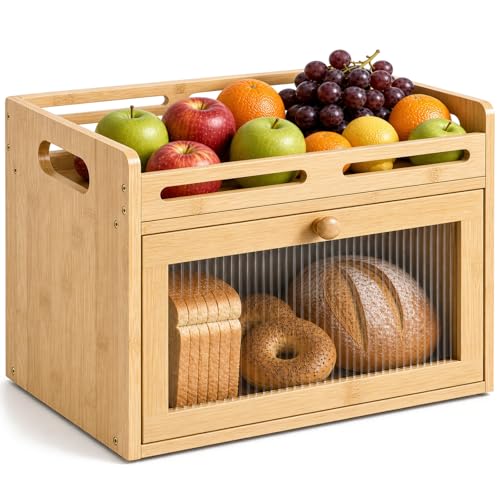
Quick Answer: Three Styles That Suit Most Homes
If you bake one round loaf at a time and have limited counter space, a compact box with a roll top lid often fits best. If you bake two loaves or add rolls, choose a wide box with a flat top. Households that slice daily usually do best with a large ventilated wooden or bamboo box with a cutting board.
- Compact roll top style: saves counter depth and suits one loaf households.
- Wide hinged lid style: gives easier access for wide loaves and for children serving themselves.
- Large ventilated style: holds two loaves and suits frequent bakers.
Before You Buy: A Quick Checklist for Choosing a Bread Box for Sourdough
Sourdough has a thick crust and a moist crumb, and it reacts to trapped air differently from soft sandwich bread. A box that is too sealed can soften the crust within hours, while a box that leaks too much air can dry the crumb. Work through the points below before you compare styles.
Size: Match It to Your Space
Measure the spot on your counter first, including the space the lid needs to open without hitting upper cabinets. A standard round loaf needs clear interior width and height with a little room around it, so the crust does not rub the walls. Small boxes suit one loaf, large boxes suit a loaf plus rolls, and extra large boxes suit families who store several bakes at once. For wider models, our guide to the best extra large bread box explains counter depth needs.
Which Type Fits Your Routine
Wooden and bamboo boxes breathe a little, which helps keep a crust firm, and they suit bakers who slice a loaf over two or three days. Metal boxes wipe clean fast and suit busy kitchens, though a very tight lid can trap moisture. Enamel and ceramic boxes add weight and a farmhouse look, but they can chip if a heavy lid drops. Roll top lids save space, hinged lids give the widest opening, and a lift off lid is easiest for children to handle.
Features Worth It and Ones to Skip
A cutting board built into the lid or base is worth it if you slice on the counter and want crumbs kept in one place. A small window helps you check how much bread is left without opening the box, though it adds a seam to clean. Vent holes or a slightly loose fitting lid are worth it for crusty loaves. Skip features that reduce interior room, such as thick curved walls or a drawer underneath, unless you truly need that drawer.
Airtight Seal and Materials Made Without BPA
For sourdough, a fully airtight seal is rarely the goal. You want a lid that closes well enough to slow drying, yet allows a small amount of air exchange so steam can escape. Let a loaf cool fully before you box it, or that steam will soften the crust. For plastic parts, look for clear labeling that the material is made without BPA, and for wood or bamboo, look for a smooth food safe finish.
Heat Safety and Where the Box Should Sit
A bread box lives on the counter, not in the freezer, microwave, or oven, and no part should go near direct heat unless the maker states otherwise. Keep the box away from a toaster oven or stove burner, since steady heat dries bread fast and can warp bamboo or wood. A cool shaded spot also slows staling. Treat any claim that a counter box is oven safe with caution and check the care guide before you buy.
Realistic Budget Ranges
At under about $30 you usually get a compact metal or bamboo box with a basic lid and no board, which can still work well for one loaf. In the about $30 to $50 range you gain larger sizes, smoother lids, and often a board or window. At about $50 to $100 you pay for heavier materials and better hinges. Paying more does not improve freshness on its own, so spend first on correct size and lid fit.
Three Types Compared: Which Bread Box Style Fits Your Home
The three styles below cover most homes. Compare them by how you bake and serve, not by finish alone. If you store other bakes alongside sourdough, our broader guide to the best bread box covers general storage needs for mixed bread types.
Large Ventilated Wood or Bamboo Box for Most Homes
This style gives a round loaf room on all sides and lets a small amount of air move, which protects the crust while the crumb stays moist. A flat top adds useful surface, and many versions include a board for slicing. It suits couples and small families who bake once or twice a week. The main trade off is counter space, since a wide box will not fit a narrow galley counter.
Compact Metal Box With a Roll Top Lid for Value
A compact metal box costs less, wipes clean in seconds, and the roll top needs no swing room, so it tucks under low cabinets with ease. It suits single bakers and small households who finish a loaf within two days. The trade off is capacity and moisture balance, since a tight metal lid can soften crust faster than wood does. Open the lid for a short time after adding a fresh loaf if the inside feels humid later.
Wide Hinged Lid Box in Solid Wood for the Long Term
A wide box with a hinged lid gives the easiest access for large hands and for children who serve themselves at breakfast. Solid wood handles daily use well, and a damaged hinge can often be repaired. If you love the look of wood, our guide to the best wooden bread box compares finishes and lid styles. The trade off is weight and price, and this style needs the most clear space in front when open.
Our Selection Process for the Best Bread Boxes for Sourdough
We compare styles by seal and freshness, material, capacity and fit, ease of cleaning, and value. We rely on maker specifications for interior size and materials, and on patterns in verified buyer reviews about crust texture, lid fit, and durability. A style earns its place only if its size claims suit real round loaves.
Living With It: What Really Matters in a Bread Box for Sourdough
Placement and habit matter as much as the box itself. Slice from the center outward and push the two halves together before you close the lid, and the exposed crumb will dry more slowly. Store only fully cooled bread, and keep strong smelling foods out of the box, since bread picks up odors. If you also bake soft loaves, our guide to the best bread box for homemade bread covers how mixed baking changes size needs.
Compared with a cloth bag, a box protects a loaf from being squashed, but a bag takes no counter space. Compared with plastic wrap, a box avoids a soggy crust, though wrap still works for freezing slices. For bakers who eat a loaf over two to four days, a box gives the best balance of crust and crumb.
Common Buying Mistakes to Avoid
- Buying by exterior size alone: thick walls can leave too little interior room for a tall round loaf, so check interior measurements.
- Boxing a warm loaf: trapped steam softens the crust and can leave the crumb gummy by the next slice.
- Choosing a fully sealed box for crusty bread: excess trapped moisture dulls the crust you worked to create.
- Ignoring lid clearance: a lid that hits cabinets or a backsplash will annoy you every single day.
- Paying for extras you will not use: drawers, windows, and boards only help if they fit your routine and counter.
Cost of Ownership and Care
A bread box has no running costs and no parts that need scheduled replacement, so ownership cost is mostly the purchase price plus a little care time. Wipe crumbs out every few days so they do not attract pests. Wash removable boards by hand and dry them fully. For step by step methods for wood, metal, and enamel, see our guide on how to clean a bread box.
Tighten loose hinge screws when a lid starts to wobble, and keep wooden boxes away from soaking water so joints do not swell. A light wipe with a dry cloth is enough for most metal and enamel surfaces between deeper cleans. With simple care, a well made box should serve through years of weekly baking.
Your Questions, Answered
What is the most reliable bread box brand?
Reliability depends more on lid fit, hinge quality, and material thickness than on a brand name alone. Look for smooth lid movement, even seams, and clear interior measurements, and read recent buyer comments about lids warping or handles loosening. A maker that sells spare hinges or handles is also a good sign, since a small repair can extend the life of a sound box by years.
How do you clean a bread box?
Empty all crumbs first, then wipe the interior with a cloth dampened with warm water and a small amount of mild soap, and dry every surface fully before adding bread again. Avoid soaking wood or bamboo, and avoid abrasive pads on enamel or coated metal. A short airing with the lid open after cleaning helps remove soap scent, which bread can otherwise pick up overnight.
Is a bread box worth it?
A box is worth it if you bake or buy crusty loaves and eat them over more than one day, since it slows drying better than leaving bread on a board and protects crust better than a sealed plastic bag. It is less useful if you freeze most of your bread in slices or finish a loaf the day it is baked. Counter space is the real cost, so measure first.
How long does a bread box last?
A metal or solid wood box can last many years with dry storage and gentle cleaning, while thin bamboo panels and plastic hinges tend to wear sooner under daily use. Lifespan drops when a box sits near heat, soaks during washing, or holds damp crumbs for long periods. Check hinges and lid alignment once or twice a year, and fix small looseness early before it strains the joints.
What should I look for in a bread box for sourdough?
Start with interior room for your usual loaf shape, then check lid fit, since a lid that allows slight air exchange protects the crust best. Choose a material that suits your cleaning routine, and confirm the opened lid clears your cabinets. One point many buyers miss is base texture, since a smooth base lets you slide a loaf out without tearing the bottom crust.
What is the best bread box for sourdough?
For most homes, a large ventilated wood or bamboo box with room around the loaf is the safest choice, since it balances crust and crumb over several days. Small households may prefer a compact roll top metal box that saves counter depth. The right answer depends on loaf size and baking rhythm, so use the product table above to compare interior sizes against the loaves you bake most often.
Final Thoughts
Choose size first, lid fit second, and material third, and you will avoid nearly every common regret. Frequent bakers should favor room and ventilation, small kitchens should favor a compact lid, and families should favor easy access. Whichever style you pick, the best bread box for sourdough is the one that fits your loaves, your counter, and your routine, so compare your measurements against the product table above before you order.