Best Boots for Ice 2026: Everything to Know Before Your First Purchase
Disclosure: We may earn a commission when you buy through links on this page, at no extra cost to you. As an Amazon Associate I earn from qualifying purchases. Learn more

A plain guide to the best boots for ice: grip, insulation, fit, and sizing explained for first time buyers choosing a steady, comfortable pair.
Shopping for best boots for ice for the first time can feel confusing, because icy ground asks more from footwear than a dry sidewalk does. You need grip you can trust, warmth that lasts through a cold walk, and a fit that stays comfortable in the cold. This guide starts with the basics and walks you through each choice in plain language, so the product table makes sense even if you have never bought winter boots before.
Icy surfaces punish the wrong choice quickly. A smooth sole can slide on a frozen step, a tight boot can cut off circulation, and a boot that leaks will ruin a walk. You do not need technical jargon to buy well. Focus on a few clear factors, try boots on with the socks you will actually wear, and judge comfort on a short indoor walk.



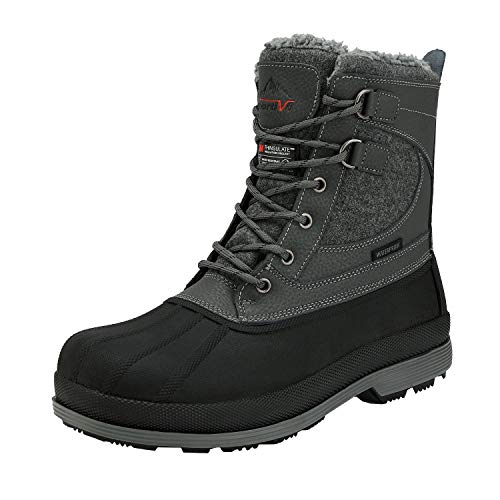
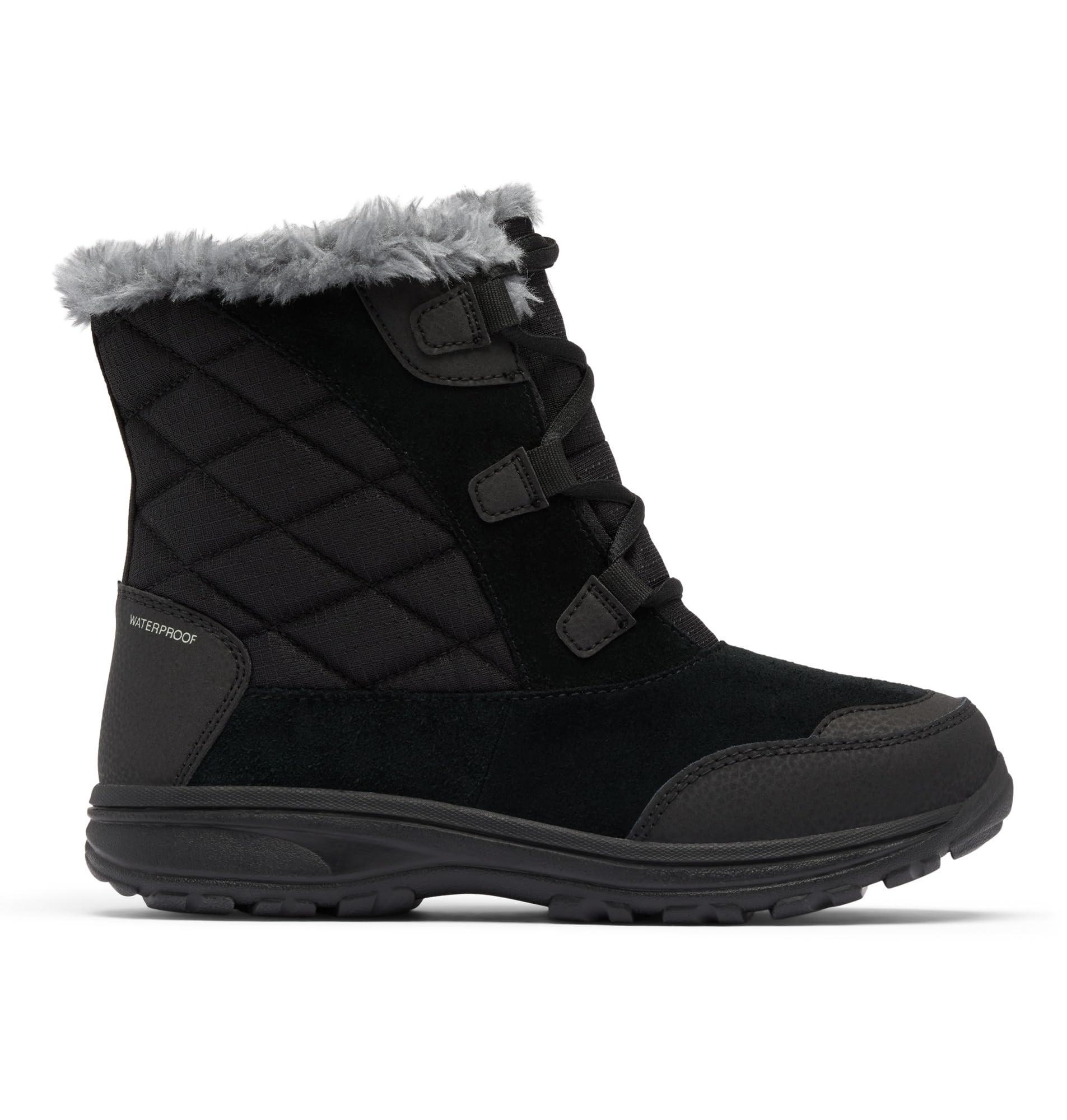

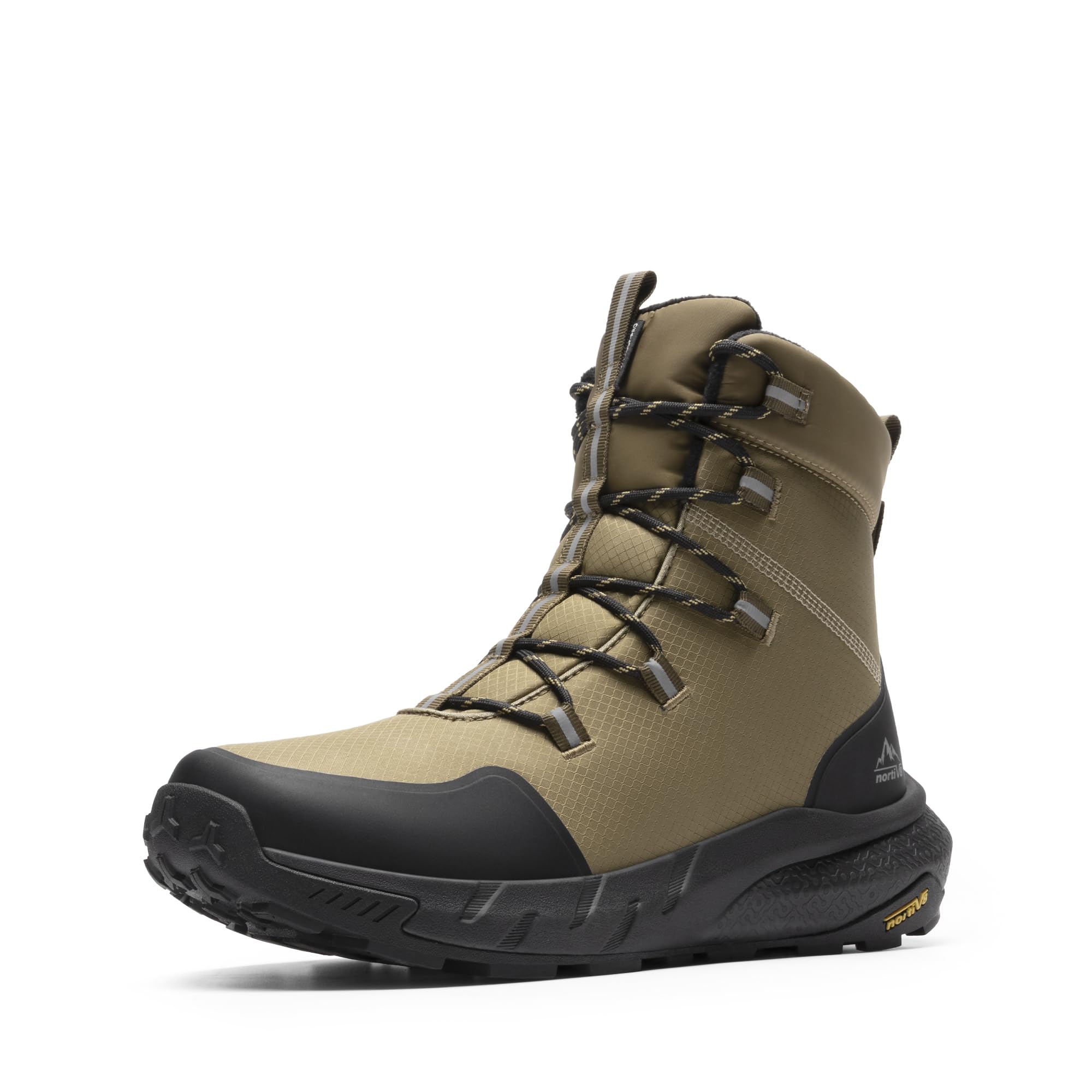
Boots 101: The Basics
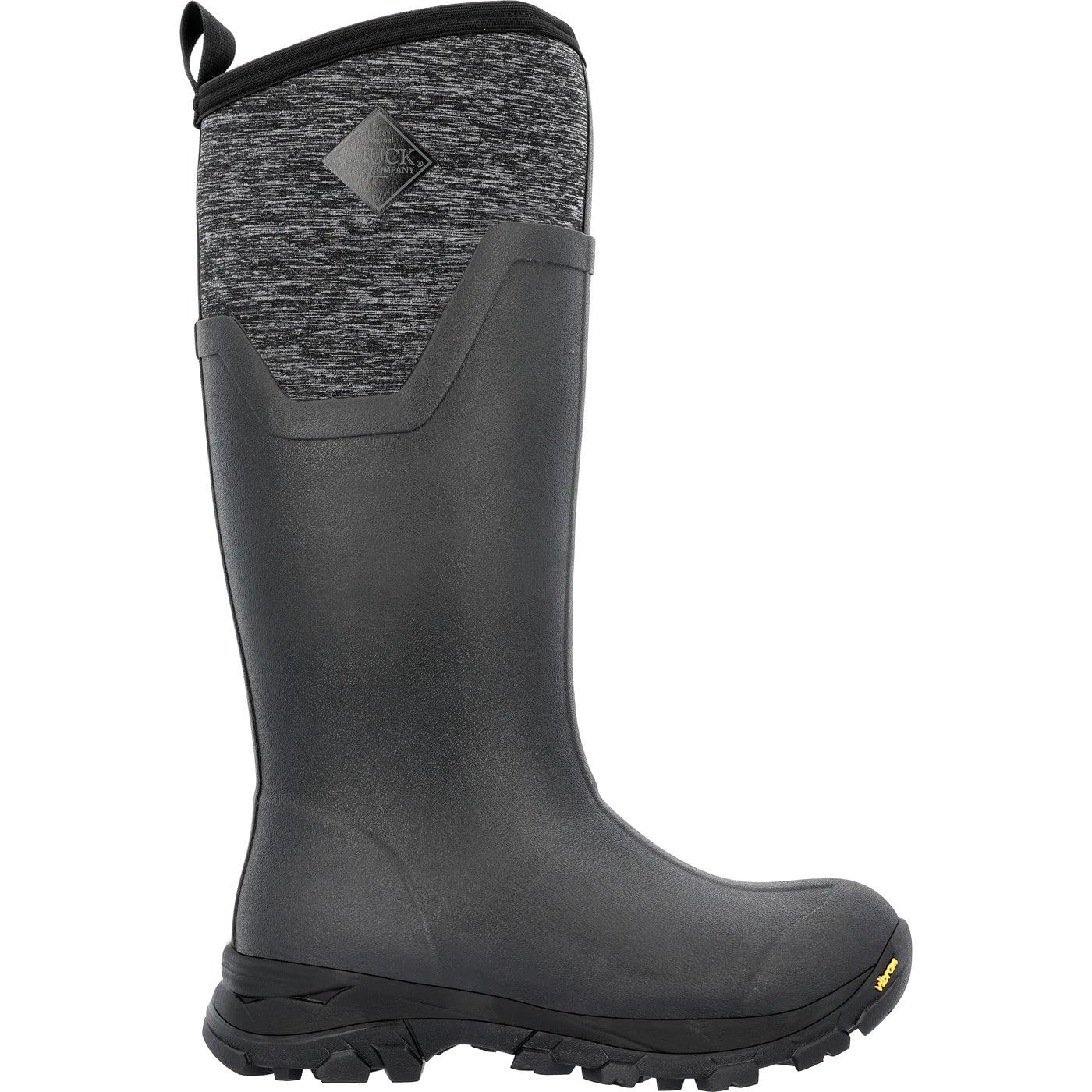
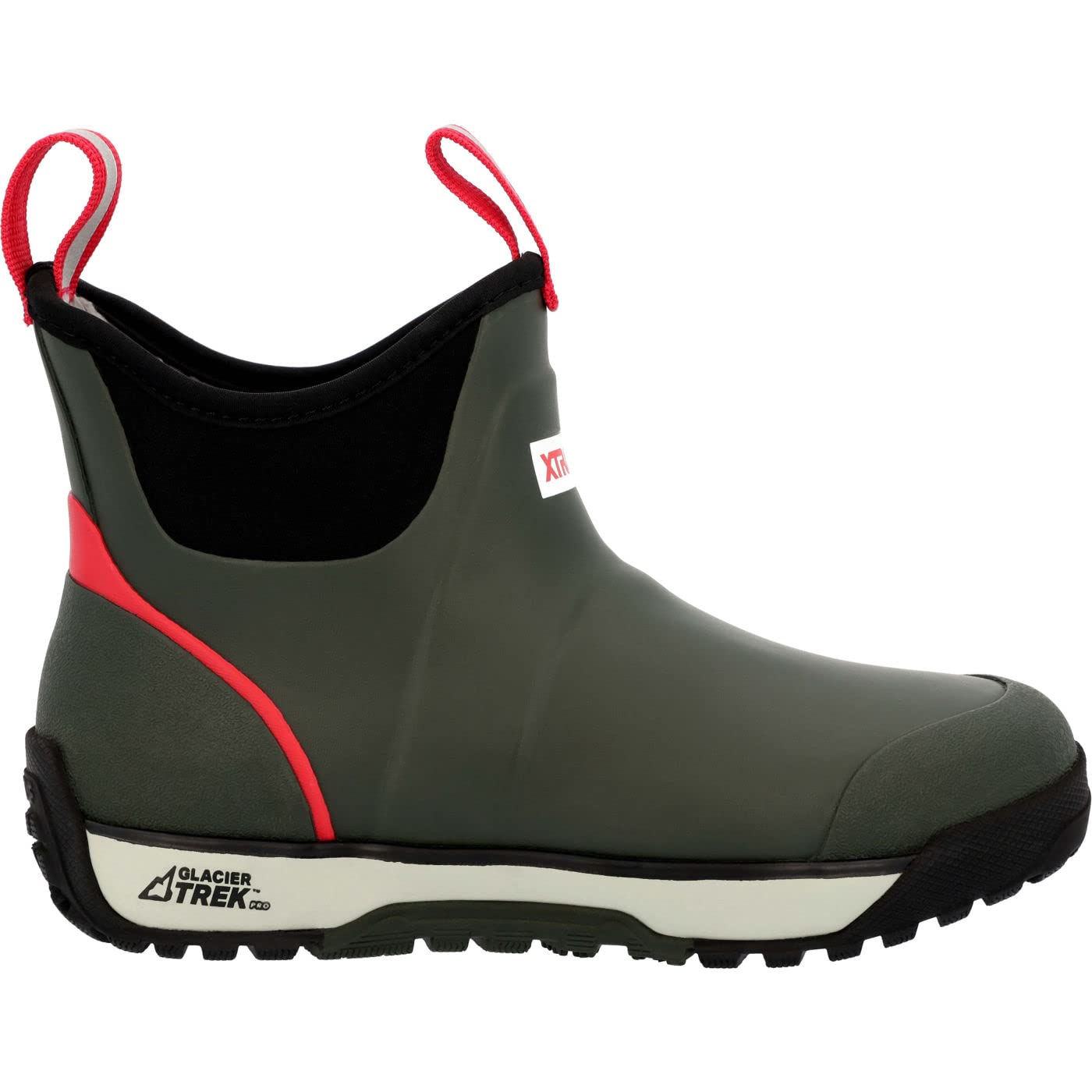
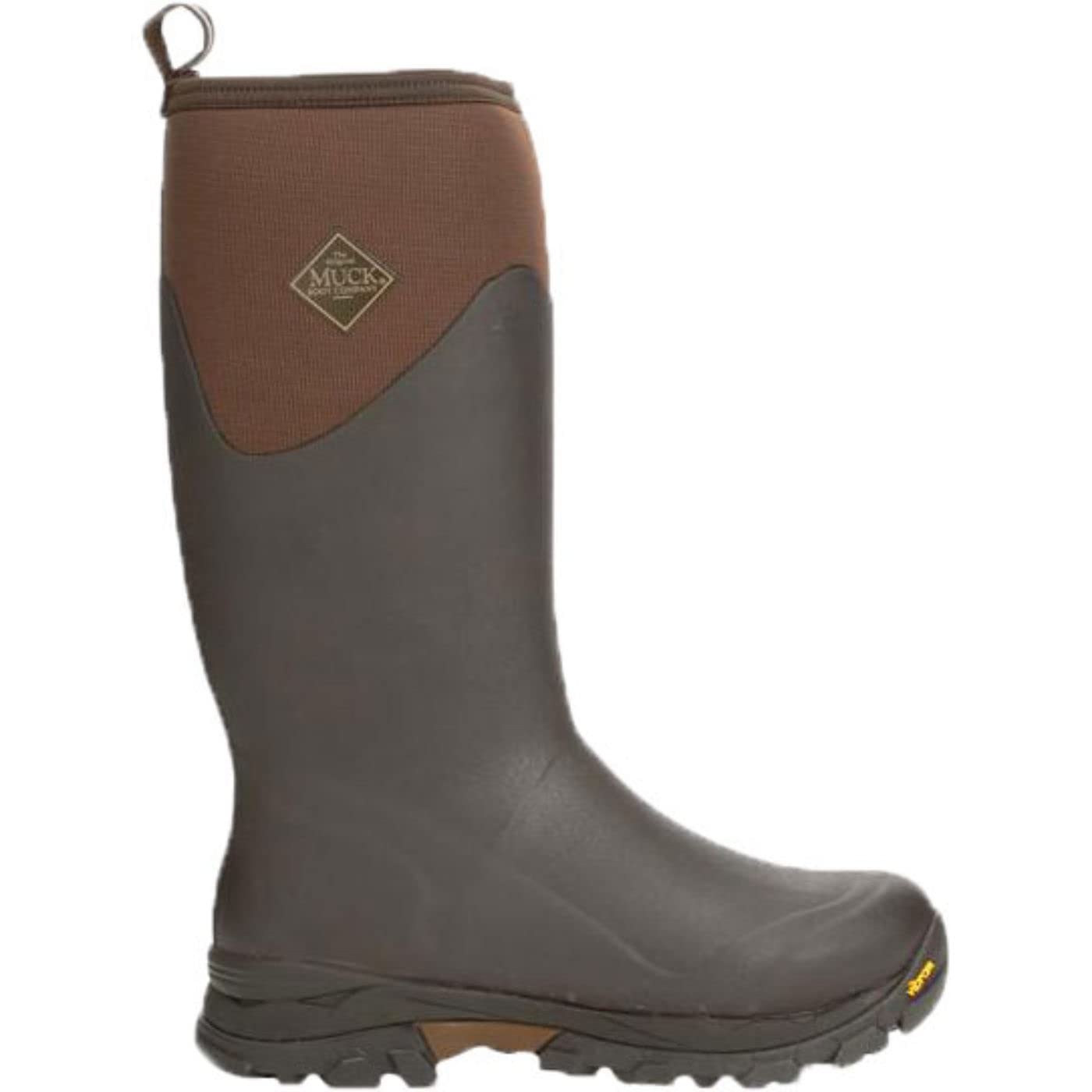
A winter boot built for ice is a system of four parts working together. The outsole meets the ground, and its rubber compound and tread pattern decide grip on frozen pavement, packed snow, and black ice. The upper wraps foot and ankle in leather, synthetic fabric, or both to block wind and slush. Inside, insulation and a lining hold warmth, while a waterproof membrane or treated upper keeps melting snow out.
Stability matters as much as warmth on ice. A boot with a firm heel counter, a supportive midsole, and a shaft that steadies the ankle helps you stay balanced when a foot slips. That support is especially useful on uneven frozen ground, steps, and sloping driveways. A very flexible boot may feel comfortable in the store, but it can let the foot roll when the surface shifts.
Two terms come up often. Toe box means the room around your toes, and a roomy toe box lets toes spread and stay warm. Heel to toe drop means the height difference between heel and forefoot.
Key Specs for the Best Boots for Ice
Features That Matter for Ice
Ice demands grip first, and grip comes from a soft rubber outsole with many small lugs and grooves that bite into frozen surfaces. Look for a tread pattern with plenty of edges that run in different directions, because edges catch the surface when you push off and when you brake. A wide, flat contact area also helps, since it spreads your weight and keeps more rubber on the ground. Some boots add removable traction devices or studs, and those can help on very slick ice, but they are an extra step and they are not a substitute for a good outsole.
Insulation is the second ice specific need. Boots for icy weather often carry about 200 grams of insulation for milder cold and about 400 grams or more for long exposure to deep cold. More is not always better, because an overly warm boot makes feet sweat, and damp socks then feel colder. Choose insulation for the coldest walk you will actually take.
Fit, Sizing, and Toe Box
Fit decides comfort more than any other single factor, so measure your feet in the afternoon when they are slightly larger, and try boots on with your usual winter socks. Your toes should have room to wiggle without touching the front when you walk downhill, and your heel should stay in place without lifting on every step. If a boot pinches across the toes or squeezes the sides of the foot, it will feel worse after an hour outside, not better.
Many first time buyers need a half size larger than their everyday shoe size once thick socks and insulation are in the picture. If you are between sizes, choose the larger size and check fit again with an insole in place. A roomy toe box also helps circulation, and good circulation helps feet stay warm. Walk around the house for ten minutes before you remove tags, and notice pressure on the little toe and ankle bones.
Durability and Expected Lifespan
A well made ice boot should last several winters of regular use, but lifespan depends on how often you wear it, how rough the surfaces are, and how well you care for it. The outsole usually wears first, and shallow tread or smooth patches in the middle of the sole are a sign that grip is fading. Seams, zippers, and the bond between the sole and the upper are the next places to check, especially if you walk through road salt and slush every day.
Road salt, grit, and repeated wetting and drying are hard on materials, so rinse boots after salty walks and let them dry at room temperature. Avoid direct heat from a radiator or fire, which can stiffen leather and crack rubber. With simple care, a solid pair often gives three to five winters of service, while a lightly built pair may lose grip sooner.
Weight and Flexibility
Weight matters on a long icy walk, because a heavy boot tires your legs and changes how carefully you place each step. Lighter boots feel easier on flat ground and short trips, while heavier boots often bring thicker insulation, sturdier ankle support, and tougher materials. Most buyers do best with a boot that feels supportive without feeling heavy at the end of each leg.
Flexibility works the same way. A boot should bend where your foot bends, near the ball of the foot, while staying firm through the middle of the foot and around the ankle. Too much flex can feel unstable on ice, and too little flex can feel stiff and tiring. Flex the boot by hand in the store, then walk in it and notice whether it moves with your stride.
Arch Support and Foot Type
Arch support shapes how pressure spreads across the foot, and the right amount depends on your foot type. Flat feet often feel better with a supportive insole that keeps the arch from collapsing inward. High arches often need cushioning that fills the gap under the midfoot. People whose feet roll inward noticeably when walking, a pattern called overpronation, usually benefit from a firmer midsole and stable heel counter.
Most boots include a removable insole, which lets you swap in one that matches your arch. Try the boot with the insole you plan to use, and check that support sits under your arch rather than pressing into the middle of the foot. If you have persistent or worsening foot pain, see a doctor rather than relying on a boot alone, since general fit guidance cannot replace personal medical advice.
Rookie Mistakes to Avoid
- Choosing looks over grip. A stylish smooth sole can look great in photos and slide badly on a frozen sidewalk, so check the tread before you check the color.
- Buying the same size as a summer shoe. Thick socks and insulation take up room, and a tight boot restricts circulation and makes feet feel colder.
- Assuming every waterproof label means the same thing. A water resistant upper may handle light snow, while a fully waterproof boot is built to keep slush out on longer walks.
- Skipping a trial walk. A boot that feels fine standing still can pinch or rub after ten minutes of walking, so try it indoors before you wear it outside.
- Ignoring ankle support. A low, flexible boot may feel easy to wear, but it gives less help when a foot slips on uneven ice.
Getting Started: Setup and First Use
When your boots arrive, check fit with your winter socks and any insole you plan to use. Walk around your home on a hard floor, climb a few stairs, and stand still to notice pressure points. If the heel slips a lot or toes hit the front downhill, try a different size or lacing pattern before wearing them outside.
Break boots in gradually with short walks, and tighten laces evenly from toes upward so pressure spreads across the foot. After a wet or salty walk, remove insoles, wipe off salt and grit, and air dry boots away from direct heat. Check tread and seams now and then, and replace boots when grip is worn smooth or support no longer feels steady. Readers who fish on frozen lakes may compare options in our guide to the best ice fishing boots.
Boots: Your Questions Answered
What features matter most in boots for ice?
Grip, insulation, waterproofing, and ankle stability matter most on ice. A soft rubber outsole with many tread edges gives traction, insulation matched to your coldest walk keeps feet warm, and a waterproof upper keeps slush out. Ankle support helps balance when the surface shifts, and a roomy toe box protects circulation. For extra traction on very slick days, see our guide to the best ice cleats for boots.
Are expensive boots worth it?
Higher priced boots are worth it when the extra cost buys better grip, longer lasting waterproofing, or sturdier construction you will actually use. A boot around about $80 to $150 often covers everyday winter walking well, while pricier boots tend to add thicker insulation and tougher materials. Very cheap boots can suit occasional short walks, but they often lose tread sooner. Judge value by how often you walk on ice.
How often should I replace my boots?
Replace ice boots when tread is worn smooth, waterproofing no longer keeps feet dry, or ankle support feels loose. For regular winter walkers, that often means after three to five winters, but daily use on salted roads can shorten that time. Check the outsole each autumn, and watch for leaks after slushy walks. A boot that looks good but no longer grips is not safe on ice.
Do I need waterproof boots?
Waterproof boots are worth choosing if you walk through slush, melting snow, or standing water, because wet socks lose warmth fast and make blisters more likely. Water resistant boots may be enough for short walks on dry, packed snow in very cold weather. Think about your usual route, including puddles at curbs and slush in parking lots. If you often face wet conditions, full waterproofing is very useful.
Can I wear ice boots all day?
You can wear ice boots all day if they fit well, breathe reasonably, and match the temperature, but many winter boots feel heavy and warm indoors. Boots built for deep cold can make feet sweat inside, and damp socks then feel cold outside. If you spend most of the day indoors, look for a lighter insulated boot and consider indoor shoes at work. Full day comfort depends more on fit and breathability than on warmth rating alone.
The Bottom Line
For a first purchase, prioritize grip, a waterproof upper, insulation matched to your winters, and a fit that leaves room for thick socks. Try boots on in the afternoon, walk in them indoors, and check tread and ankle support before you decide. If your winters are long and icy, see our guide to the best winter boots for ice for that broader category.
Choose the pair that feels steady and comfortable on your first indoor walk, not just the warmest or cheapest pair. When grip, fit, and waterproofing all line up, best boots for ice becomes a straightforward choice, and the product table above can help you compare options side by side.