Best Boots for Ice Traction for 2026: A Checklist Before You Buy
Disclosure: We may earn a commission when you buy through links on this page, at no extra cost to you. As an Amazon Associate I earn from qualifying purchases. Learn more
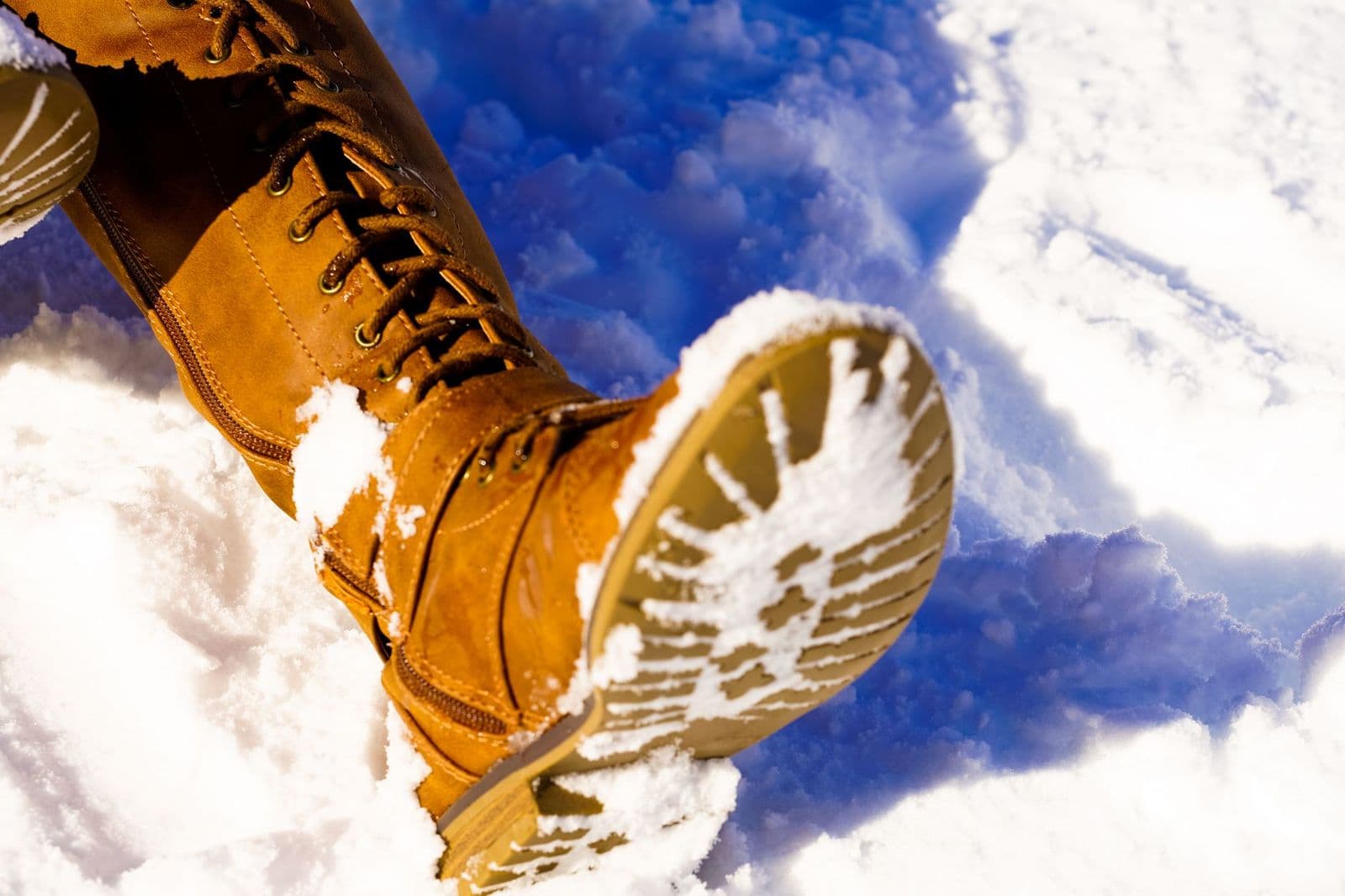
Learn how to choose the best boots for ice traction, with grippy outsoles, a secure fit, waterproofing and warmth for icy walks.
Walking on ice rewards preparation and punishes guesswork, so a short checklist beats a rushed purchase every time. The best boots for ice traction for a daily commuter may differ from the pair that suits a worker who spends hours on frozen yards and loading docks. Use the checklist below to weigh outsole grip, fit, waterproofing and warmth before you choose.
Ice traction is not one feature but a system: the rubber compound, the lug shape, the fit that keeps your foot steady, and the warmth that lets you walk normally instead of shuffling. This guide walks through each part of that system, then shows how spending levels change what you get.
Key Features of the Best Boots for Ice Traction
Use the criteria below as your buying checklist. Score each pair against them in the store or from the maker specs, and favor the pair that does well across the board rather than one that excels at a single feature. A boot with great grip but a sloppy fit will still let your foot slide inside the boot, which defeats the purpose.
Features That Matter for Ice Traction
Ice traction starts with a soft rubber compound that stays flexible in the cold, since hard rubber skates over ice instead of gripping it. Look for a dense lug pattern with many biting edges, because more edges mean more contact points on slick surfaces. Some boots add small metal studs or grit embedded in the outsole for extra bite, which helps on smooth ice but wears faster on bare pavement.
Check whether the maker describes cold weather grip performance, and treat vague grip claims with caution. No boot grips perfectly on every icy surface, so pair good footwear with careful steps and short strides.
Fit, Sizing, and Toe Box
Measure your feet in the afternoon and wear the thick socks you will use in winter, since a summer fit will feel tight once insulation and socks are added. A roomy toe box lets toes spread for balance, while a snug heel keeps the foot from sliding forward on slopes. If you are between sizes, try the larger size first and walk on a hard floor to check heel hold.
A boot that fits loosely at the ankle forces your foot to work harder for stability, which tires you faster on icy walks. For options shaped for a narrower fit, see our guide to the best women's boots for ice traction and their sizing notes.
Waterproofing and Membranes
Waterproofing matters when ice melts into slush, because wet feet get cold fast and cold feet lose feeling and balance. A waterproof membrane inside the boot blocks slush and meltwater, while sealed seams stop leaks at stitch lines. The tradeoff is breathability: fully waterproof boots trap more sweat, so pair them with moisture wicking socks on active days.
For short walks in dry cold, a water resistant upper may breathe better and still handle light snow. Check the boot height too, since a taller shaft keeps slush from spilling over the top on deep walks.
Outsole Traction and Terrain
Lug depth and pattern should match the ground you walk most. Deep, widely spaced lugs shed snow and grip on packed snow and rough ice, while a flatter, denser pattern grips better on smooth indoor floors and cleared sidewalks. A rubber compound that stays soft below freezing is more important than lug depth alone, because stiff rubber loses contact on ice.
Look at the heel shape as well, since a beveled heel edge catches the ground sooner with each step. Try the boot on a slick store floor if you can, and walk slowly at first on real ice until you learn how the pair behaves.
Break In Period and Comfort Out of the Box
Most winter boots need several shorter wears before they feel natural, especially stiffer models with protective toes. Start with walks around the block, then extend the distance as pressure points fade. A boot that pinches sharply at the ankle or forefoot after several wears likely has a fit problem, not a break in problem.
Softer uppers and cushioned collars usually feel comfortable sooner, which suits buyers who need the boots immediately for a cold snap. Keep your old pair handy during break in, so a painful new boot never forces you through a long icy walk.
Arch Support and Foot Type
Arch support shapes how steadily you walk on ice, because a foot that rolls inward or outward changes the angle of each step. Flat feet often benefit from a stable midsole and a supportive insole, while high arches usually need more cushioning under the midfoot. Overpronation, where the foot rolls inward, calls for a firmer midsole that resists that roll.
Try boots with your usual insoles in place, since they change the internal volume and the arch feel. If you have ongoing foot pain, talk with a clinician about support needs before relying on any boot to correct your gait.
Spending Levels Explained
Price changes what you get, but the relationship is not simple. Use the levels below to set expectations, then compare individual boots within your level rather than assuming a higher price always means better ice grip.
Lower Spending: Everyday Winter Walks
At this level, expect a grip focused rubber outsole, basic water resistance and light insulation suited to short walks and cleared paths. These boots handle daily commutes and school runs well, but they may lack the deep lugs or membranes needed for long hours on untreated ice. Check the sole flexibility in the cold, since budget boots sometimes use harder rubber that grips poorly below freezing. For winter focused options at this level, see our guide to the best winter boots for ice traction and their warmth ratings.
Middle Spending: Regular Cold Weather Use
Middle spending usually adds a waterproof membrane, better insulation and a more refined lug pattern with more biting edges. These boots suit workers and walkers who face ice several days a week and need reliable grip across varied surfaces. You also tend to get stronger stitching, better ankle padding and replaceable insoles at this level.
Compare warmth ratings and sole compounds carefully here, because two boots at the same price can differ greatly in cold grip. This level offers the best balance for most buyers who walk on ice regularly.
Higher Spending: Demanding Winter Conditions
Higher spending buys advanced sole compounds, deeper lugs, full waterproofing and insulation rated for long exposure to severe cold. These boots suit people who work outdoors all day, hike frozen trails or spend hours on untreated surfaces. You may also get studded outsoles or replaceable grip systems at this level, which add bite on smooth ice.
The extra weight of heavy insulation is the main tradeoff, so try the boots on with winter socks before committing. For the widest range of winter grip designs, see our guide to the best winter boots for traction on ice and how their outsoles differ.
Quick Buyer Checklist
Run through these questions before you pay:
- Does the outsole stay flexible in cold weather, with many biting edges for ice?
- Does the boot fit snugly at the heel with room at the toes in winter socks?
- Is the waterproofing level right for slush, or will the boot soak through?
- Does the insulation match how long you will be outside each day?
- Is the ankle height enough to keep snow and slush out?
- Can you walk naturally in the boot, without shuffling or shortening every step?
- Does the maker describe cold weather grip in concrete terms, not vague claims?
Red Flags to Watch For
Be wary of boots that promise total slip proof performance, since no boot can guarantee grip on every icy surface. Vague specs, such as a grip claim with no mention of rubber compound or lug design, often hide a weak outsole. Very short warranties on stitching and soles can signal low confidence in durability, and reviews that read as copied or generic deserve skepticism.
A sole that feels hard and slick in a warm store will only grip worse in the cold. Also watch for boots with no warmth rating at all, since that omission makes it hard to judge whether they suit your climate.
Care and Maintenance Tips
Brush snow and ice melt off your boots after each walk, since road salt dries out leather and corrodes hardware over time. Air dry wet boots away from direct heat, because radiators and open flames can warp soles and crack uppers. Rotate two pairs for daily winter wear when you can, so each pair dries fully and the insulation recovers between uses.
Inspect lugs regularly for wear, and replace the pair when the biting edges round off, since worn lugs lose ice grip long before the boot looks broken. For more winter grip options, see our guide to the best women's winter boots for ice traction and their care needs.
Boots: Your Questions Answered
What Features Matter Most in Boots for Ice Traction?
A soft cold weather rubber compound matters most, followed by a dense lug pattern, a secure fit and waterproofing. Soft rubber keeps contact with ice instead of skating over it, while many biting edges give each step more grip points. A snug heel and roomy toe box keep the foot steady inside the boot, which matters as much as the outsole itself. Waterproofing keeps feet dry in slush, and dry feet stay warmer and more sure footed.
Are Expensive Boots Worth It?
Expensive boots are worth it when the extra cost buys a better cold weather compound, full waterproofing and insulation matched to long outdoor exposure. A higher price alone guarantees nothing, so compare sole materials, lug design and warmth ratings rather than assuming cost equals grip. For daily winter walking, a middle priced pair often gives the best value, while occasional users may do well at a lower price. Set your budget by how many icy days you face each week and how long you stay outside, not by styling.
How Often Should I Replace My Boots?
Replace ice traction boots when the lugs wear smooth, the sole hardens or cracks, or waterproofing fails despite cleaning and care. For daily winter use, that often means every one to two seasons, while occasional use can stretch a pair longer. Inspect the outsole each autumn before the first freeze, checking lug edges and sole flexibility in the cold. If you slip more often on familiar ground, worn grip is a likely cause even if the uppers still look fine.
How Long Is the Break In Period?
Most winter boots need several shorter wears over one to two weeks to soften and mold to your feet. Softer uppers break in faster, while stiff protective toe models may need the full two weeks. Start with short walks and extend the distance as pressure points fade, watching for sharp pain that signals a fit problem rather than normal break in. If pain continues past two weeks, try a different size or width before assuming more wear will fix it.
Do I Need Waterproof Shoes?
Waterproofing helps most when you walk through slush, melting snow or standing water, but it is not essential for short walks in dry cold. A water resistant upper handles light snow well and breathes better on active days, while a full membrane suits long exposure to wet conditions. Remember that waterproof boots trap more sweat, so pair them with moisture wicking socks to keep feet dry from the inside. Choose waterproofing by your wettest regular walk, not your driest one.
Can I Wear Ice Traction Boots All Day?
Yes, if the fit is right, the insulation matches the temperature and the boot is broken in gradually first. A well fitting boot with a cushioned insole and a roomy toe box can stay comfortable for a full day indoors and out. Watch for heel rubbing and forefoot pressure during break in, since those signal fit problems rather than normal adjustment. Replace flattened insoles promptly, since worn cushioning transfers more shock with every step.
Wrapping Up
Cold weather rubber, a dense lug pattern, a secure fit and the right waterproofing matter more than styling when you choose ice boots. Run through the checklist above, confirm the sole stays flexible in the cold, and never trust any boot to guarantee grip on ice. The best boots for ice traction are the pair that keeps your steps steady and your feet warm through your own winter routine. Take short careful steps on your first icy walks, and never go on ice that looks unsafe.