Best Boots for Winter Hunting: A 2026 Buying Checklist
Disclosure: We may earn a commission when you buy through links on this page, at no extra cost to you. As an Amazon Associate I earn from qualifying purchases. Learn more

Use a clear checklist to choose winter hunting boots. Learn about insulation, waterproofing, fit, weight, and traction for cold field conditions.
Cold, wet, and uneven ground makes winter hunting hard on footwear, and the wrong boots can cut a day short. The best boots for winter hunting balance warmth, waterproofing, grip, and fit, rather than excelling at only one of those qualities. This guide gives you a checklist to judge any pair before you buy.
Work through the criteria below in order, starting with insulation and waterproofing, then fit and weight. The comparison table below summarizes the main boot types, and the checklist near the end lets you judge a pair quickly. Always follow local hunting rules and season requirements for your area.



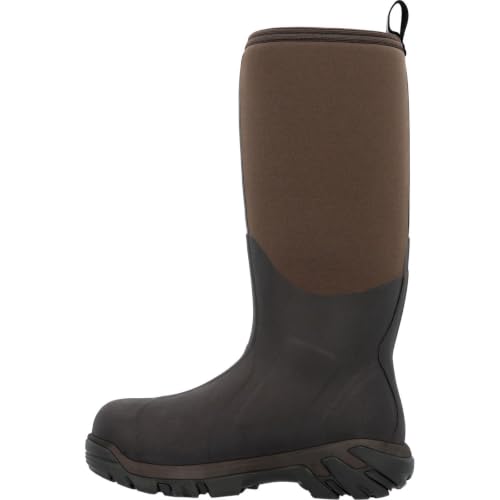
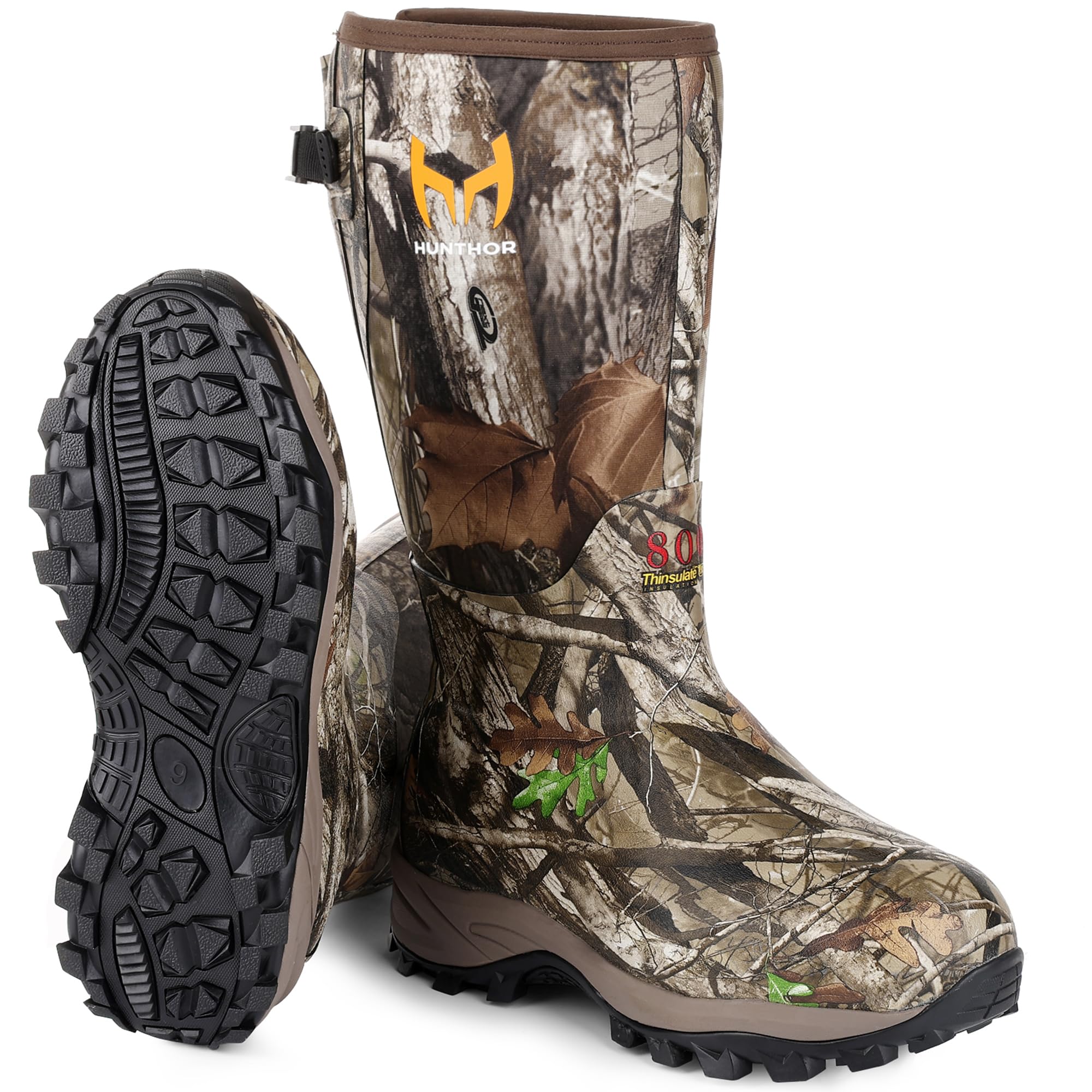

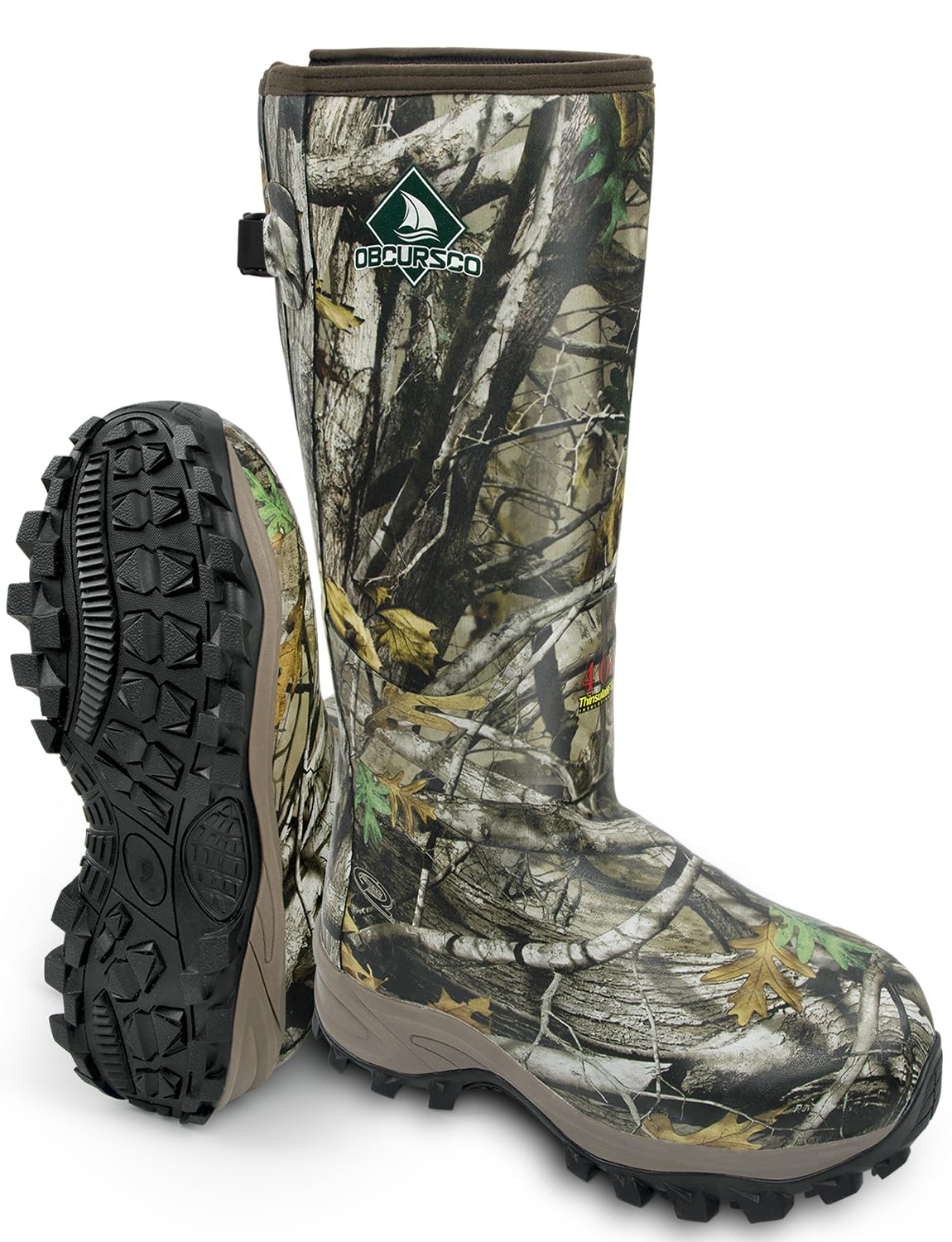

How We Evaluate Boots
Think of this section as a buyer checklist rather than a formal review. Each criterion below includes a practical threshold you can check in a store or from honest specifications. A pair that passes most of them is a stronger candidate than one that only looks warm. Take notes as you compare pairs, since it is easy to forget which model had the better tread or the roomier toe box once you have tried several.
Also consider how the boots will be used across the season. A pair worn for occasional weekend hunts faces different demands than a pair worn daily by a guide or land manager. The checklist below stays the same, but the weight you give each item should shift with your hunting style, your climate, and the terrain you cover most often.
Features That Matter for Winter Hunting
Winter hunting demands insulation rated for the temperatures you actually face, a waterproof barrier, and a sole that grips snow, mud, and ice. Insulation of around 400 to 800 grams suits most cold weather hunting, while extreme cold may call for more. Check that the insulation is spread through the whole boot, not just the shaft, so your toes stay protected.
Fit, Sizing, and Toe Box
Measure your feet in the afternoon and wear the thick socks you will hunt in. A roomy toe box lets your toes wiggle, which helps circulation and warmth, while a snug heel stops blisters on long walks. If you are between sizes, size up to leave room for heavy socks, and test the fit on an incline if possible.
Weight and Flexibility
Heavy boots tire your legs over miles of rough ground, while very light boots may offer less protection and warmth. Look for a balance that matches your hunting style: still hunting from a stand favors warmth over low weight, while spot and stalk hunting rewards a lighter, more flexible boot. Flex the boot by hand and walk in it to judge stiffness. If you hunt from a stand, weight matters less, but a boot that is hard to flex can still make climbing and walking to the stand tiring.
Waterproofing (Gore Tex and Membranes)
A waterproof membrane keeps melting snow and stream crossings from soaking your socks, but it also reduces breathability. That trade off matters on active hunts, where sweat can wet socks from the inside. Look for sealed seams and a gusseted tongue, and remember that waterproofing needs care: clean the boots and reproof them as the maker directs.
Break In Period and Comfort Out of the Box
Some winter boots feel comfortable right away, while stiffer leather and rubber models need several shorter outings first. Plan break in walks before the season opens, wearing your hunting socks. Persistent pinching, numb toes, or heel lift after break in usually signals a fit problem rather than a need for more time.
Durability and Expected Lifespan
Durability shows in stitched seams, reinforced toe caps, and outsoles bonded firmly to the upper. Hunting boots used hard may last two to four seasons, while lighter use can stretch that further. The old rule of replacing running shoes every 300 to 500 miles is a reminder that cushioning and support wear out gradually, not all at once, so inspect midsoles and tread each season.
Spending Levels Instead of Picks
Rather than naming individual products, use these spending levels to set expectations. Each level describes what you generally gain as the price rises, so you can match your budget to your hunting conditions.
A Sensible Starting Budget
At a starting budget of around $80 to $130, expect basic insulation, a waterproof membrane, and a rubber outsole with decent tread. These boots suit milder winters and shorter hunts. Check the seam sealing and insulation rating carefully at this level, since those details vary more between budget models.
A Mid Range Budget
At a mid range budget of around $130 to $220, you generally gain better insulation coverage, more durable uppers, and improved traction compounds. This range suits most hunters, covering cold mornings, wet ground, and longer days afield. Fit and comfort also tend to improve, with better footbeds and more careful sizing options.
A Higher Budget
At a higher budget of around $220 and up, expect premium membranes, higher grade insulation, and tougher construction built for many seasons. These boots suit extreme cold and rugged terrain. Even here, fit comes first: an expensive boot that pinches will not keep you comfortable, no matter how advanced its materials are.
Quick Buyer Checklist
Run through these questions before you buy:
- Is the insulation rated for the coldest temperatures you will hunt in?
- Are the seams sealed and the tongue gusseted against water?
- Does the toe box leave room for thick socks and toe movement?
- Does the heel stay put when you walk uphill?
- Is the weight manageable for the distance you will cover?
- Does the outsole grip snow, mud, and wet leaves?
- Can you flex the boot enough to walk naturally?
- Does the maker offer the width and size you need?
Red Flags to Watch For
Be cautious of vague insulation claims with no gram rating or temperature guidance, since warmth is hard to judge from marketing words alone. Watch for boots with no waterproofing details, very short warranties, or tread that feels smooth and hard. Unusually glowing or identical sounding buyer comments can also signal unreliable feedback. Finally, avoid boots that force your toes together or lift your heel, since those fit problems rarely improve with wear.
Another red flag is a boot that claims to suit every condition, from desert heat to deep winter, since no single design does both well. Similarly, treat dramatic warmth promises with skepticism unless the maker explains the insulation, the lining, and the conditions behind the claim. A trustworthy description gives specifics you can compare, not superlatives you must take on faith.
Setup and Care Tips
Break boots in with a few shorter walks before the season, and rotate two pairs for daily wear when possible so each pair dries fully. Air dry wet boots away from direct heat, since radiators and open flames can damage membranes and adhesives. Clean off mud after each outing, reproof as the maker directs, and store boots in a cool, dry place with the insoles removed.
Related categories can sharpen your comparison. For women specific fits, see best women's winter hunting boots. If wet conditions dominate your season, best waterproof winter hunting boots focuses on that priority. For men specific sizing, best men's winter hunting boots is worth a look, and best hunting boots covers the broader category for milder seasons.
Boots: Your Questions Answered
What features matter most in boots for winter hunting?
Insulation matched to your temperatures, reliable waterproofing, and a sole that grips snow and mud matter most. Fit comes right behind them, since a warm boot that pinches will still cut your day short. Weight and flexibility matter more on active hunts than on stand hunts. Judge a boot on all of these together rather than on any single feature.
How should boots fit?
Boots should feel snug at the heel and midfoot with room for your toes to move inside thick socks. Try them on in the afternoon, walk uphill and downhill if you can, and check for heel lift. A fit that feels roomy with thin socks will often feel cramped with hunting socks, so always test with the socks you will actually wear.
Are expensive boots worth it?
Higher prices usually bring better insulation coverage, tougher materials, and more reliable waterproofing, but they do not guarantee a good fit. A mid priced pair that fits well and matches your conditions will serve you better than a premium pair that pinches. Spend more when you hunt in extreme cold or rugged terrain, and spend carefully when conditions are mild.
How long is the break in period?
Soft, flexible boots may feel ready within a few outings, while stiff leather or heavy rubber boots can need two to three weeks of gradual wear. Start with short walks and build up to full hunting days. If numbness, blistering, or sharp pressure points persist after that period, the fit is likely wrong rather than unbroken.
Do I need waterproof shoes?
Waterproof boots are strongly recommended for winter hunting, since snow, slush, and stream crossings soak ordinary footwear fast. Wet socks lose warmth quickly and raise the risk of blisters and cold related discomfort. If you hunt only in dry, frozen conditions, a water resistant boot may suffice, but sealed seams remain a wise precaution.
How often should I replace my boots?
Replace boots when the insulation feels thin, the waterproofing fails despite reproofing, or the tread wears smooth. For regular hunters, that often means every two to four seasons, depending on mileage and terrain. Inspect seams, midsoles, and outsoles before each season, and retire a pair that leans, cracks, or no longer holds your foot steady.
Final Thoughts
Insulation matched to your climate, trustworthy waterproofing, and a fit tested with hunting socks are the three criteria that matter most. Use the checklist above to judge any pair quickly, and set your budget by your conditions rather than by brand promises. Keep the checklist handy when you shop, and try boots on with your hunting socks before committing. The best boots for winter hunting are the ones that keep your feet warm, dry, and steady through a full day afield, so review the product table above before you decide.