
Best Boots for Back Pain Women's: Matching the Right Model to Your Routine for 2026
Disclosure: We may earn a commission when you buy through links on this page, at no extra cost to you. As an Amazon Associate I earn from qualifying purchases. Learn more

Long shifts and hard floors can leave your back sore by evening. Compare the best boots for back pain women's wearers can use, by cushioning and support.
No single boot suits every woman, every job, or every back. The pair that feels kind during a long shift on concrete may feel clumsy on a trail, and a sturdy outdoor boot may be far more than you need for errands. Choosing best boots for back pain women's options starts with your routine, then matches cushioning, stability, and fit to the hours and surfaces in your day.
This guide works through those choices by use case, so you can narrow the comparison table below with confidence and focus on the features that actually support your back.
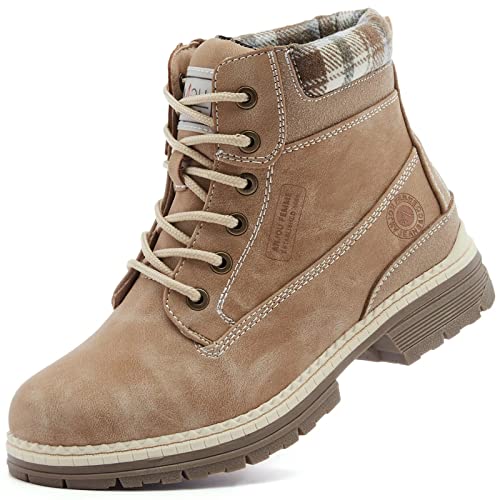


Who Should Buy Which Boots?
Your routine decides how much boot you need. Think about your longest typical day rather than your easiest one, because tired feet and a sore back usually show up near the end of long hours. Match the groups below to your week, then use the product table above to compare pairs that fit that pattern.
Women on Hard Floors All Shift
Nurses, caregivers, retail staff and kitchen workers stand on tile or concrete for hours, and a sore lower back often builds as the shift goes on. Prioritize a thick, resilient midsole, a firm heel counter, a stable base and a slip resistant outsole. A lighter boot keeps your legs fresher late in the day, and a removable insole lets you add an orthotic if your clinician suggests one.
Walkers and Commuters on Pavement
Repeated impact on sidewalks travels up the legs to the spine. Choose a mid height boot with soft but controlled cushioning, a moderate heel to toe drop and a flexible forefoot so your stride stays natural. A rocker shaped sole can smooth each step. Women who prefer a lower cut for dry days can compare our guide to the best women's walking shoes for lower back pain.
Hikers and Outdoor Workers on Uneven Ground
Roots, stones and slopes force your core and back to correct every misstep. A higher collar, a stiffer shank and deep lugs steady your stride, while a waterproof membrane keeps feet dry in wet weather. These boots weigh more, so choose the lightest pair that still gives the support your route demands.
Women Who Want One Pair for Errands and Weekends
If you wear boots a few days a week, a mid weight boot with moderate cushioning and a roomy toe box is usually enough. Soft uppers need little break in time. Women who want a broader look at support features can also see our guide to the best boots for back pain.
Key Features to Compare
Features only help when they solve a problem in your day. Read each factor below with your routine in mind, and note which two or three matter most before you compare prices. That short list keeps you from paying for protection you will never use or skipping support you needed when comparing best boots for back pain women's styles for work, walking, or wet weather.
What Women Should Look For
Women's boots are not simply smaller men's boots. Many women's models use a narrower heel, a different arch placement, and a shape that reflects a typically higher arch and narrower foot, though every brand varies. Check whether the heel stays seated when you walk, since a heel that lifts and drops with each step creates friction and changes how your foot lands. If you often walk long distances on foot friendly routes, our guide to the best women's walking shoes for lower back pain explains how walking specific support differs from a boot.
Upper Materials and Breathability
Full grain leather offers structure and weather resistance and molds gradually to your foot, but it weighs more and dries slowly once soaked. Suede and nubuck feel softer yet need more protection from water and stains. Mesh panels and knit uppers are breathable and light, a real benefit in warm buildings, but they let in rain and offer less lateral support. Waterproof membranes such as Gore Tex block outside water while letting some vapor escape.
Fit, Sizing, and Toe Box
Measure your feet in the afternoon, when they are at their largest, and shop using that measurement plus the socks you plan to wear. Your longest toe should have roughly a thumb width of space in front of it while standing. A roomy toe box lets your toes spread as your weight rolls forward, which supports balance and reduces forefoot pressure. If one foot is larger, fit that foot and use an insole or thicker sock on the smaller side rather than sizing down.
Weight and Flexibility
Every extra ounce at your feet costs energy with each step, and tired legs change the way you walk late in the day. Lighter boots suit long shifts, travel, and mostly paved routes. Heavier boots earn their weight on rough ground, where a stiff sole shields your foot from stones and roots. Flex the boot by hand before buying if you can. It should bend at the ball of the foot, where your foot bends, and resist twisting through the middle.
Features That Matter for Back Pain
Cushioning in the midsole softens impact on hard floors, while stability features such as a firm heel counter and a wide, flat base help your foot land consistently. Heel to toe drop is the height difference between heel and forefoot. A moderate drop of about 8 to 12 mm suits many walkers, while a very low drop asks more of your calves and Achilles. A mild rocker shape can smooth the step for women who walk far each day. Boots support comfort, but they do not treat back conditions. See a doctor promptly for new leg weakness or numbness, pain shooting below the knee, fever with back pain, pain after a fall, or any loss of bladder or bowel control, and talk with your clinician about your personal needs before relying on footwear changes.
Common Mistakes to Avoid When Buying Boots
Most boot regrets come from a few repeatable errors rather than bad luck. Watch for these while you shop.
- Buying by price alone, which often means cushioning that flattens within months and leaves your back absorbing more impact.
- Ignoring the women's specific fit points above, which leads to heel slip, blisters, and an uneven stride.
- Choosing a size from your shoe size in another brand, which risks cramped toes or a loose heel because sizing varies widely.
- Skipping the return policy and warranty check, which leaves you stuck if the fit fails after real world wear.
- Wearing a brand new pair for a full shift on day one, which invites blisters and sore spots that alter how you walk.
How to Make Your Boot Last Longer
Care for boots is simple, but it has to be consistent. Loosen the laces fully when you take boots off so the heel counter keeps its shape, and pull out removable insoles so moisture can escape. Air dry wet boots at room temperature away from direct heat, since radiators and hair dryers can crack leather and weaken adhesives. Stuffing them loosely with newspaper for the first few hours helps draw out water.
Clean mud off outsoles before it dries hard, and brush dirt from leather or condition it as the maker directs so the upper stays supple. Rotating two pairs on workdays gives cushioning a full day to recover between wears. Replace insoles when they stay flat after a rest day, and retire boots when the outsole tread wears smooth or the midsole leans visibly to one side.
Frequently Asked Questions
What makes women's boots for back pain different from regular women's boots?
Women's boots for back pain differ mainly in how they manage impact and alignment. They usually pair a more resilient cushioned midsole with a firmer heel counter and a stable, flatter base than a fashion boot offers. Many also leave room for an orthotic or a thicker aftermarket insole. The upper may look similar to a regular boot, so check the sole construction and insole rather than judging by appearance alone.
What features matter most in women's boots for back pain?
Cushioning, stability, and fit matter most in women's boots for back pain. Start with those three, then add waterproofing or insulation only if your routine calls for them. One useful test is standing on one foot in the store for ten seconds. A boot that lets your ankle wobble hard is telling you its base is too soft or too narrow for long days, no matter how plush it feels.
Do women's boots for back pain need to be waterproof?
Women's boots for back pain do not need to be waterproof unless your routine includes rain, snow, or wet work areas. Waterproof membranes add warmth and a little stiffness, which can be a drawback in heated indoor spaces. If you only face the occasional shower, a water resistant leather upper plus an umbrella covers most days. Truly wet commutes and outdoor jobs are where full waterproofing earns its place.
Are expensive women's boots for back pain worth the cost?
Expensive women's boots for back pain are worth the cost only when the added money buys better midsole materials and construction you will actually use. Higher prices often reflect denser foams or rubber compounds that keep their cushioning longer, plus replaceable components. If you wear boots twice a month, a moderate pair usually serves you just as well.
How should women's boots for back pain fit?
Women's boots for back pain should fit snugly at the heel and midfoot with clear space in front of your toes. Your heel should not lift more than a small amount as you walk, and no single spot should feel pinched. Try boots on both feet and walk on a hard floor, not only carpet, since hard surfaces reveal pressure points faster. Bring any orthotic you plan to use, because it changes the volume your foot needs.
How long is the break in period for women's boots for back pain?
The break in period for women's boots for back pain usually runs from a few short wears to about two weeks of regular use. Soft, flexible models often feel right within days, while stiff leather boots take longer to mold to your foot. Wear new boots at home first, then for a short outing, and increase time gradually. Sharp pain, numb toes, or blisters that keep returning signal a fit problem rather than normal break in.
How often should you replace women's boots for back pain?
You should replace women's boots for back pain when the cushioning and support stop recovering between wears, often after about 300 to 500 miles of walking or a year of heavy daily use. Time based guesses are less reliable than signs. Press your thumb into the midsole. If it feels dead and packed down compared with a new pair in a store, or if one heel edge wears far faster than the other, replacement time has likely arrived.
Wrapping Up
Start with your routine, then judge every boot on cushioning, stability, and an honest women's fit, adding weather protection only where your week demands it. The product table above makes those comparisons easier once you know your group. Chosen well, best boots for back pain women's options support steadier steps and less end of day ache, so take your time with sizing and give your final pair a gradual break in.


