
Best Athletic Shoes for Lower Back Pain: What to Know for 2026
Disclosure: We may earn a commission when you buy through links on this page, at no extra cost to you. As an Amazon Associate I earn from qualifying purchases. Learn more

Learn how athletic shoes relate to lower back comfort, what features help, and when to talk with a clinician about ongoing pain for everyday use.
Shoes cannot treat lower back pain, but cushioning, stability and a good fit can make long days on your feet feel less tiring. This guide explains how to choose the best athletic shoes for lower back pain by comparing cushion, stability, heel drop and fit, and when to ask a professional for advice.
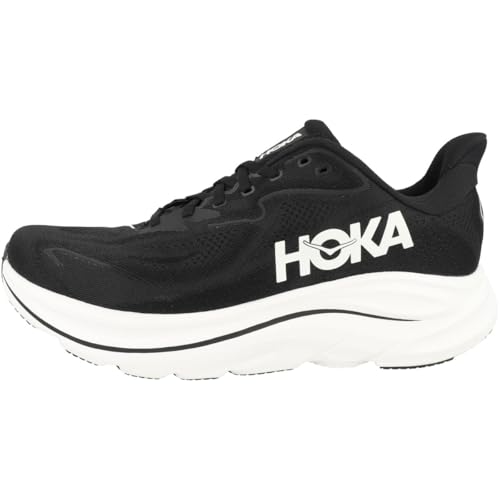
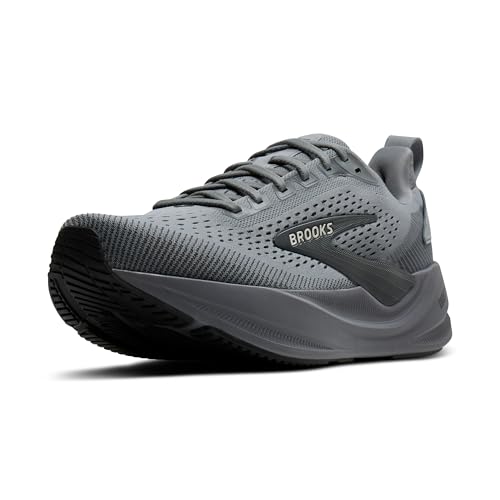
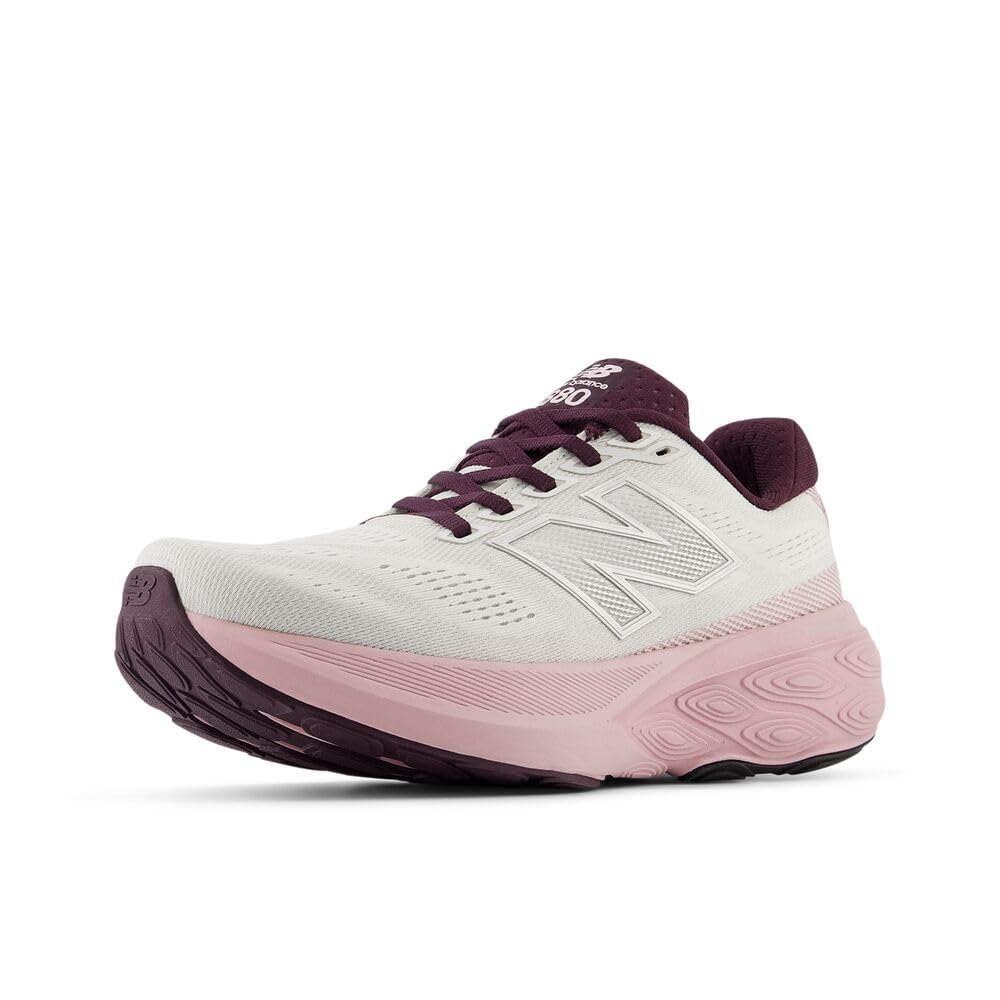
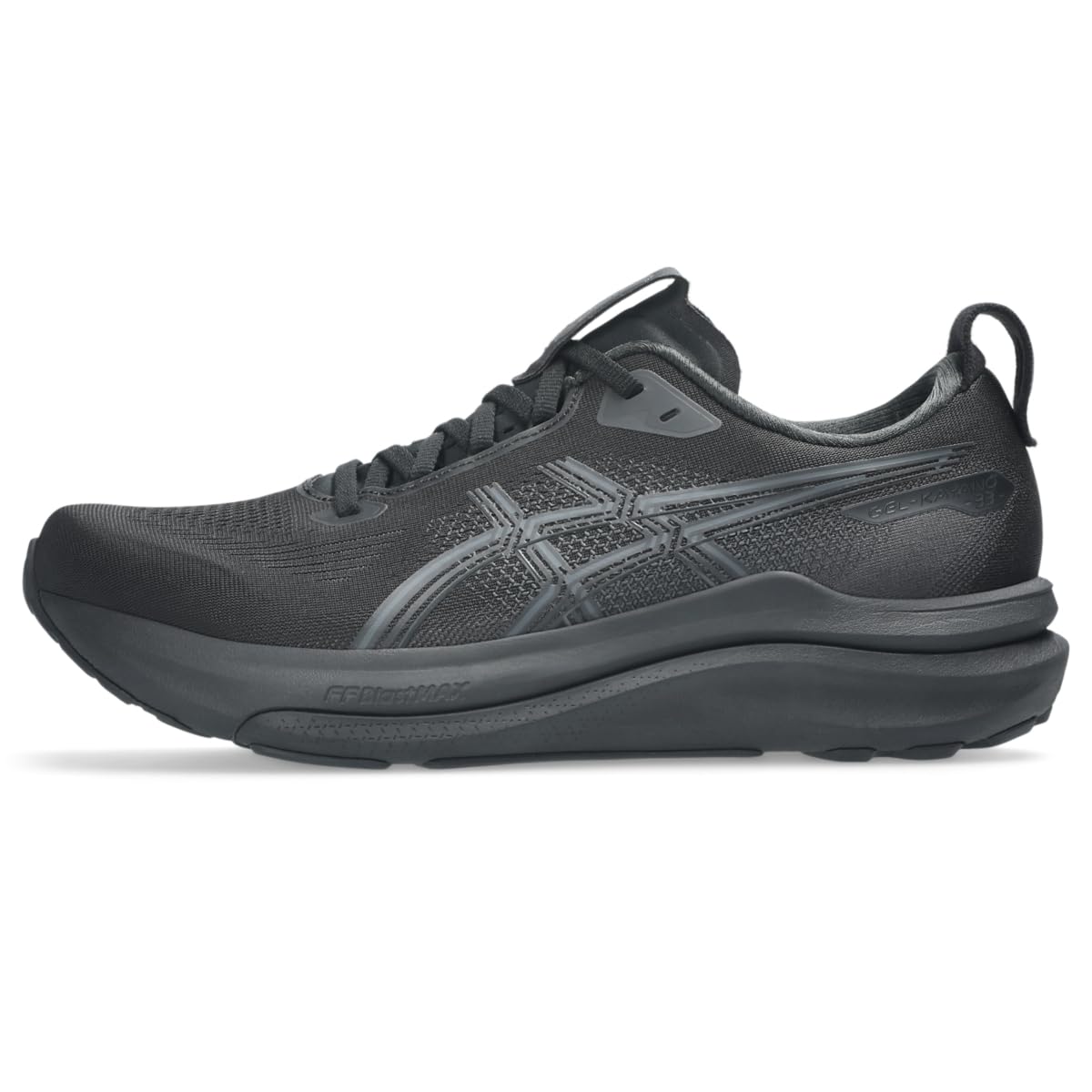
The product table lists cushioned, supportive walking and running shoes from several makers. This guide gives buying information only and does not diagnose or treat any condition.




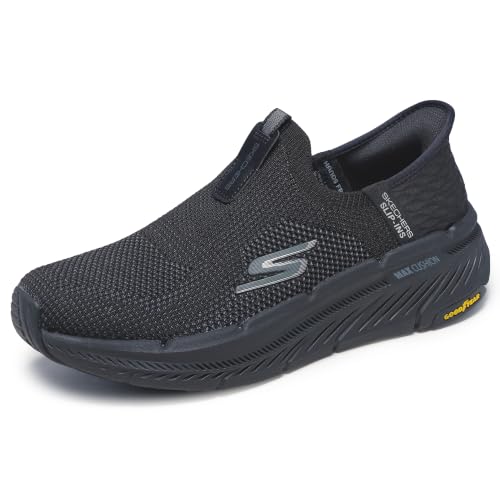
Who Is This Guide For?
People who stand or walk all day
Long shifts on hard floors reward a shoe with durable cushioning and a stable base. Look for even cushion that does not collapse by the afternoon, and rotate pairs so the foam can recover.
Walkers easing back into activity
Gentle, supportive shoes suit short walks that build up gradually. Start with short outings and add time as you feel comfortable, and follow professional guidance on how much activity is right for you.
People replacing worn shoes
After years in flattened shoes, a fresh, stable pair can feel noticeably different. Check your old shoes for uneven wear, which can show how you roll through each step and help a store assistant suggest the right support level.
Key Features Explained
Cushion and shock absorption
Midsole foam softens impact on hard floors. Even cushion matters more than maximum softness, since a very soft shoe can feel unstable. Test on a hard surface, not carpet.
Stability and a level base
A wide, flat base and a firm heel counter keep the stride steady. Stability models add guidance for feet that roll inward, while neutral models suit feet that stay aligned.
Heel drop
Heel drop is the height difference between heel and forefoot. A moderate drop, often around 8 to 12 mm, feels natural for many walkers, while lower drops ask more of the calves. Change gradually if you switch.
Fit and width
Measure in the afternoon, leave a thumb width in front of your longest toe and make sure the heel is held without slipping. A good fit prevents the small stride changes that come with discomfort.
Types Compared
| Type | Best For | Trade Off |
|---|---|---|
| Cushioned neutral shoes | Long walks, standing, even stride | Less guidance for feet that roll inward |
| Stability shoes | Feet that roll inward, worn inner heels | Firmer feel |
| Walking shoes with a firm heel | Daily walking and standing | Less bounce than running shoes |
Common Mistakes to Avoid
- Treating soft as supportive. A shoe that sinks can wobble your stride.
- Wearing worn out shoes. Replace them when the cushioning feels flat or one side wears faster.
- Skipping the hard floor test. Carpet hides weak cushioning.
- Expecting shoes to fix pain. They are one part of a wider plan.
For related reading, see our guides to the best athletic shoes for back pain, the best women's athletic shoes for lower back pain, the best men's athletic shoes for lower back pain and the best walking shoes for lower back pain.
When to Talk With a Clinician
Seek prompt medical care for back pain with leg weakness, numbness in the legs or groin area, loss of bladder or bowel control, fever, or pain after a fall or injury. Talk with a clinician if pain lasts more than a few weeks, wakes you at night or keeps returning. No shoe replaces medical advice for persistent or severe pain.
Frequently Asked Questions
Can shoes help lower back pain?
They can make walking and standing feel more comfortable by cushioning impact and keeping your stride steady. They cannot treat the cause of pain, so persistent pain still needs assessment.
Should I choose soft or firm shoes?
Most people do best with a balanced shoe that cushions without collapsing. Test both on a hard floor and pick the pair that keeps your stride smooth.
Do I need insoles?
Some people like them for extra arch support. Choose a shoe with a removable insole, and ask a clinician or foot specialist if you have ongoing foot pain.
How often should I replace shoes?
Replace them when the cushioning feels flat, the heel counter bends easily or the wear is uneven, often every few hundred miles or every six to twelve months of daily wear.
What else helps?
Gentle regular movement, breaks from long sitting and a plan from your clinician all matter. Build activity gradually.
Final Thoughts
Look for even cushioning, a stable base and a comfortable fit, and test shoes on a real walk. Compare options in the product table above, and the best athletic shoes for lower back pain will make long days feel easier. Talk with your clinician if pain persists or changes.


