Best Boots for Back Pain in 2026: Matching the Right Boot to Your Routine
Disclosure: We may earn a commission when you buy through links on this page, at no extra cost to you. As an Amazon Associate I earn from qualifying purchases. Learn more

The best boots for back pain depend on your routine: compare cushioning, heel geometry and fit for standing jobs, wet work and long shifts.
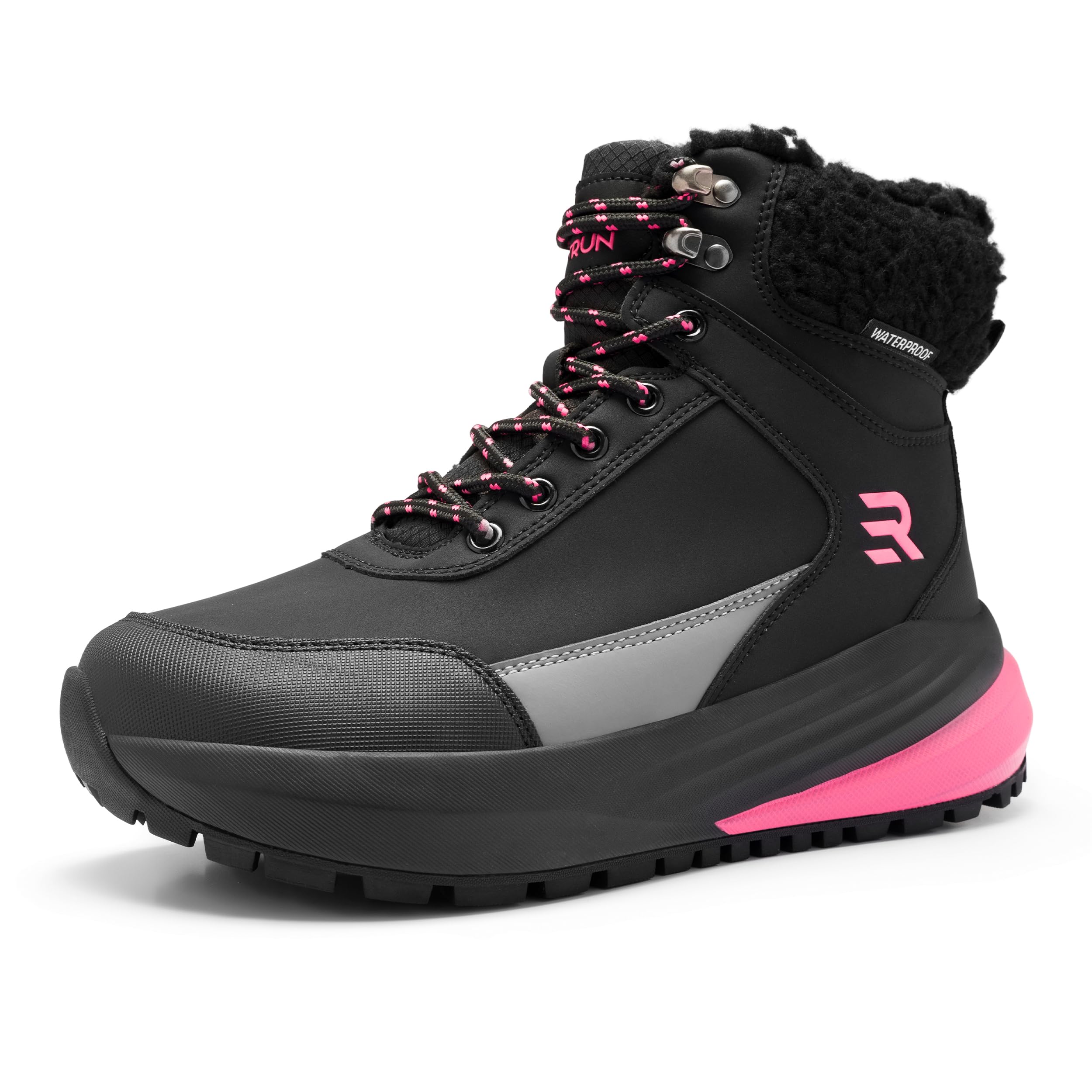
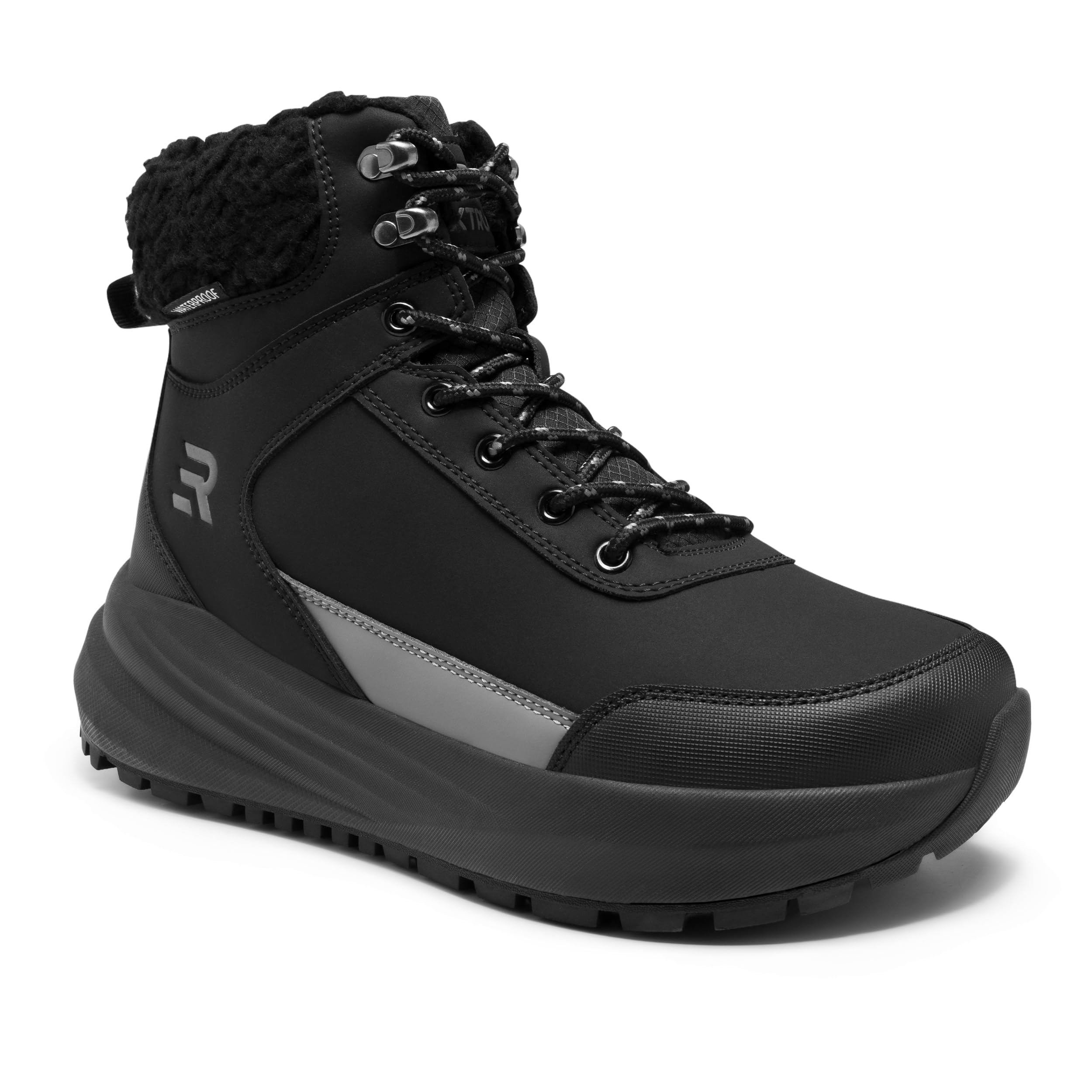
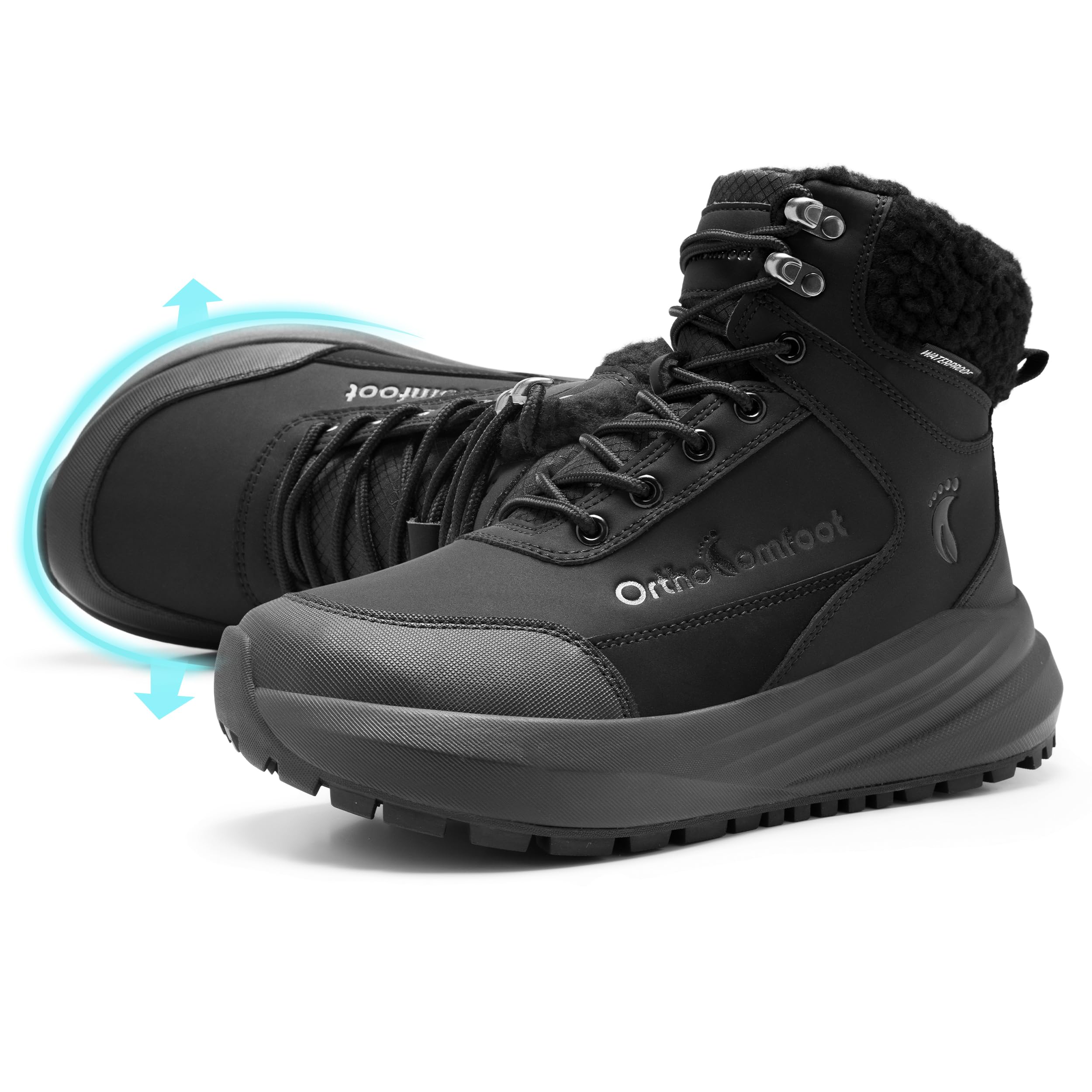
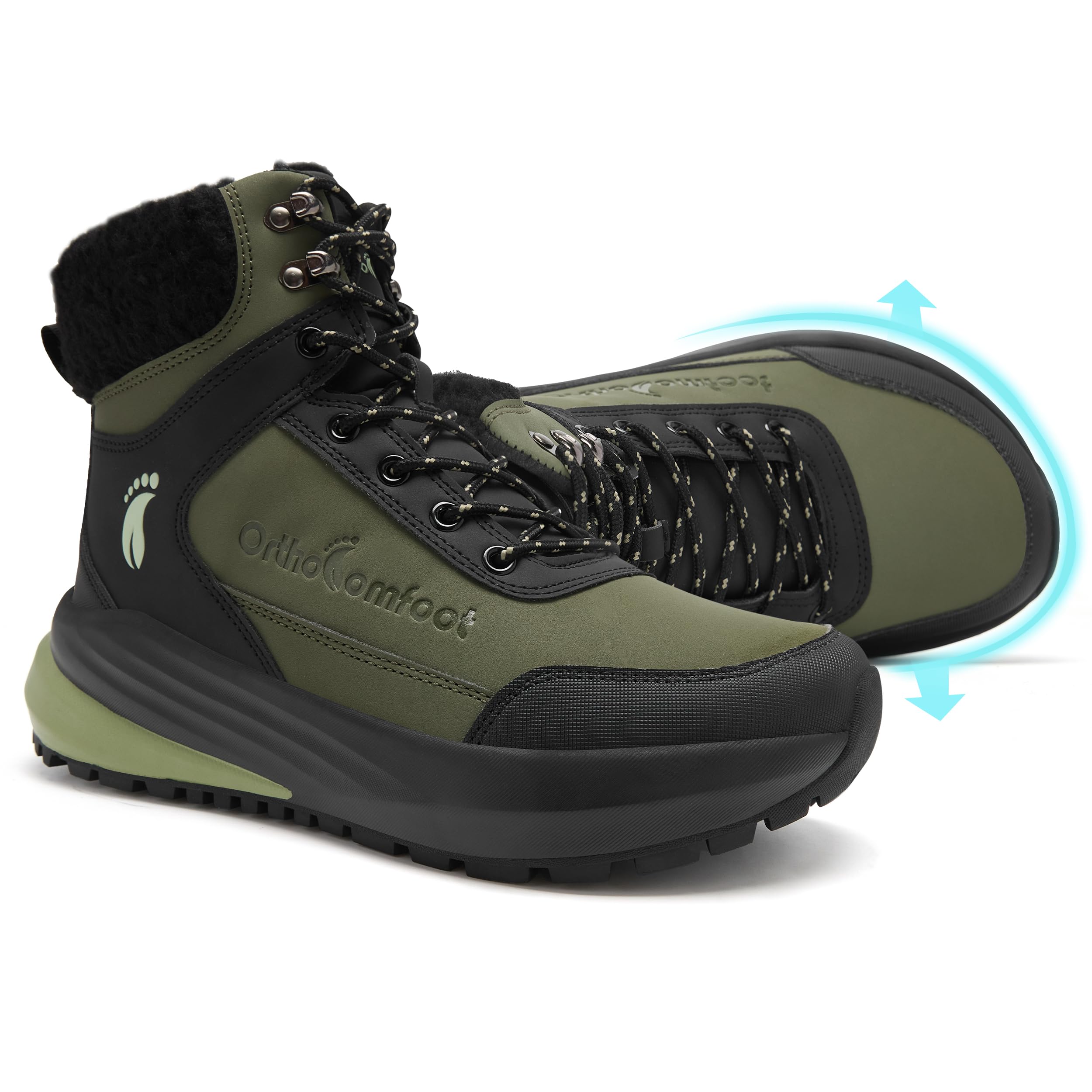
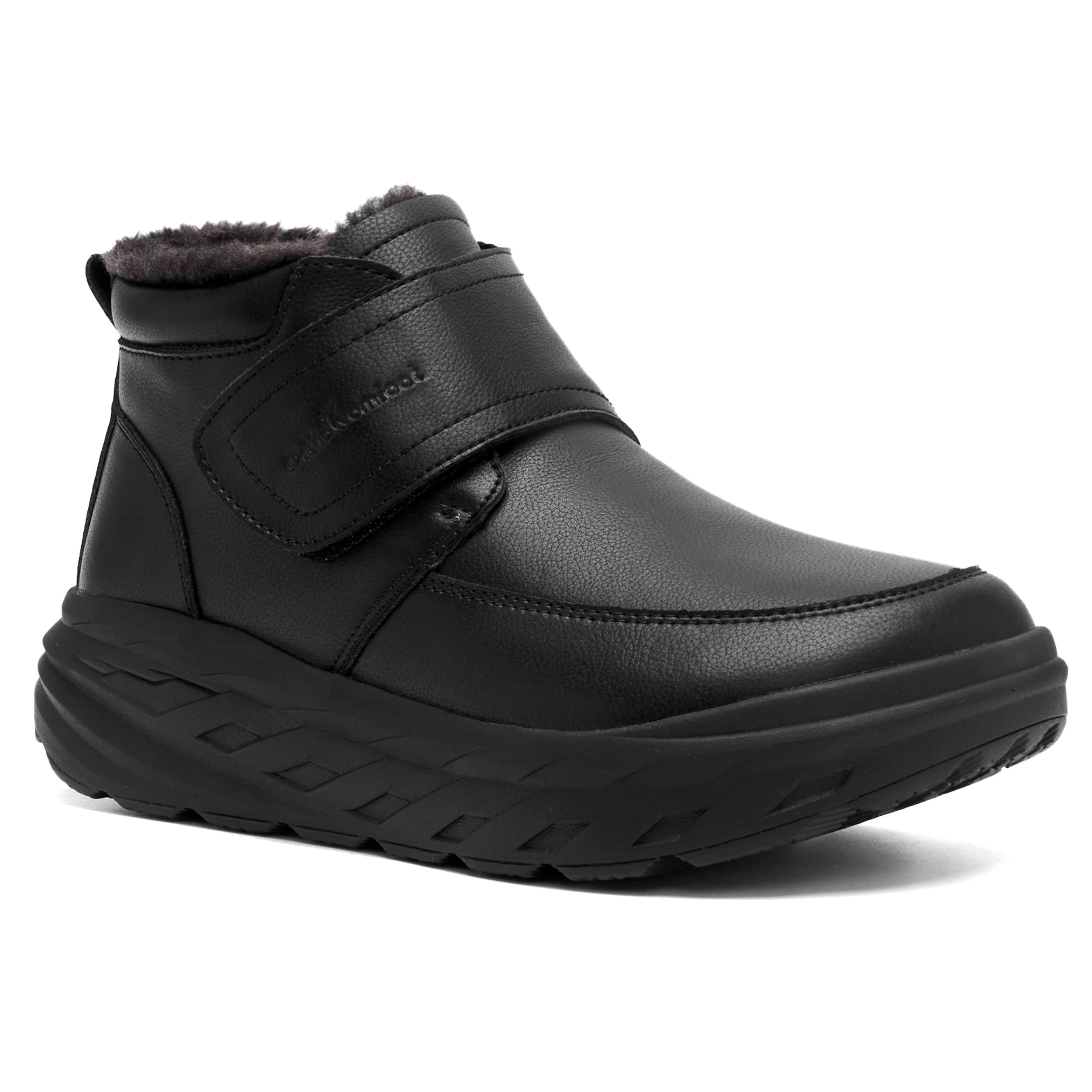
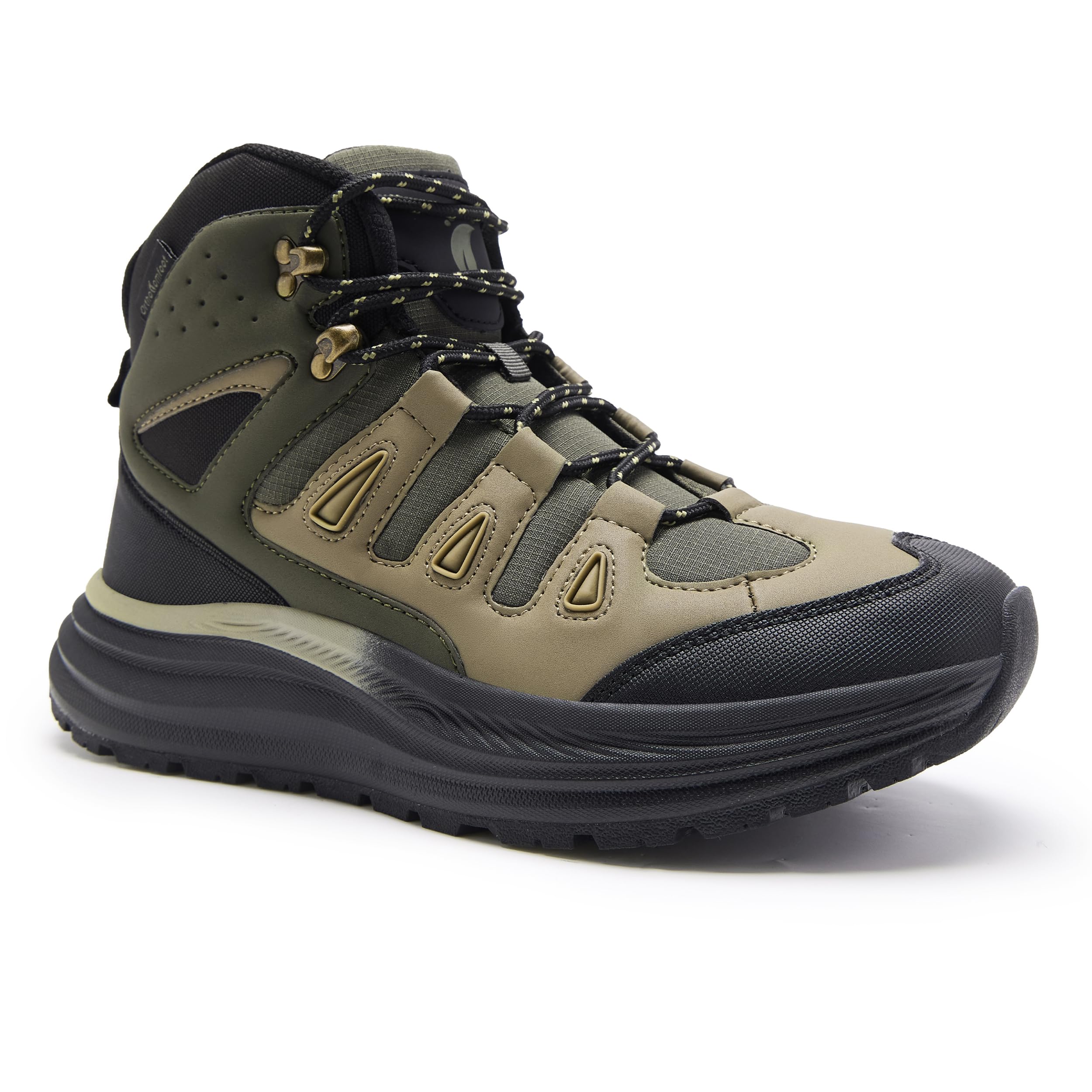
There is no single boot that suits every back, because the routine matters as much as the footwear. A boot that feels fine for a short shift can leave you aching after ten hours on concrete, while a heavily cushioned pair may feel unstable on uneven ground. This guide matches the best boots for back pain to the way you actually spend your day. The product table shows how the main boot options line up.
Keep the framing honest from the start. Everything here stays at the level of comfort: how a boot feels during and after a day of wear. No boot treats, fixes, or corrects a back, and any product that promises relief from a medical condition is making a claim footwear cannot support. A careful choice can make long hours feel easier on your feet and legs. That is the whole promise, and it is enough to shop on.

A Necessary Word About Back Pain
Boots are comfort equipment, not medical care. Back pain paired with numbness or weakness in a leg, pain that follows a fall or an accident, pain that keeps worsening week by week, or pain alongside fever or unexplained weight loss belongs to a clinician, not a shoe store. A clinician can also tell you whether an insert, a brace, or treatment matters more for you than footwear. Read the rest of this guide only after that line is clear: if your symptoms match anything above, book the appointment before you shop.
The rest of your day shapes your comfort too, in the same honest framing. The guide to best sofas for back pain covers seating as comfortable rest at home, nothing more. The guide to best pillows for back pain treats pillow choice as a comfort choice for the night, not a cure.
The guide to best slippers for back pain looks at indoor footwear as comfort for short distances on flat floors. The guide to best sandals for back pain weighs open footwear in the same comfort terms.
Who Should Buy Which Boots?
For Standing and Walking Jobs
Nurses, retail staff, and warehouse workers spend the day on hard floors, moving in short bursts. Your priority is a cushioned midsole that still feels stable, a mild rocker shape that helps you roll through each step, and a fit that stays comfortable as feet swell. Runners of long shifts often do best with work boot classes, and the guide to best work boots for back pain covers those duty focused options in the same comfort framing used here.
For Outdoor Work in Wet Weather
Grounds crews, farmers, and site workers need waterproofing, ankle coverage, and a sole that grips mud and wet pavement. Weight matters more for this group, because a heavy boot adds effort to every step across a long day. Look for a membrane boot with a moderate heel and a wide enough toe box for thick socks. Accept that waterproof classes breathe less, and plan a second pair to rotate while the first dries.
For Long Days on Concrete
Factory and kitchen workers stand more than they walk, often in one spot. For standing, a very soft sole can feel tiring because your muscles work to keep you balanced, so a firm base with a cushioned top layer is the better comfort read. A modest heel, roughly level with the forefoot, keeps your stance neutral.
For Light Duty and Short Shifts
If your boot time is a few hours of errands, dog walking, or a short commute, you have the widest choice. A lighter boot with moderate cushioning is plenty, and you can favour fit and easy entry over heavy duty construction. The product table groups these lighter options alongside the work boots.
Key Features to Compare
Cushioning and Heel Geometry
Cushioning and heel shape are fit and comfort facts, never treatment facts. A midsole that absorbs step impact can make hard floors feel less harsh, and a small heel lift changes the angle your ankle works at, which some wearers find more comfortable over a long day. Others prefer a nearly level sole. Neither choice corrects anything in your back.
Treat these features as personal comfort tuning: try both geometries, walk a full shift in each if returns allow, and keep the one your body votes for.
Fit, Sizing, and Toe Box
Fit decides more comfort than any feature list. Measure your feet late in the day, wear your work socks, and leave a thumb width of room in front of your longest toe. A toe box wide enough for your toes to lie flat stops the squeezing that changes how you walk, and a changed gait is a common comfort complaint by evening. If one foot is larger, fit the larger one and pad the smaller with a thicker insole.
Upper Materials and Breathability
Leather uppers mould to your foot over time and suit dry work, while mesh panels breathe far better in warm buildings and summer heat. A hot foot swells, and a swollen foot changes the fit you bought, so breathability is a comfort feature, not a luxury. Knit uppers stretch for wide feet but offer little protection on site.
Waterproofing and Membranes
A waterproof membrane keeps rain and puddles out up to the height of the boot opening, and no further. It also holds warmth in, which helps winter work and hurts in summer. If your routine is dry and indoors, skip the membrane and take the lighter, cooler boot. If you work outside in wet months, the membrane is worth its cost, provided you dry the boots slowly after each shift so the lining lasts.
Features That Matter for Back Pain
The comfort case for a boot rests on a short list: a midsole that does not pack flat within weeks, a heel height you have checked across a full shift, a stable base that does not wobble, and a fit that holds the heel without squeezing the toes. Replaceable insoles matter because they let you refresh the cushioning without replacing the boot. Anything beyond that list, including claims about posture correction, sits outside what footwear can honestly offer.
What the Price Bands Buy
Entry boots cost about $60 to $120 and suit light duty and short shifts, with simpler foam midsoles that lose their spring sooner. Midrange boots cost about $120 to $200 and bring better cushioning compounds, replaceable insoles, and membranes that last. Premium boots cost about $200 to $320, adding tougher uppers, longer warranties, and fit ranges with wide and narrow options. For all day standing work, the midrange band is where comfort per dollar usually peaks, so the best boots for back pain comfort do not have to come from the top band.
Common Mistakes to Avoid When Buying Boots
- Buying on a treatment claim: a boot can feel comfortable, and that is all it can do.
- Judging fit in the morning, then suffering swollen feet by the end of a shift.
- Choosing the softest sole for standing work, where a stable base often feels better.
- Ignoring the return window instead of trying the boots across a full workday.
- Keeping one pair for every routine, from concrete floors to muddy fields.
Care and Maintenance Tips
Rotate two pairs if you wear boots daily, giving each a full day to dry and let the midsole recover its shape. Air dry wet boots away from direct heat, which cracks leather and warps foam. Brush off mud before it dries hard, and treat leather with conditioner when it starts to look pale. Replace the insoles when they feel flat, and retire the boots when the tread is smooth or the midsole stays compressed after a rest day.
Boots for Back Pain: Your Questions Answered
What features matter most in boots for back pain?
Cushioning that lasts, a heel geometry you find comfortable, and a correct fit matter most, in that order. A stable base and replaceable insoles follow close behind. Keep the check simple and honest: wear the boots through your longest normal day and judge only how you feel at the end of it. If a feature list mentions medical outcomes, discount it, because comfort over your real routine is the only measure that counts here.
Do waterproof boots feel different from regular boots?
Yes, a membrane boot usually feels warmer and slightly stiffer than an unlined boot of the same class. The lining adds a layer between your foot and the upper, which can soften how the boot flexes. For wet outdoor routines that trade is worth it.
For dry indoor work it is not, and you will feel the extra heat by midday. Choose by your wettest normal week, not by the single worst storm you remember.
How should boots fit for long days on my feet?
Boots should hold the heel firmly, leave room for toes to spread, and never press on the top of the foot. Fit them in the afternoon with your work socks on, and walk, climb a step, and crouch before deciding. A small amount of heel movement in a stiff new boot is normal and fades as the sole breaks in. Pain, numb toes, or hot spots are not normal, and no break in period fixes them.
Are expensive boots worth it for everyday wear?
They can be, if your routine is long hours on hard floors, because premium cushioning holds its shape longer and fit ranges widen. The value shows up in month six, not on day one. For short shifts and light use, a midrange boot delivers nearly the same comfort for much less. Spend where your hours are.
How often should I replace my boots?
Replace them when the midsole feels flat and stays flat after a rest day, or when the tread no longer grips your usual surfaces. For daily wearers that point often arrives after about a year to eighteen months of shifts, and sooner on rough ground. Rotating two pairs stretches the calendar life of both. If comfort fades quickly in a new pair, suspect the fit or the geometry rather than the brand, and change one of those first.
Wrapping Up
Match the boot to your routine, check the fit across a full day, and keep every expectation at the level of comfort. Cushioning, heel geometry, and fit are the three levers you control, and the product table shows how the options differ. Chosen that way, the best boots for back pain are simply the pair that lets your longest day end with the least complaint from your feet and legs, and that is a result worth shopping for carefully.