Best Boots for Wide Feet and Calves: A Buying Guide for 2026
Disclosure: We may earn a commission when you buy through links on this page, at no extra cost to you. As an Amazon Associate I earn from qualifying purchases. Learn more

Compare boots for wide feet and calves by calf fit, toe box room, width sizes, support and closures, with measuring steps and care tips for lasting comfort.
A boot can match your foot length and still fail twice, squeezing your toes at the front and stopping halfway up your calf. The best boots for wide feet and calves solve both problems, with real width in the forefoot and a shaft that closes without a fight. Use the comparison table below to check your numbers against each style.
Start with your own measurements, not the size you usually wear. Calf size changes with socks and time of day, and foot width matters just as much as length.


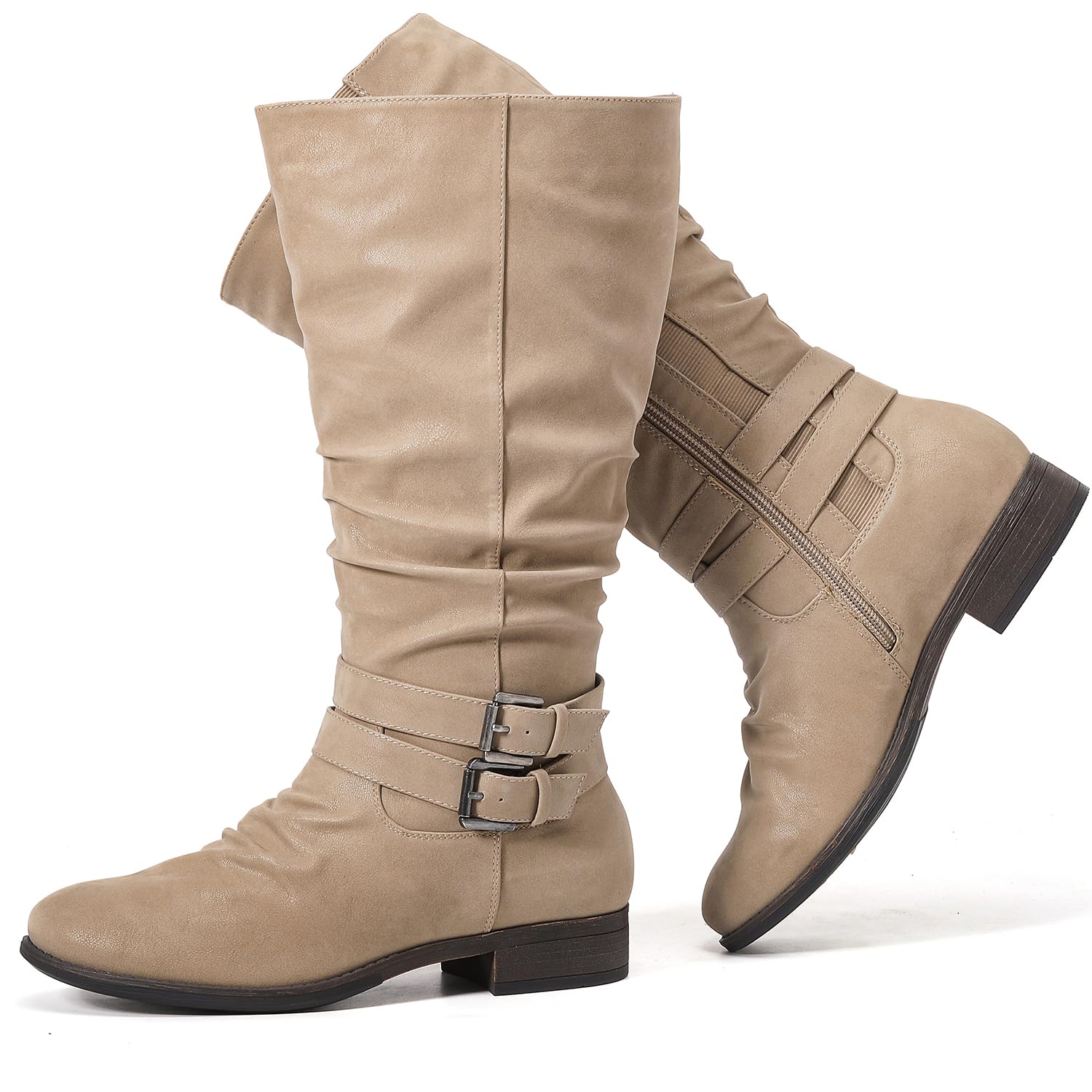
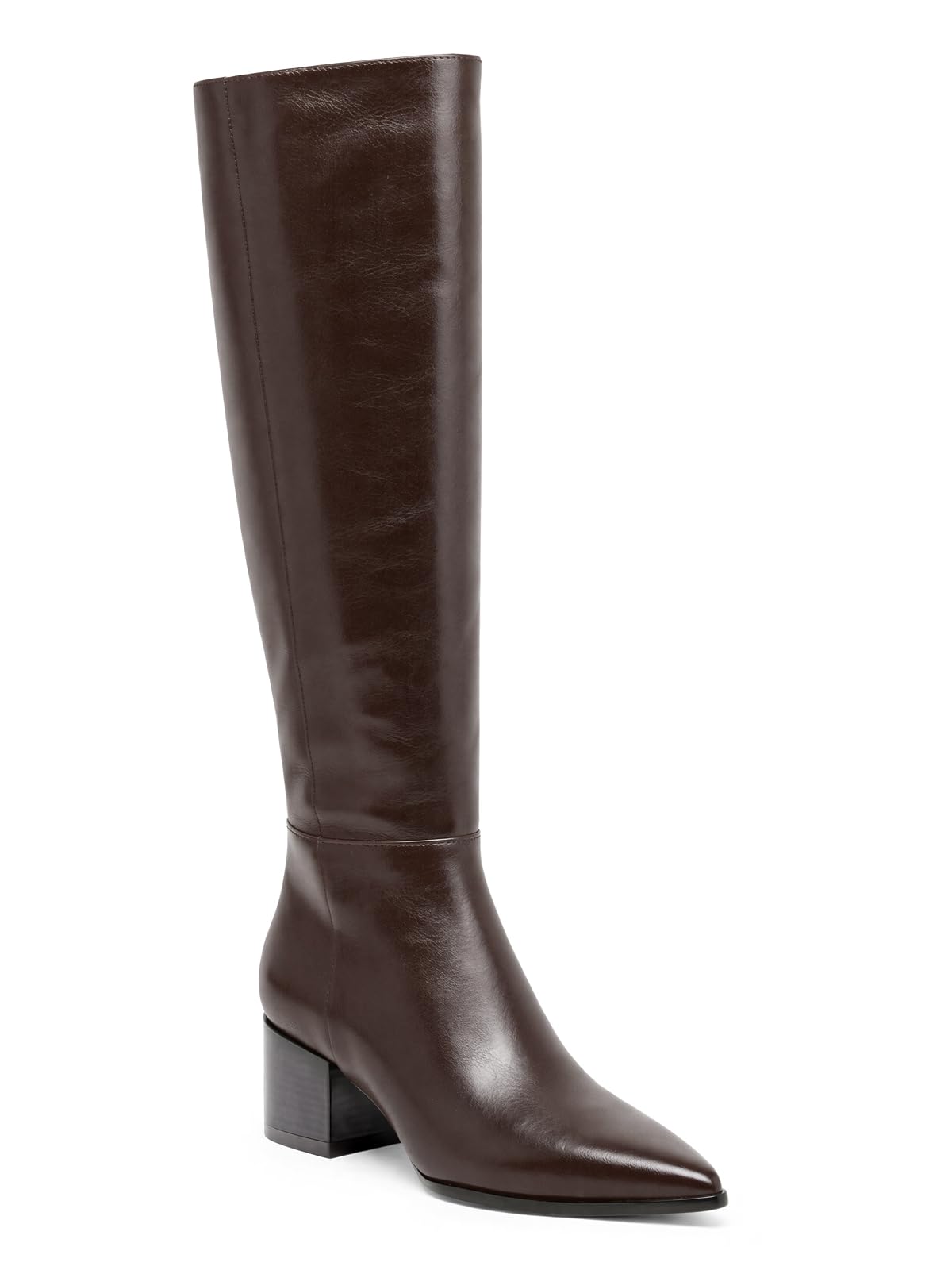
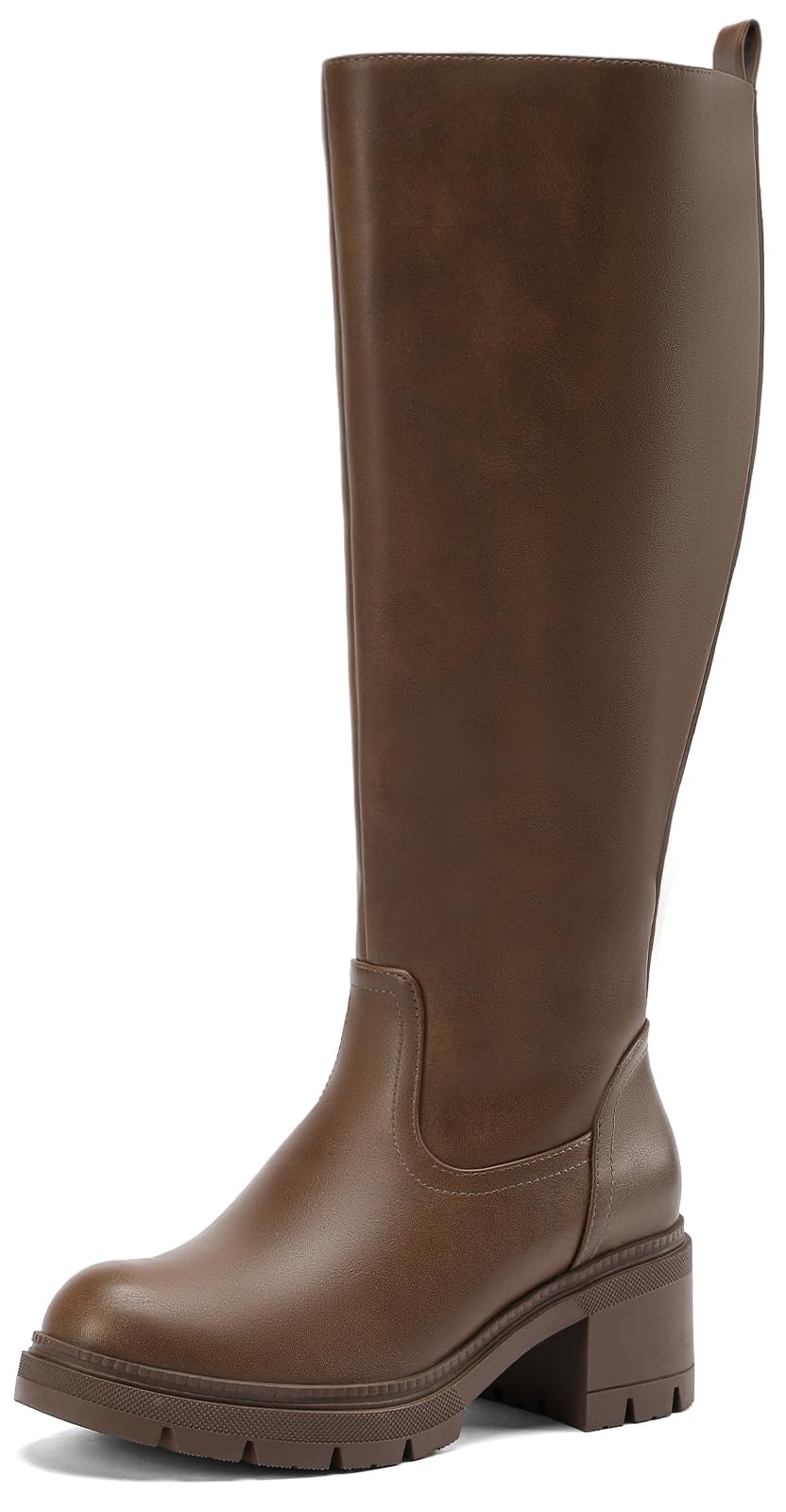


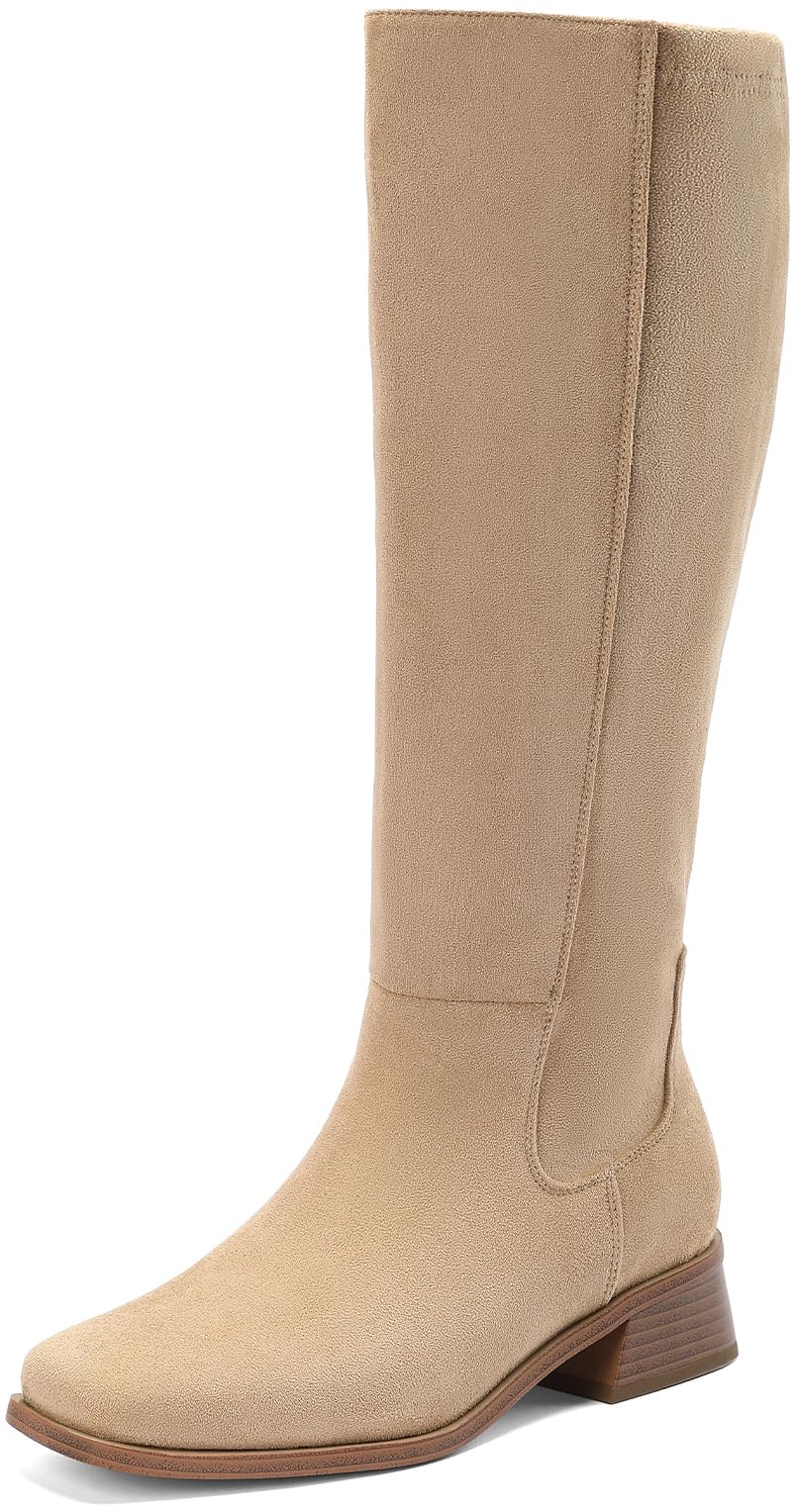
Who Should Buy Which Boots for Wide Feet and Calves?
Your routine decides the shaft height and support you need.
Daily Wearers Who Need Tall Boots That Close
You want knee high or mid calf boots for work and errands, but standard shafts cut in or will not zip. Look for a stated calf circumference above your measurement, plus a stretch panel, adjustable buckle or full length zipper. A wide forefoot matters too, because a tall shaft on a narrow last still pinches your toes.
Walkers and Hikers With Wide Forefeet
You cover distance on pavement or trails, and your feet spread under load as the day goes on. Choose a wide last with a roomy toe box, a stable outsole and firm ankle support. Check that laces let you loosen the top over a wide calf without losing the heel hold you need on uneven ground.
Workers on Their Feet for Long Shifts
You stand for hours, and swelling by late shift makes a morning fit feel tight. Choose true wide width sizing, strong arch support and a cushioned midsole, and leave extra calf room for end of day swelling. A closure you can adjust mid shift helps more than a fixed elastic panel.
Key Features to Compare
Compare the best boots for wide feet and calves on these factors in order, because a boot that fails on calf fit or toe room will not become comfortable later.
Calf Circumference, Shaft Height and Fit System
Calf circumference is your leg at its widest point, and shaft height decides where that measurement lands. A tall boot needs more room at the top than a short boot ending below the calf muscle. Look for published circumference numbers for your size, and favor stretch panels, adjustable straps or lace up shafts that let you fine tune the close. A shaft that gaps slightly is fine, while one that digs in will only worsen with thicker socks.
Toe Box Shape and True Width Sizing
A wide label means little if the toe box still tapers to a point. Look for a rounded forefoot that lets your toes lie flat and spread as you step, with no pressure on the small toe. True width grades change the whole last, while a longer size only adds length and heel slip.
Closures That Adjust at the Calf and Ankle
Laces give the most control, because you can keep the ankle snug while leaving the shaft looser over your calf. A side zipper speeds entry but offers no adjustment alone, so pair it with a stretch panel or buckle. Pull on styles suit small calf differences only, because nothing gives as your leg swells.
Arch Support and Cushioning for Wide Forefeet
Wide feet often roll inward as they tire, so steady arch support and a firm heel counter help keep your stride aligned. Cushioning should protect you on hard ground without letting your foot wobble. Heel to toe drop in most everyday and hiking boots runs about 8 to 12 mm, which suits most walkers. If you have persistent foot pain, numbness, open sores or sudden swelling in a leg, talk with your clinician about your personal needs before you buy.
Upper Materials, Breathability and Weather Protection
Full grain leather stretches a little over your forefoot and calf and lasts for years, but it needs a break in period and regular conditioning. Suede and fabric panels feel softer sooner, though they mark more easily. Textile linings feel more breathable in warm weather, while a waterproof membrane such as Gore Tex keeps rain out and adds warmth. Choose waterproofing for wet commutes and winter, and a breathable unlined upper for dry indoor wear.
Outsole Traction, Stability and Boot Weight
Deep outsole lugs grip mud and snow but feel clunky on smooth floors, while flatter rubber suits city and indoor use. A broad base under the forefoot adds stability for wide feet, because your weight spreads over more rubber. Heavier protective boots support you better outdoors but tire your legs, so match weight to your longest planned walk.
How to Measure Your Feet and Calves for Boots
Measure both feet and both calves late in the day, while standing, in the socks you plan to wear most. Trace each foot on paper, then record length and width across the ball. Wrap a soft tape around your widest calf point without pulling it tight, and note the height from the floor to that point.
Compare all numbers with the chart for the exact style, because shaft circumference grows with foot size in some lines and stays fixed in others. At home, check that your heel stays seated and the shaft closes without forcing the zipper.
Boot Types for Wide Feet and Wide Calves Compared
Hiking and Trail Boots With Wide Lasts
These boots pair a wide fit with ankle support and grippy soles for paths and travel, and most end below the calf, so forefoot fit matters most. For trail focused options, see our guide to the best hiking boots for wide feet.
Winter and Snow Boots With Room for Thick Socks
Winter boots add insulation and taller shafts, so calf room and sock thickness decide the size as much as foot length does. Look for wide shafts and removable liners. For deeper snow, see our guide to the best winter boots for wide feet and calves.
Tall Everyday Boots With Wide Shafts
Tall boots are the hardest fit, because the shaft must match your calf at its widest point while the foot still holds your heel. Stretch backs and adjustable buckles help most here. For lower styles, see our guide to the best boots for wide feet.
Ski Boots With Wide Shells for Wide Calves
Ski boots use stiff shells that a specialist adjusts to your foot and calf, so treat them as a separate fitting. Skiers can see our guide to the best ski boots for wide feet and calves and our guide to the best ski boots for wide feet and big calves.
Common Mistakes to Avoid
- Buying a longer size to gain width adds heel slip without fixing forefoot pressure.
- Measuring your calf in the morning leads to a shaft that will not close by evening.
- Forcing a zipper over your calf strains the teeth and can split the seam beside it.
- Judging fit with thin socks leaves no room for the thick socks you wear in cold weather.
- Ignoring shaft height means the boot top may land below your widest calf point and dig in.
- Keeping boots that numb your toes risks blisters and a painful stride on every walk.
Care and Maintenance for Wide Fit Boots
Loosen laces fully and open shafts wide after each wear so air reaches the lining and tall shafts keep their shape. Air dry wet boots at room temperature away from direct heat, with insoles removed.
- Brush dirt from uppers and outsoles after outdoor use so grit does not grind into seams.
- Condition leather when it looks dry, and renew water repellent treatment on suede as directed.
- Rotate two pairs during heavy use weeks so cushioning and linings recover between wear days.
- Clear grit from zipper tracks monthly before it jams the slider.
- Repair a worn outsole before the tread wears smooth, because slips strain ankles and calves.
FAQ
How much extra calf room should boots for wide feet and calves have?
Boots for wide feet and calves should close over your measured calf with about half an inch to one inch of ease for socks and movement. That ease lets you sit and climb stairs without the top edge pressing in. If a stretch panel lies stretched flat at rest, it has no give left for swelling.
Can a tight boot shaft for wide calves be stretched?
Yes, a leather shaft that feels slightly tight can often be eased by a cobbler or with a shaft stretcher used slowly over several days. Gains are modest, usually a fraction of an inch, and fabric shafts gain far less. A shaft that will not close at all is simply the wrong size.
Should boots for wide feet and calves be ordered a size up?
No, order your measured length in a true wide width rather than a longer standard size. Sizing up moves the flex point ahead of your toes and lets your heel lift, which causes friction blisters. Heavy winter socks are the one exception where some brands advise a half size more, so follow that style chart.
Are lace up boots better than zip boots for wide calves?
Lace up boots give more control, because you can tension each shaft section to match your leg shape. Zip boots win on speed, and better wide calf designs add a stretch panel beside the zipper to recover some adjustment. If your calf size changes a lot during the day, laces or a buckle will serve you better.
How long do boots for wide feet and calves take to break in?
Most leather boots for wide feet and calves soften noticeably after about 10 to 20 hours of wear spread over short outings. Start with indoor wear, then short walks, and check for hot spots each time. A correct wide fit should never hurt sharply, so lasting pain points to a fit problem rather than a stage to push through.
Final Thoughts
Measure first, then judge every boot on calf circumference, toe box room and an adjustable closure before color or price. Use the product table above to compare shaft numbers and width grades side by side.
When you shop for best boots for wide feet and calves with your own numbers in hand, the right pair stops feeling like a compromise. You get a shaft that closes, toes that spread, and lasting support.