
Best Boots for Weed Eating for 2026: Matching the Right Boot to Your Routine
Disclosure: We may earn a commission when you buy through links on this page, at no extra cost to you. As an Amazon Associate I earn from qualifying purchases. Learn more

Find boots for weed eating that handle flying debris, wet grass and uneven ground, with clear guidance on shaft height, traction, fit and waterproofing.
There is no single boot that suits every yard and every trimming routine. The best boots for weed eating for you depend on how much debris your trimmer throws, how wet your grass is and how long you stay on your feet. A short session on flat lawn asks far less than an hour along ditches, fence lines and gravel edges.
This guide works from your routine first, then matches shaft height, traction, fit and water protection to it. Use the comparison table below to compare styles once you know which features matter most for your ground.




Who Needs Which Boots for Trimming Work?
Start with the work you do most often, not the tallest or toughest boot on the page.
For Frequent or Serious Users
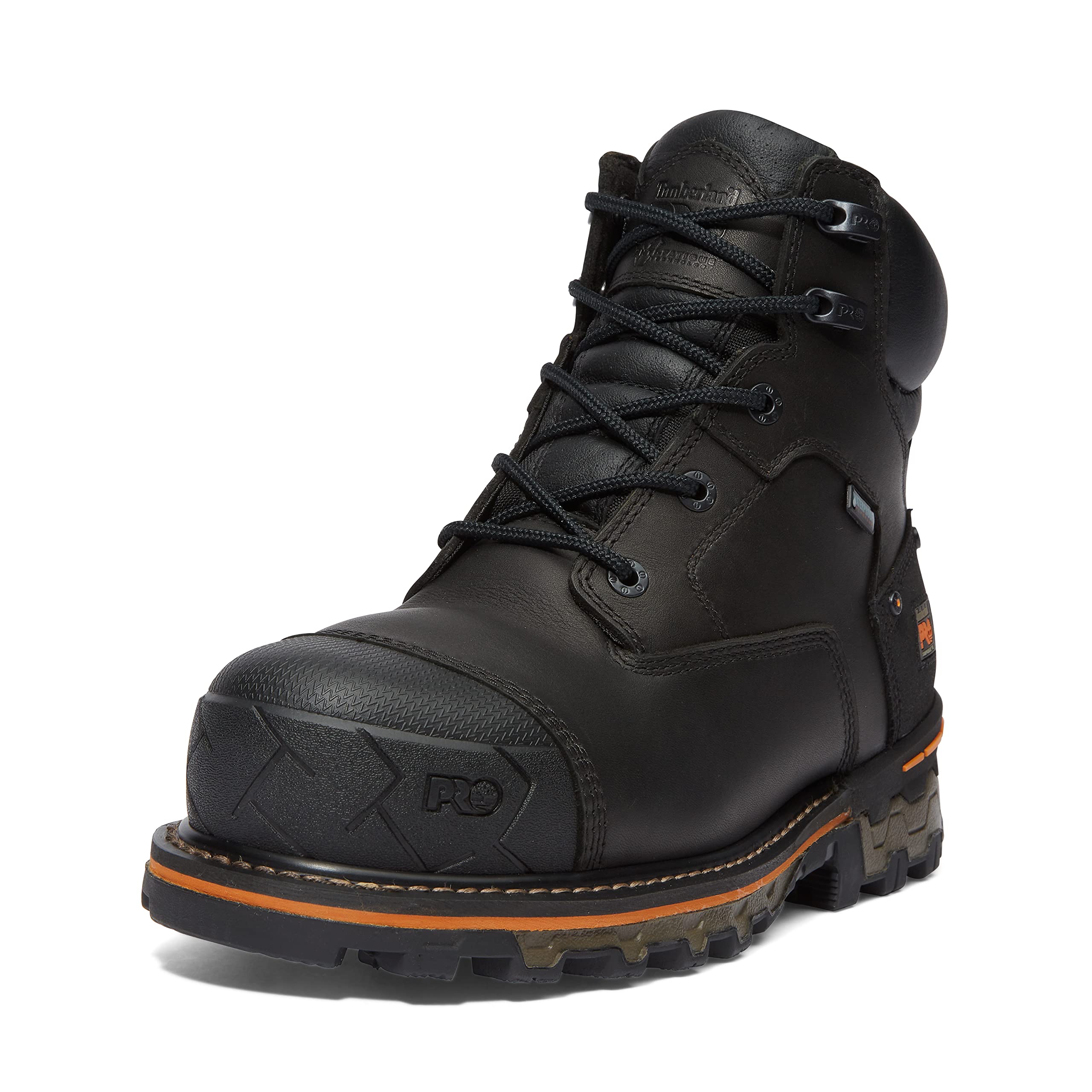
If you trim large lots or several yards in a row, prioritize a durable leather or tough synthetic upper, strong ankle support and a sole that resists wear on gravel and pavement. You walk on mixed ground for long stretches, so cushioning under the heel and forefoot matters more than saving a little weight. Replaceable insoles and sturdy stitching help, since liners and laces wear out first.
For Small Yards and Short Sessions
A compact yard with fifteen to thirty minutes of edging does not need the heaviest boot available. A lighter mid height boot with a flexible sole is easier to move in and less tiring on short jobs. You still need a closed toe and enough shaft to keep clippings and small stones off your skin, but you can trade some ruggedness for comfort and a lower price, often around $60 to $100.
For Bad Weather and Tough Conditions
Wet grass, muddy ditches and morning dew call for waterproof membranes, sealed seams and deep lugs that clear mud instead of packing smooth. A taller shaft keeps splash and clippings out in soaked edges, and a gusseted tongue stops water entering at the laces. If your routine includes spraying fence lines after you trim, see our guide to the best weed sprayers.
For Weekend Beginners
If you trim your own lawn once a week, start simple: a mid height boot, a roomy fit for thick socks and a sole with clear grip on wet paths. You do not need the stiffest support or the most aggressive tread, and a moderate price around $50 to $90 usually covers your needs well. Pick a style that feels secure on your first short session, since a comfortable boot is one you will actually wear every time.
Key Features to Compare
Waterproofing With Gore Tex and Membranes
A waterproof membrane blocks outside water while letting some sweat vapor escape, and Gore Tex is the best known version of this idea. You need it when you trim wet grass early, work after rain or step through shallow puddles. The trade off is warmth and slower drying, since a membrane boot holds heat more than an open mesh boot. If you trim mainly dry summer lawns, a water resistant treated upper may feel cooler and still shed light dew.
Shaft Height and Protection From Flying Debris
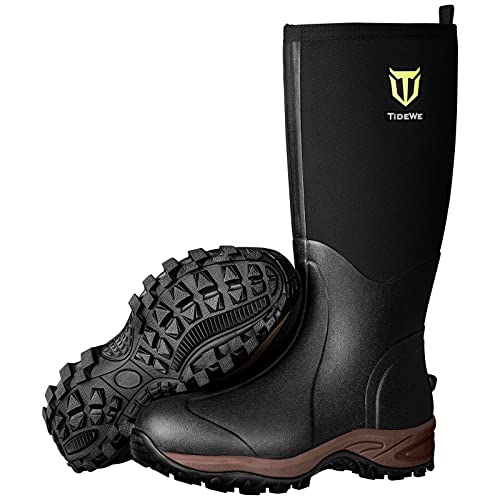
A string trimmer throws grass, grit and small stones sideways and upward, so shaft height most sets these boots apart from ordinary work boots. Ankle height boots leave skin exposed above the collar, while a shaft of about eight inches covers the lower shin where debris strikes most often. Look for a smooth, tough outer surface with no low vents or loose fabric loops, since clippings catch in openings and trimmer line can scuff soft mesh quickly.
Outsole Traction and Stability on Uneven Ground
Wet clippings on concrete and soft soil on a slope are both slippery, in different ways. A rubber outsole with deep, widely spaced lugs grips soil and sheds mud, while a flatter sole with fine tread feels steadier on pavement. Stability also comes from a firm heel counter and a sole that resists twisting on hidden edges or stones. If your yard has banks or ditches, weight traction and ankle support above soft cushioning.
Fit and Toe Room for Thick Socks and Long Yard Sessions
Measure and try boots late in the day, when your feet are at their largest, and wear the socks you plan to trim in. Your toes should move freely inside the toe box without sliding forward on a slope, and your heel should stay seated as you lift your foot. Most people need about a thumb width of space in front of the longest toe. If you fall between sizes, choose the larger size and adjust with sock thickness or an added insole.
Durability and Expected Lifespan
Trimming is hard on the front and inner side of a boot, where line fragments, stones and fence wire rub and strike. Full grain leather and dense synthetic panels resist that abrasion better than light mesh, and a rubber toe cap adds protection where wear starts first. With weekly home use, a well made pair often lasts several seasons. Retire it when lugs wear flat or the upper splits, since grip and coverage are its main jobs.
Choosing the Right Boot Style for Your Yard
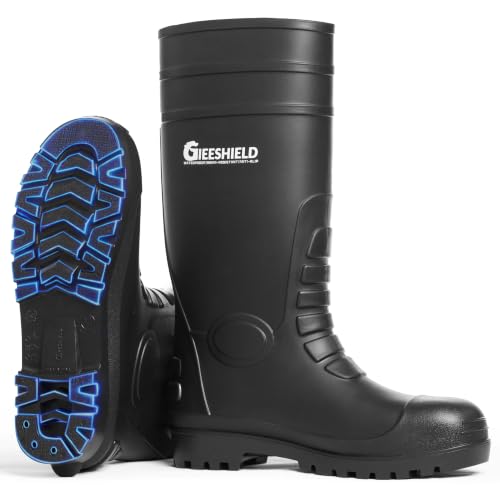
Boot styles fall into three broad groups, and your yard usually points to one of them. Low and mid height work boots suit flat, dry lawns where debris stays light. Tall work boots and Wellington style boots suit wet, overgrown or rough ground, because the higher shaft blocks more debris and the sealed lower section shrugs off mud and standing water. Wellington styles slip on without laces, but they offer less precise fit adjustment for narrow feet.
When you compare the best boots for weed eating, weigh heel to toe drop and cushioning. A modest drop keeps your stance close to level on slopes and helps you balance as you turn the trimmer along an edge. Thick, soft cushioning feels pleasant on pavement, yet it can feel unstable on soft soil, where a firmer midsole gives clearer footing. Match the style to your roughest regular section of yard.
Safety deserves one plain note. A closed, sturdy toe reduces injury from stones thrown by the trimmer, but no boot makes trimming risk free. Seek medical care promptly for a deep cut, bleeding that does not slow, or later signs such as spreading redness, warmth or swelling around a wound, and talk with your clinician about personal concerns.
Common Mistakes to Avoid
- Choosing a low shoe or open style for trimming, which leaves your ankles exposed to stones and grit from the line.
- Buying on price alone, which means thin uppers that scuff through quickly where debris strikes.
- Ignoring water protection for morning work, which leaves you trimming in soaked socks on wet grass.
- Sizing boots in the morning with thin socks, which leads to pinched toes once your feet swell.
- Picking smooth soles made for indoor work, which slip on wet clippings and muddy slopes.
- Skipping warranty and return terms, which matters most on pricier boots you expect to keep for years.
Cleaning and Care After Muddy Yard Work
Knock dried clippings and mud off your boots after each session, before debris hardens into seams and lace eyelets. Wash the uppers with a soft brush and mild soap when dirt builds up, then air dry them away from direct heat, since hot air can crack leather and weaken glues in the sole. Stuffing them loosely with newspaper helps draw out moisture overnight.
Check laces, eyelets and sole edges every few weeks, and replace worn laces before they snap mid job. Condition leather uppers a few times a season if the maker allows it, and store boots upright in a dry place. Rotating two pairs helps, because each pair dries fully between wet sessions.
Frequently Asked Questions
What features matter most in boots for weed eating?
Shaft coverage, traction and a closed sturdy toe matter most in boots for weed eating. Together they handle the three hazards of trimming: flying debris, slippery clippings and uneven ground. After those, match water protection to how wet your grass is. One extra check is weight, since a very heavy boot slows your steps on a long fence line.
How often should I replace boots for weed eating?
Replace boots for weed eating when the tread smooths out, the upper splits or the support feels loose. For most home users trimming weekly, that point often arrives after several seasons rather than on a fixed date. A simple test helps: if you slide on wet pavement you once crossed easily, the outsole has worn past its useful life, even when the upper still looks tidy.
How long is the break in period for boots for weed eating?
The break in period for boots for weed eating is usually two to four short sessions for leather styles, and often just one session for flexible synthetic styles. Wear new boots for edging and short paths first, not for your longest rough section. Small hot spots are normal early on and usually fade. Persistent rubbing at the same point after several outings signals a fit problem, not a boot that needs more time.
Do I need waterproof boots for weed eating?
You need waterproof boots for weed eating only if your grass is regularly wet when you trim. Morning dew, irrigated lawns and shaded damp corners soak a breathable untreated boot quickly, while dry afternoon grass rarely does. Consider timing as well: shifting your session to later in the day can make a lighter, cooler water resistant boot a sensible choice.
Are expensive boots worth it for weed eating?
Expensive boots are worth it for weed eating when you trim often, cover rough ground or need wide or narrow fits that budget lines rarely offer. Higher prices usually buy tougher uppers, better membranes and soles that keep their grip longer. If you trim a small flat lawn twice a month, a sound mid priced boot around $70 to $120 will usually serve you just as well.
Final Thoughts
Match the boot to your routine first: shaft height for debris, lugs for your ground and water protection for your usual trimming time. Fit comes next, checked late in the day with your work socks. Chosen that way, the best boots for weed eating become a simple part of your yard routine rather than a gamble. Look back at the product table above to compare styles that fit your yard and budget.


