Best Boots for Wide Feet Mens: The Buyer Checklist for 2026
Disclosure: We may earn a commission when you buy through links on this page, at no extra cost to you. As an Amazon Associate I earn from qualifying purchases. Learn more

Learn how to choose boots that truly fit wide feet, from toe box shape and width sizing to support, traction, and daily care, before you order a pair.
If your toes feel pinched by noon, the problem is rarely your feet. Most boots are built on a standard last that runs narrow through the forefoot, so men with wide feet end up sizing up for length and still get squeezed at the ball of the foot. This guide walks you through a simple checklist for finding best boots for wide feet mens shoppers can actually wear all day, and the comparison table below gathers current options that meet these standards.
You will learn how width sizing really works, why the toe box matters more than the size number, and which support and outsole details separate a comfortable boot from a costly mistake. No single boot suits every foot, so the goal is to match the checklist to your feet and your routine.
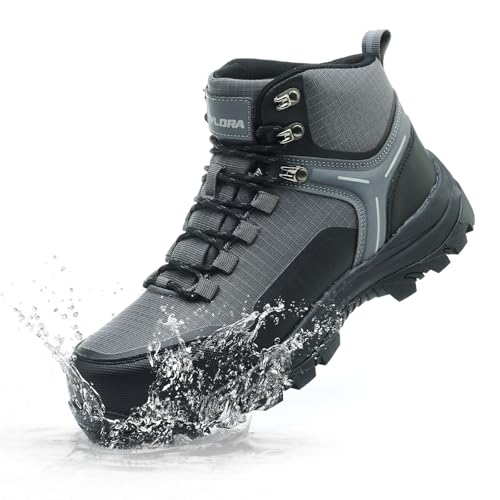


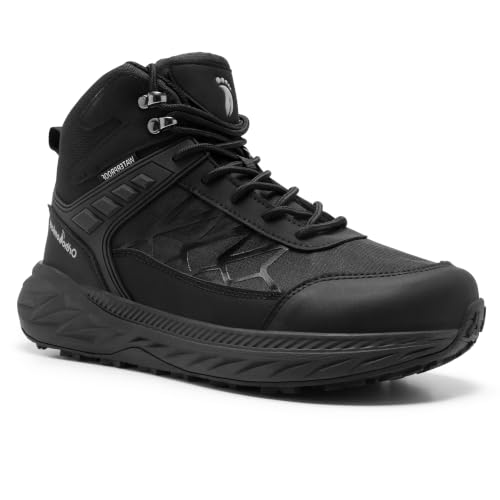


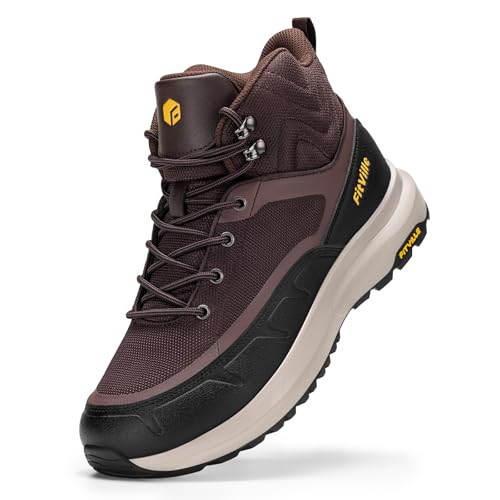

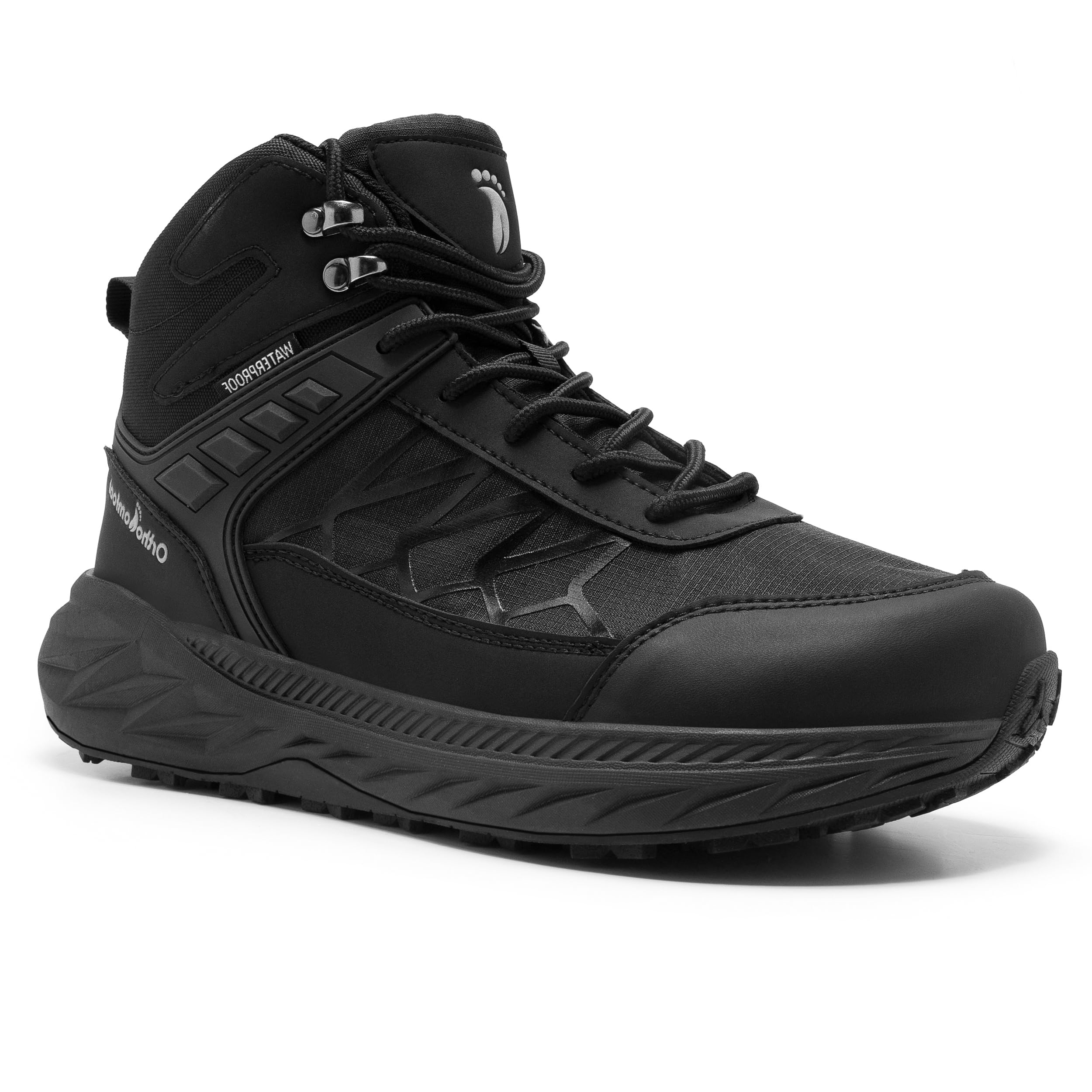
How to Evaluate Boots for Wide Feet
Think of boot shopping as a series of pass or fail checks rather than a hunt for one perfect model. A boot passes when its width, shape, support, and grip all suit your feet and the ground you cover. The points below explain what to check, what a good result looks like, and where marketing language tends to hide weak design.
What Men Should Look For First
Start with the width letter, because it tells you more than the size number alone. Standard mens boots are usually a D width, while wide versions come in EE or 2E, and extra wide in 4E. A true wide boot is built on a wider last, so the whole footbed gains room instead of just the upper stretching. Check the product details for an actual width option at checkout. If a listing only calls a boot roomy without offering a wide size, treat that claim with caution.
Features That Matter Most for Wide Feet
Wide feet spread under load, so the boot must give that spread somewhere to go. Look for a rounded or anatomical toe box shape rather than a tapered point, soft or flexible material across the forefoot, and lacing that lets you loosen the front while keeping the heel locked. A removable insole is also valuable because it lets you swap in your own support or gain a little extra depth. Stiff stitching or decorative seams across the toes are warning signs, since they press on the widest part of the foot with every step.
Fit, Sizing, and the Toe Box
Measure both feet late in the day, when they are at their largest, and shop based on the longer and wider foot. In a well fitted boot you should have about a thumb width of space in front of your longest toe, and your toes should lie flat without curling or pressing the sides. The toe box needs height as well as width, because toes that rub the top of the boot develop soreness just as fast. Walk on a slope or press your foot forward to confirm your toes do not jam the front when you stop suddenly.
Weight and Flexibility
Heavier boots usually bring thicker leather, stiffer soles, and more protection, which suits rough job sites and rocky ground. The trade off is fatigue, since lifting extra weight thousands of times a day tires your legs and can change how you walk. Lighter boots built with fabric panels flex more easily and feel comfortable sooner, though they give up some protection and durability. Match the weight to your hardest regular day, not your easiest one. A boot that flexes at the ball of the foot, where your foot bends, will feel natural from the first week.
Cushioning, Arch Support, and Stability
Cushioning absorbs impact, but support decides whether your foot stays in a healthy position while it lands. Men with wide feet often have lower arches, so steady arch support and a firm heel counter help prevent the foot from rolling inward. Stability comes from a wide, flat base and a sole that resists twisting, while neutral shoes and boots keep the foot centered without pushing it either way. Also note the heel to toe drop, the height difference between heel and forefoot. A moderate drop suits most men, while a very low drop can strain calves that are not used to it.
Outsole Traction and Terrain
The outsole is your only contact with the ground, so its pattern should match where you actually walk. Deep, widely spaced lugs shed mud and grip soft ground, while shallower, flatter tread holds better on concrete, warehouse floors, and wet pavement. Softer rubber compounds grip smooth surfaces well but wear faster, and harder compounds last longer with a little less bite. If you work around water or oils, look for tread described as slip resistant and test your footing carefully during the first days of wear.
Break In Period and Comfort Out of the Box
A good wide boot should feel snug at the heel and midfoot yet free at the toes from the very first try on. Leather uppers soften and mold over one to two weeks of gradual wear, and short walks at home are the safest way to get there. Synthetic uppers change very little, so what you feel in the store is close to what you will feel months later. Sharp pressure on the toes or the sides of the forefoot is not a break in issue. It means the shape is wrong for your foot, and more wear will not fix it.
Choosing Boots by How You Will Use Them
Once a boot passes the fit checks above, the next filter is your routine. The best boots for wide feet mens buyers choose for a trail differ from what works on a loading dock or in deep snow, even when the width is identical. Use the scenarios below to narrow the product table above to the style that fits your week.
Trail Days and Outdoor Work
For uneven ground, prioritize ankle support, a protective toe, and lugs that bite into dirt without collecting it. Breathable mesh panels help on warm hikes, while a waterproof membrane keeps feet dry in wet grass and shallow puddles. If hiking is your main use, see our guide to the best hiking boots for wide feet men's for trail specific fit advice. Whatever the style, confirm the wide size keeps the same sole width as the standard size, because some brands widen only the upper.
Cold Weather, Snow, and Ice
Winter wear adds two complications: thick socks eat into your toe room, and insulation can make a boot feel narrower than its stated width. Try winter boots on with the socks you will actually wear, and favor designs with a roomy toe box that lets warm air circulate. For insulated everyday styles, see our guide to the best men's winter boots for wide feet. When deep snow and shoveling are the job, compare the options in our guide to the best men's snow boots for wide feet, where taller shafts and sealed seams matter most.
Western Styles and Time Off Your Feet
Pull on styles follow different fit rules, since there are no laces to adjust. A wide cowboy boot should grip the instep, allow slight heel slip at first, and still leave the toes uncramped. For that classic shape in true wide sizes, see our guide to the best men's cowboy boots for wide feet. Recovery at home matters too, because feet that ache after work benefit from supportive footwear indoors. Our guide to the best men's slippers for wide feet covers cushioned options that keep wide feet supported off the clock.
Quick Buyer Checklist Before You Order
Run through these questions before you check out. A single no answer is a reason to keep looking, no matter how good the price looks.
- Does the listing offer a true wide size such as EE, 2E, or 4E at checkout?
- Is the toe box rounded and tall enough for your toes to lie flat and spread?
- Did you measure your feet late in the day and size for the larger foot?
- Can you remove the insole to add your own support or gain extra depth?
- Does the outsole tread match the surfaces you walk on most days?
- Is the boot weight reasonable for the hours you will spend in it?
- Have waterproof boots in your size confirmed the membrane type, such as Gore Tex, in the product details?
- Does the return policy let you test the fit indoors and send the pair back?
Red Flags to Watch For
Some listings look generous until you read them closely. Keep an eye out for these problems before you spend money.
- The boot is called wide or roomy, but no wide width option appears at checkout, so the claim is only marketing.
- The size chart gives lengths only, with no width measurements, which leaves wide footed buyers guessing.
- The toe box tapers to a point in the photos, a shape that squeezes wide forefeet no matter the size.
- Waterproof claims appear with no membrane or seam sealing details, so the boot may only resist light splashes.
- The warranty is very short or missing, which often signals the maker does not expect the boot to last.
Care Tips That Keep Wide Boots Comfortable
Care for your boots and the fit you worked to find will last longer. Brush off dirt after wear and let wet boots air dry at room temperature, away from direct heat, because heaters and radiators dry out leather and can warp soles. Rotating two pairs on workdays gives each pair a full day to dry and lets the cushioning recover, which keeps the interior roomier and fresher. Condition leather uppers when they start to look dry so the material stays flexible across the forefoot instead of cracking and pressing inward. Replace worn insoles once they flatten, since a thin insole steals the depth your toes rely on.
Frequently Asked Questions
What features matter most in boots for wide feet?
The features that matter most are a true wide last, a rounded and roomy toe box, and lacing that adjusts across the forefoot. Together they give your foot space where it actually spreads. One extra point worth checking is insole depth. A deeper footbed lets wide feet sit inside the boot rather than on top of it, which reduces pressure on the sides and improves stability on uneven ground.
How should wide fit boots for men fit when new?
Wide fit boots should feel secure at the heel and midfoot, with toes lying flat and a thumb width of space at the front. Your foot should not slide side to side, and no point should throb or tingle. One detail many men miss is trying boots on with the exact socks and insoles they plan to use. A different sock thickness can change the fit by half a size, so test with your real setup before deciding.
How long is the break in period for leather boots for wide feet?
The break in period for leather boots usually runs one to two weeks of gradual wear, starting with short indoor sessions. The leather softens across the instep and ankle first, while the toe box changes very little. That is why toe room must be right on day one. If pinching persists after two weeks of regular wear, the last is too narrow for your foot, and returning the pair beats hoping for more stretch.
Can men wear wide boots all day without foot pain?
Yes, men can wear wide boots all day when the width, support, and cushioning match their feet and workload. All day comfort also depends on pacing. Standing on hard floors for long stretches tires any foot, so brief walking breaks and a cushioned insole make a real difference by late afternoon. If pain shows up in the same spot every day, treat it as fit information rather than something to push through, and adjust the insole or the lacing pattern first.
Are expensive boots for wide feet worth the higher price?
Expensive boots for wide feet can be worth it when the price buys a better last, durable leather, and a resoleable build. Higher cost alone guarantees nothing, though, and plenty of mid priced boots fit wide feet well. A useful test is cost per year. A boot that lasts three seasons of regular wear usually beats a cheaper pair replaced every year, especially once you add the time spent breaking in each new pair.
What makes men's boots different from women's boots in wide sizes?
Men's boots are built on lasts that are generally wider and higher in volume, with larger size ranges and stiffer support for heavier loads. Women's wide sizes exist, but the overall shape usually runs narrower through the heel relative to the forefoot. Some men with smaller feet do shop across, yet the heel fit often disappoints. Sticking with mens wide sizes gives most men a closer match between a roomy forefoot and a secure heel.
Final Thoughts
Finding boots that fit wide feet comes down to three checks: a true wide last, a toe box with room to spread, and support that keeps your foot steady once it lands. Match those to your terrain and your workday, then confirm the details against the product table above. When you settle on the best boots for wide feet mens option for your routine, order with a return policy that lets you test the fit at home, and your feet will thank you by the end of the first week.