Best Boot Oil for Work Boots: Types, Use, and Care
Disclosure: We may earn a commission when you buy through links on this page, at no extra cost to you. As an Amazon Associate I earn from qualifying purchases. Learn more
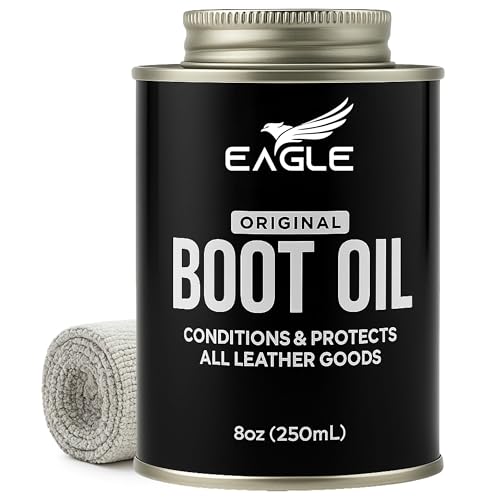
Pick the best boot oil for work boots by leather type, work conditions, and darkening, then apply it the right way.
Leather work boots take a beating from water, sweat, dirt, and heat. Dry leather stiffens, cracks at the flex points, and loses its water resistance. Boot oil restores the natural oils that keep the leather supple and the seams tight. This guide explains how to choose the best boot oil for work boots by leather type, work conditions, and how much darkening you can accept.
The product table lists current options. The sections below explain the differences between oil types and how to apply them without ruining your boots.
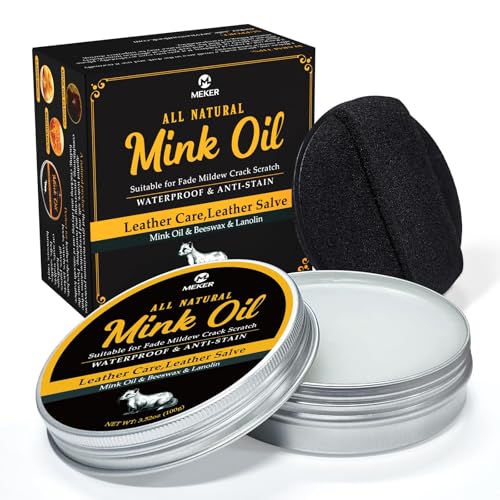
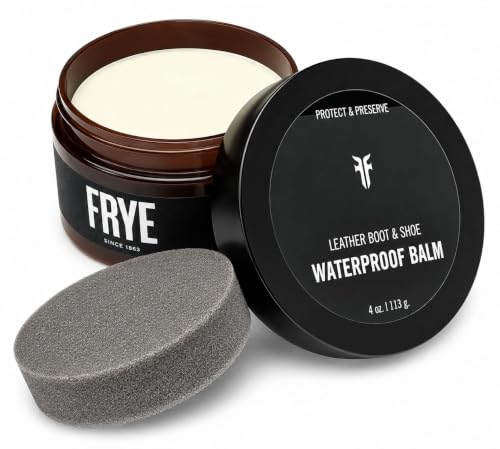
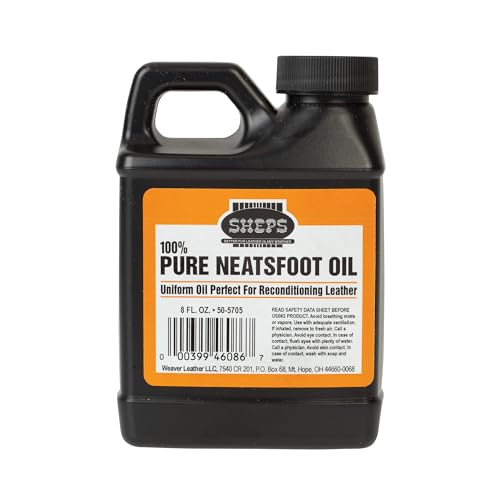
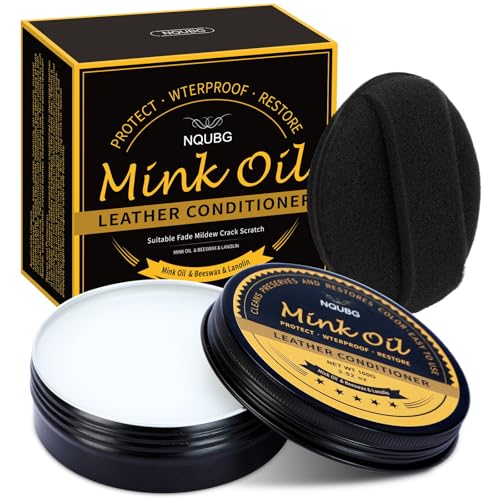
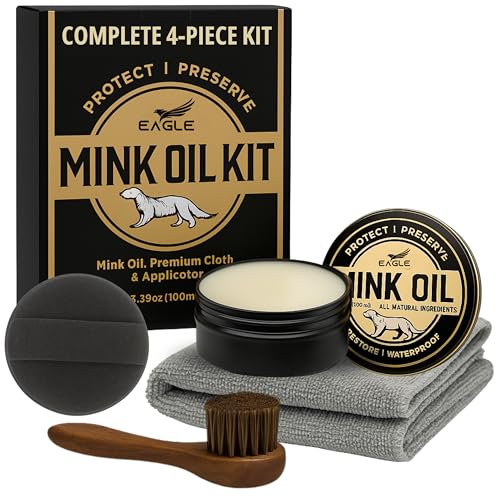
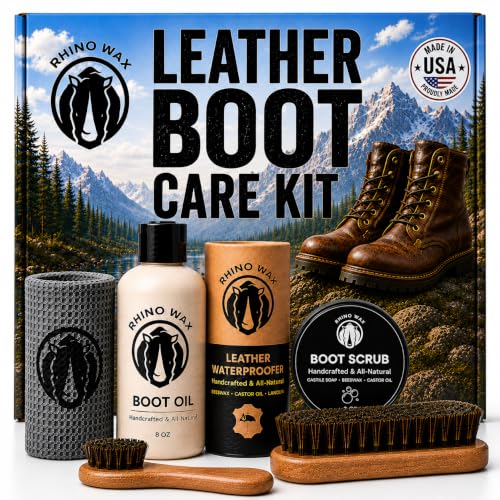
What Boot Oil Does for Work Boots
Full grain leather is a natural skin, and it needs moisture to stay flexible. Oil soaks into the fibers, replaces the fats that wash out with use, and helps the leather resist water. Treated boots flex without cracking, resist salt and mud, and last years longer. Oil does not make boots fully waterproof, and it can darken the leather and soften it, so it should be applied thoughtfully and not on a fixed weekly schedule.
Types of Boot Oil
Mink oil
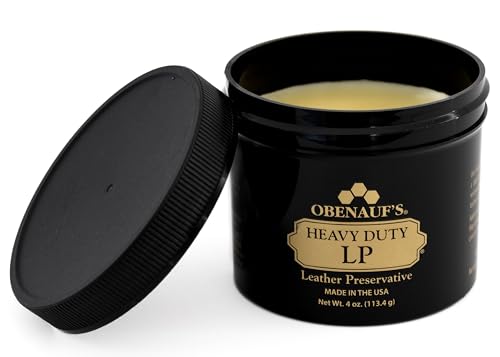
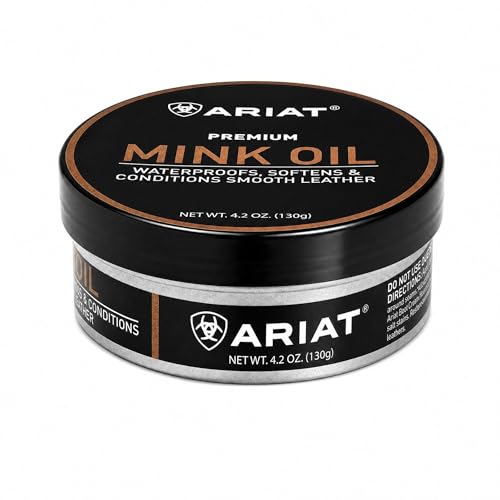
Mink oil conditions deeply and adds strong water resistance. It suits rough outdoor work boots, but it often darkens light leather and can soften stiff boots. Many products today are blended or synthetic versions.
Neatsfoot oil
Neatsfoot oil softens stiff or dried out leather and restores flexibility. It is a good choice for older boots, but heavy use can over soften the leather and loosen stitching.
Beeswax and oil blends
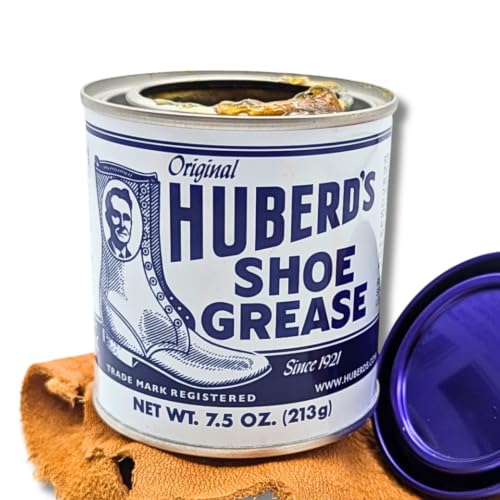
Waxy blends add a protective surface layer as well as conditioning. They suit wet conditions, mud, rain, and snow, and they usually darken less.
Sprays and kits
Care kits bundle a cleaner, oil or wax, brushes, and a cloth. They are a convenient starting point if you have not cared for leather before.
Boot Oil Types Compared
| Type | Best For | Watch For |
|---|---|---|
| Mink oil | Wet, rough outdoor work | Darkening, over softening |
| Neatsfoot oil | Dry, stiff, older boots | Too much softens leather |
| Beeswax blends | Rain, mud, snow | Waxy feel on seams |
| Care kits | First-time owners | Check every product suits your leather |
Key Features to Check
Leather compatibility
Smooth full grain and oiled leather take oil well. Suede, nubuck, and roughout leather do not, because oil stains and flattens the nap. Many work boots mix smooth leather with suede panels, so check the boot label first.
Water resistance
Waxes and heavier oils give stronger water resistance. Light oils condition but protect less. Match the product to your conditions, from damp mornings to standing water.
Finish and traction
Choose a product that dries to a non-greasy finish. Keep oil off the soles, since it makes them slippery.
Application guidance
Look for clear directions on how much to use and how often. Products that include an applicator or sponge make thin even coats easier.
How to Oil Work Boots
- Remove laces and brush off loose dirt.
- Wipe with a damp cloth and let the boots dry naturally, away from direct heat.
- Test the oil on a small hidden spot, since color change varies by leather.
- Apply a thin, even coat with a cloth or applicator, working into seams and welts.
- Let the oil absorb for several hours, then wipe off the excess.
- Add a second thin coat only if the leather still looks dry.
Over oiling softens leather too much and can weaken the structure of the boot, so thin coats are better than a heavy one.
How Often to Oil
Oil when the leather looks dry, feels stiff, or stops beading water, not on a strict calendar. Heavy outdoor use in wet climates may need conditioning every few weeks, while light use may need it only a few times a year. Boots stored for the season benefit from a light coat before storage. Always clean boots first, because oil applied over mud traps grit against the leather.
Choosing Boot Oil by Work Type
Construction and landscaping crews face mud, water, and abrasion, so a mink oil or waxy blend gives the best protection. Warehouse and indoor workers need only occasional conditioning, so a light oil or a care kit is enough. Farm and ranch workers deal with manure, moisture, and heat, so they benefit from a durable wax-based product. Anyone with steel toe boots should keep oil away from the toe seams and from the metal area where rust may form.
Cleaning Before You Condition the Best Boot Oil for Work Boots Way
Good conditioning starts with a clean surface. Saddle soap or a mild leather cleaner lifts sweat salt, mud, and old wax so that fresh oil can reach the leather. Work the cleaner in with a damp cloth or soft brush, wipe off the foam, and let the boots dry for a full day at room temperature. Stuff them with newspaper to hold their shape and pull moisture from the lining. Trying to oil damp leather seals water inside, while oiling a dirty boot grinds grit into the grain.
Storing and Protecting Oiled Boots
After oiling, keep boots in a cool, dry place with the shafts upright and cedar or paper inside. Avoid sealed plastic bins, which trap moisture and can grow mildew. Rotate two pairs if you can, because leather needs a day to dry out after being worn. Check the stitching and welts each season, and re-oil the seams if they look dry. Replace laces when they fray, since they hold the boot in shape.
Oil Versus Wax Versus Conditioner
These words are often mixed up on packaging. Oils soak into the leather and soften it. Waxes sit on the surface and repel water. Conditioners are blends meant to clean, soften, and protect in one step. Work boots in wet conditions often do best with a light oil or conditioner followed by a wax layer, while dry indoor boots need only a light conditioner now and then. Read the label for the leather types it lists, and avoid products that promise to waterproof and soften at the same time without any detail.
Common Mistakes to Avoid
- Oiling dirty boots, which traps grit against the leather.
- Using far too much product, which softens the boot structure.
- Applying oil to suede or nubuck panels.
- Drying wet boots on a heater, which cracks the leather.
- Getting oil on the soles, which makes them slippery.
Related Guides
For related reading, see our guides to the best oil for leather work boots and the best mink oil for work boots.
Frequently Asked Questions
How often should I oil work boots?
Oil when leather looks dry, stiff, or no longer repels water. Heavy outdoor use may need oiling every few weeks, while light use may need it only a few times a year.
Will boot oil darken my boots?
Most oils darken leather at least slightly, and mink oil often darkens it more. Test on a hidden area, and choose a lighter blend if color matters.
Can I use boot oil on suede or nubuck?
No. Oil will stain and flatten suede and nubuck. Use a product made for those materials instead.
Should I oil new work boots?
New boots often arrive conditioned, so wait until the leather starts to feel dry. Follow the boot maker guidance when it is available.
Is boot oil enough for waterproofing?
Oil improves water resistance, but it does not make boots fully waterproof. For very wet work, combine oil with good socks and boots built for wet conditions.
Final Thoughts
Match the oil to your leather and your work, apply thin coats to clean boots, and the best boot oil for work boots will keep your leather flexible and protected for years. Use the product table above to compare current options before you buy.