Best All Leather Work Boots: A First Time Buyer's Guide for 2026
Disclosure: We may earn a commission when you buy through links on this page, at no extra cost to you. As an Amazon Associate I earn from qualifying purchases. Learn more

Shopping for the best all leather work boots for the first time? Learn the terms, compare options, and avoid rookie mistakes with this easy guide.
Buying work boots for the first time feels confusing because every listing uses terms you may not know yet. This guide explains each term in plain English and shows you how to choose best all leather work boots for your job, your feet, and your budget.
All leather means the upper is made from leather rather than fabric or synthetic panels, and that choice affects durability, comfort, and care. Use the comparison table below to see how styles differ, then read on to learn which features matter most for your daily work.




Leather Work Boots 101: The Basics for New Buyers
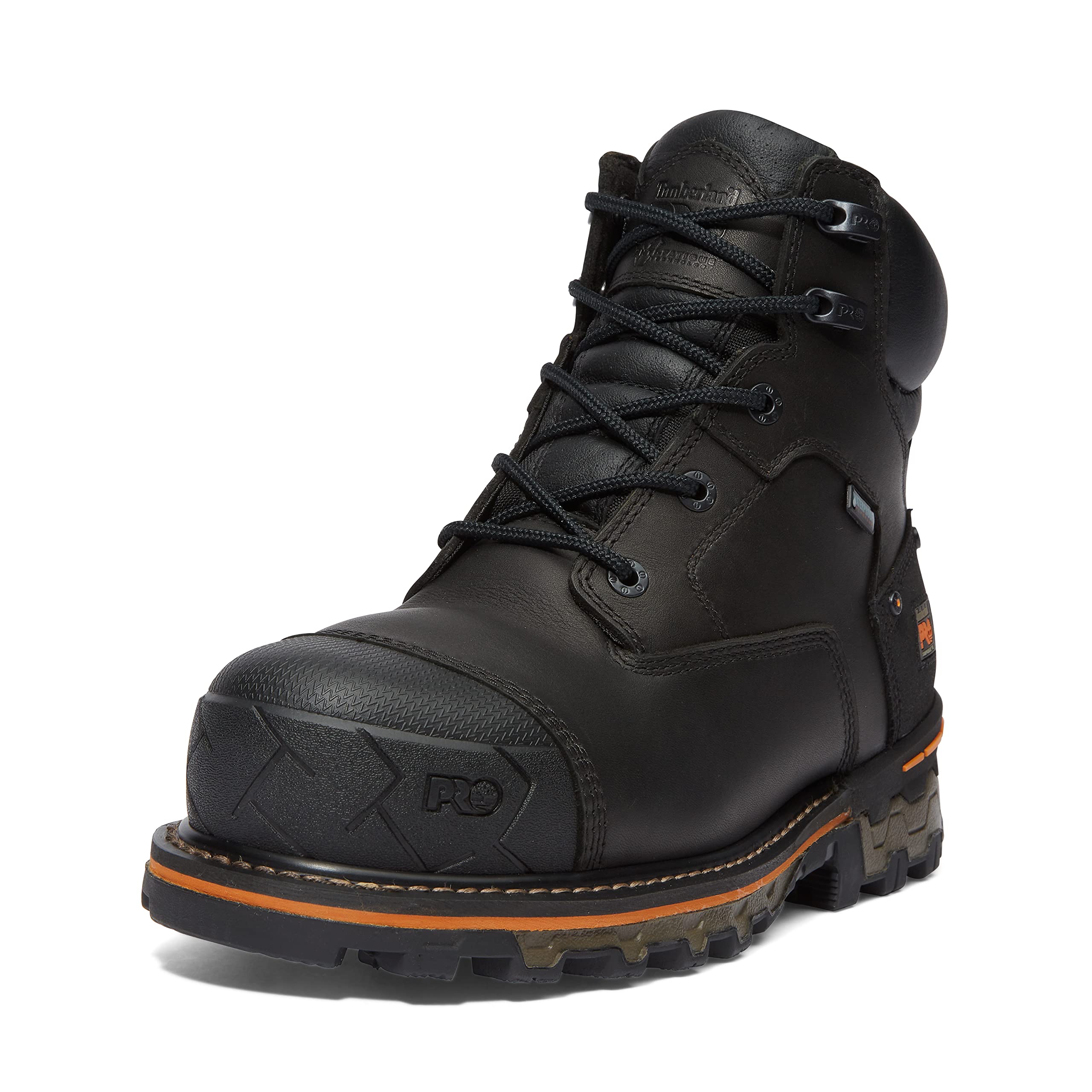
An all leather work boot wraps your foot in hide from the toe to the cuff, with a stitched or cemented sole below. Leather resists scrapes from lumber, concrete, and metal edges better than mesh, and it molds gradually to your foot. That molding is why a stiff new pair feels softer after several weeks of wear.
Leather comes in grades. Full grain is the top layer of the hide and the most durable choice, while top grain is lightly sanded for a smoother look. Split leather comes from lower layers and suits lighter duty. Nubuck and suede are brushed finishes that need more care in wet places.
Who Should Buy All Leather Work Boots
Start with your daily tasks and surfaces.
Outdoor Crews Who Work in Mud, Rain, and Rough Ground
If you build, farm, landscape, or work on road crews, you face puddles, gravel, and brush that tear at fabric uppers. Leather sheds light rain, wipes clean after mud, and guards against thorns and debris. Choose a taller shaft and a lugged sole. If you shop mainly in men's sizes, see our guide to the best men's leather work boots for fit ranges.
Indoor Trades Who Need Scuff and Heat Resistance
Warehouse staff, mechanics, welders, and electricians spend long shifts on concrete where dropped tools and hot sparks punish thin materials. A smooth leather upper resists scuffs, cleans with a quick wipe, and pairs well with a safety toe where your employer requires one. Confirm any electrical hazard rating on the label before you buy.
Workers Who Want One Pair to Last for Years
If you would rather repair than replace, leather rewards you. A cobbler can often replace a welted sole when the tread wears down, while the upper keeps going. That long service life spreads the cost over more seasons, as long as you clean and condition the hide on a schedule.
Leather Work Boot Specs That Decide All Day Comfort
These five factors decide how a pair feels at hour one and at hour ten. The best all leather work boots for your job match your surface and your shift length.
Fit, Sizing, and Toe Box in All Leather Work Boots
Measure both feet late in the day, when they are at their largest, and shop using the larger measurement. Your heel should sit snug with little lift, while the toe box leaves room to wiggle your toes. Leather stretches slightly across the width as it breaks in, but it does not gain length, so toes that touch the end will keep touching it. If you fall between sizes, try the larger size with a thicker work sock.
Waterproofing, Gore Tex, and Membrane Trade Offs
A waterproof membrane is a thin lining that blocks liquid water while letting some vapor escape, and Gore Tex is the best known version of that idea. Boots with a membrane keep socks dry in rain, yet they feel warmer and dry more slowly once water gets inside. Unlined leather is more breathable and suits dry indoor work. If wet ground is your normal day, see our guide to the best waterproof leather work boots to compare that style.
Outsole Traction and Terrain for Leather Work Boots
The outsole is the rubber layer that meets the ground, and its tread pattern controls grip. Deep lugs bite into mud, gravel, and loose soil, while flatter treads suit smooth concrete and indoor floors. Rubber marked as oil resistant and slip resistant helps on garage floors. Match the tread to the surface you stand on most, not the roughest surface you might visit once.
Weight and Flexibility in All Leather Work Boots
Leather boots weigh more than fabric boots, and safety toes, thick soles, and tall shafts add further ounces. Extra weight brings protection, but it also tires your legs over a long shift. Flexibility improves as the leather softens, yet a stiff sole protects better against nails and sharp stones underfoot. New buyers who walk all day often prefer a mid height shaft and a lighter sole, while demolition crews accept more weight for more coverage.
Arch Support, Cushioning, and Heel to Toe Drop
Arch support is the shaped rise under your midfoot, and it helps spread pressure along the foot. Flat feet usually feel better with firm support and a stable heel, while high arches often need more cushioning. Heel to toe drop is the height difference between heel and forefoot, and a higher drop shifts load toward the front of the foot. Most work boots use a moderate drop that suits standing and walking.
Getting Started: First Wear and Break In Steps for Leather Boots
Wear your new boots at home for an hour or two, then add time each day before a full shift. Lace from the bottom eyelets upward, snug but not tight enough to numb your toes. Wear your work socks, since sock thickness changes the fit. Walk, bend, and climb a step, and check for rubbing at the heel. If a hot spot appears, loosen the laces there and give the leather another short session.
Common Mistakes to Avoid When Buying Leather Work Boots
- Buying your running shoe size without measuring, so the boot ends up too short with thick work socks.
- Choosing a waterproof membrane for hot indoor work, so your feet overheat and stay damp all shift.
- Judging grip by looks alone, so a deep lug sole skates on smooth wet concrete.
- Wearing a new pair for a full first shift, so stiff leather rubs blisters into your heels.
- Ignoring employer safety toe rules, so your new boots get refused at the site gate.
- Letting wet leather dry beside a heater, so the hide cracks and loses its formed fit.
Care and Maintenance for All Leather Work Boots
Brush off dirt after each shift and wipe mud away before it dries into the seams. Let wet boots air dry away from direct heat, with newspaper inside to hold the shape. Dry leather loses its natural oils, so apply conditioner when the surface looks pale or feels stiff. Our guide to the best leather conditioner for work boots explains how to pick a product that will not darken light leather too much.
Rotate two pairs if you can, since a rest day lets the lining dry fully. For wet seasons, a surface treatment adds water resistance. See our guide to the best waterproofing for leather work boots for the main types, and read our notes on the best oil for leather work boots if you prefer an oil finish.
FAQ About All Leather Work Boots for First Time Buyers
How long is the break in period for all leather work boots?
The break in period for all leather work boots usually runs about one to three weeks of regular wear. Thick full grain leather softens more slowly than thinner hides, so short daily sessions help more than one long shift. If sharp pain continues past the second week, the size or shape is likely wrong.
Can I wear all leather work boots all day?
Yes, you can wear all leather work boots all day once they are broken in and fitted with the right socks. Plan a midday sock change if your feet sweat heavily, since dry socks reduce friction and odor. If your job mixes sitting, driving, and walking, a lighter mid height pair often feels easier across that varied day than a tall heavy pair.
Do I need waterproof all leather work boots?
You need waterproof all leather work boots only if you regularly stand in rain, puddles, wet grass, or snow. A membrane adds warmth and slows drying, so dry indoor workers usually stay more comfortable without one. Surface treated unlined leather sheds light splashes and stays more breathable, though it will soak through in steady rain.
Are expensive all leather work boots worth the cost?
Expensive all leather work boots can be worth the cost when the extra money buys full grain leather, a replaceable welted sole, and a fit that matches your foot. Higher prices, often about $200 to $350, do not help if the shape is wrong for you. Budget pairs around $100 to $180 suit lighter duty. Think in cost per season, since a repairable pair worn for years can cost less than a cheap pair replaced yearly.
How often should I replace all leather work boots?
You should replace all leather work boots when the tread is smooth, the midsole feels flat and hard, or the upper cracks through the surface. Many workers get about one to three years from a pair, depending on hours and care. A safety toe boot must also retire after a heavy impact, even if it still looks fine. Rising aches late in the shift can signal worn support before damage shows.
How should all leather work boots fit when new?
All leather work boots should fit snug at the heel and midfoot, with clear space in front of your longest toe when new. Width will ease a little with wear, but length and toe height will not change. Try boots with the insoles you plan to use, and walk down a slope if the shop allows it, since toes that jam forward on a slope will hurt on ladders and hills.
Our Verdict
For a first pair, put fit first, match the outsole to your main surface, and add waterproofing only when your work calls for it. Those three choices shape comfort more than any label or price tier. When you compare best all leather work boots with those points in mind, the right style stands out quickly. Check the product table above, pick the pair that fits your job, and give it a patient break in.