Best Boot Jack for Cowboy Boots: How to Choose One That Fits
Disclosure: We may earn a commission when you buy through links on this page, at no extra cost to you. As an Amazon Associate I earn from qualifying purchases. Learn more

Choose the best boot jack for cowboy boots by heel opening, material, base stability, and boot care.
Tall, snug cowboy boots are made to stay on, which makes taking them off a chore without help. A boot jack grips the heel so you can step out without pulling, twisting, or bending over. This guide explains how to choose the best boot jack for cowboy boots by material, opening size, base stability, and how it treats your leather.
The product table lists current options. The sections below cover the details that decide whether a jack works with your boots or fights them.



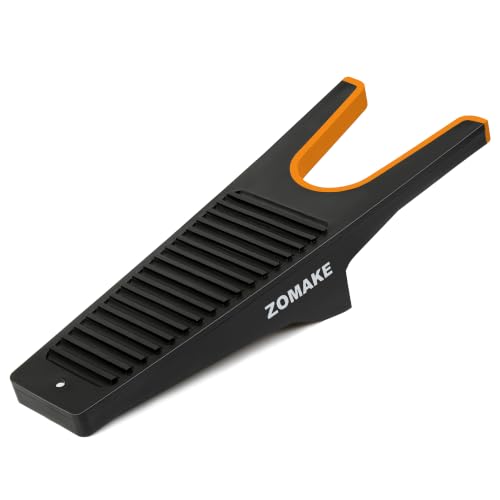
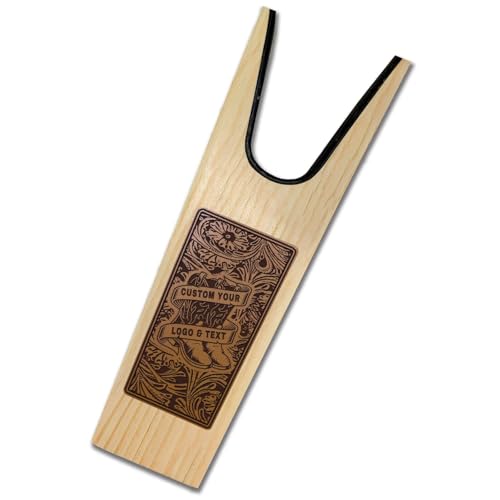
What a Boot Jack Does
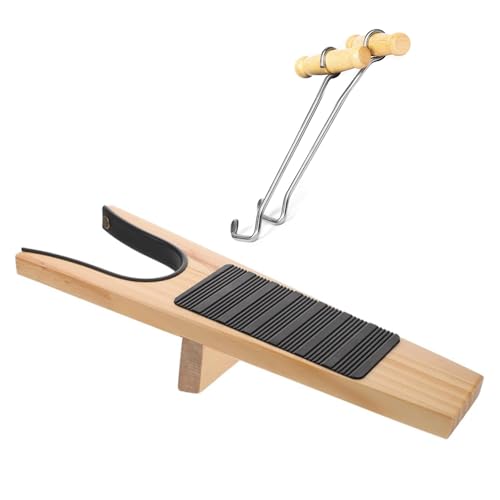
A boot jack is a U-shaped or V-shaped notch on a raised base. You hold the base down with one foot, place the heel of the other boot in the notch, and pull your foot straight out. The notch holds the heel back while your foot slides forward. It saves your back, your fingers, and the boot counters, which can break down if you stomp or pull at them by hand. Cowboy boots have a firm heel counter, a pointed or square toe, and a tall shaft, so they benefit more from a jack than almost any other footwear.
Main Types of Boot Jacks
Solid wood boot jacks
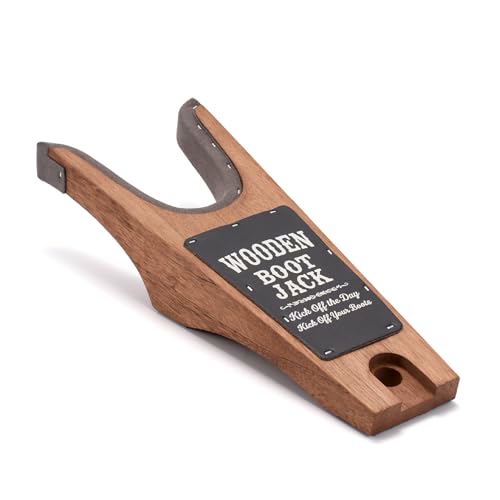
Wood is the classic choice. It is stable, quiet on hardwood floors, and good looking enough to leave by the door. Solid hardwoods such as oak or maple last for decades. Look for smooth, sanded edges.
Metal and cast boot jacks
Metal jacks are slim and strong. Some fold flat for travel, and they suit barns, trucks, and shop use. Check that the edges are rounded and that the notch is padded or coated to protect the leather.
Plastic and composite boot jacks
Lightweight and low cost, these suit occasional use and travel. Pick a model with a wide base, because light jacks can slide on smooth floors.
Wide opening and extra wide jacks
These suit large heels, thick work boots, and people who want an easier landing for the heel. They also help older adults and people with limited mobility.
Boot Jack Types at a Glance
| Type | Best For | Watch For |
|---|---|---|
| Solid wood | Home entry, long life | Weight, rough edges on cheap sets |
| Metal or folding | Barns, trucks, travel | Sharp edges, slipping on tile |
| Plastic or composite | Occasional use, low cost | Sliding, lighter feel |
| Extra wide opening | Large heels, easier landing | Loose grip on narrow heels |
Key Features to Check
Opening size and shape
Cowboy boots often have a tall, narrow underslung heel. The notch should cradle the back of the heel without letting it slip through. A notch that is too wide lets the boot slide off the jack, and one that is too narrow will not accept the heel at all. Measure your heel width and compare it with the listed opening.
Base stability
A heavy base and a wide footprint keep the jack from skidding. Rubber feet or a non-slip underside help on tile and hardwood. If you use the jack on carpet, a flat wooden base works fine.
Edge finish and leather protection
Run a finger along the notch. Rough or splintered edges will scratch the heel counter and the finish of exotic leather. Smooth, rounded edges or a thin rubber lining are better.
Height and leverage
A raised base gives you more leverage, but it also makes balance harder. A moderate height is easiest for most people. Older users should choose a stable, low jack and hold a wall or chair.
Size and storage
Wooden jacks are long, usually around a foot or more. Keep one by the door, and consider a smaller folding jack for travel and a second one for the truck.
Choosing the Best Boot Jack for Cowboy Boots for Your Situation
For a front door or a bedroom, a solid wood jack gives the best balance of weight, looks, and stability. For a barn, truck, or job site, a metal or folding model survives knocks and mud better. For travel, a compact folding or plastic jack fits in a suitcase. If more than one person uses the jack, an extra wide opening is more forgiving. Households with both cowboy boots and chunky work boots do best with a jack that has a wide notch and a firm base, since it will accept both heel types.
Think also about the floor. Hardwood and tile call for rubber feet or a heavy base, while carpet calls for a flat base that will not tilt. Leave enough clear floor around the jack so you can plant your holding foot without hitting a wall.
How to Use a Boot Jack Properly
- Place the jack on a flat floor, with the notch pointing away from you.
- Stand on the base with one foot to hold it down.
- Put the heel of the other boot into the notch, as far back as it will go.
- Pull your foot straight out, keeping the motion steady and not twisting.
- Repeat for the other boot, then stand the boots upright to air.
Wearing socks or soft shoes on the foot that holds the jack down gives better grip. Avoid yanking sideways, which strains the stitching and the heel counter.
Care and Long Term Value
Keep a wooden jack dry and wipe off mud before it hardens. A light coat of paste wax or oil keeps the wood from drying out. Check metal jacks for rough edges or rust, and sand or oil them if needed. Store the jack where you take your boots off, because a jack in another room rarely gets used. A single sturdy jack can outlast several pairs of boots.
Choosing a Boot Jack by Budget
Simple plastic and thin wooden jacks cost about $10 to $20. Solid hardwood jacks usually run about $20 to $40. Sets that bundle a jack with boot hooks or a second jack cost a little more. Spend a bit extra on solid wood and smooth edges instead of fancy engraving, since fit and stability matter most.
Common Mistakes to Avoid
- Buying a jack with a notch that does not match your heel size.
- Choosing a light jack that slides on smooth floors.
- Using a jack with rough edges on fine leather or exotic skins.
- Pulling sideways instead of straight back.
- Storing a wooden jack in a damp garage where it can swell or crack.
Related Guides
For related reading, see our guides to the best quality cowboy boots, the best ladies cowboy boots, the best cowboy boots for men, the best jeans for cowboy boots, and the best socks for cowboy boots.
Frequently Asked Questions
Will a boot jack damage cowboy boots?
A well made jack with smooth edges should not damage good boots. Damage usually comes from a poor fit, rough edges, or sideways pulling. Check the opening size and inspect the edges before regular use.
What size boot jack do I need?
Choose by heel size and boot type, not by shoe size alone. Cowboy boots have a taller, narrower heel than most work boots, so a jack made for cowboy boots usually fits better.
Are wooden or metal boot jacks better?
Wooden jacks are stable, quiet, and attractive for home use. Metal jacks are slimmer and easier to carry. Either works if the opening fits your boots and the base stays put.
Can older adults use a boot jack?
Yes. A boot jack can help people who find pulling boots off difficult. Choose a stable, wide base and use it near a chair or wall for support.
Do I need a boot jack if my boots have pull straps?
Pull straps help with getting boots on, but a jack still helps with taking them off, especially if the boots are snug.
Final Thoughts
Match the opening to your heel, pick a stable base, and look for smooth edges, and the best boot jack for cowboy boots will quietly protect your boots for years. Check the product table above for current options, and keep the jack by the door where you will actually use it.