Best Boot Stretcher for Cowboy Boots: Types, Use, and Tips
Disclosure: We may earn a commission when you buy through links on this page, at no extra cost to you. As an Amazon Associate I earn from qualifying purchases. Learn more
Choose the best boot stretcher for cowboy boots by type, toe shape, and shaft fit, then stretch your leather slowly and safely.
Cowboy boots are meant to fit snug, but a pair that pinches across the toes, squeezes the ball of the foot, or grips the calf is no fun to wear. A boot stretcher can give leather the extra room it needs, if you use it slowly and in the right spot. This guide explains how to choose the best boot stretcher for cowboy boots by type, toe shape, and the area you need to stretch.
The product table lists current options. The sections below explain what each type does and how to use it without damaging the boot.





What a Boot Stretcher Does
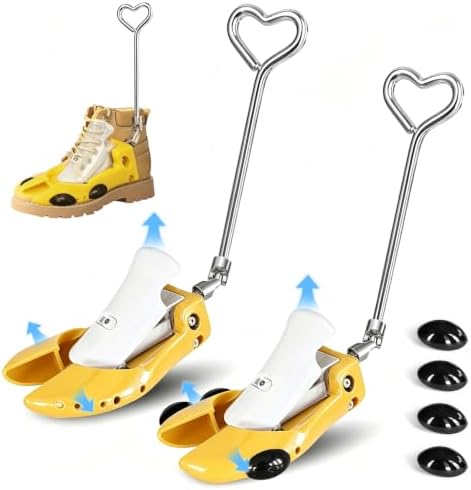
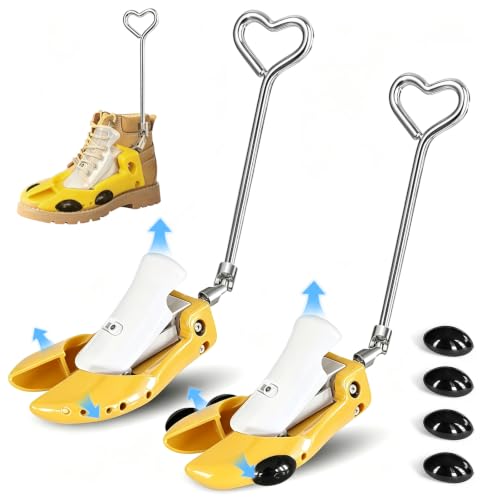
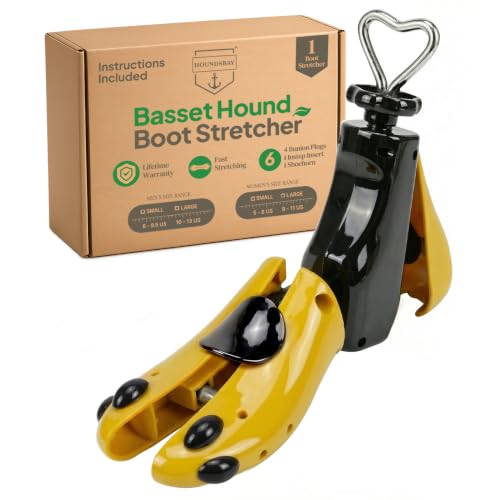
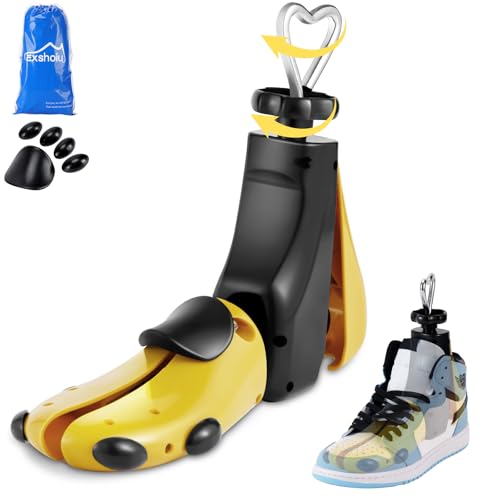
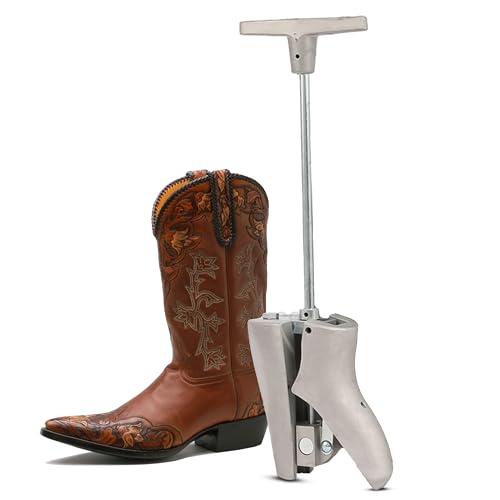
A boot stretcher is a form that goes inside the boot and slowly pushes the leather outward. Most use an adjustable screw to widen or lengthen the form, and some have small plugs to push on a specific spot. Leather is a natural material, and it takes a new shape gradually under steady tension. A stretcher cannot change a pair that is a full size too small, but it can add a little width, length, or shaft room and fix a few pressure points.
Types of Boot Stretchers
Two way stretchers
These stretch width and length together. They suit boots that feel tight overall, especially across the toes and ball of the foot. Look for a shape that matches a pointed, square, or round toe.
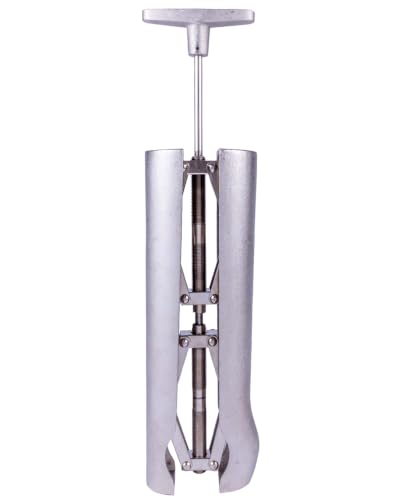
Shaft and calf stretchers
These widen the calf and shaft area of tall boots. They suit pairs that fit the foot but feel tight around the calf or hard to pull on.
Instep stretchers and vamp raisers
Metal instep stretchers lift the top of the boot over the arch. They suit high insteps and boots that pinch across the top of the foot.
Spot stretchers and plugs
Small plugs press on one area, such as a bunion, a tight seam, or a corn. They suit boots that fit well except for one painful point.
Boot Stretcher Types Compared
| Type | Good For | Watch For |
|---|---|---|
| Two way width and length | Tight toes and ball of foot | Shape must match toe style |
| Shaft and calf | Tall boots tight on the leg | Stiff shaft leather, go slowly |
| Instep and vamp raiser | High arch or instep pressure | Higher cost, metal build |
| Spot plug | One pressure point | Effect limited to one area |
Key Features to Check
Toe shape
Cowboy boots come with pointed, snip, square, and round toes. A stretcher with the wrong shape can push leather into the wrong place. Choose one made for western boots when possible.
Adjustability
You want a screw or handle that lets you add pressure in small steps. Gradual stretching is safer for leather and stitching.
Build quality
Wood, cast aluminum, and strong plastic all work. Metal builds hold tension well, while cheap plastic forms may slip or crack under load.
Boot and shaft size
Check the length range of the stretcher against your boot size, and the shaft height if you want to stretch the calf. Men's and women's sizes differ, so read the size chart.
Spot plugs and extras
Plugs and pads let you target a bunion or a seam. Look for a set that includes several shapes if your pressure point is small.
How to Stretch Cowboy Boots Safely
- Find exactly where the boot pinches, using a pencil mark or chalk.
- Put the stretcher in and turn the screw until you feel light tension.
- Leave it for 24 hours, then check the fit with a thin sock.
- Repeat in small steps over several days, adding a quarter turn at a time.
- When the boot feels right, keep a boot tree inside to hold the shape.
A leather conditioner or stretch spray can help soften stiff leather. Test it on a hidden spot first. Avoid heat stretching unless you know what you are doing, because too much heat damages leather and stitching.
Choosing the Best Boot Stretcher for Cowboy Boots by Problem
If the toes feel cramped, a two way stretcher with the right toe shape gives the most even result. If the ball of the foot hurts, focus on width. If your calf feels squeezed, you need a shaft stretcher. If the top of your foot hurts, an instep stretcher is the right tool. If only one spot hurts, a plug is cheaper and gentler than a full stretcher. Many people do best with a two way stretcher plus a plug set. Take the boot to a cobbler if the leather is exotic, such as snake, lizard, or ostrich, since those skins do not stretch like cowhide.
When to See a Cobbler Instead
A professional shop can stretch leather with heat, steam, and specialized machines, and they know how each leather type behaves. This is the safer path for expensive boots, exotic skins, and boots with delicate decoration or inlays. A stretcher at home works well for cowhide and for small adjustments, and a cobbler can handle larger changes or fix damage if a seam lets go. If you plan to own several pairs of western boots, a quality stretcher pays for itself after one or two uses.
Care After Stretching
Wear the boots indoors for a few hours with the socks you plan to use, and check how they feel. Condition the leather lightly to restore moisture, and store the boots with a cedar boot tree or lightly stuffed with paper. Avoid wearing them in wet weather straight after stretching, because wet leather can shrink back or deform.
Common Mistakes to Avoid
- Over stretching in one session, which can create a baggy, misshapen boot.
- Stretching the wrong area, because the boot pinches somewhere else.
- Using a stretcher that does not match the toe shape.
- Trying to fix a boot that is a full size too small.
- Applying heat or too much moisture to delicate leather.
Related Guides
For related reading, see our guides to the best quality cowboy boots, the best ladies cowboy boots, the best cowboy boots for men, the best jeans for cowboy boots, and the best socks for cowboy boots.
Frequently Asked Questions
How long should I leave a boot stretcher in?
Leave it in for at least a day, and often two to three days, for a noticeable change. Check the fit after each period rather than leaving maximum tension for a week.
Can a stretcher fix boots that are a full size too small?
Usually not. A stretcher adds a small amount of width or length, but it cannot turn a clearly wrong size into a right one.
Will stretching damage cowboy boot stitching?
Gentle, gradual stretching should not damage good stitching. Forcing the stretcher or stretching weak leather raises the risk. Inspect the seams before and after.
Do I need a different stretcher for pointed toe boots?
Yes. A stretcher shaped for pointed toes fits better. A blunt stretcher can distort a pointed toe and put pressure in the wrong place.
Can I stretch the shaft of a cowboy boot?
Yes, with a shaft stretcher designed for tall boots. Expand slowly and check the calf fit after each session.
Final Thoughts
Pinpoint the problem, match the stretcher type and toe shape, and add tension gradually, and the best boot stretcher for cowboy boots can turn a tight pair into one you enjoy wearing. Review the product table above for current options, and ask a cobbler for help with exotic leathers.