Best Boot Trees for Cowboy Boots: Cedar, Plastic, and Fit
Disclosure: We may earn a commission when you buy through links on this page, at no extra cost to you. As an Amazon Associate I earn from qualifying purchases. Learn more

Choose the best boot trees for cowboy boots by material, shaft support, and size to protect leather and stop creases.
Tall cowboy boots fold and crease when you stand them in a closet, and damp leather dries into those folds. Boot trees hold the shape, soak up moisture, and keep the shaft upright between wears. This guide explains how to choose the best boot trees for cowboy boots by material, shaft support, size, and toe shape, so your boots look good for years.
The product table lists current options. The sections below explain the differences you will see on the listing.
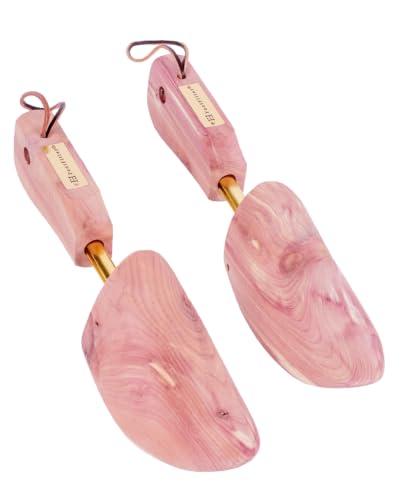

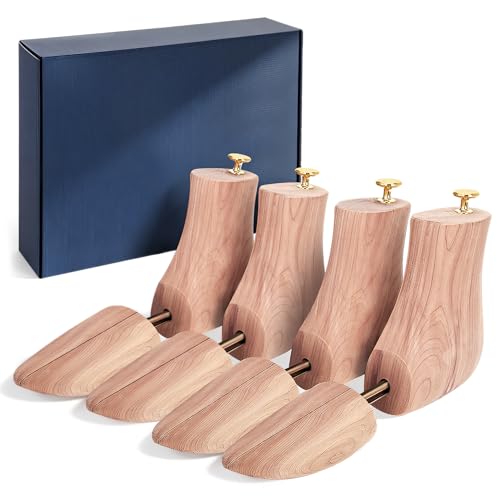
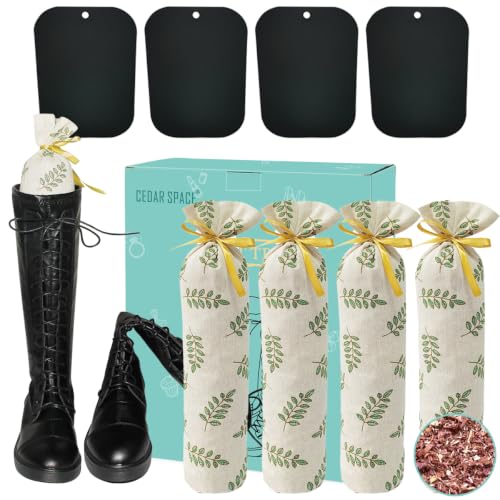
What Boot Trees Do for Cowboy Boots
A boot tree is a form that goes into the boot after you take it off. It keeps the toe box open so the vamp does not curl, pushes out wrinkles across the instep, and supports the shaft so it does not fall over or fold at the ankle. Cedar trees also absorb sweat from the lining, reduce odor, and slow bacterial growth. Boots left to dry without trees can shrink, crack at the flex points, and take a permanent bend. For leather that costs hundreds of dollars, a set of trees is cheap insurance.
Types of Boot Trees
Cedar boot trees
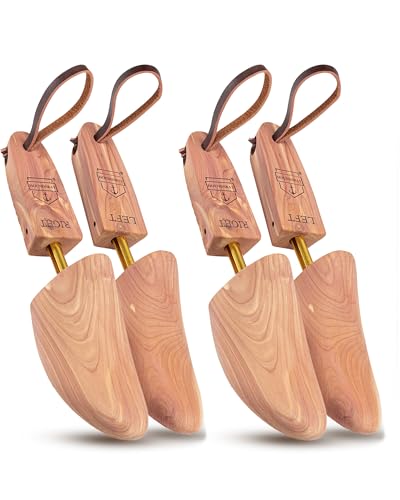
Red cedar is the traditional material. It absorbs moisture, smells fresh, and holds a firm shape. Cedar suits leather boots you wear often and want to keep for years. It is heavier than plastic, and the scent fades over time, though a light sanding revives it.
Plastic and foam boot shapers
These are light and low cost, and they suit travel and short storage. They hold the shaft up but do little for moisture or odor. They work best as a second set for the closet or a suitcase.
Spring loaded and adjustable trees
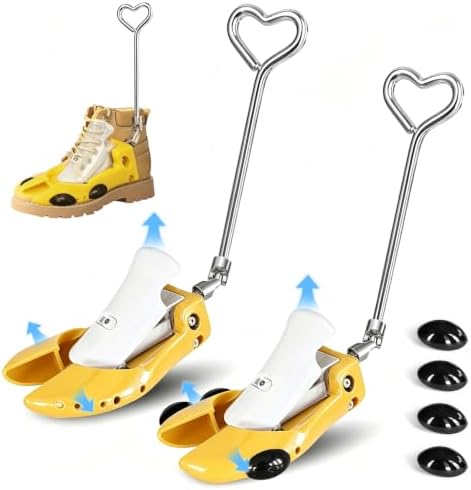
Adjustable forms flex to fit different shaft widths and boot sizes. They are handy if you own several pairs, though tension varies, so check that the tree stays upright without pushing the leather.
Full length versus shaft only
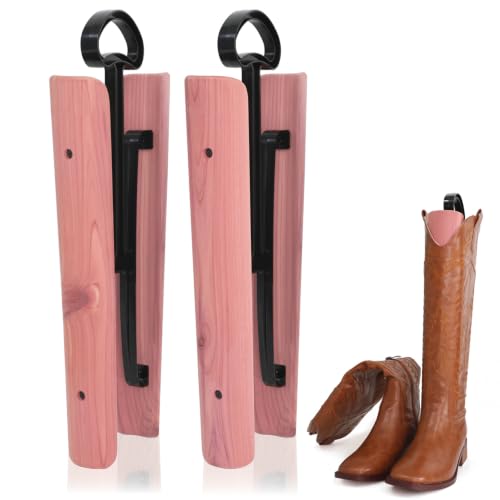
A full length tree fills both foot and shaft. A shaft only shaper supports tall boots at the leg, while a separate shoe tree handles the toe. Many collectors use a full length cedar tree for the foot and a shaft shaper for the leg.
Boot Tree Types Compared
| Type | Good For | Watch For |
|---|---|---|
| Cedar full length | Daily wear, leather care | Weight, price |
| Plastic shapers | Travel, light storage | No moisture control |
| Adjustable or spring loaded | Several boot sizes | Uneven tension |
| Shaft only | Tall boots that flop | Does not fill the toe |
Key Features to Check
Material and finish
Choose unfinished or lightly sealed red cedar. Smooth edges matter, since rough wood can scuff the lining.
Size and shaft height
Match the tree to your boot size and shaft height. A tree that is too short leaves the upper shaft to fold, and one that is too long can stretch the leather. Western boots usually need a boot tree rather than a shoe tree.
Toe shape
Pointed, snip, square, and round toes all need a tree with a similar shape. A mismatch can bend the toe box.
Tension and fit
The tree should fit snugly without pushing hard. If you have to force it in, it is too large.
Carrying handle or hook
A finger hole or handle makes it easier to remove the tree without pulling on the lining.
How to Use Boot Trees
- Take off your boots and let them air for a few minutes.
- Insert the tree gently, pressing the heel into place.
- Stand the boots upright in a cool, dry spot away from heat vents and sunlight.
- Leave the trees in until your next wear.
- Remove the trees and let the cedar rest if the boots were very wet.
Always let soaked boots air dry slightly before inserting trees. Wet leather can mold around a tree, and a very wet cedar tree needs to dry out too.
Choosing the Best Boot Trees for Cowboy Boots by Situation
For one favorite pair of full-grain leather boots, buy a cedar tree in the right size. For a collection, a plastic shaper for each pair plus one or two cedar trees to rotate works well and costs less. For exotic skins such as ostrich or lizard, choose cedar with smooth edges and skip any tree that pushes hard at the toe. For travel, a lightweight shaper keeps the shaft up in a suitcase. If boots are damp from rain or sweat, cedar is the better choice because it pulls moisture out of the lining.
Choosing a Budget
Plastic shapers and basic foam inserts cost about $15 to $40 for a few pairs. A single pair of quality cedar trees usually runs about $35 to $80, with sets of two pairs near the top of that range. Spend more on cedar if you own good boots and wear them weekly, because the trees repay their cost by preventing cracks and odor. If you only wear boots for events, a plastic shaper is enough.
Sizing Boot Trees for Different Shaft Heights
Western boots come in shaft heights from about 10 inches to over 14. A tree sized for a short roper leaves a tall boot to fold, while a very long tree in a short boot can push on the top of the vamp. Look for trees with a listed shaft height, or choose a shaft shaper to pair with a foot-length tree. If the listing only gives a shoe size, check that it lists western or cowboy boots specifically, because regular shoe trees are shorter and do not support a tall shaft.
Care for Your Boot Trees
Wipe cedar trees with a dry cloth now and then and lightly sand the surface to refresh the scent. Keep them out of damp basements and garages. Store trees in a cool, dry spot when not in use, and replace them if they crack, splinter, or lose their shape.
Common Mistakes to Avoid
- Forcing a short tree into a tall boot, so the upper shaft still folds and creases.
- Using a tree that is too large and stretches the leather.
- Inserting a tree into soaked boots before they have air dried slightly.
- Storing boots next to a heater, which dries and cracks the leather.
- Ignoring toe shape, which can bend a pointed or square toe.
Related Guides
For related reading, see our guides to the best quality cowboy boots, the best ladies cowboy boots, and the best cowboy boots for men.
Frequently Asked Questions
Do cowboy boots need boot trees?
They are not required, but they greatly extend the life of good leather boots. They hold the shape and take up moisture so the leather does not crack at the creases.
Can I use a shoe tree in a cowboy boot?
A shoe tree supports the foot only. Tall boots need a boot tree or a shaft shaper for the leg as well.
Are cedar boot trees better than plastic?
Cedar absorbs moisture and reduces odor, so it is better for boots you wear often. Plastic is lighter and cheaper but only holds the shape.
How do I know what size boot tree to buy?
Use your boot size and check the maker size chart. Men's and women's sizes and different widths may need separate trees.
How long do boot trees last?
Cedar boot trees can last for many years with basic care. Replace any that crack or splinter.
Final Thoughts
Pick the right size, favor cedar for daily boots, and match the toe shape, and the best boot trees for cowboy boots will protect your leather from creases and moisture. Use the product table above to compare current options, and insert your trees every time you take the boots off.