Best Boot Oil of 2026: Complete Buying Guide
Disclosure: We may earn a commission when you buy through links on this page, at no extra cost to you. As an Amazon Associate I earn from qualifying purchases. Learn more

Best boot oil depends on leather type, finish and weather. Compare oil types, darkening and application tips for work and outdoor boots.
Dry, stiff leather boots often need oil to stay flexible, resist water and last longer, but not every oil suits every boot. Some oils darken leather a lot, some stay light, and some add strong water resistance at the cost of breathability. This guide covers the main oil types and how each one behaves on leather.
This guide compares best boot oil types by leather fit, finish, water resistance and ease of use, and explains how to apply oil without over softening seams and soles. Follow maker guidance for your boots, check a hidden spot first, and work in a ventilated area away from open flame. A little oil applied evenly usually beats a heavy coat that leaves boots greasy.
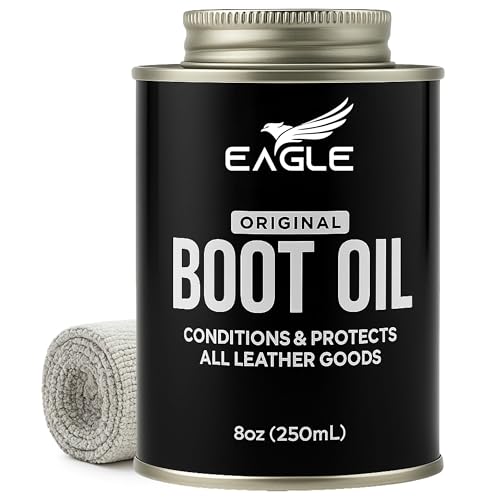
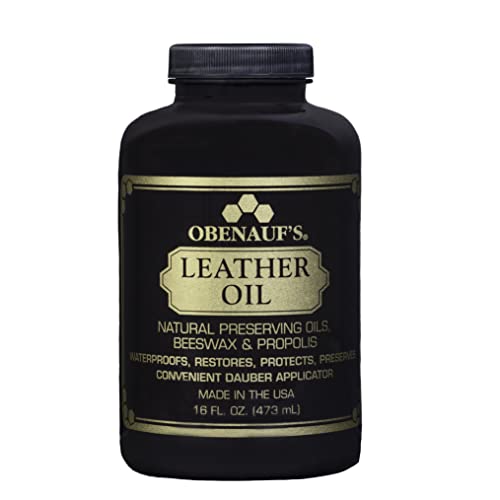
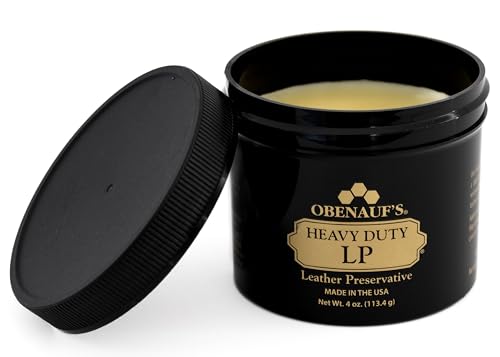
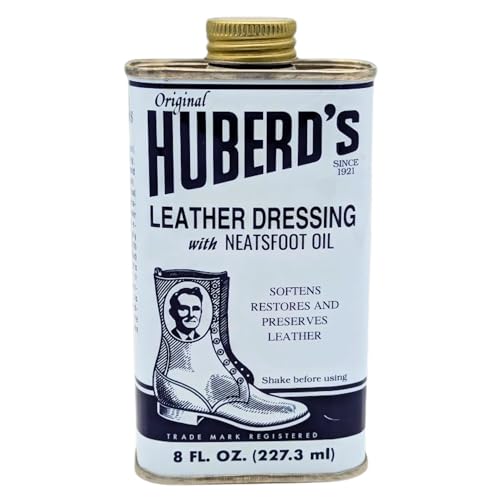
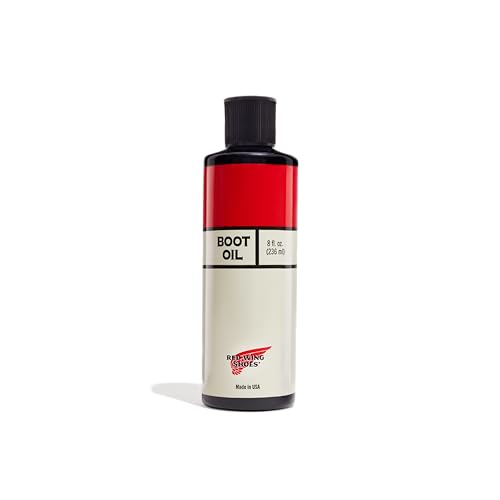
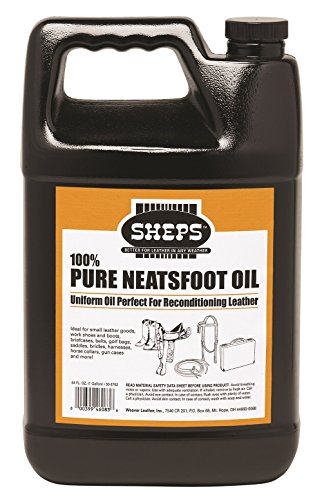
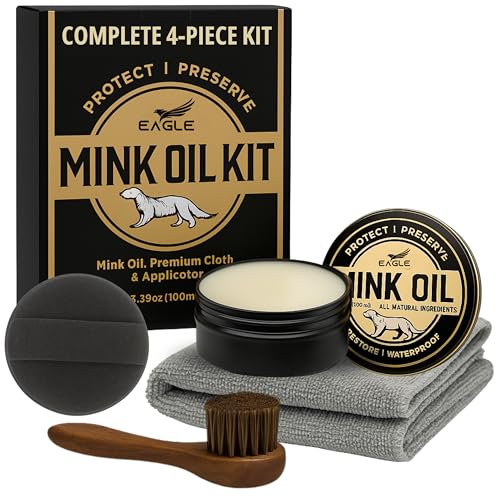
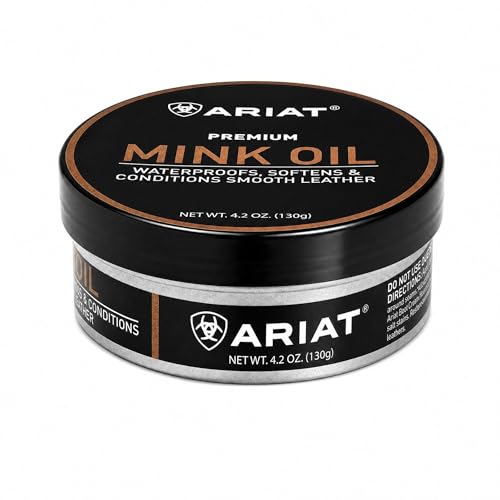
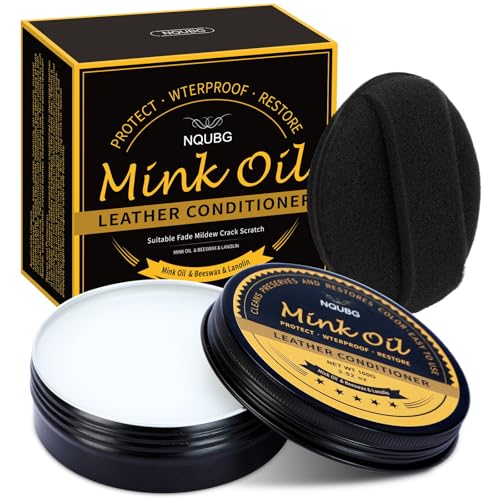
Spending Levels at a Glance
Use spending levels as a planning guide, not as a pick list. A small tin or bottle is enough for most pairs, and the main cost difference comes from oil base, container size and added wax. The sections below explain which finish suits your boots.
Budget Level
Budget oils usually cover basic conditioning and light water resistance for everyday leather boots. They suit buyers who oil boots a few times a year and want a simple routine. Check that the oil suits your leather type, because a cheap oil that darkens pale leather or softens thin leather too much can cost more in the long run.
Mid Level
Mid level oils often add wax blends, better spread and more even absorption for work boots and outdoor boots. They suit buyers who wear boots often, face rain and mud, and want longer lasting water resistance. Look for clear guidance on leather type, drying time and reapplication. A mid level oil is a good balance if you want steady protection without a heavy, greasy finish.
Higher Level
Higher level oils and wax blends often suit heavy work boots, hunting boots and boots that face long wet days. They may offer thicker coverage, stronger water beading and longer time between coats. The trade off is weight, drying time and a greater chance of darkening. Use them when boots truly need strong protection, and keep a lighter oil for dress boots and pale leather.
How to Choose the Best Boot Oil
Leather Type Compatibility
Start with the leather, not the label. Full grain and oil tanned leather usually accept oil well, while suede, nubuck and patent leather need different care and often should not be oiled. Check maker guidance for lined boots, boots with waterproof membranes and boots with glued soles, because oil can affect adhesives and linings.
When in doubt, try a small hidden area and wait a full day before oiling the whole boot. For related leather care, see our guide to the best oil for leather boots and how oil choice changes with leather finish.
Oil Base and Finish
Oil base shapes finish, feel and drying time. Animal based oils tend to soak deep and soften stiff leather, plant based oils often feel lighter, and wax blends add surface protection. A soft, matte finish suits work boots, while a shinier finish suits boots you want to polish later.
Avoid oils with strong solvents on dress leather, and avoid silicone heavy products if you plan to polish or dye the boots later. The finish should match how you wear the boots, not only how they look on day one.
Water Resistance
Oil helps water bead on leather, but it does not make every boot fully waterproof. Wax blends and thicker oils usually resist rain better than light oils, while light oils keep boots more breathable. Seams, stitching and tongue gussets matter as much as the leather surface, so apply oil evenly around those areas.
Reapply after heavy rain, mud and long drying periods, and let boots dry fully before the next coat. If boots have a waterproof membrane, follow maker guidance so oil does not block the membrane.
Darkening and Color Change
Most oils darken leather, and the change can be permanent on pale and natural leather. Mink oil and darker blends often darken more, while lighter oils and wax blends may change color less. Check under the tongue, inside a cuff or on a heel area, and look at the result in daylight after drying.
If color matters, choose a lighter oil, apply a thin coat, and accept that some change is normal.
Application and Drying
Clean boots first, remove dust and mud with a soft brush, and let them dry at room temperature away from direct heat. Apply a thin, even coat with a cloth or brush, work it into seams and flex points, and wipe away excess after the maker recommended time. Let boots dry fully before wearing, usually overnight, and repeat with a second thin coat only if leather still looks dry.
Work in a ventilated area, keep oil away from open flame, and wash hands after use. For a classic heavy duty option, see our guide to the best mink oil for boots and how thick oils differ from light conditioners.
Amount and Frequency
Frequency depends on wear, weather and leather condition. Daily work boots in rain and mud may need oil every few weeks in wet seasons, while occasional boots may need oil only a few times a year. Signs that boots need oil include dry patches, stiffness, light surface cracks and poor water beading.
Over oiling can soften leather too much, weaken stitching and attract dust, so stop when leather looks even and supple.
Care After Oiling
After oiling, store boots at room temperature with air flow and boot trees or stuffing to hold shape. Avoid direct heat, radiators and car trunks on hot days, because heat can dry leather and change the finish. Brush off dust after wear, wipe mud when dry, and reapply only when leather looks dry again.
Check soles, stitching and eyelets during each care session, and repair loose stitching before it spreads.
Types of Boot Oil
| Type | Best For | Pros | Cons | Typical Price |
|---|---|---|---|---|
| Mink oil | Heavy work boots | Deep conditioning, strong water resistance | Often darkens leather | around $10 to $25 |
| Neatsfoot oil | Stiff new leather | Softens well, spreads evenly | Can over soften thin leather | around $10 to $20 |
| Wax oil blends | Wet weather boots | Good beading, lasting surface protection | Needs longer drying time | around $12 to $30 |
| Light conditioners | Dress and pale leather | Lighter finish, less darkening | Less water resistance | around $10 to $25 |
Mink Oil
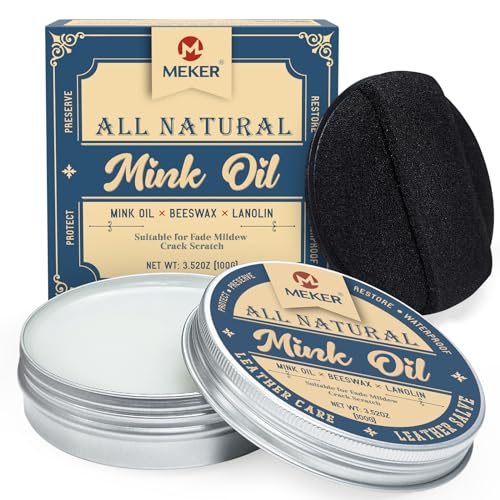
Mink oil is a thick, rich oil that suits heavy work boots and boots that face rain, mud and long days outdoors. It soaks deep, softens stiff leather and helps water bead on the surface. The main trade off is darkening, which can be strong on pale leather. Use mink oil for rugged boots where protection matters more than exact color, and apply thin coats to avoid a greasy feel.
Neatsfoot Oil
Neatsfoot oil is a classic softening oil for stiff leather, saddles and heavy boots. It spreads evenly and helps break in firm leather without a waxy surface layer. The risk is over softening, especially on thin leather, light boots and boots with glued parts.
Use small amounts, let each coat dry fully, and stop once leather feels supple. Avoid neatsfoot oil on suede and on boots where maker guidance warns against oil.
Wax Oil Blends
Wax oil blends combine oil with wax for a tougher surface that resists rain and scuffs. They suit outdoor boots, hunting boots and work boots that spend long hours in wet grass and mud. The finish may feel slightly tacky at first and needs time to dry and buff. Apply in a thin layer, warm the tin only as the maker directs, and buff lightly after drying for a more even look.
Light Conditioners
Light conditioners suit dress boots, pale leather and boots you want to keep close to their original color. They add moisture and flexibility with less darkening and less weight than heavy oils. The trade off is weaker water resistance, so they suit fair weather and indoor use more than heavy rain.
Setup and Care Tips
- Clean boots and let them dry fully before oiling.
- Try oil in a hidden spot and wait a full day before full use.
- Apply thin, even coats and wipe away excess oil.
- Let boots dry overnight away from direct heat.
- Store boots with air flow and shape support after oiling.
- Reapply only when leather looks dry or water stops beading.
Work in a ventilated area, keep oil soaked rags away from heat and flame as maker guidance directs, and dispose of rags safely. Never mix oils and cleaners unless maker guidance says it is safe, and keep oil away from children and pets.
Boot Oil: Your Questions Answered
How often should I oil my boots?
Oil boots when leather looks dry, stiff or dull, rather than on a fixed weekly schedule. Heavy work boots in wet weather may need oil every few weeks, while occasional boots may need oil only a few times a year. Check water beading, flex points and dry patches before each coat. Over oiling can soften leather too much and attract dust, so a thin coat at the right time beats frequent heavy coats.
Will boot oil darken my boots?
Most boot oils darken leather, and mink oil and dark blends often darken the most. Pale, natural and light tan leather shows change more than dark brown and black leather. Try a hidden area, let the spot dry fully, and check it in daylight before oiling the whole boot. If color is important, choose a light conditioner, apply a very thin coat, and accept that some darkening is normal with oiled leather.
Can I use boot oil on suede boots?
Do not use standard boot oil on suede or nubuck, because oil can flatten the nap and leave dark, uneven marks. Suede needs a suede protector and gentle brushing, not oil conditioning. If boots mix smooth leather and suede panels, protect the suede areas and oil only the smooth leather parts. When maker guidance is unclear, try a hidden suede spot or ask a cobbler before treating the whole boot.
How long should boots dry after oiling?
Let boots dry overnight at room temperature away from direct heat and sunlight for the most even result. Thick oils and wax blends may need longer, especially in cool or humid rooms. Boots should feel dry, not tacky, before wearing, and a second thin coat should wait until the first coat has fully dried. Rushing drying with a heater can stiffen leather and change the finish, so patience gives a better result.
Is expensive boot oil worth it?
Expensive oil is worth it when it matches your leather, offers a finish you want, and lasts through many coats from one container. A higher price does not always mean better protection, and a simple oil that suits your boots can beat a costly blend that darkens or over softens them. Compare container size, oil base and maker guidance rather than price alone. For most buyers, a mid priced oil used in thin coats gives the best balance of care and value.
Final Thoughts
Match the oil to the leather, the weather and the look you want, then apply thin coats and let boots dry fully. Check color first, protect seams and stitching, and reapply only when leather looks dry.
With steady care and the right finish, a best boot oil routine can keep boots flexible, more water resistant and ready for many seasons of wear.