
Best Bookshelf Speakers of All Time 2026: A Classic Guide
Disclosure: We may earn a commission when you buy through links on this page, at no extra cost to you. As an Amazon Associate I earn from qualifying purchases. Learn more

Best bookshelf speakers of all time: what makes a design endure, from audiophile classics to bargain favorites.
best bookshelf speakers of all time are designs that listeners still praise years or decades after release, because they balance tone, detail, and value in ways that outlast trends. The comparison table below gives a quick overview, while this guide explains what makes a speaker timeless and how to choose one today.
Timeless speakers share qualities that transcend fashion: natural midrange, controlled bass, and an ability to suit many genres and rooms. They often use simple, well executed designs rather than exotic features, which is why they remain enjoyable long after newer models arrive.

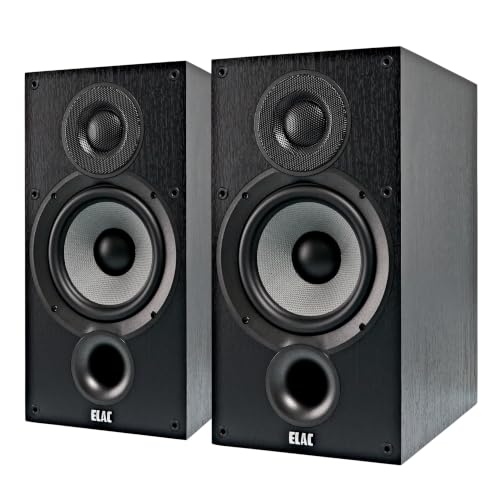
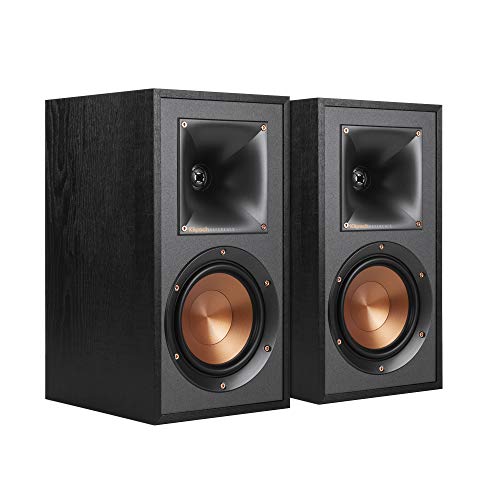


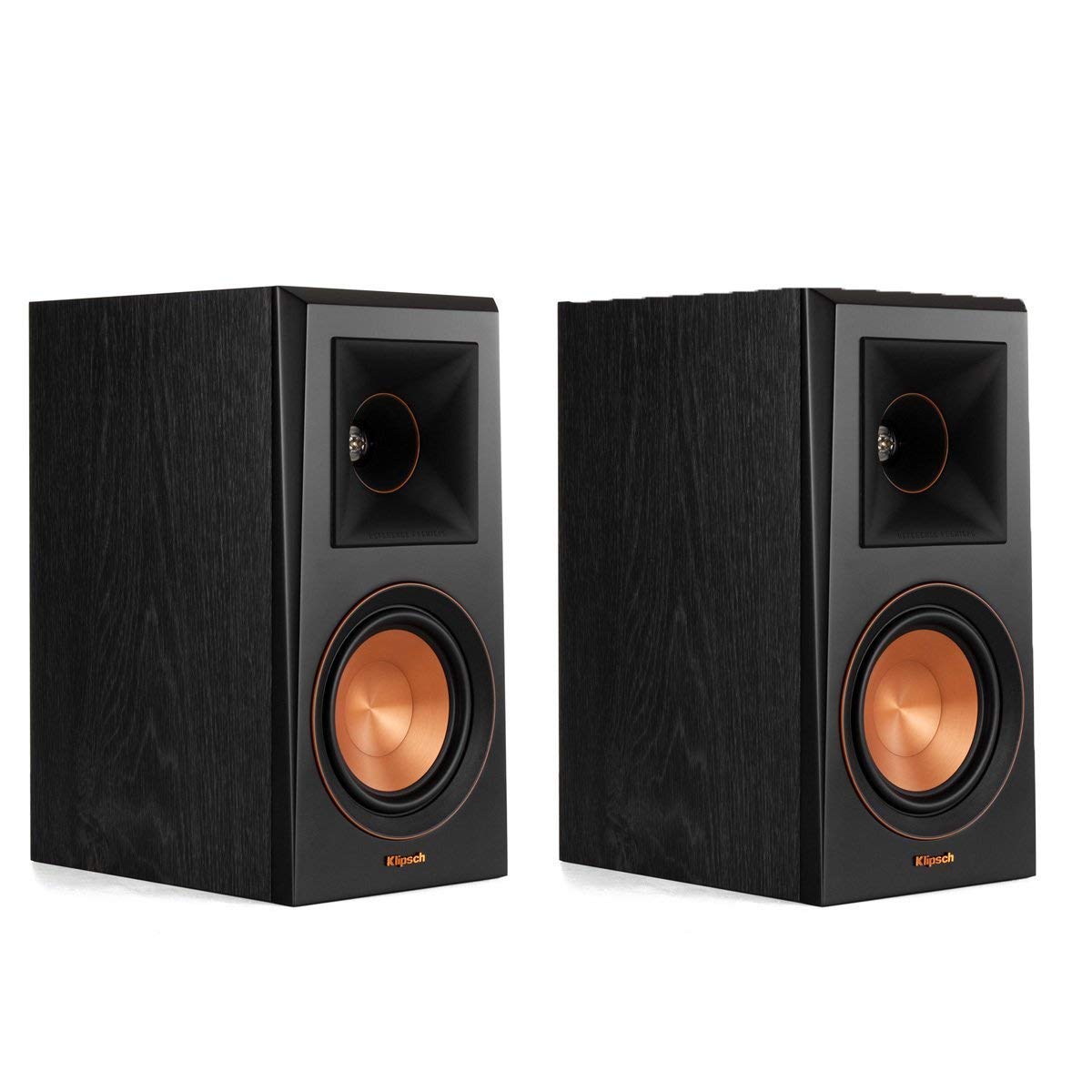

What Makes a Speaker Timeless
Timeless speakers sound natural across genres, rooms, and amplifiers. They avoid exaggerated bass or treble that impresses briefly but fatigues over long sessions. Instead they offer a balanced presentation that lets recordings speak for themselves, whether orchestral, rock, jazz, or vocal music.
Build quality and serviceability also matter for longevity. Speakers with durable cabinets, replaceable drivers, and widely available parts stay useful for decades. A classic design that can be repaired and refoamed outlives a fashionable model with proprietary parts that vanish when production ends.
Audiophile Classics and Why They Endure
Audiophile classics earn praise for midrange purity, imaging, and the ability to reveal recording details without harshness. They often use high quality crossover components and carefully braced cabinets, which cost more but pay off in long term listening satisfaction. Such speakers suit dedicated listening rooms and attentive listeners who value nuance over sheer volume.
When considering a classic audiophile model, check its amplifier requirements, because some need more power or specific impedance matching than modern budget amplifiers provide. Also consider room size: a classic designed for a small study may not fill a large living room, whatever its reputation. Reputation should guide auditioning, not replace it.
Audiophile focused models are covered in our guide to best bookshelf speakers audiophile, which explains what distinguishes high end designs from general models.
Bargain Favourites That Punch Above Their Price
Bargain classics prove that careful design beats expensive materials. They often use simple two way layouts, modest drivers, and honest engineering to deliver balanced sound at accessible prices. Such speakers suit first time buyers, second systems, and anyone who wants quality without a large investment.
The risk with bargain classics is romanticising old models that need repair. Foam surrounds deteriorate, capacitors age, and cabinets suffer knocks over decades. When buying used bargain classics, budget for possible servicing and inspect drivers and crossovers carefully. A serviced bargain classic can outperform many new budget models, but an unserviced one may disappoint.
Bargain models are covered in our guide to best bargain bookshelf speakers, which compares affordable designs known for value.
Powered and Amplified Classics
Powered bookshelf speakers include matched amplifiers tuned for their drivers, which removes amplifier matching guesswork. Classic powered designs suit desks, studios, and small rooms where simplicity matters. They also suit listeners who want consistent sound without researching separate amplifiers.
The trade off is upgrade flexibility: a powered speaker cannot be paired with a different amplifier later, and if the internal amplifier fails, repair may be complex. For a long term main system, passive speakers offer more flexibility, while powered models excel as a second system or desk setup. Choose based on how you expect your system to evolve.
Powered designs are covered in our guide to best powered bookshelf speakers, which compares built in amplification and input options.
Vinyl, Analogue Sources, and Classic Pairings
Many classic bookshelf speakers pair beautifully with vinyl, because their natural midrange suits analogue warmth and vocal recordings. A turntable, a phono stage, and a clean amplifier complete a classic system that rewards attentive listening. Check phono compatibility before buying, since some modern amplifiers omit phono inputs.
Vinyl playback also reveals speaker flaws, such as harsh treble or muddy bass, more clearly than compressed streaming. Audition classic speakers with vinyl if that is your main source, and listen for surface noise handling and dynamic range. A speaker that flatters vinyl usually flatters other sources too, because it prioritises natural tone over exaggerated detail.
Vinyl focused models are covered in our guide to best vinyl bookshelf speakers, which explains pairings for record collections.
Buying Used Classics Safely
Used classic speakers can offer superb value, but need careful inspection. Check driver surrounds for cracks, listen for rattles or distortion at moderate volume, and inspect cabinets for water damage or repairs. Ask about servicing history, including crossover capacitor replacement and driver refoaming, which affect sound quality significantly.
Buy from sellers who allow auditioning and offer a return period, and factor servicing costs into the total price. A classic that needs new surrounds and capacitors may still be a bargain, but only if you budget for the work. When in doubt, choose a serviced example from a reputable dealer over a cheaper untested private sale.
Amplified classic designs are covered in our guide to best amplified bookshelf speakers, which compares active models with built in power.
A Final Check Before You Choose a Classic
Audition classic speakers with your own music and amplifier, in a room similar to yours, before committing. Reputation and nostalgia can inflate expectations, so trust your ears over lists and forums. A classic that suits your room, genres, and amplifier is timeless for you, whatever its broader reputation.
The product table above can help you compare classic starting points once you know your budget, room size, and source equipment. Choose a speaker you will enjoy for years, not one you admire only on paper.
Living With a Classic Speaker
Classic speakers reward owners who treat them as long term companions rather than disposable electronics. Dust cabinets gently, inspect driver surrounds annually, and keep them away from radiators and damp windows that age materials prematurely. These simple habits preserve both sound quality and resale value, which matters for designs that may serve for decades.
Enjoy classics in context as well as in isolation. Listen to recordings from the era when a classic design was released, explore the music that shaped its reputation, and compare it with modern speakers when friends upgrade. That perspective deepens appreciation and helps you judge whether a classic truly suits your taste or merely carries an impressive reputation.
Classic speakers also invite a different kind of listening patience, because their strengths reveal themselves over full albums rather than short demonstrations. Give a classic several evenings with varied music before forming a final opinion, and compare it with your previous speakers in the same room. That unhurried approach honours what made the design endure in the first place.
Frequently Asked Questions
What makes a bookshelf speaker a classic?
A classic bookshelf speaker balances natural tone, detail, and value in ways that remain enjoyable years after release. It suits many genres and rooms, uses durable construction, and often remains serviceable long after production ends. Classics rely on careful engineering rather than fashionable features, which is why listeners still praise them decades later.
Should I buy a used classic speaker or a new model?
Used classics offer superb value when serviced and inspected, but may need new surrounds or capacitors. New models offer warranties and modern features but lack proven longevity. Budget servicing costs into used purchases, audition before buying, and choose serviced examples from reputable sellers when possible, something worth checking in your own setup before you decide.
Do classic bookshelf speakers work with modern amplifiers?
Most classic speakers work with modern amplifiers, but check impedance and sensitivity requirements first. Some classics need more power or specific matching than budget amplifiers provide. A clean, well designed amplifier of modest power usually suits classics better than a cheap high wattage unit. Audition with your amplifier before committing.
Are bargain classic speakers really good?
Bargain classics can be excellent when they use honest engineering and simple two way designs. They suit first time buyers and second systems well. The risk is deterioration: foam surrounds and capacitors age, so inspect and budget for servicing. A serviced bargain classic can outperform many new budget models, especially when you test it in your real daily routine.
How do I care for classic bookshelf speakers?
Keep classic speakers away from direct sun, damp, and extreme temperatures, and dust them regularly. Inspect driver surrounds and connections annually, and service crossovers when sound becomes dull or distorted. Proper stands and placement also protect longevity. With basic care, well built speakers can serve for decades, a point worth confirming during the return window.
Final Thoughts
Choosing best bookshelf speakers of all time is about finding a design whose balance, build, and versatility suit your room and music for years. Audiophile classics reward attentive listening, bargain classics offer remarkable value, and powered models add simplicity. The product table above can help you compare starting points.
Trust your ears over reputation, inspect used examples carefully, and choose a speaker that makes you listen more. A true classic should still delight you a decade from now, whatever trends come and go.


