
Best Body Fat Monitors for 2026: Types Compared and How to Choose
Disclosure: We may earn a commission when you buy through links on this page, at no extra cost to you. As an Amazon Associate I earn from qualifying purchases. Learn more
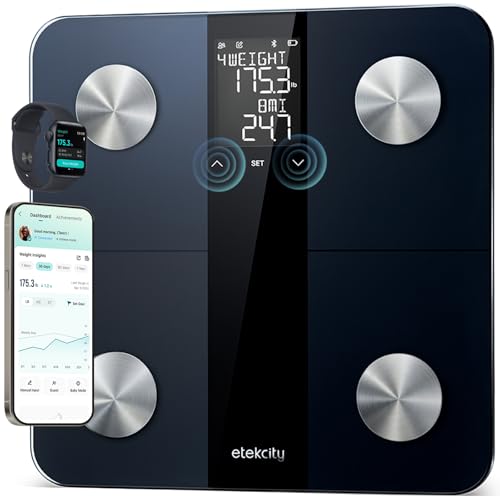
Compare body fat monitor types by measurement method, metrics, app features and price, with a clear checklist for consistent and useful home tracking.
Weight alone cannot tell you whether a change came from fat, muscle or water. The best body fat monitors add a body fat percentage estimate and related metrics, so trends become easier to read. This guide compares each type in the comparison table below by how it measures, what it reports and who it suits.
Every home monitor uses an estimate rather than a direct measurement, so consistency matters as much as the number on the screen. The sections below cover measurement paths, metric lists, apps, prices and consistent reading habits.



Who Should Buy Which Body Fat Monitor?
Start with the decision you want the numbers to support, whether that is a simple trend, detail by body region or profiles for several people.
People Tracking Fat Loss or Muscle Gain Over Time
You want to know whether months of eating and training changes are moving in the right direction. A scale based monitor with body fat percentage, muscle mass and a saved history fits you well. If you also want broader home health tracking, see our guide to the best body monitors.
Athletes and Lifters Who Want More Detail
You train hard and carry more muscle than average charts assume, so a basic estimate can read high for you. Look for an athlete mode, a combined hand and foot measurement path, and metrics split by arms, legs and trunk. Those details help you judge whether a gain sits mostly in muscle or in fat.
Households Sharing One Body Fat Monitor
You need one device that keeps each person separate, because mixed data makes every trend useless. Choose a model with several user profiles, automatic recognition where possible, and a guest mode for visitors. Check capacity against the heaviest user, and pick a platform wide enough for larger feet to rest fully on the electrodes.
Key Features to Compare
Most differences among the best body fat monitors come down to five factors. Compare them in this order, and a low price will not hide a short metric list or a weak app.
Measurement Path and Electrode Placement
Home monitors send a very small electrical signal through the body and estimate composition from how that signal travels, a method called bioelectrical impedance. Foot only models pass the signal through the lower body and infer the rest. Hand and foot models include the upper body in the path, which usually gives a fuller picture, though the result is still an estimate.
Metrics Beyond Body Fat Percentage
Most models report weight, body fat percentage, muscle mass, body water and an estimate of bone mass. Fuller lists add visceral fat, basal metabolic rate, metabolic age and body mass index. Choose two or three metrics you care about and follow those closely, instead of chasing every number the app displays.
App Connection, Profiles and Data History
Bluetooth models send each reading to a phone app, while WiFi models sync on their own when you step off. Apps store history, draw trend lines and often share data with fitness platforms you already use. Check how many profiles the system allows, because a reading saved to the wrong person quietly corrupts both records.
Accuracy, Consistency and Athlete Mode
No home monitor matches clinical methods, and readings shift with hydration, recent meals, exercise and skin contact. Athlete mode adjusts the calculation for people with high muscle mass, which can bring estimates closer for trained users. Judge any model by whether its trend stays steady under repeat conditions, not by a single impressive decimal place.
Safety comes first with a current based device. People with a pacemaker or another implanted medical device should not use one until a clinician confirms it is safe, and body fat estimates are not validated during pregnancy. Sudden unexplained weight change, new swelling or dizziness needs medical attention promptly. Talk with your clinician about personal needs.
Capacity, Platform Size and Display
Most home models hold about 330 to 440 pounds, and the stated limit should sit well above your current weight so the platform stays stable. A wider platform with clear electrode zones helps larger feet make full contact. Look for large digits you can read while standing and batteries that last for months.
Types of Body Fat Monitors Compared
The four types below differ mainly in where the electrodes sit and how much of the body the signal crosses.
Best Scales and Body Fat Monitors
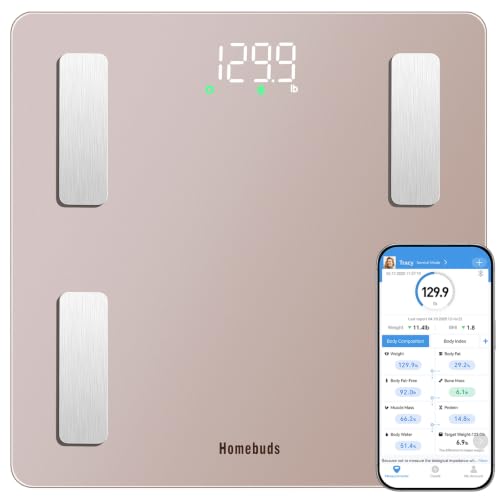
This combined type weighs you and estimates composition in one step, using metal electrodes built into the scale platform. It is the easiest type to use daily, costs about $25 to $80 for most home models, and suits anyone building a steady trend. If a scale format fits your bathroom best, see our guide to the best body fat scales.
Handheld Body Fat Monitors
A handheld unit uses grips in both hands and sends the signal across the upper body, with no platform to stand on. It packs into a drawer or gym bag, costs about $30 to $100, and suits travelers. Its weakness mirrors the scale type, because the lower body sits outside the direct path.
Combined Hand and Foot Body Fat Monitors
This type pairs a platform with a pull out handle, so the signal travels through hands and feet in one reading. It covers more of the body than either single path type and often adds segment readings for arms, legs and trunk. Expect to pay about $100 to $300, plus extra storage space for the handle.
Segmental Body Composition Monitors
The fullest home type reports fat and muscle estimates for each limb and the trunk separately, which can show uneven muscle balance after injury or one sided sport. It costs the most, often about $200 to $500. For this deeper reporting, see our guide to the best body composition monitors.
How to Take a Consistent Body Fat Reading
Place the monitor on a hard, flat floor, never on carpet, and leave it in the same spot. Measure at the same time of day, ideally in the morning after using the bathroom and before eating or drinking. Stand with clean, dry, bare feet placed fully on the electrodes, and stay still until the reading completes.
Confirm that the device has selected your own profile before you step on, because age, height and sex settings shape the calculation. Record the conditions when a reading looks odd. A weekly average from similar mornings tells you far more than any single result.
Common Mistakes to Avoid
- Measuring at random times of day makes hydration shifts look like real changes in body fat.
- Standing on the electrodes with wet feet or fresh lotion weakens contact and skews the estimate.
- Placing a scale monitor on carpet tilts the platform and distorts the weight the calculation depends on.
- Judging progress from one single reading leads to needless diet changes based on normal daily swings.
- Letting a reading save to another person profile corrupts both histories and hides your real trend.
- Buying the longest metric list you can find wastes money on numbers you will never review.
Care and Maintenance for Body Fat Monitors
Wipe the platform and electrodes with a soft cloth that is slightly damp with water, then dry the surface fully. Avoid harsh cleaners and sprays applied directly to the device, because residue on the electrodes can interfere with skin contact. Keep the monitor dry and out of direct shower splash.
Store a scale model flat and avoid dropping it or stacking heavy items on the platform, because impacts can affect the weight sensors. Replace batteries when the low battery warning appears rather than waiting for readings to fail. If readings suddenly jump for every user, check the floor, batteries and profile settings first.
Body Fat Monitors: Your Questions Answered
How accurate are body fat monitors compared with clinical methods?
Body fat monitors are less accurate than clinical methods and work best as trend tools. A clinic scan measures tissue under controlled conditions, while a home device estimates from electrical resistance and personal inputs. Your most useful check is a four week average, because a steady direction carries more meaning than closeness to one clinical result.
Why does a body fat monitor reading change after drinking water or exercise?
A body fat monitor reading changes after water or exercise because both alter body fluid levels and skin contact for hours. Heavy sweating lowers fluid and can push the fat estimate up, while a large drink can push it down. A warm shower also changes skin moisture, so wait until you return to your usual routine before measuring again.
How often should you measure body fat at home?
You should measure body fat at home about two to four times a week under the same morning conditions. Daily readings add noise that can discourage you without adding insight, since fluid shifts dominate short gaps. Many people weigh daily but review composition weekly to filter out most meaningless swings.
What does visceral fat mean on a body fat monitor?
Visceral fat on a body fat monitor is an estimated score for fat stored deep around the organs in the abdomen. It differs from fat under the skin that you can pinch, and monitors infer it from overall composition rather than sensing it directly. Treat the score as a broad band to watch over months, not as a precise medical measurement.
Can children or pregnant people rely on a body fat monitor?
Children and pregnant people should not rely on a body fat monitor for composition estimates. Growing bodies and pregnancy both change body water in ways the standard calculations do not handle, and many apps set a minimum age for profiles. Some scales offer a weight only mode with the current switched off, which is the safer way to use the device then.
Final Thoughts
Choose the measurement path first, then the metric list and app you will actually use every week. A simple scale monitor used consistently beats a complex device that gathers dust. Compare capacity, price and profile counts in the product table above before you decide.
When you judge best body fat monitors by trend quality rather than single readings, the right type for your home becomes clear. Pick the simplest monitor that answers your question and let the average over time guide your next step.


