Best Body Composition Monitors Made Simple: A Clear Buying Guide for 2026
Disclosure: We may earn a commission when you buy through links on this page, at no extra cost to you. As an Amazon Associate I earn from qualifying purchases. Learn more

Shopping for the best body composition monitors for the first time? Learn the terms, compare options, and avoid rookie mistakes with this easy guide.
Stepping on a scale tells you one number, but it cannot tell you whether a change came from fat, muscle, or water. The best body composition monitors go further by estimating those parts of your body from a short, painless reading taken through your bare feet. This guide explains the basic terms first, then walks you through the choices that affect your results.
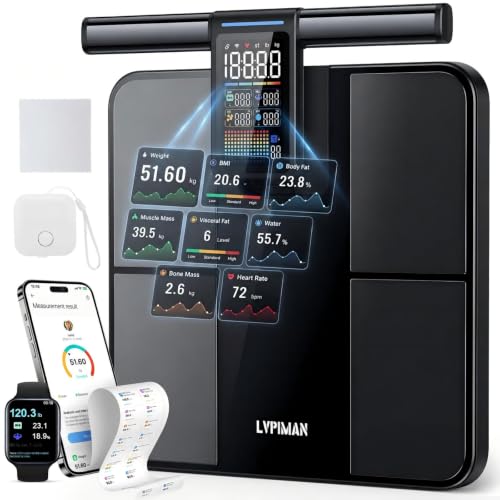
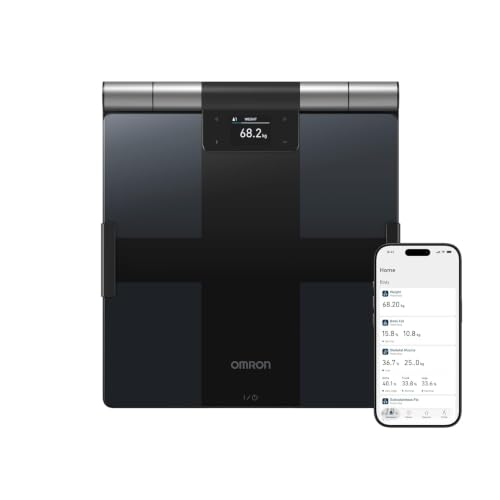
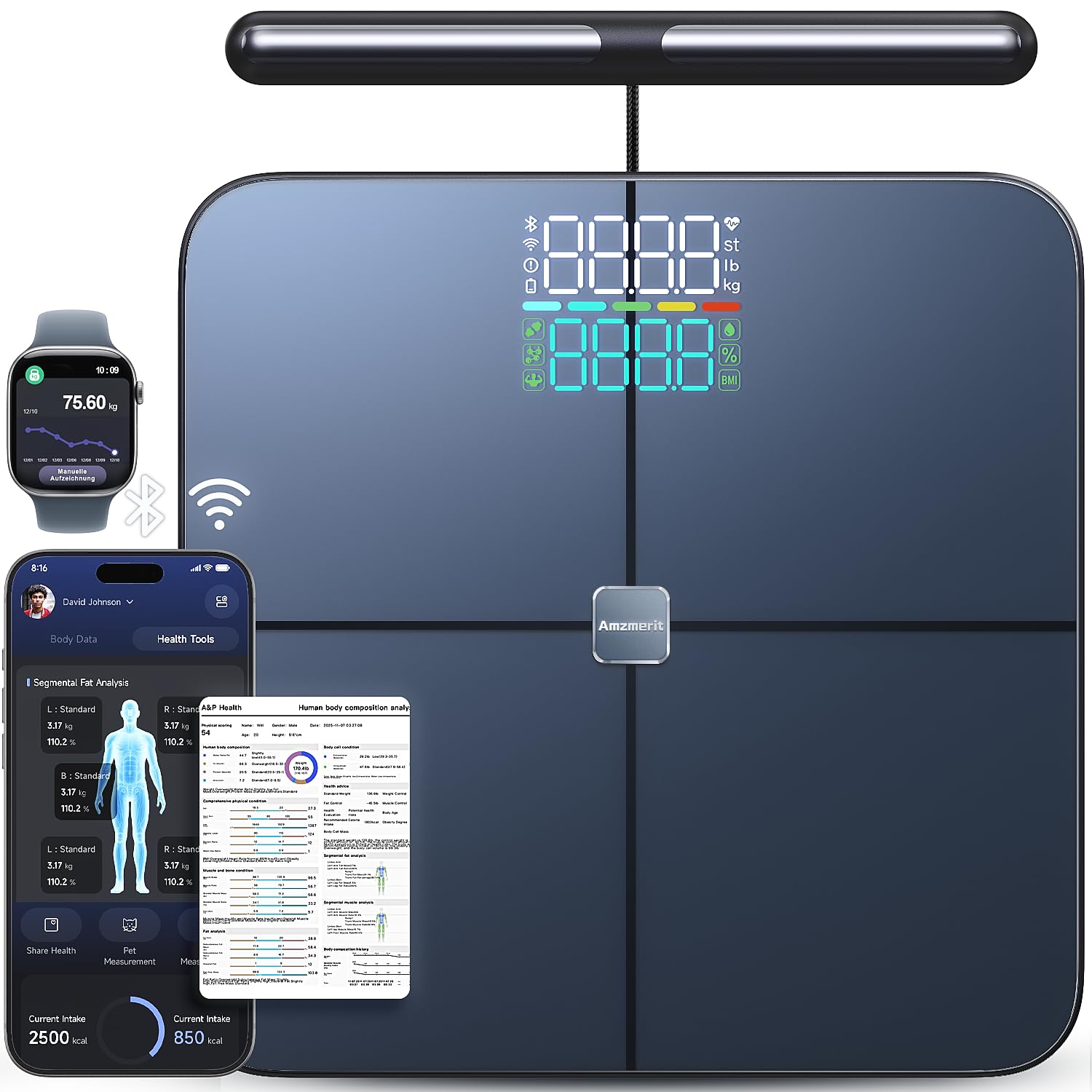
You do not need a medical background to shop well, and you do not need the most advanced model either. You need a device that measures what you care about, fits the people in your home, and is easy to use the same way every time. Start with the comparison table below, then use the sections that follow to check each model.




Who Should Buy a Body Composition Monitor?
A monitor like this suits you if you want trends over time rather than a single weight reading. One group should pause before buying, though. If you have a pacemaker or another implanted electronic device, or you are pregnant, talk with your clinician before using any model that sends a current through the body, and ask about personal needs. Unexplained rapid weight loss, new swelling, or sudden shortness of breath needs a doctor promptly, not a home reading.
People Tracking Fat Loss Beyond Total Weight
You are dieting or walking more and your weight barely moves, yet your clothes fit differently. A body composition monitor helps you see whether fat estimates are trending down while muscle holds steady, which a plain scale cannot show. Choose a model with a clear trend graph and a history you can view by week and month. If you only want total weight, see our guide to the best body monitors for simpler options.
Strength Trainers Watching Muscle and Water
You lift, do bodyweight training, or play sport, and you want to know whether a gaining plan is adding muscle or mostly fat. Look for skeletal muscle mass and total body water among the listed metrics, plus an athlete mode if the maker offers one. Readings taken right after training run distorted, so plan a fixed morning routine. Your goal is a slow trend across several weeks.
Households Sharing One Device Between Adults
You share a bathroom with a partner or adult family members and everyone wants separate records. You need automatic user recognition, enough stored profiles for your household, and a guest option for visitors. Check the stated weight capacity against the heaviest user before you buy. A shared device only stays useful if each person gets matched to the right profile every time.
Key Features to Compare
Listings throw long metric lists at first time buyers, and longer is not always better. When you compare best body composition monitors, work through the five factors below in order. They decide how the device measures and what it reports.
Measurement Path and Electrode Contact
Most home models use bioelectrical impedance, sending a tiny signal you cannot feel through your body and estimating composition from how that signal travels. Foot only models measure through the soles and estimate the whole body from the lower body signal, which keeps them simple and compact. Models with a pull out handle add hand contact, so the signal covers more of the body and some can report separate estimates for arms, legs, and trunk. Choose foot only for speed, or hand contact if segment detail matters to you.
Metrics Beyond Total Weight
The core reports are body fat percentage, skeletal muscle mass, total body water, and body mass index, with many models adding bone mass, visceral fat, protein, and a basal metabolic rate estimate. Treat visceral fat scores as a rough guide, because each brand uses its own scale. If fat tracking is your main goal, see our guide to the best body fat monitors for a closer look at that single metric. Pick a model that reports the metrics you will actually check, and ignore long lists you will never open.
Consistency Controls and Special Modes
These estimates shift with hydration, food, and timing, so the best feature is often a control that keeps readings comparable. An athlete mode adjusts the calculation for people who train hard and carry more muscle, while a weight only mode turns the current off for users who prefer plain weighing. None of this makes a home estimate exact, but it does make your week to week trend far more trustworthy.
App Connection, Profiles, and History
Bluetooth models send each reading to a phone app when you weigh, while WiFi models sync on their own and suit shared homes where phones are not always nearby. The app holds your history, graphs, and profiles, so check that it supports every adult in your home and exports data you can keep. Confirm the app still gets updates, because an abandoned app can strand years of records. If you dislike apps, choose a model that shows main metrics on its own display.
Platform Size, Capacity, and Display Readability
A wider platform with a textured, slip resistant surface feels steadier, especially for taller users whose feet must cover the electrodes fully. Check the maximum capacity, often around 330 to 400 pounds. Large, lit numbers matter if you weigh early in dim light. Build quality varies a lot at this point, so see our guide to the best quality monitors if durability is your top concern.
Your First Week: Placement, Profile and Morning Routine
Your first week sets the routine that makes later readings comparable, so set the device up properly the day it arrives.
- Place the monitor on a hard, flat floor with clear space around it, never on carpet.
- Add the batteries or charge the unit, then create your profile with your exact height and age, because the calculation uses both.
- Step on briefly to wake the device, step off, and let it settle back to zero before your first reading.
- Stand still with clean, dry, bare feet on the electrodes, and hold the handle level if your model has one.
- Save the reading under your own profile, then repeat readings at the same time of day, ideally after waking and using the bathroom.
Expect early readings to bounce around. Judge nothing until you have two weeks of readings taken under similar conditions.
Common Mistakes to Avoid
- Weighing right after a workout, a shower, or a large meal, because shifted body water distorts the estimates for hours.
- Setting the monitor on carpet or an uneven floor, because the weight reading itself goes wrong before the estimate even starts.
- Stepping on in socks or with lotion covered soles, because poor electrode contact can make the composition reading unreliable.
- Entering a rounded height or the wrong age in your profile, because the calculation uses those figures and skews every result.
- Sharing one profile between two people, because the app then blends two bodies into one meaningless trend line.
- Reacting to a single high or low reading, because daily shifts in water can hide a trend that only weeks of data reveal.
Cleaning the Platform and Electrodes Without Damage
Wipe the platform and electrodes with a soft cloth that is slightly damp, then dry the surface before the next reading. Never soak the unit, spray cleaner straight onto it, or use harsh pads that can damage the contact surface. Store it flat in a dry spot, keep heavy objects off it, and avoid standing on one edge. Remove the batteries if you will not use it for a few months. Treat cracked glass or wild swings between readings on the same morning as signs to contact the maker.
Frequently Asked Questions
Why do body composition monitor readings change from day to day?
Readings change daily because body water shifts with salt intake, sleep, travel, and your last workout, and the estimate follows that water. A single reading is a snapshot, not a score. Most apps can show a weekly average, which smooths those swings. Look at the direction across three or four weeks before you change your eating or training plan.
Can people with a pacemaker use a body composition monitor?
People with a pacemaker should not use the composition function until their clinician says it is safe for them. The measuring current is tiny, but makers still warn against it with implanted electronic devices. Many models offer a weight only mode that switches the current off, which may be an option worth raising with your doctor. Never rely on a store listing for this call.
How accurate is a body composition monitor compared with clinical methods?
A home body composition monitor is an estimate, and clinical scans remain the reference point for accuracy. Your home figure can sit a few percentage points away from a scan taken the same day. That gap matters less than you might think, because the same device used the same way shows change reliably. Treat it as a guide to direction, not a laboratory result.
Do body composition monitors work well for children and older adults?
Body composition monitors give their most dependable trends for adults, and results for children need extra care. Growing bodies change in height and water balance quickly, so adult calculations can misread a child even when the scale weight is right. Check the age range in the manual before adding a child profile. Older adults can benefit from watching muscle trends, but balance comes first, so a steady platform matters more than extra metrics.
What should I wear when stepping on a body composition monitor?
Wear the same light clothing, or none, for every reading so the results stay comparable. Socks must come off, because the electrodes need direct contact with your bare soles to take the measurement at all. Empty your pockets too, since keys and a phone add weight the app cannot tell apart from you. If you weigh in heavier clothes one morning, note it in the app.
Our Verdict
For a first purchase, keep it simple: a stable platform, the core metrics you named before shopping, enough profiles for your home, and a routine you can repeat. Skip long metric lists until you know you will weigh in regularly. Chosen that way, the best body composition monitors turn a daily weigh in into a useful long term picture of fat, muscle, and water. Compare your shortlist in the product table above, then commit to one device and routine.