Best Body Monitors in 2026: The Buyer Checklist
Disclosure: We may earn a commission when you buy through links on this page, at no extra cost to you. As an Amazon Associate I earn from qualifying purchases. Learn more

Compare the best body monitors by metrics, app sync and capacity, with a buyer checklist for steady readings and clear trend tracking at home.
A body monitor promises far more than a weight number, and that promise only helps if the readings stay steady enough to trust. The best body monitors turn a quick morning step into a clear record of fat, muscle and water trends you can act on. Use the checklist in this guide and the comparison table below to judge any model.
The sections below sort buyers by goal, explain the choices that change daily use, and show how to measure so noise stays out of your trend line.






Who Should Buy a Body Monitor?
Start with the change you want to see. A body monitor suits you when a trend matters more than a single morning number.
Adults Losing Fat While Keeping Muscle
You are eating with care and training, and you want proof that fat is falling while muscle holds steady. Weight alone cannot show that split, since training can add water and hide fat loss. Choose a monitor that charts fat and muscle together, and judge progress by the line across four weeks.
Strength Trainers Watching Muscle and Water Shifts
Your weight moves with food, sleep and soreness when you train hard. A monitor helps you spot patterns, such as water held after a leg day or muscle creeping up across a training block. Look for an athlete setting if one is offered, since standard formulas can misread lean bodies.
Households Sharing One Scale
You share a home with a partner, older teens or family, and each person needs a private record. Choose a model that spots each user by weight range and stores a separate history per profile. Check the profile limit before you buy, since some models allow only a few profiles and push extra people into a guest mode with no saved history.
If you have a pacemaker or another implanted device, or you are pregnant, ask your clinician first, since makers advise these groups to avoid the measuring current or use a weight only mode. Sudden swelling, rapid weight change you cannot explain, chest pain or breathlessness need a doctor, not a new scale setting. Talk with your clinician about personal needs before relying on these numbers for health decisions.
Key Features to Compare
Compare these factors in the same order each time, so a low price cannot hide a poor fit.
Metrics Beyond Weight Alone
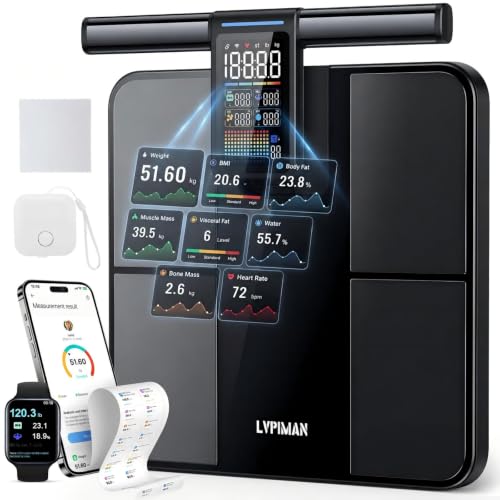
Most body monitors estimate body fat, muscle mass, body water and bone mass, and many add visceral fat, a metabolic rate figure and a BMI score. More metrics are not always better, since each estimate builds on the same signal and formula. If fat change is your main goal, see our guide to the best body fat monitors for a deeper look at that single metric. Choose the list of numbers you will check each week.
Measurement Method and Electrode Design
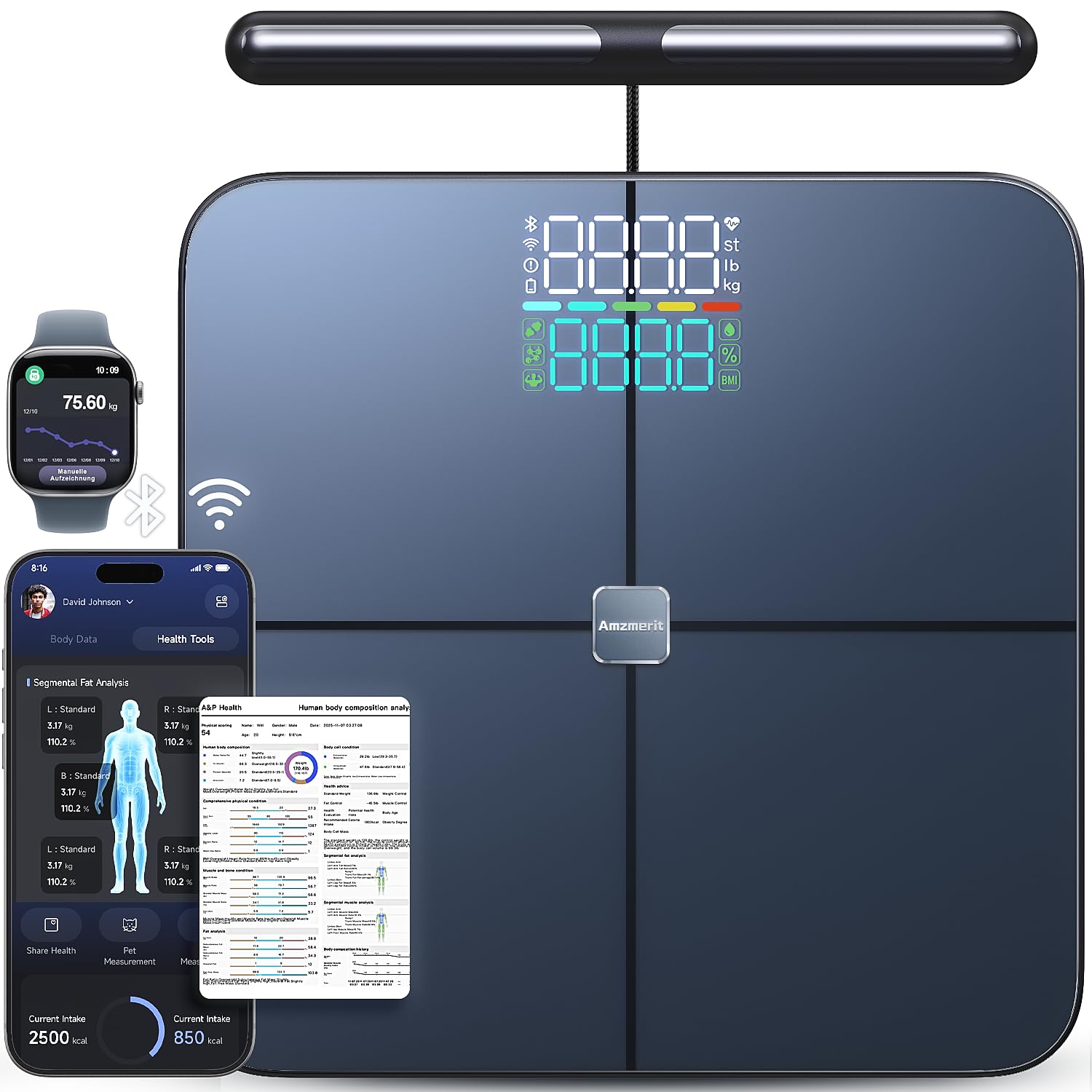
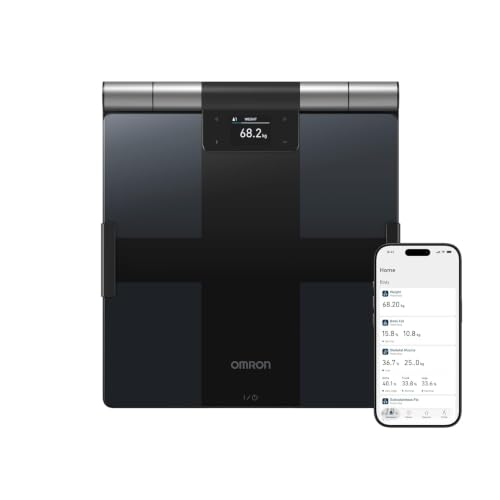
These scales send a painless current through your feet and time how it travels, a method called bioelectrical impedance analysis. Fat slows the signal more than muscle and water do, so the scale can estimate your mix. Foot only models read the lower body and project the rest, while models with a pull out handle read the arms and trunk too. Clean and sound metal foot pads matter, since worn or dirty pads weaken contact and scatter readings.
App Sync, Profiles and Trend History
A phone app is where a body monitor earns its keep, since the scale screen shows one moment and the app shows the trend. Bluetooth sync suits most homes and needs your phone nearby, while WiFi sync sends each reading alone and suits shared scales. Look for clear week and month charts, a way to save your data outside the app, and guest handling that keeps visitor weights out of your history.
Platform Size, Capacity and Display
Most home models hold about 330 to 400 pounds, and the platform should fit your full foot with room to stand centered. A low and wide platform feels steadier for older users and anyone who steps on half awake. The screen should show weight in large digits you can read at a glance, and a backlight helps in dim light. Glass tops look neat but feel cold and slick with damp feet, while textured tops grip better.
Body Monitor Types Compared and How to Measure Well
The best body monitors fall into three types. Basic smart scales measure weight plus the standard estimates through foot pads and cost about $30 to $60. Handle models add arm and trunk readings for a fuller picture and cost about $80 to $180. Plain models with no app cost less, yet you must log readings by hand.
If you want the fullest picture of fat and muscle, see our guide to the best body composition monitors for models built around that fuller breakdown. For most homes, a foot only smart scale plus a steady routine gives trends close enough to guide food and training choices.
Your routine shapes accuracy more than any spec does. Stand with bare and dry feet on a hard and level floor, at the same time, after using the bathroom and before breakfast. Stand still with your weight even on both feet. One odd number after travel or a hard workout is noise, so judge by the weekly average.
A naming note: the word monitor also describes computer screens. If you need a desk screen, see our guide to the best quality monitors. This guide covers scales only.
Final Questions Before You Order a Body Monitor
Answer each question before you order. A no points to a feature to look for in another model.
- Does the metric list match the change you want to track?
- Does the capacity and platform size fit the largest user in your home?
- Can the app hold a private profile for every regular user?
- Does the sync suit your home, Bluetooth with a phone nearby or WiFi alone?
- Can you save or export your history outside the app?
- Does the maker state clear limits for pregnancy and implanted devices?
- Will the scale sit on hard and level floor for daily use?
Watch for red flags. Vague metric lists with no stated capacity, no named app, and a warranty of a few months suggest a model built to sell once and vanish. Claims of exact fat readings deserve doubt, since impedance gives estimates that shift with hydration.
Common Mistakes to Avoid
These errors are common, and each one ruins the trend you bought the scale to see.
- Weighing at random times mixes food and water shifts into your trend and hides real change.
- Placing the scale on carpet tilts the sensors and gives jumpy readings.
- Chasing one low or high reading leads to sudden diet changes your weekly average would never support.
- Sharing one profile across two people blends two histories into one line that means nothing.
- Stepping on with wet feet or lotion on your soles weakens electrode contact and scatters the estimates.
- Skipping profile settings for age or athlete mode feeds the formula wrong inputs and skews every estimate.
Care and Maintenance for Your Body Monitor
Wipe the platform and foot pads with a slightly damp soft cloth, then dry the surface at once. Soap film and dust dull electrode contact over time, so a plain water wipe keeps readings steady. Never soak the scale or spray cleaner straight onto it, and avoid rough pads that scratch the surface.
Store the scale flat on its feet, not on its side against a wall, since leaning can strain the sensors and shift the zero point. Most models run on replaceable batteries lasting about six to twelve months, while some charge by cable. If readings drift, set the scale on hard floor, let it settle to zero, and step on again.
FAQ
How accurate is a body monitor on a single morning?
A body monitor gives a useful estimate on a single morning, but it is not exact. Hydration is the biggest mover, so readings after a sauna, a long run or poor sleep can shift fat estimates by a few points with no change in your body. Trust the line your readings form across three or four weeks.
How often should you weigh in with a body monitor?
Weighing in three to five mornings a week gives a body monitor enough data for a stable weekly average. Daily checks suit some people, yet they raise the odds that normal water shifts will feel like setbacks. A long and even record beats a short and perfect one.
Can you use a body monitor while wearing socks?
You should use a body monitor with bare feet, because the measuring current must pass through your skin into the foot pads. Thick socks block that contact, and most models will show weight only or return an error. Very thin socks sometimes let a reading through, but the estimates grow less steady, so bare feet remain the safe habit.
Why does a body monitor show a different weight than a clinic scale?
A body monitor can differ from a clinic scale by a pound or two without either scale being broken. Clinic scales are checked on a set schedule, and you stand on them clothed and later in the day, while home readings are barefoot and early. Compare each scale against its own past readings, and ask a clinician which to follow if the gap grows.
When should you replace a body monitor?
Replace a body monitor when its weight readings stop repeating, since a sound scale repeats the same number across two steps a minute apart. A cracked platform, foot pads that stay dull after cleaning, or an app the maker no longer updates are also sound reasons. Note your long term averages before you switch, so the new record can continue the old one.
Our Verdict
Buy for the trend, not for the longest metric list. Match the metrics to your goal, confirm the capacity and profile count fit your home, and set the scale on hard floor. Use the product table above to check those points before you spend.
With a steady routine, best body monitors become a quiet coach that shows whether your food and training choices are working. Start simple, watch the weekly line, and let that line guide your next step.